

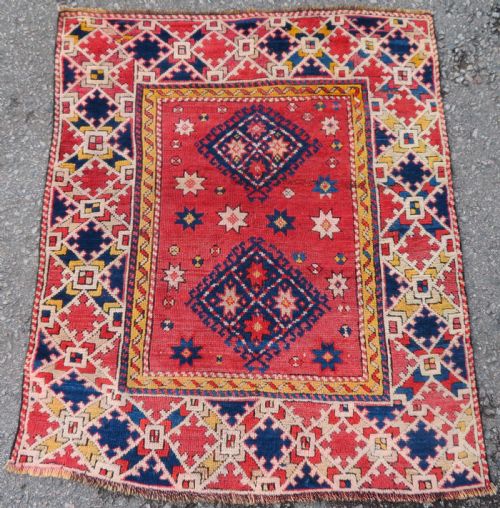
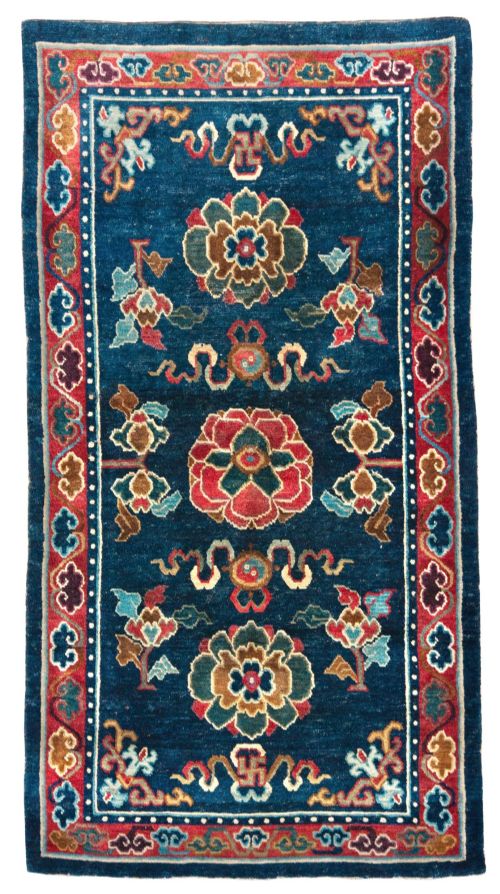
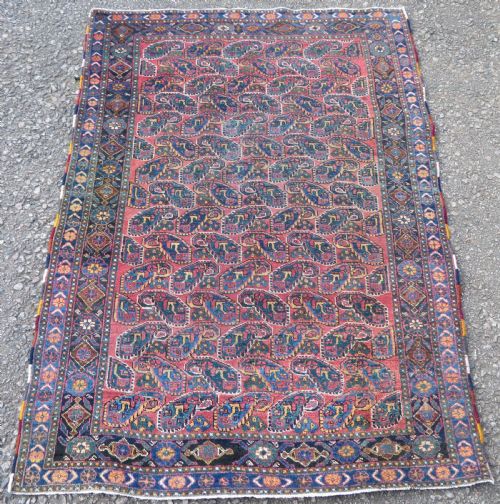
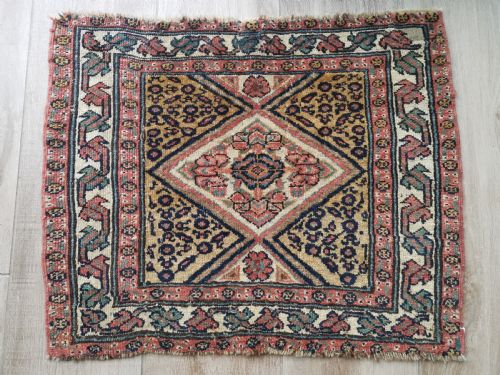
Small Hand Woven Rug
A small hand woven rug brings centuries of village and nomadic heritage directly onto the floor, offering rich textures and traditional patterns.
Small Hand Woven Rug
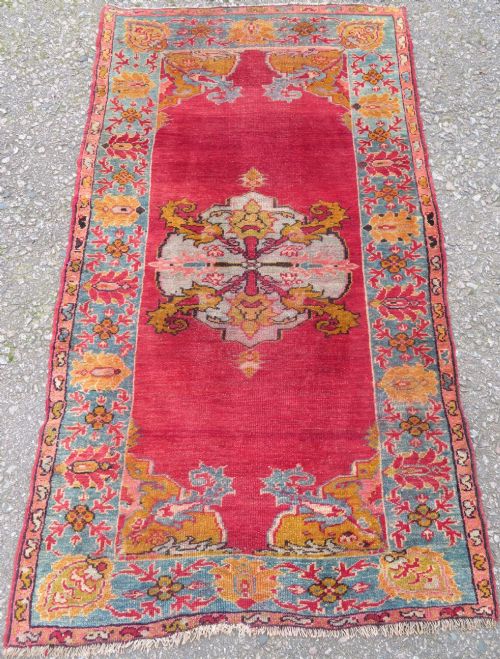
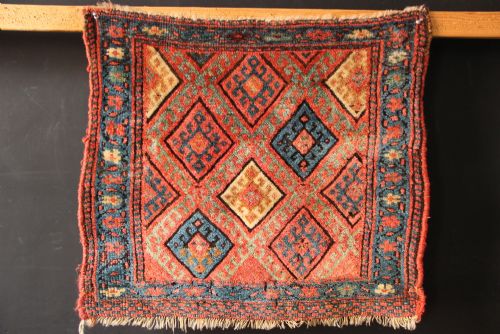
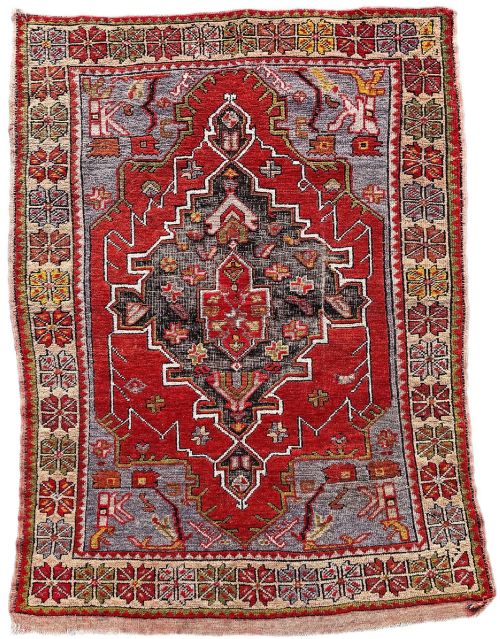
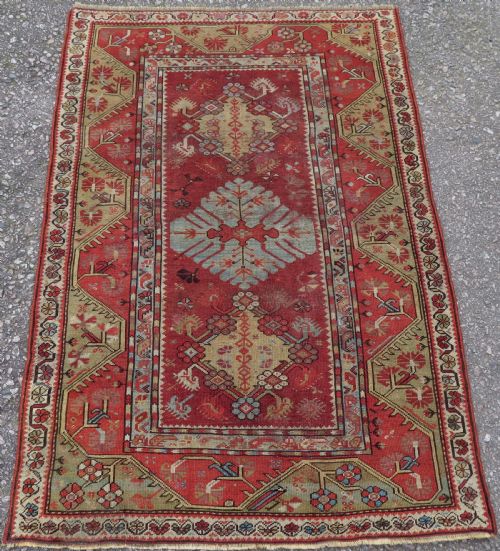
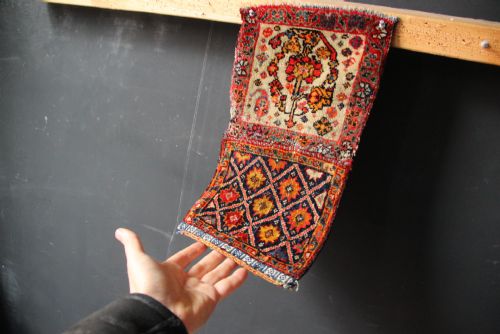
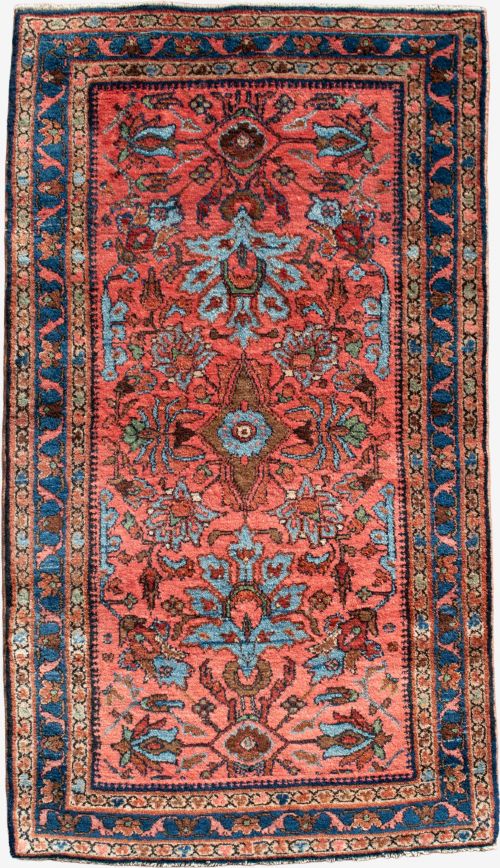
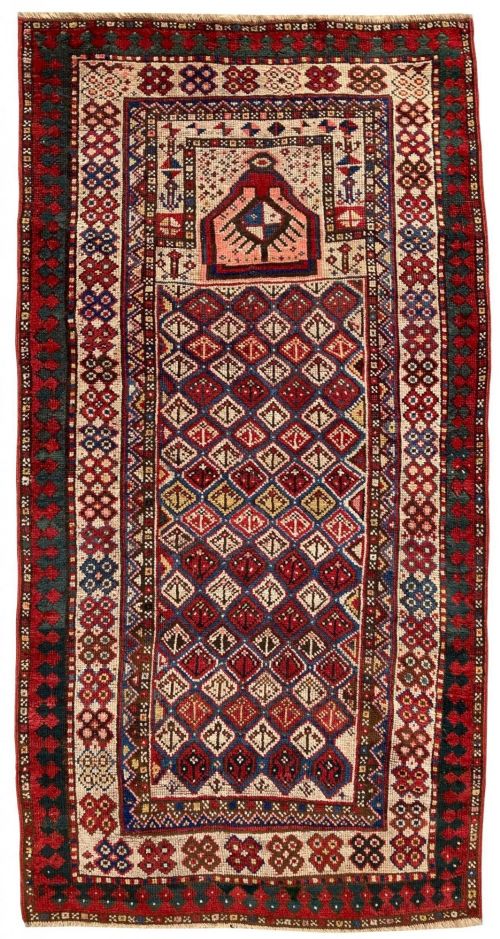
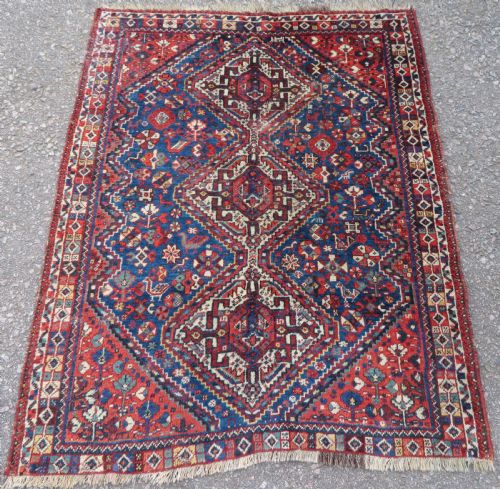
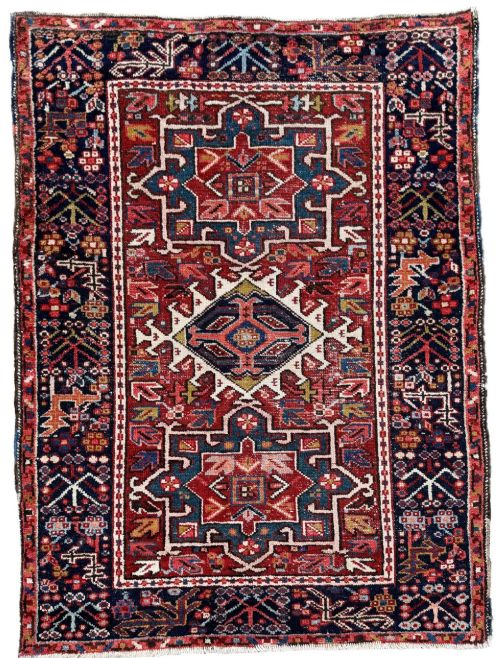
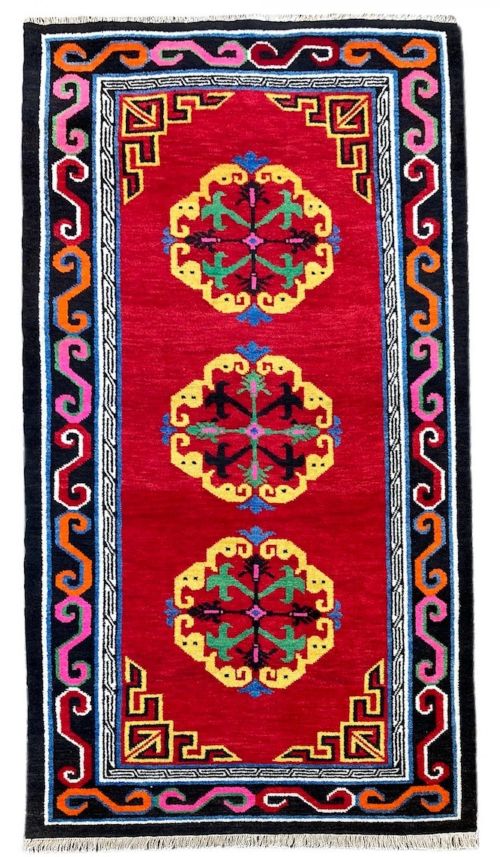
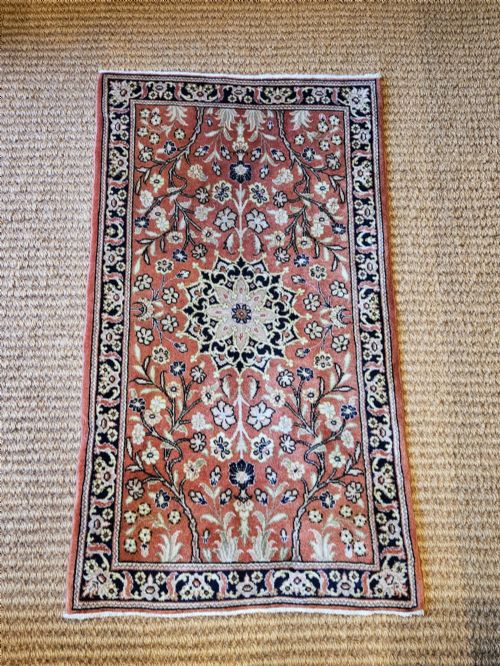
When you search for a small hand woven rug, you encounter portable textiles originating from Persian, Anatolian, Caucasian, and Turkmen weaving traditions. These pieces include hearth rugs, prayer rugs, bag faces, and saddle covers produced primarily across the nineteenth and early twentieth centuries.
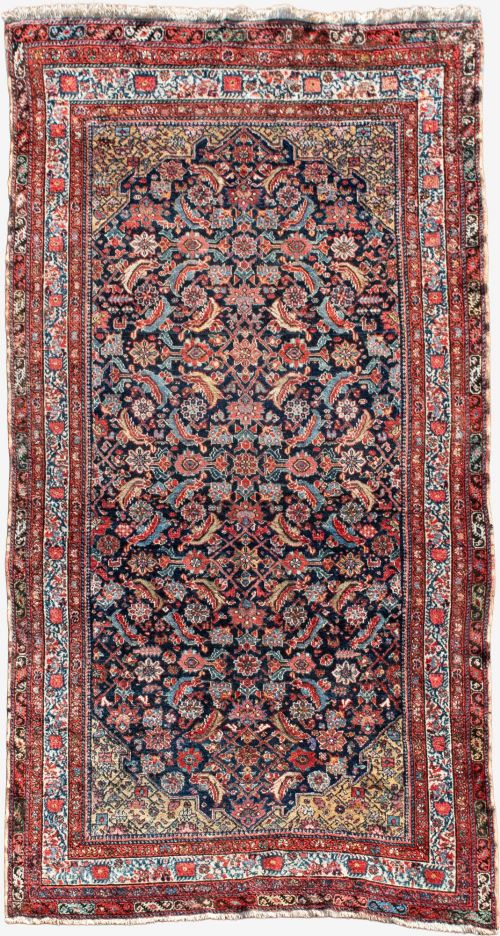
The selections available here represent diverse regional identities, ranging from Baluch and Kurdish village pieces to finer town productions like Heriz, Karaja, and Senneh. Many items function as compact decorative elements or historical textile fragments suited for modern interior display.
Nomadic and tribal weavers created these smaller formats for practical domestic or travel use, ensuring that each surviving example carries authentic utilitarian roots. Their manageable proportions make them versatile additions to contemporary spaces seeking genuine historical character.
How they were made
These textiles rely on hand-spun wool and cotton foundations, utilising natural dyes derived from plants and minerals to achieve deep, enduring colour palettes. Artisans knotted the pile by hand onto warp and weft threads, applying techniques passed down through generations within specific tribal or village communities.
The combination of locally sourced wool and natural dyeing agents produces the characteristic subtle variations in shade known as abrash. Skilled weavers structured each piece with sturdy selvages and secured ends to withstand daily use in nomadic tents and village homes.
Small Hand Woven Rug Retail Price Guide 2026
Typical asking prices for small hand woven rug among the pieces listed under this phrase on Sellingantiques today, from the lower quarter to the upper quarter. They describe what is for sale here now, not the wider market.
Some bag faces spent their youth strapped to a camel before retiring to a quiet London hallway.
What varies in quality
The distinction between ordinary and exceptional examples rests upon the fineness of the knotting and the complexity of the design layout. Superior pieces display precise geometric or pictorial execution, balanced proportions, and a rich saturation of natural dyes that improve with age.
Condition and integrity also determine standing, where intact borders, original finishes, and minimal structural loss elevate the piece. The depth and character of the wool further distinguish master weaver output from routine domestic utility items.
The Small Hand Woven Rug Glossary
- Abrash
- Natural colour variation within a field of wool caused by changes in dye batches or hand-spun yarn lots.
- Bagface
- The decorative front portion of a nomadic storage bag or saddlebag, preserved and collected independently.
- Gul
- A repeating octagonal or medallion motif frequently utilised in Turkmen and Central Asian tribal weaving.
- Warp
- The vertical threads stretched tightly on the loom that form the structural foundation of the textile.
- Weft
- The horizontal threads passed through the warp yarns to secure the knots and bind the structure together.
Small Hand Woven Rug: Frequently Asked Questions
How were small antique rugs used originally?
Nomadic and village communities utilised these compact textiles for floor covering, prayer observance, tent decoration, and animal transport storage bags.
Their portable dimensions suited a mobile lifestyle, allowing weavers to pack furnishings easily while maintaining domestic comfort.
Where do most tribal rugs originate?
The pieces hail predominantly from regions spanning Persia, Anatolia, the Caucasus, and Central Asia, created by distinct tribal confederations.
Local flora, geology, and cultural motifs dictated the specific dye colours and geometric patterns unique to each weaving group.
How should I care for an antique wool rug?
Gentle vacuuming without a rotating brush helps remove surface dust safely without damaging the delicate hand-spun wool pile or ancient foundation threads.
Professional textile cleaning is recommended periodically to maintain the integrity of natural dyes and fibres.
What defines a prayer rug design?
Prayer rugs feature a distinctive mihrab or arch motif at one end, symbolising the direction of Mecca and designed to guide daily devotion.
These compositions often include symbolic flora, combs, or lamps woven directly into the central field.