


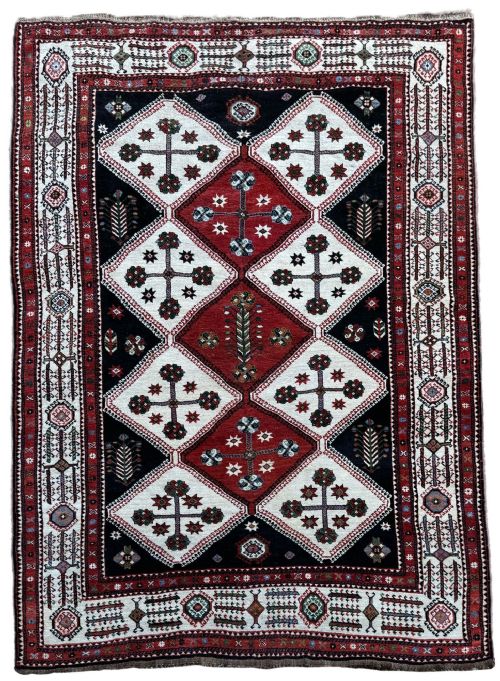
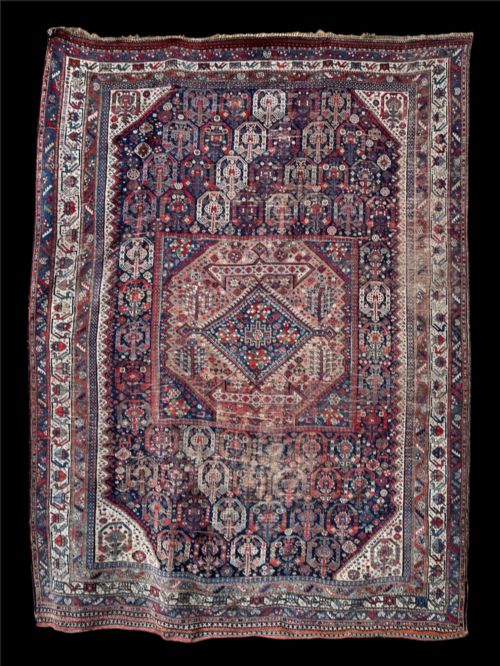
Nomadic Hand Knotted Carpet
When you seek a nomadic hand knotted carpet, you uncover tribal textiles woven by village and pastoral weavers across Central Asia and Persia.
Nomadic Hand Knotted Carpet
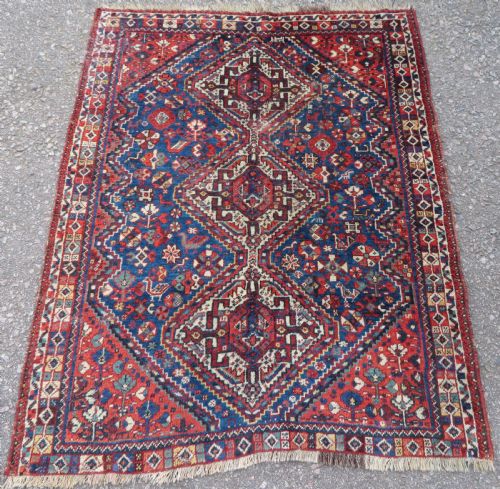
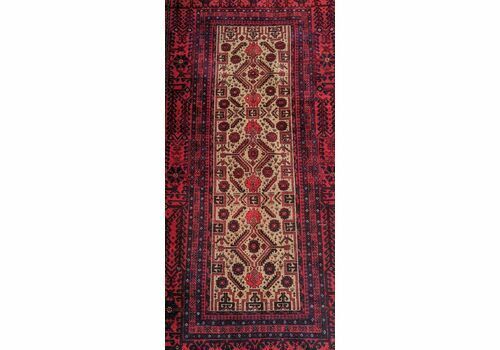
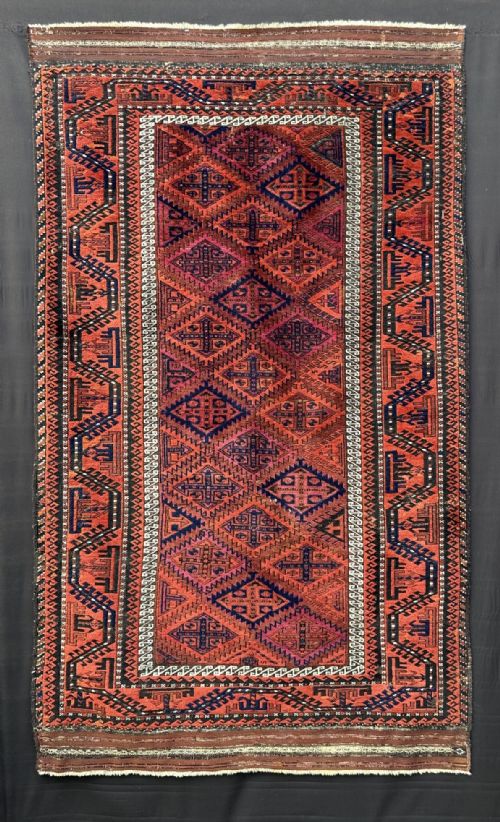
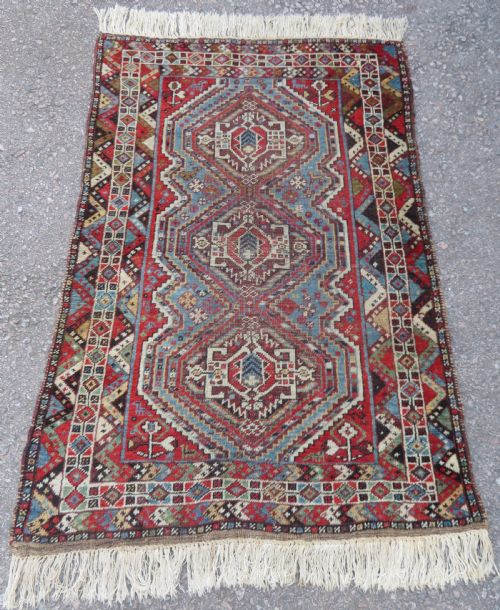
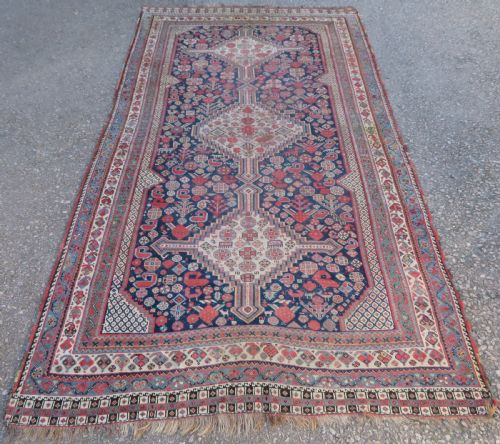
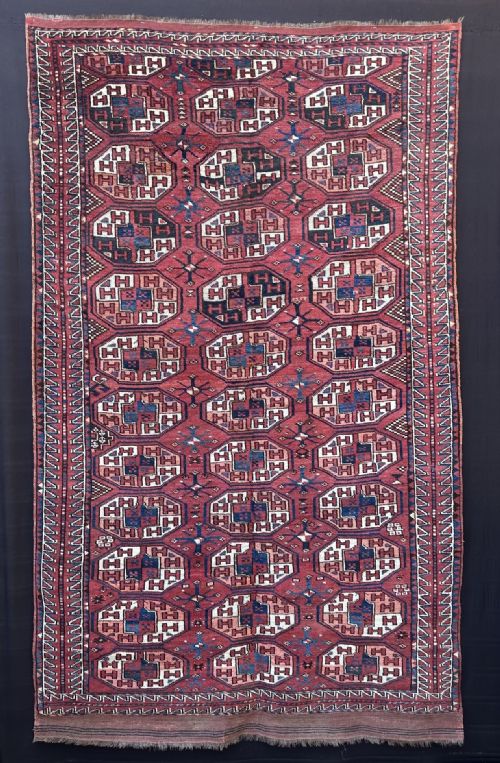
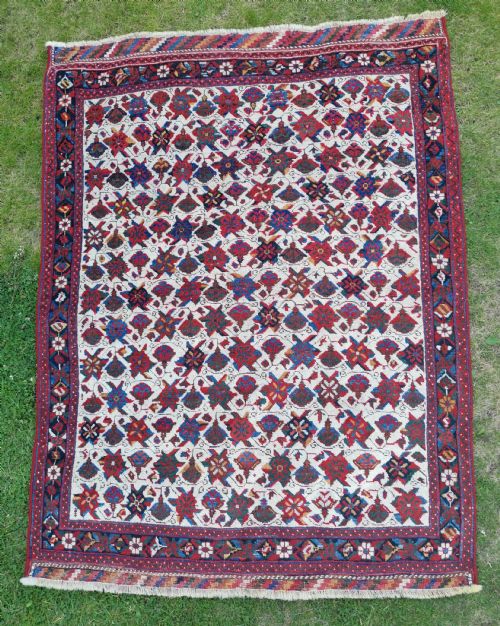
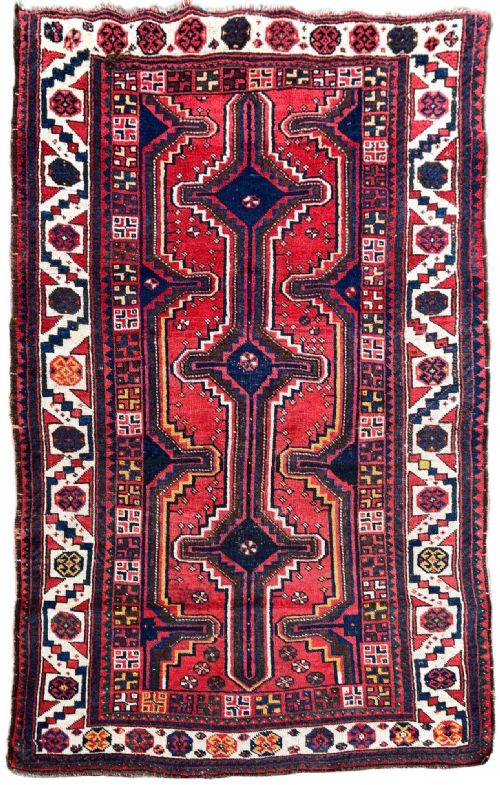
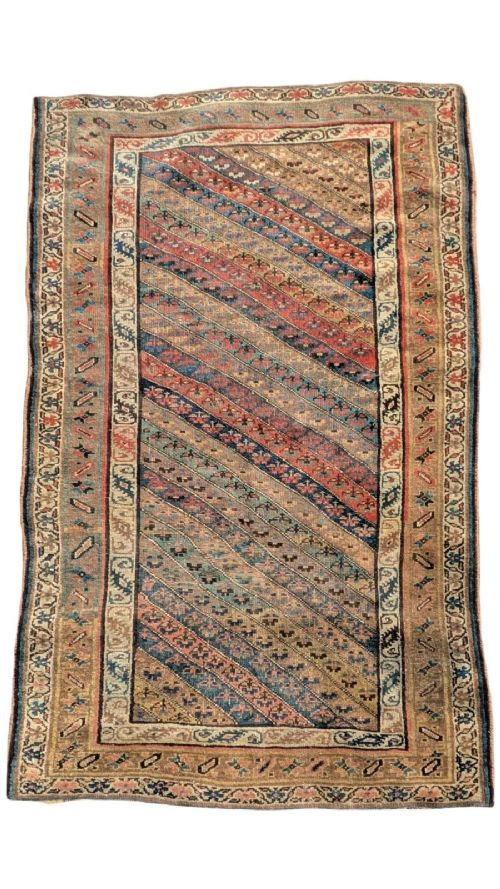
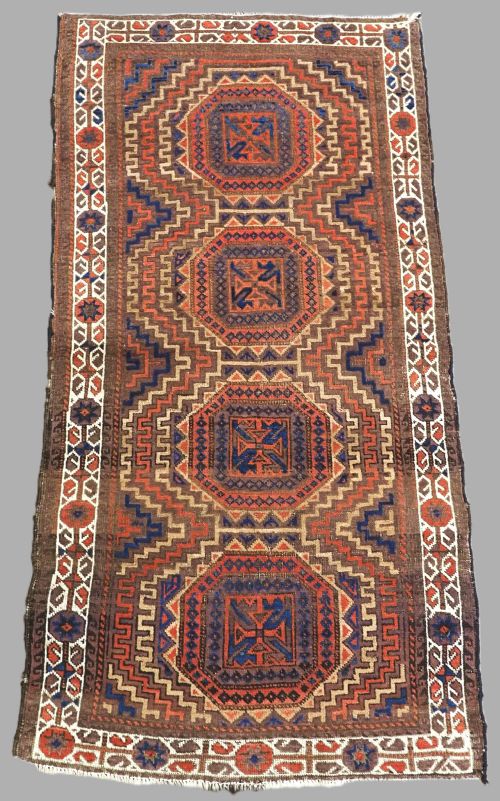
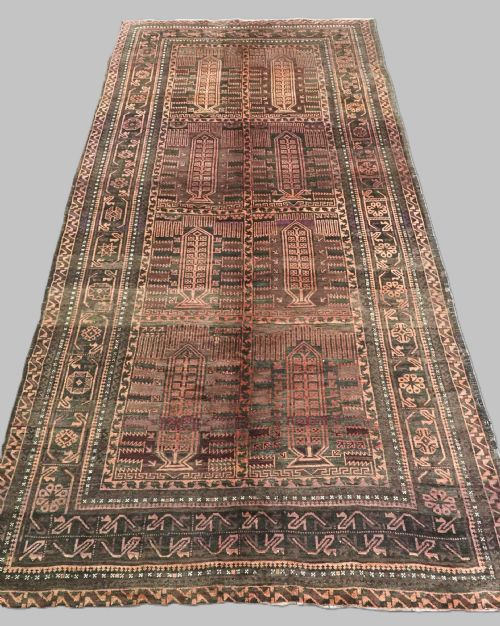
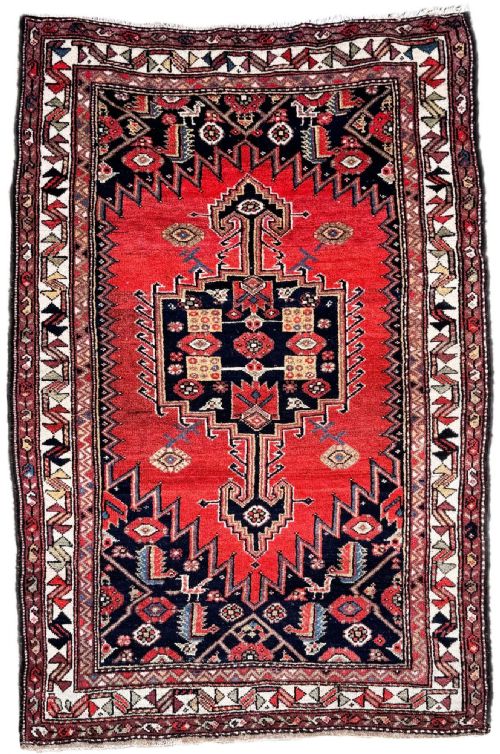
A nomadic hand knotted carpet brings together tribal traditions from groups such as the Turkmen, Baluch, Afshar, Khamseh, and Kurdish tribes. These pieces span from the late nineteenth century into the early decades of the twentieth century, taking the form of large main carpets, smaller scatter rugs, prayer rugs with double mihrabs, and utilitarian bags or tent door hangings.
The designs draw on regional motifs, including large guls, pencil box patterns, and distinctive tribal geometries. Weavers produce these textiles across areas ranging from the Merv Oasis and Turkmenistan to the borderlands of Persia and Afghanistan, reflecting the specific heritage of each confederacy.
Most examples found on this page consist of rugs and carpets sized for domestic floor use, alongside smaller tribal items like torbas and kapunuks. The work originates from distinct tribal groups rather than urban manufactories, preserving vernacular patterns passed down through generations.
Materials and Construction
The construction relies heavily on wool, frequently described as hand-spun wool or pure wool, set onto a cotton or wool foundation. Weavers utilise natural dyes to achieve the deep reds, blues, and earth tones characteristic of tribal output from this period.
The knotted-pile technique is executed entirely by hand, creating dense surfaces designed to withstand the rigours of pastoral life. Pile weaving is paired with flat-woven backs or sides on utility bags and tent trappings, showing integrated methods of nomadic manufacture.
Listings feature pieces from the nineteenth century up to the 1930s, constructed entirely from wool and cotton using natural dyes.
Gradations of Quality
Quality in these textiles rests upon the fineness of the knotting and the handled resilience of the wool. Tightly packed knots yield a clearer graphic definition of tribal guls and geometric motifs, while superior hand-spun wool retains a lanolin-rich handle.
The depth and stability of the natural dyes contribute significantly to the visual power of a piece. Variations occur between standard utility weaving and finer presentation pieces like wedding rugs or main carpets intended for tribal gatherings.
The Nomadic Hand Knotted Carpet Glossary
- Gul
- A repeated octagonal medallion motif frequently found in Turkmen and Baluch weaving. It serves as the primary visual emblem for specific tribes and clans.
- Mihrab
- A niche design element originating from Islamic architecture, used primarily in prayer rugs to indicate the direction of prayer.
- Torba
- A small storage bag produced by nomadic tribes for domestic organisation inside a tent. These pieces often feature elaborate face designs with guls.
- Kapunuk
- A specialised tent door hanging placed around the entrance of a nomadic yurt or tent. They display distinct architectural proportions and long horizontal formats.
- Pile
- The upright yarn loops that form the soft surface of a carpet. In these textiles, the pile is knotted individually onto the warp threads by hand.
Nomadic Hand Knotted Carpet: Frequently Asked Questions
What is a nomadic hand knotted carpet?
A nomadic hand knotted carpet is a tribal textile produced by pastoral or village weavers using hand-spun wool and natural dyes. These pieces showcase traditional geometric designs and regional motifs associated with specific groups like the Turkmen or Baluch.
Unlike urban workshop carpets, these items reflect vernacular weaving traditions developed for domestic use, travel, and tribal ceremonies during the nineteenth and early twentieth centuries.
How were tribal rugs used originally?
Tribal rugs served multiple functions in daily nomadic life, acting as floor coverings, sleeping mats, and architectural partitions within tents. Smaller items like torbas and kapunuks were utilised to store possessions and decorate the interior of dwellings.
Carpets also held cultural significance, marking important life events such as weddings or functioning as prayer mats for daily devotion.
How do I care for an antique wool rug?
Antique wool rugs require gentle maintenance, beginning with regular, low-suction vacuuming without a beater bar to remove embedded dust. Professional cleaning should be undertaken sparingly by specialists experienced in antique textiles and natural dyes.
Keeping the rug out of direct sunlight prevents the natural dyes from fading over time, while a quality underlay protects the wool foundation from friction against hard floors.