

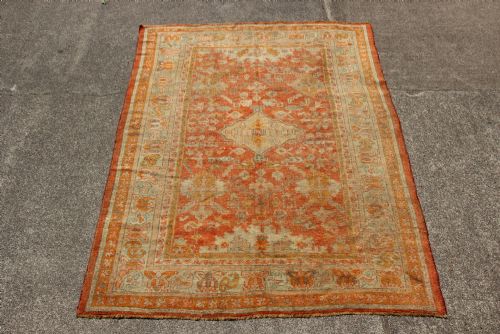
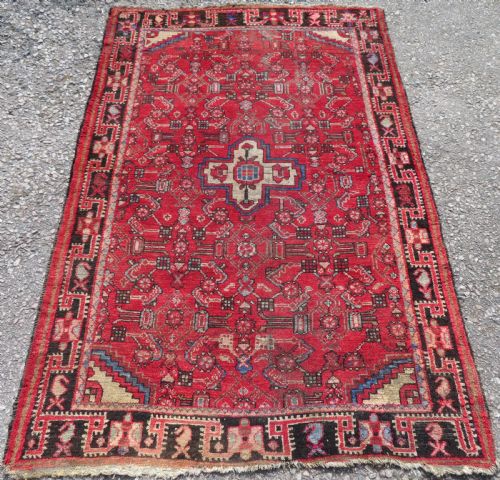
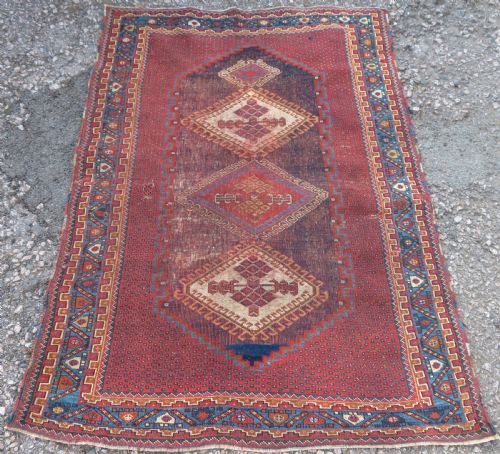
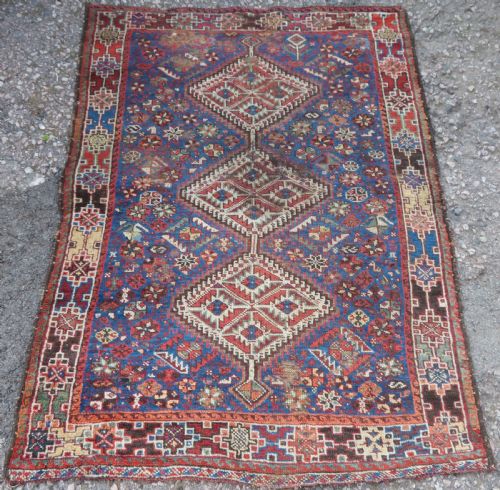
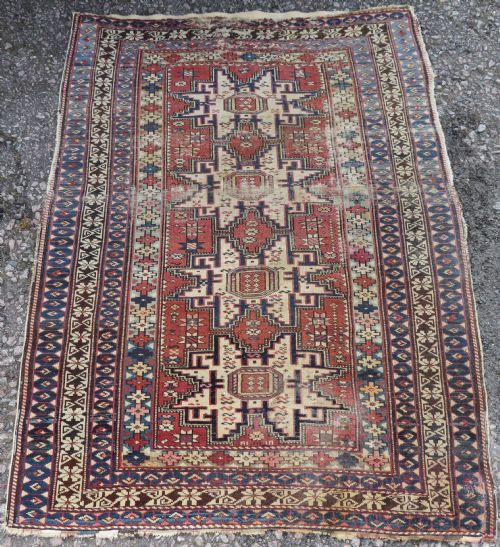
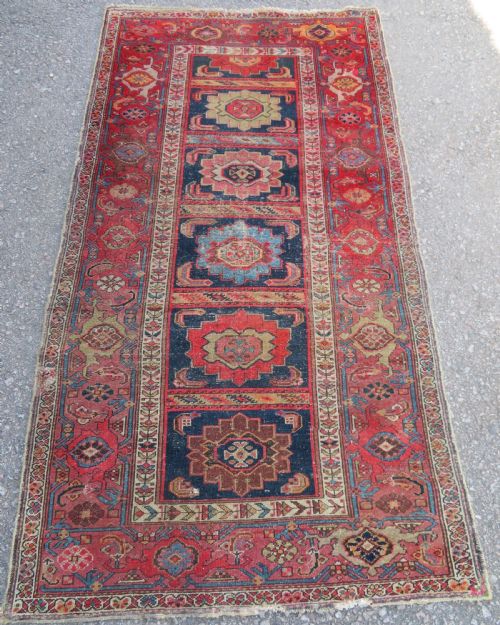
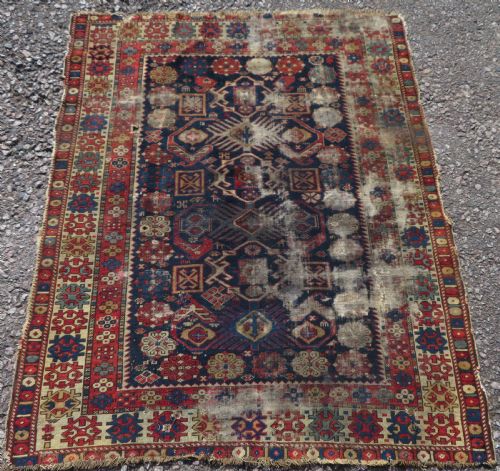
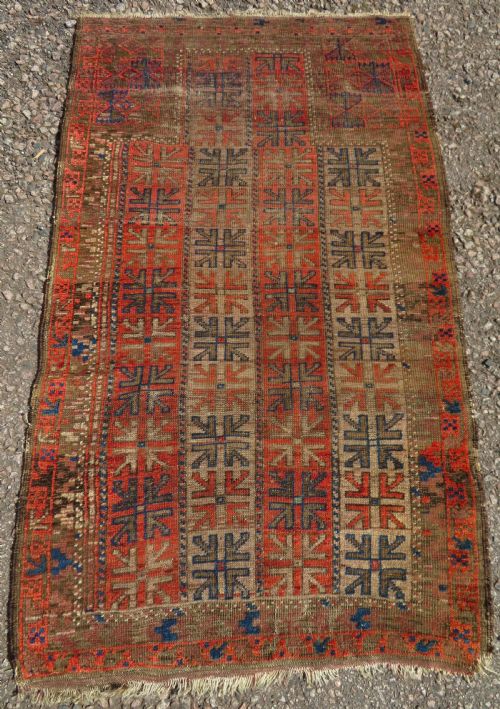
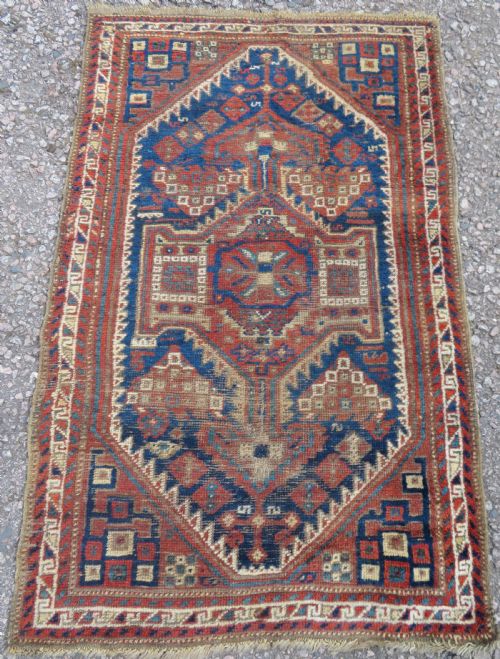
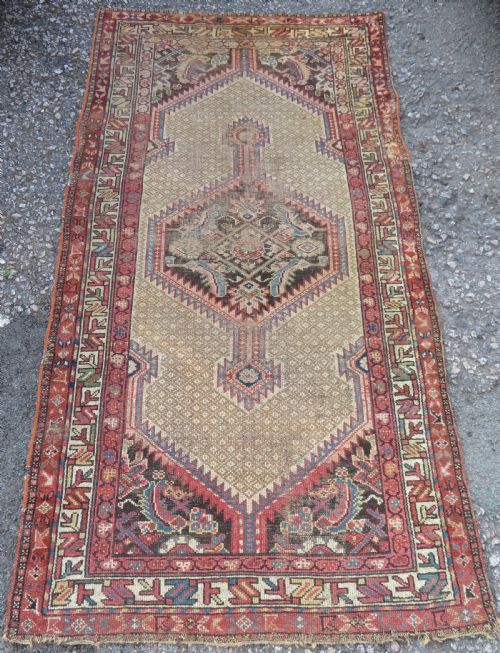


Distressed Oriental Area Carpet
These distressed oriental area carpets are worn antique rugs bearing decades of patinated charm, sought after for grounding a room with authentic tribal character.
Distressed Oriental Area Carpet
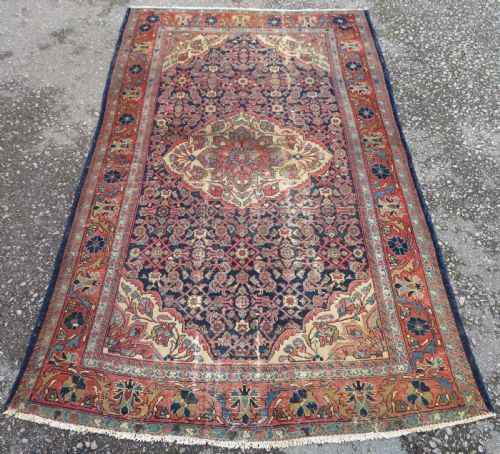
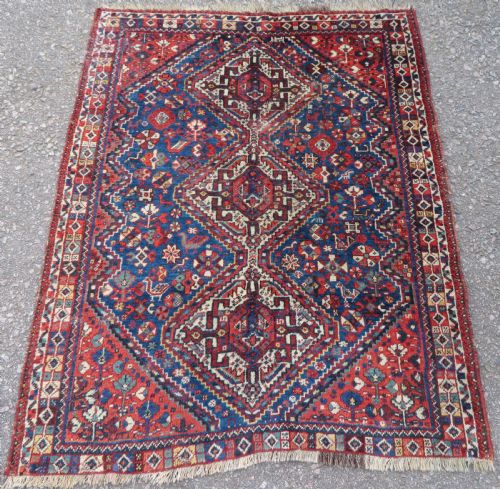
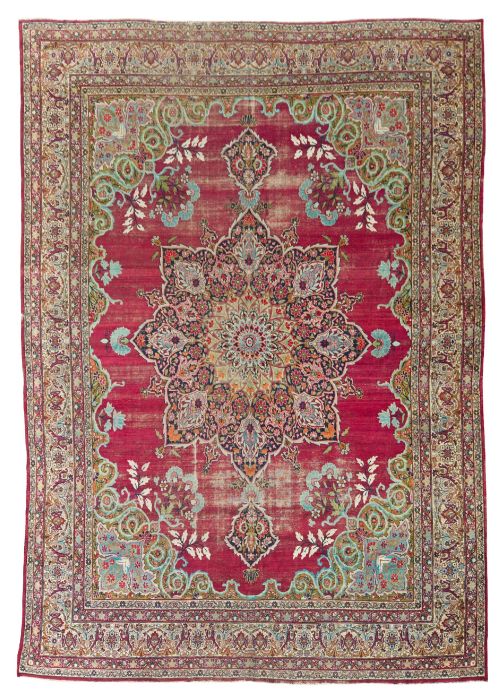
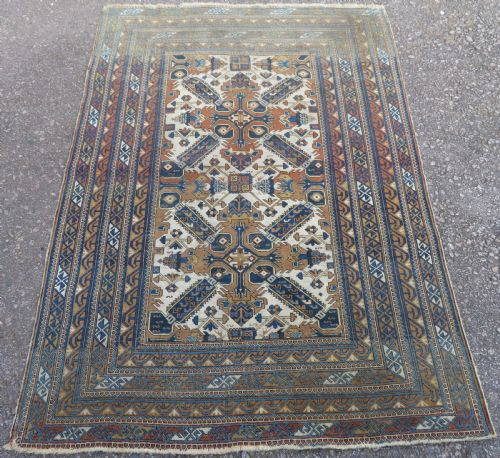
A distressed oriental area carpet is typically a hand-knotted antique rug originating from Persia, the Caucasus, or Anatolia, carrying the authentic wear of past centuries. When searching for a distressed oriental area carpet, buyers encounter regional village and tribal types spanning the nineteenth and early twentieth centuries, including Khamseh, Afshar, Daghestan, and Oushak productions. These floor coverings range from compact scatter sizes to large room formats, each demonstrating the distinct weaving traditions of nomadic and settled workshops.
The aesthetic of a distressed oriental area carpet relies heavily on natural age, reduced pile, and softened colour palettes shaped by decades of daily use. Examples on this page encompass specific regional styles such as Heriz, Kirman, Hamadan, and Kazak, reflecting diverse cultural motifs from geometric medallions to flowing floral fields. Such pieces bring historic depth to contemporary interiors through their weathered surfaces and time-softened wool.
How they were made
Makers constructed these floor coverings using hand-spun wool and cotton foundations, often incorporating camel hair for natural brown tones within the pile. Artisans knotted the wool by hand onto warp and weft threads, creating dense structures designed to endure generations of foot traffic.
Weavers utilised natural dyes extracted from plants and minerals, which produced rich tones that mellow gracefully over time rather than fading harshly. The combination of hand-spun materials and botanical colorants accounts for the harmonious oxidation visible across these antique textiles.
Distressed Oriental Area Carpet Retail Price Guide 2026
Typical asking prices for distressed oriental area carpet among the pieces listed under this phrase on Sellingantiques today, from the lower quarter to the upper quarter. They describe what is for sale here now, not the wider market.
Camel hair occasionally forms the undyed border details of these rustic rugs, providing natural durability alongside soft brown tones.
What varies in quality
The standard of a woven rug rests on the fineness of the knotting and the structural integrity of the foundation threads supporting the pile. Tighter knot density allows for sharper graphic definition in geometric village rugs and finer curves in classical town carpets.
Proportion and the artistic execution of the design dictate the distinction between ordinary utility items and exceptional tribal or workshop achievements. Balanced abrasash, where dye batches shift subtly across the field, adds visual depth to superior examples without compromising structural fabric.
The Distressed Oriental Area Carpet Glossary
- Abrasash
- Natural variation in wool colour resulting from changes in dye lots during the creation of a rug. This tonal shift occurs organically across the field.
- Warp
- The vertical foundation threads stretched lengthwise on the loom before knotting begins. Weavers build the entire structure upon these sturdy cotton or wool cords.
- Weft
- The horizontal threads passed across the warp strands after each row of knots to secure the pile in place. These transverse fibres maintain the width and stability of the textile.
- Pile
- The upright cut or looped wool surface that forms the soft top layer of the carpet. Years of friction reduce this layer, creating the characteristic distressed patina.
- Prayer rug
- A small format textile featuring a distinctive architectural mihrab niche design intended to direct the placement of the head during daily devotions.
Distressed Oriental Area Carpet: Frequently Asked Questions
How do I clean an antique rug?
Gentle surface brushing and professional specialist washing are suitable for delicate wool and cotton antique textiles. Avoid harsh chemical agents or soaking.
Immersion washing should only be undertaken by experienced restorers who understand botanical dyes and fragile historic foundations.
Are these carpets suitable for heavy traffic?
Many examples retain durable wool piles that withstand normal domestic use when paired with a quality underlay. Thinned antique pieces benefit from placement in lower-traffic areas.
A supportive felt or rubber pad beneath the textile reduces friction against hard flooring and prevents slipping.
How do I identify a tribal rug?
Tribal pieces typically display geometric motifs, asymmetrical layouts, and coarse wool structures woven by nomadic or village groups. Colours often derive from local plant sources.
Unlike formal city workshop carpets, these rural works prioritize direct symbolism and spontaneous design over strict symmetry.
What causes the distressed look?
Natural oxidation of botanical dyes and decades of physical wear produce the faded patina seen on these antique floor coverings. Sunlight and foot traffic gradually soften the original tones.
This deliberate or accidental weathering transforms bright primary colours into muted earth tones appreciated by interior decorators.