


Small Hand Woven Carpet
A small hand woven carpet brings centuries of nomadic and village weaving traditions into a room through dense wool and natural dyes.
Small Hand Woven Carpet
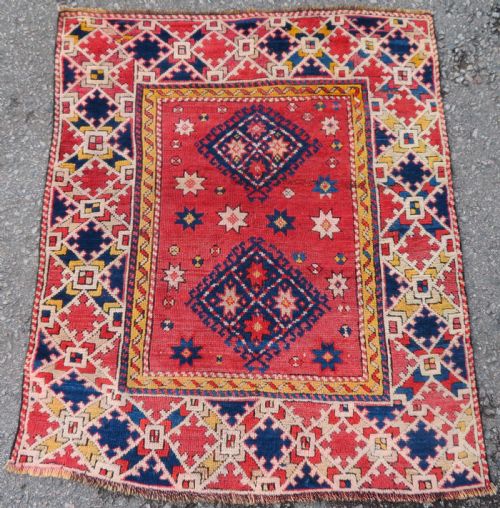
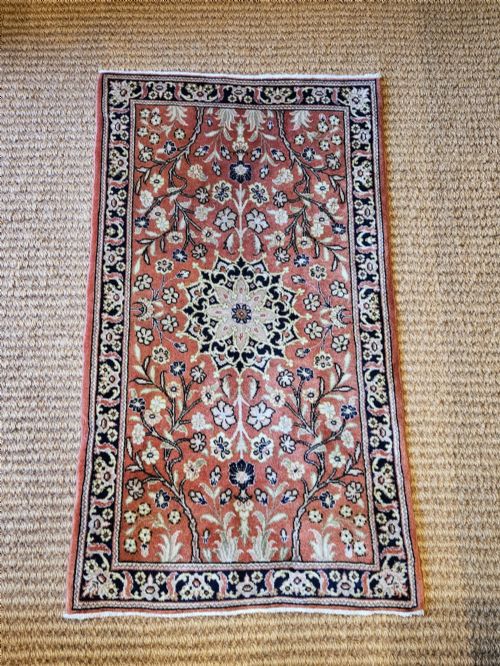
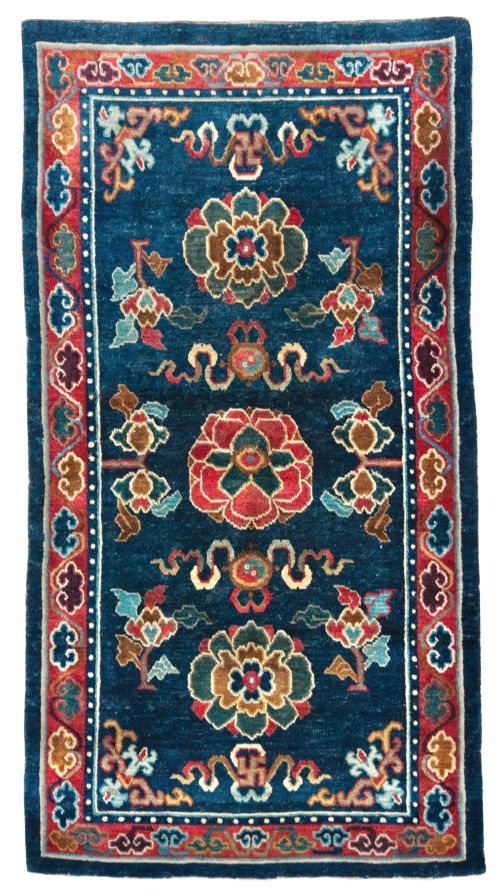
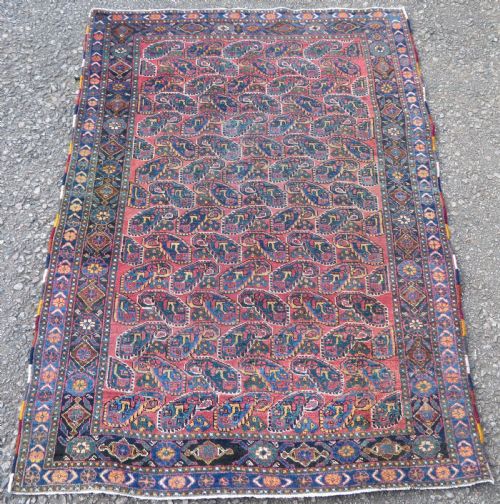
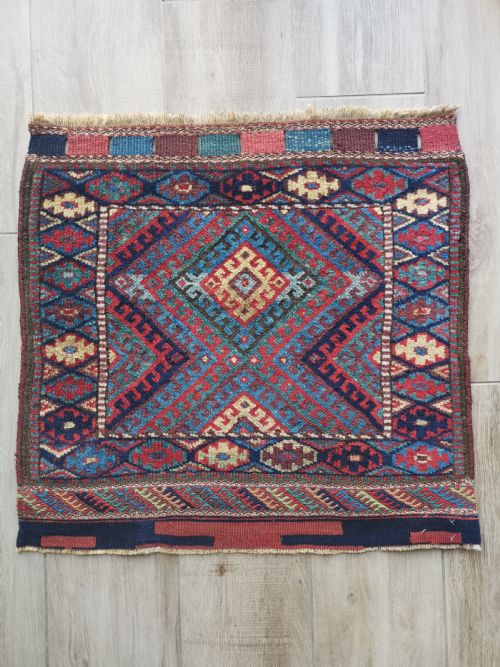
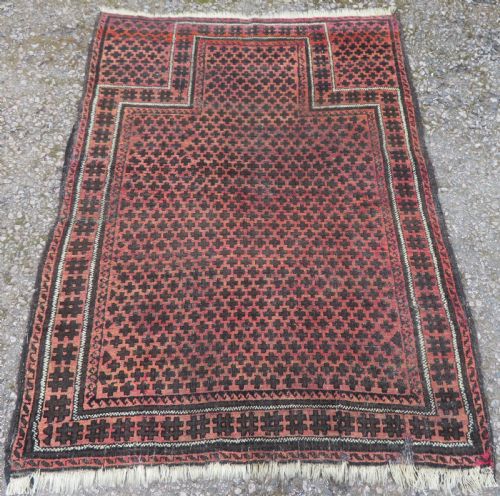
A buyer searching for a small hand woven carpet encounters tribal and village textiles originating from Persia, Anatolia, the Caucasus, and Central Asia. The pieces appearing on this page span several decades from the mid-nineteenth century through the 1930s, encompassing compact formats such as hearth rugs, prayer rugs, torba faces, and bagfaces.
The assortment includes specific regional types like Baluch, Afshar, Ersari, Yomud, and Kurdish pieces, alongside town rugs from Heriz, Senneh, and Kirsehir. These textiles were produced for domestic use or personal transport, resulting in dimensions well suited to intimate spaces rather than grand halls.
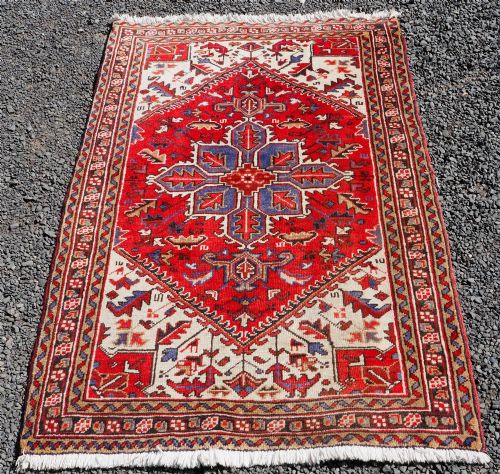
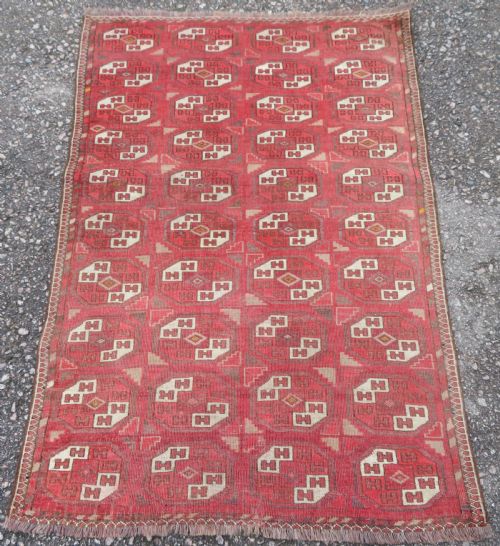
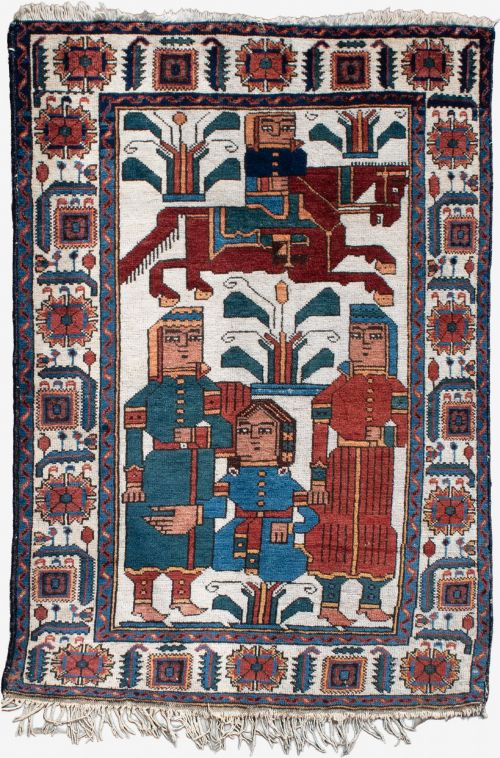
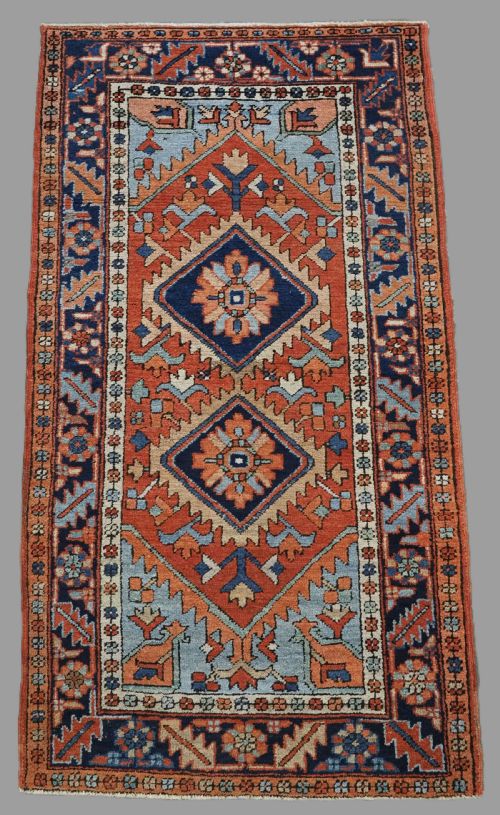
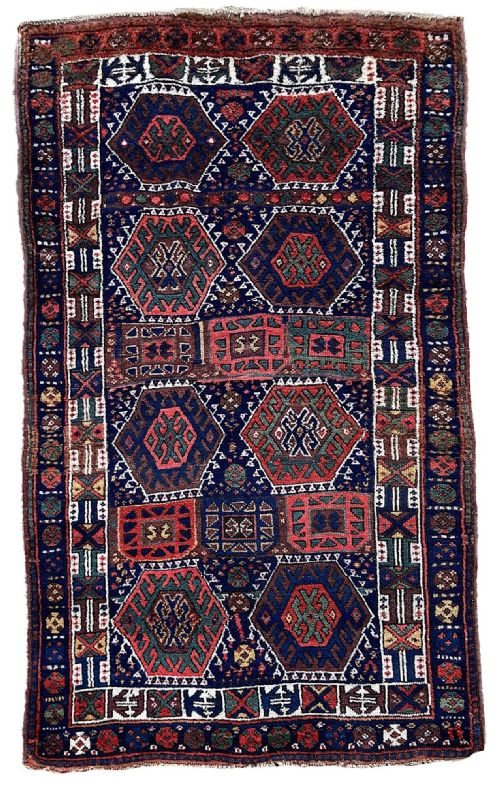
Village and nomadic pieces dominate the selection, showing distinctive geometric medallions, repetitive tribal guls, and pictorial motifs. Each rug reflects the particular weaving vocabulary of the workshop or tribe that created it, grounding the category in authentic regional traditions.
Materials and Construction
Weavers constructed these carpets using hand-spun wool and cotton, occasionally incorporating silk or camel hair for specific design elements or pile depth. Natural dyes provided the foundational palette, yielding rich tones that settled into harmonious patinas over decades of exposure and use.
The structure relies entirely on manual looping and knotting techniques executed on vertical or horizontal looms. Skilled hands tied symmetrical or asymmetrical knots onto warp and weft foundations, creating tight pile structures designed to withstand heavy foot traffic.
Listings feature textiles spanning from the mid-nineteenth century through the 1930s, utilising wool, cotton, silk, and camel hair.
Assessing Quality and Execution
Quality in these textiles depends heavily on the density of the weave and the precision of the knotting. Finer weaves allow for sharper definition within complex geometric guls and pictorial elements, distinguishing meticulous village or workshop production from looser utilitarian weaving.
The depth and saturation of the palette contribute significantly to a piece's visual impact. Natural dyes that have mellowed evenly across the wool create a vibrancy that inferior chemical dyes fail to replicate over time.
The Small Hand Woven Carpet Glossary
- Prayer rug
- A small carpet featuring a mihrab or arch design indicating the direction of Mecca, traditionally used for daily Islamic prayers.
- Gul
- A repeating medallion or octagonal motif characteristic of Turkmen and Central Asian tribal weaving traditions.
- Warp
- The vertical threads stretched on a loom that form the structural foundation upon which the knots are tied.
- Weft
- The horizontal threads passed alternately through the warps to bind the knots and secure the structure of the rug.
- Torba
- A small storage bag or trapping produced by nomadic tribes, often featuring detailed face designs and guls.
Small Hand Woven Carpet: Frequently Asked Questions
Where were these small carpets made?
The pieces originate from regions across Persia, Anatolia, the Caucasus, and Central Asia, reflecting distinct village and nomadic cultures.
Weavers in areas such as Baluchistan, the Caucasus, and the Turkish provinces utilised local materials and traditional motifs characteristic of their specific communities.
How do I style a small carpet at home?
These compact rugs work well in smaller rooms, entryways, or as bedside accents where their intricate patterns can be appreciated up close.
They also function effectively as wall hangings, protecting delicate textiles from floor wear while displaying tribal geometry and natural dyes as art.
What materials were used to make them?
Weavers relied primarily on hand-spun wool for the pile, supported by cotton or wool foundations.
Selected pieces incorporate silk highlights, camel hair, and rich natural dyes derived from plants and minerals to build the enduring palette.
How can I tell different tribal designs apart?
Tribal designs are distinguished by specific structural motifs, such as the repeated octagonal guls of Turkmen pieces or the geometric field patterns of Baluch and Afshar rugs.
Examining the border arrangements, colour combinations, and knotting structure provides further clues to the specific region of origin.