



Small Grandfather Clock
A small grandfather clock fits narrow hallways and low ceilings while housing precise mechanical timekeeping in compact floor-standing timber cases.
Small Grandfather Clock
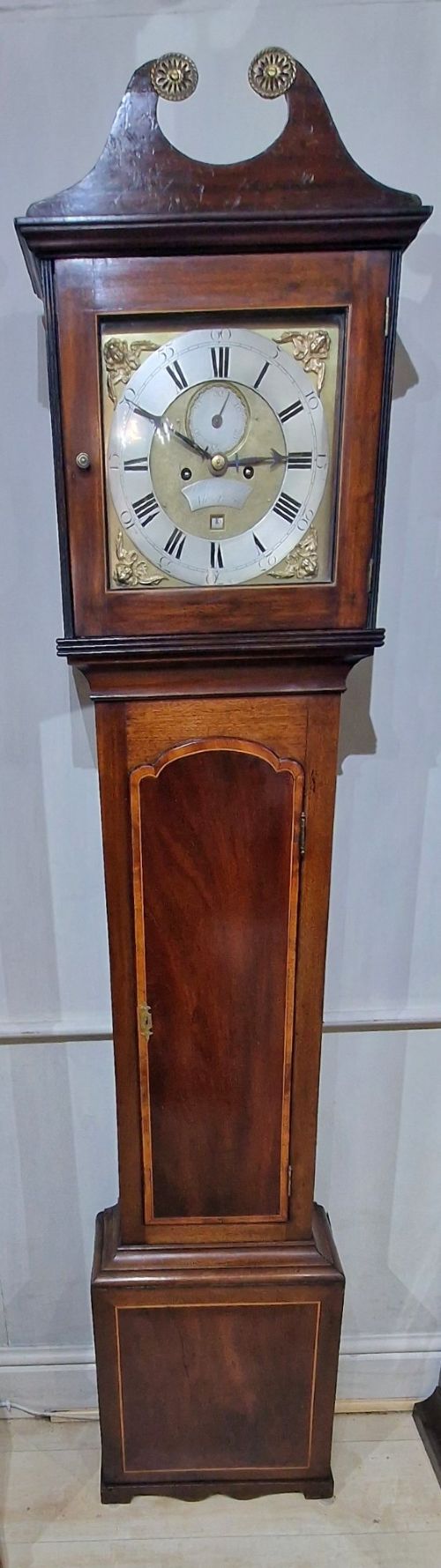
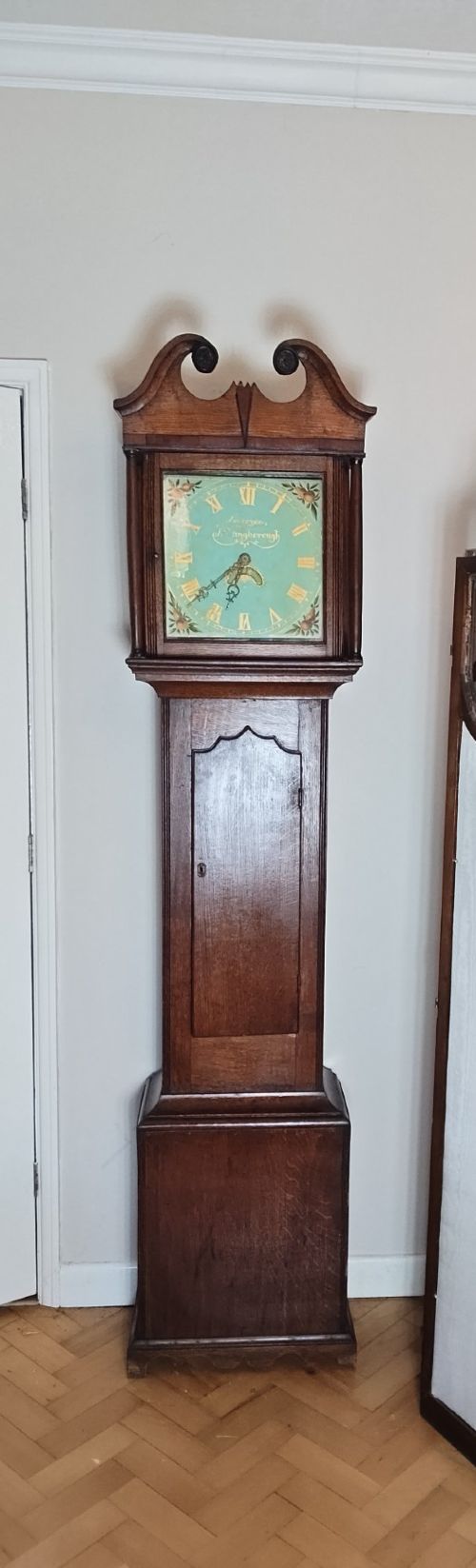
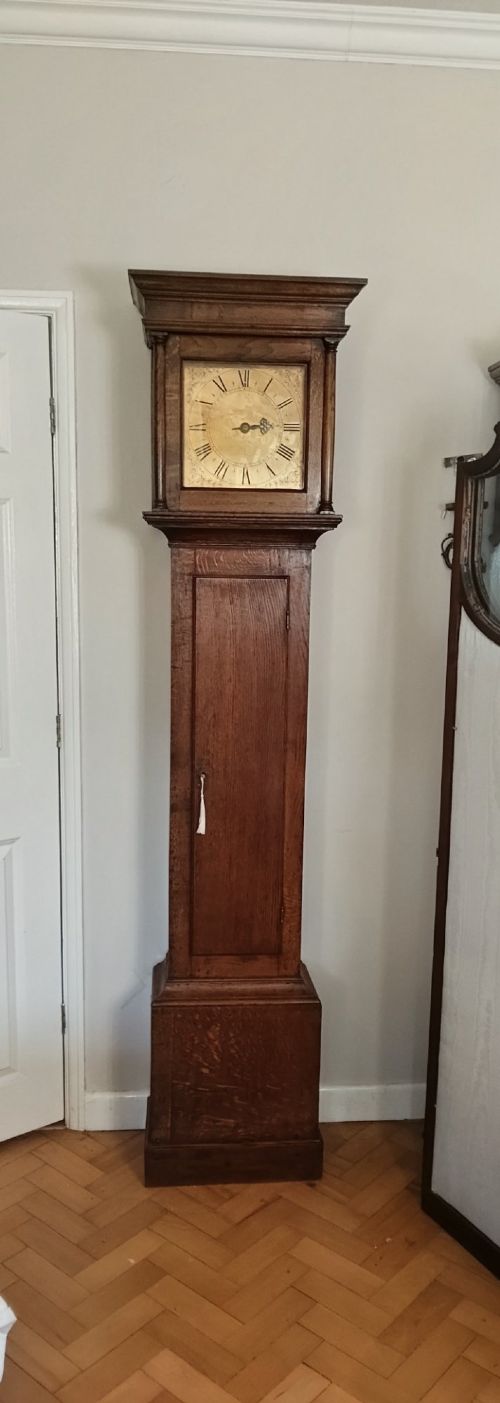
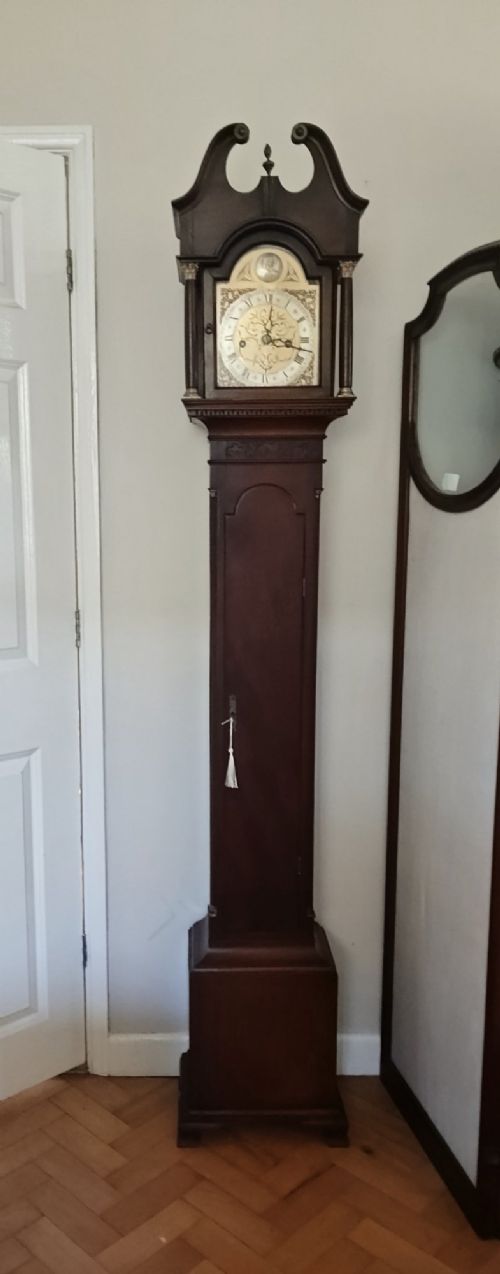
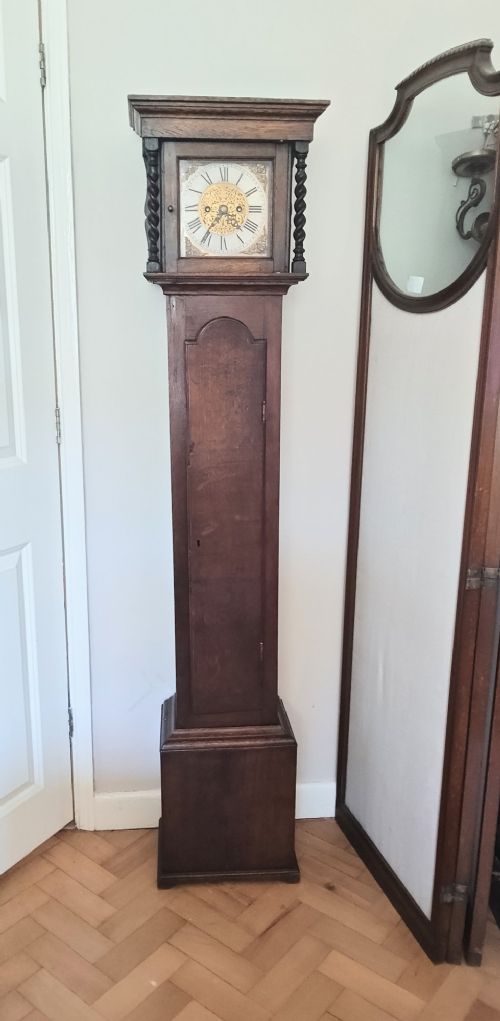
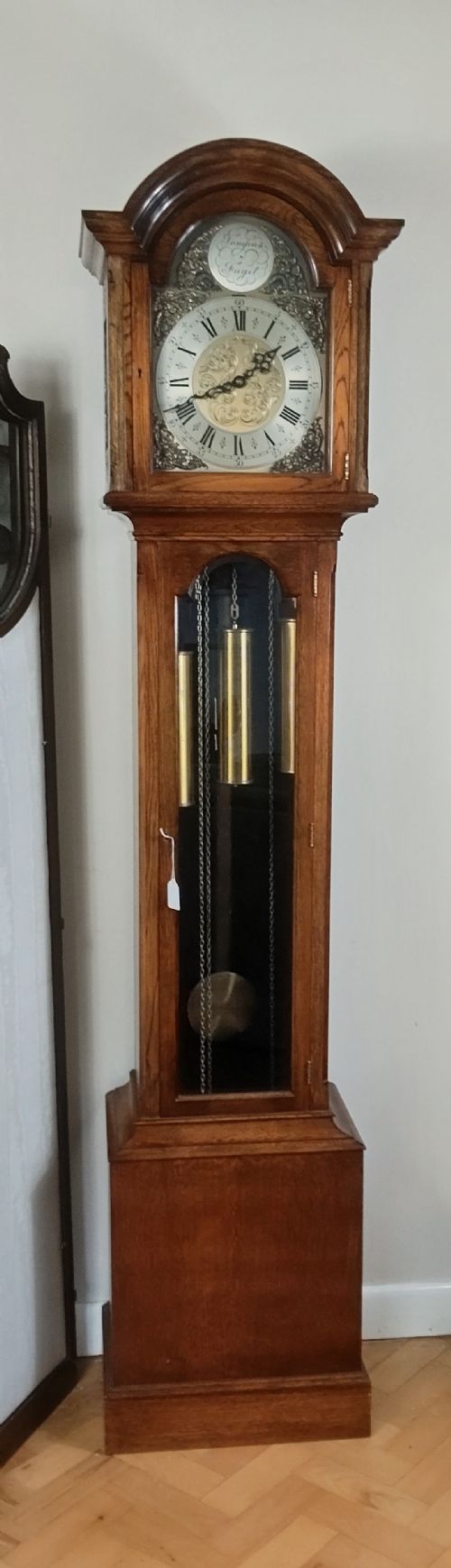
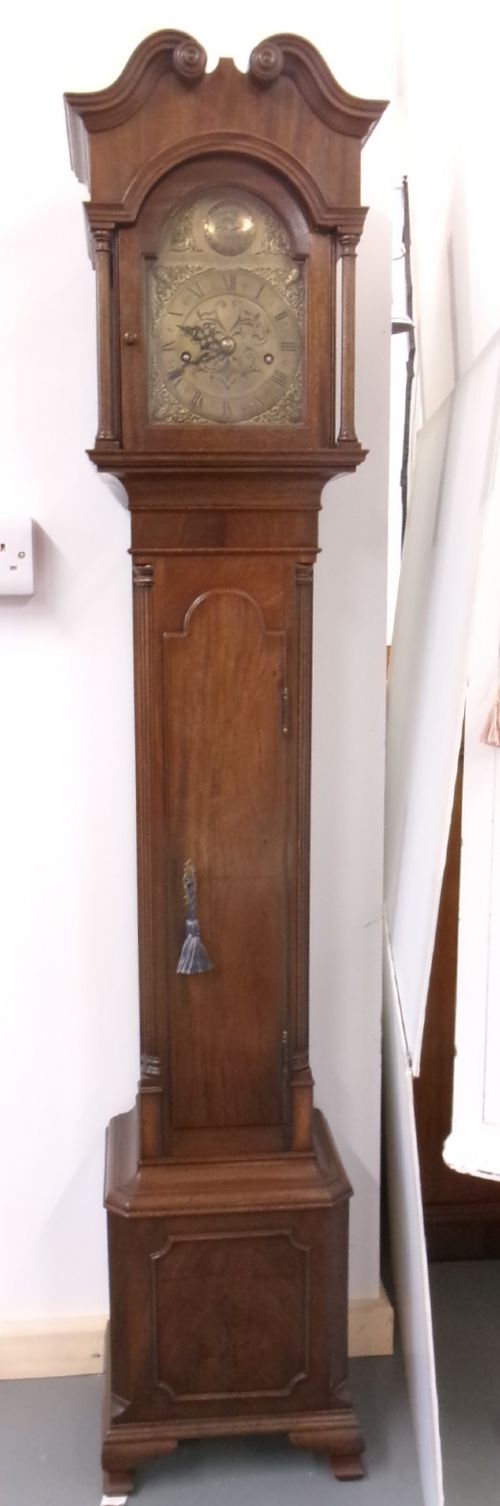
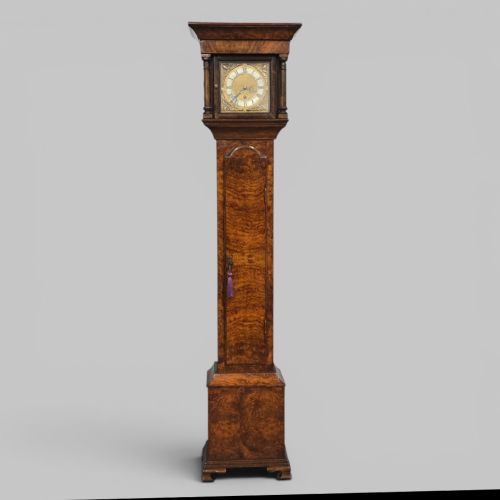
A small grandfather clock, often catalogued as a grandmother or miniature longcase clock, provides standard pendulum timekeeping within a reduced vertical footprint spanning the seventeenth century through the early twentieth century.
The specimens met on this page range from early Georgian oak examples with brass dials to Edwardian and later mahogany or burr walnut models equipped with quarter chiming and musical movements.
Makers housed these smaller movements in proportions suited to domestic rooms without the towering height of standard floor clocks.
Materials and construction
Cabinetmakers constructed the floor cases predominantly using native oak and mahogany, alongside decorative veneers of burr walnut, pine, and marquetry work.
Dials combine engraved brass work, painted iron faces, and glass panel doors that protect the brass and steel gear trains driven by weights or springs.
Small Grandfather Clock Retail Price Guide 2026
Typical asking prices for small grandfather clock among the pieces listed under this phrase on Sellingantiques today, from the lower quarter to the upper quarter. They describe what is for sale here now, not the wider market.
Some miniature floor clocks were built short enough to travel upstairs without dismantling the case.
Assessing the craftsmanship
Quality rests in the precision of the internal movement, from simple thirty-hour weight-driven trains up to complex triple-weight chiming and musical mechanisms.
Cabinetwork differentiates standard production from finer pieces through timber selection, such as figured flame mahogany or burr walnut, and the crisp execution of mouldings and dial engravings.
Nathaniel Pyne·William Noke·John Welsh·Dent of London·Hampston Prince and Cattles·Frederick Rowe
The Small Grandfather Clock Glossary
- Longcase clock
- The formal term for a weight-driven pendulum clock housed inside a tall wooden floor case. These instruments were developed in the seventeenth century following the invention of the pendulum.
- Grandmother clock
- A domestic term for a small longcase clock produced mainly during the early twentieth century. They stand shorter than traditional floor clocks while retaining full mechanical movements.
- Quarter chiming
- A mechanical capability that sounds a musical sequence every fifteen minutes using bells or gongs. This feature requires heavier multi-train weight or spring systems.
- Dial
- The face of the clock where hours and minutes are read. Earlier examples feature engraved brass chapters, while later versions utilise painted iron or brass plates.
Small Grandfather Clock: Frequently Asked Questions
How tall is a small grandfather clock?
These clocks generally measure below the standard height of traditional floor-standing timepieces, often sitting under seventy-five inches tall to fit standard domestic ceiling heights.
Their reduced proportions scale down the hood, trunk, and base while keeping the mechanical components fully functional.
Where should I place a small grandfather clock?
Position the case against an interior wall away from direct sunlight, heating vents, and damp exterior walls to protect the timber and internal steel movements.
Ensure the floor provides a level and stable surface so the pendulum swings evenly and keeps accurate time.
How do I tell an 18th-century clock from a 20th-century one?
Examine the timber construction methods, door glass, and dial design, as seventeenth and eighteenth-century pieces display hand-cut woods, square brass dials, and 30-hour or 8-day weight drives.
Twentieth-century grandmother clocks often incorporate spring-driven movements, quarter-chiming gongs, and lighter oak or mahogany veneers.
What maintenance do these clocks need?
Mechanical movements require periodic professional cleaning and oiling to prevent wear on the brass bushings and gear trains.
Wind the weights or springs gently according to whether the movement is designed for thirty hours, eight days, or multiple weeks.