
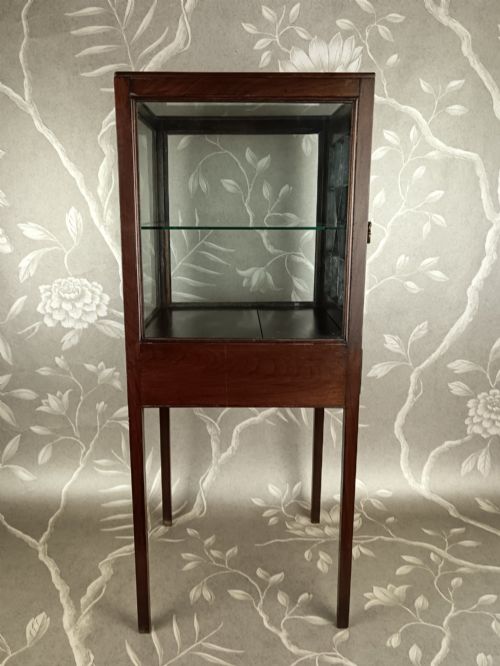
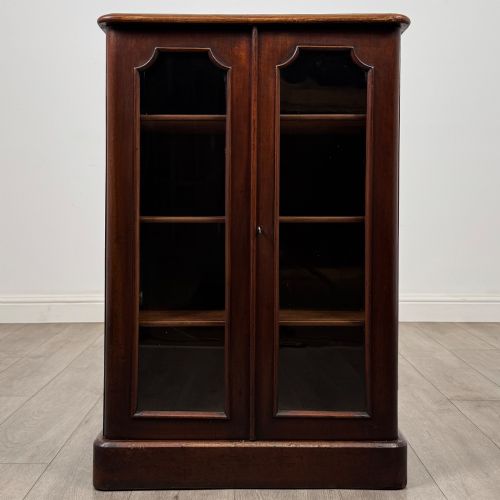
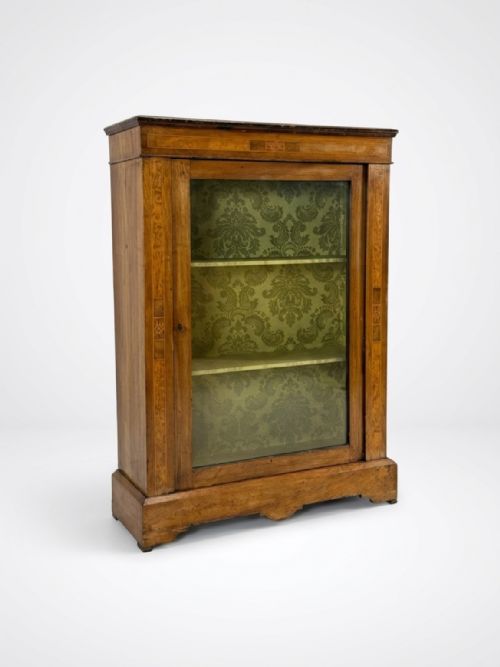
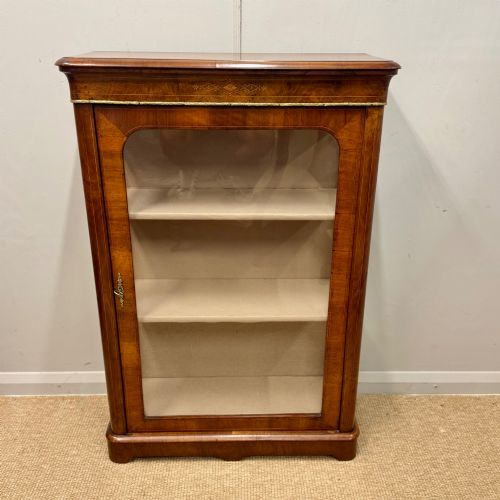

Small Glazed Display Case
A small glazed display case organises and protects treasured objects while putting them entirely on view.
Small Glazed Display Case
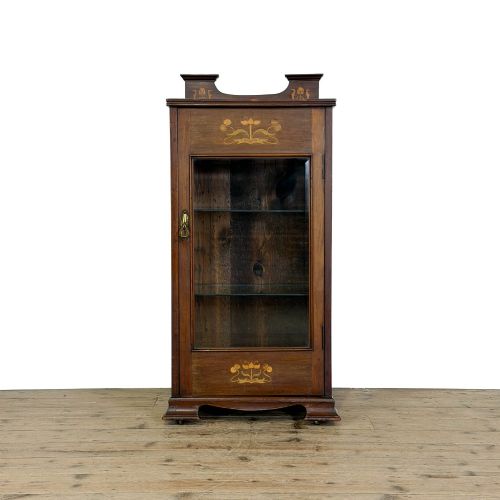
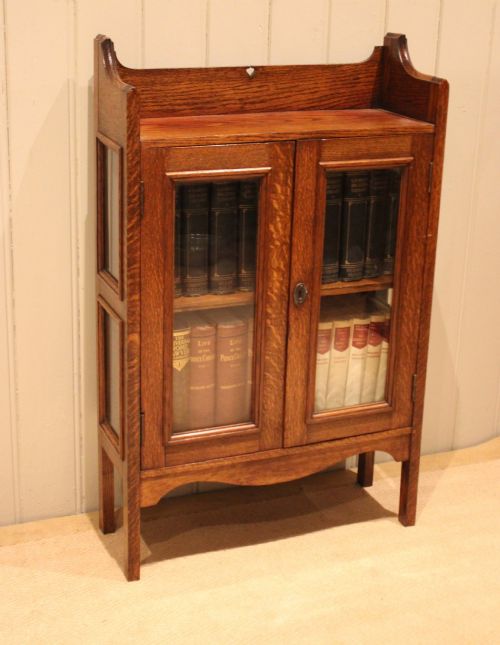
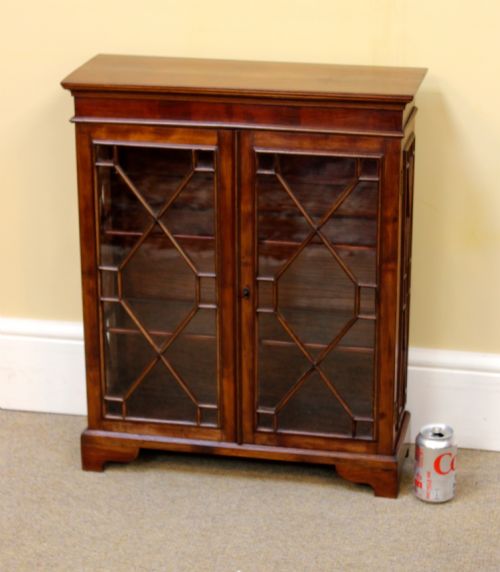
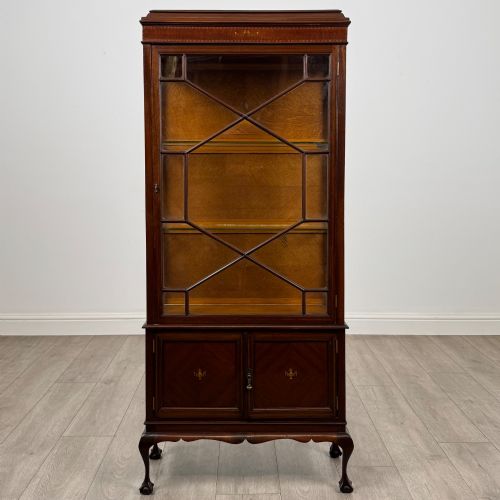
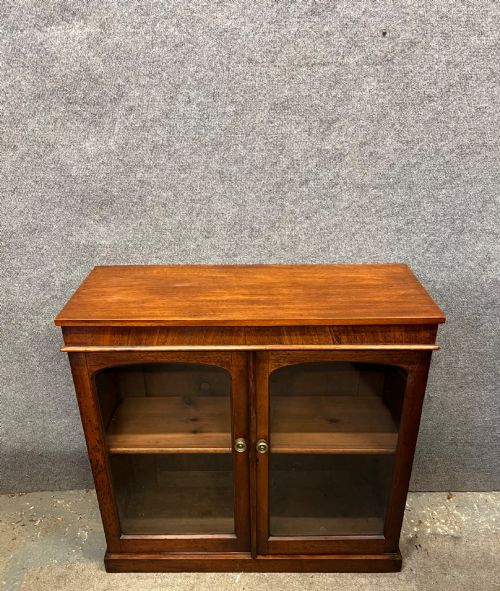
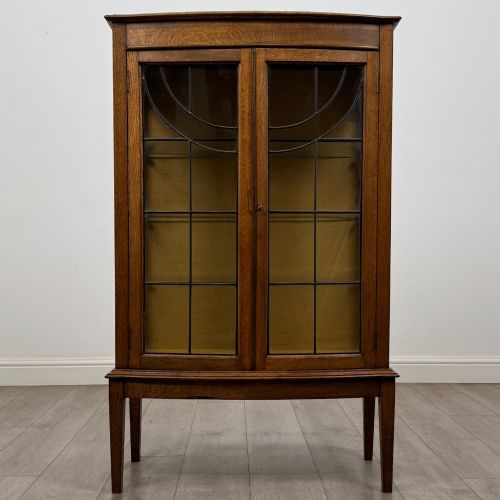
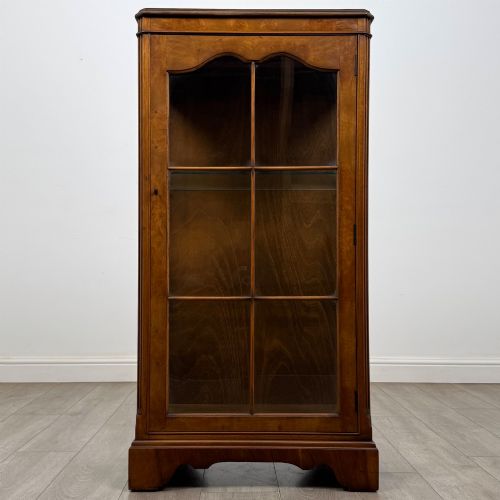
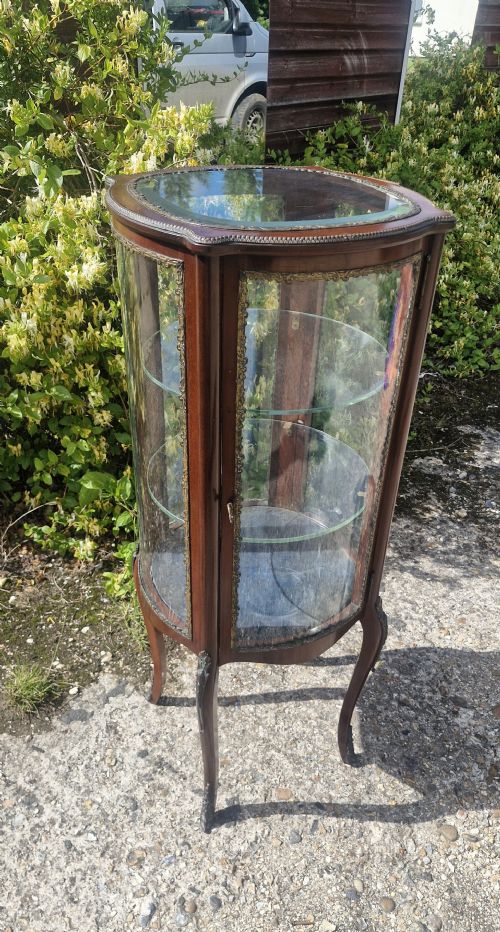
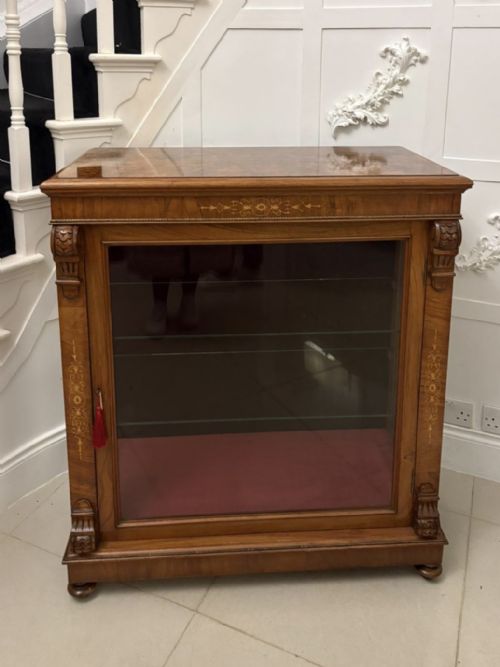
A small glazed display case brings together compact furniture designed specifically to exhibit small collections, curiosities and books behind glass. When searching this phrase, a buyer encounters a diverse group of forms spanning tabletop vitrines, countertop shop cabinets, miniature bookcases, pier cabinets and corner cupboards.
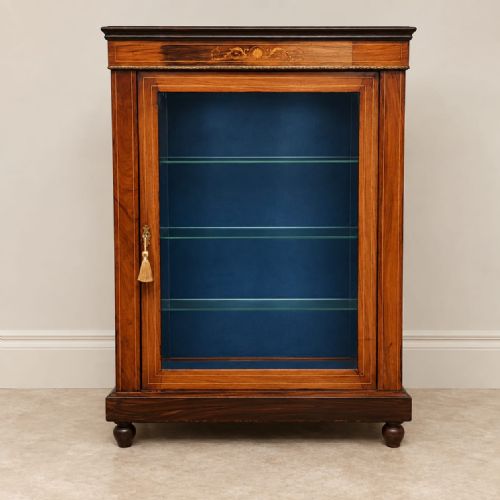
The pieces appearing on this page originate predominantly from the Victorian and Edwardian eras, alongside examples from the Georgian period, the nineteenth and twentieth centuries, and the 1920s and 1930s. Formats range from tall floor-standing pier cabinets and narrow wall cupboards down to bijouterie tables and low countertop shop fittings.
Makers and designers of these cabinets drew upon varied stylistic traditions, producing items shaped by Georgian, Victorian, Edwardian, Art Nouveau, Art Arts & Crafts, Art Deco, French Provincial and Cotswold School influences. Buyers are most likely to meet mahogany, walnut and oak versions fitted with glazed doors or lifting glass tops.
Materials and construction
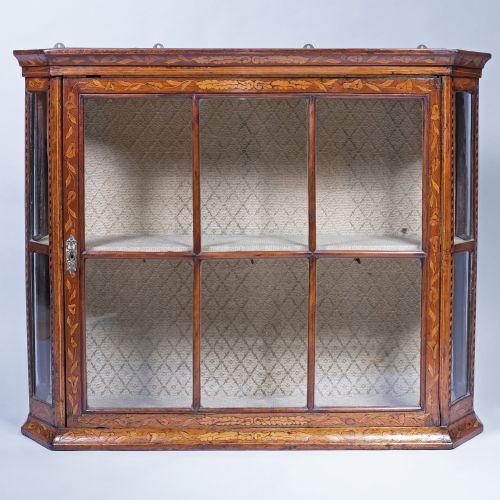
Cabinet makers relied primarily on timbers such as mahogany, walnut, burr walnut, satinwood and oak to form the sturdy structural carcasses of these small glazed display cases. Finer examples integrate decorative veneers, delicate marquetry inlay and contrasting stringing to accentuate the timber grain.
Glass panels are fitted into doors, sides and tabletops to maximise visibility, frequently supported by brass, gilt metal or ormolu mounts and hinges. Interiors often incorporate fabric linings such as velvet or satin, alongside adjustable wooden shelves designed to accommodate varied objects.
A nineteenth-century apothecary kept powders and potions orderly inside a glazed countertop display case.
Distinctions in quality
Quality rests heavily on the selection of timber and the precision of decorative embellishment, separating standard commercial containers from masterwork collector cabinets. Finer items employ highly figured burr walnut, rich satinwood or intricate marquetry rather than plain veneers.
The execution of brass or ormolu mounts, the smoothness of glazed doors and the integrity of internal fabric linings differentiate workshops. Superior construction shows in balanced proportions, tightly fitted joints and refined handling of period stylistic details.
EDWARDS and ROBERTS
The Small Glazed Display Case Glossary
- Vitrine
- A glass-sided display cabinet used for showcasing fine porcelain, curiosities or objects of art. These pieces typically feature extensive glazing to permit viewing from multiple angles.
- Pier cabinet
- A narrow cabinet designed specifically to stand against the wall space between windows. Victorian examples frequently incorporate glazed doors and velvet-lined interiors.
- Bijouterie table
- A low display table featuring a glass top and a shallow glazed compartment for jewellery and small ornaments. They often stand on slender legs with gilt metal mounts.
- Marquetry
- Decorative woodwork where pieces of veneer are fitted into a ground to form intricate patterns. This technique frequently appears on late nineteenth-century satinwood and mahogany pieces.
- Ormolu
- Gilded bronze mounts applied to furniture for decorative effect. They are typically found on refined Edwardian and nineteenth-century display cases.
Small Glazed Display Case: Frequently Asked Questions
How were countertop display cases used?
Countertop display cases originally stood in shops and apothecaries to merchandise small goods to customers. The glass construction allowed buyers to inspect merchandise closely while keeping it secure.
Today, these countertop forms are repurposed in homes to display smaller collections on sideboards and tables.
How do I date a display cabinet?
Dating a cabinet involves looking at the primary timber, construction methods and stylistic motifs. Victorian and Edwardian pieces often display distinct characteristics like burr walnut veneers or brass mounts.
Cabinet architecture shifts across periods, moving from Georgian proportions through to Arts and Crafts simplicity and 1920s ebonised finishes.
Where should I place a pier cabinet?
A pier cabinet fits neatly into narrow wall spaces or corners due to its slender proportions. They suit living rooms and studies where floor space is limited.
Their glazed doors and velvet-lined shelves allow books and ceramics to catch the light effectively.