
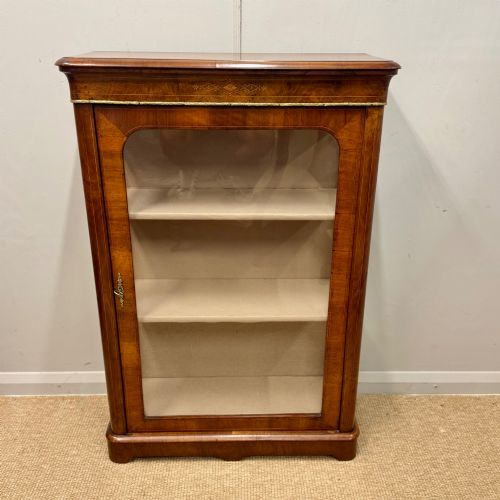
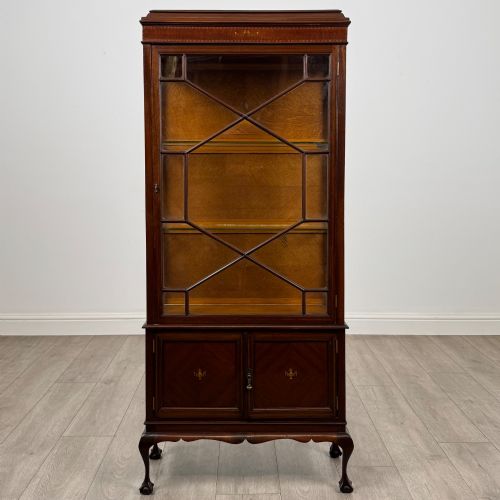
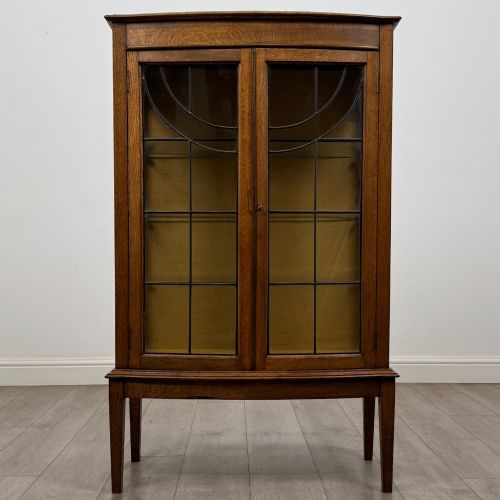
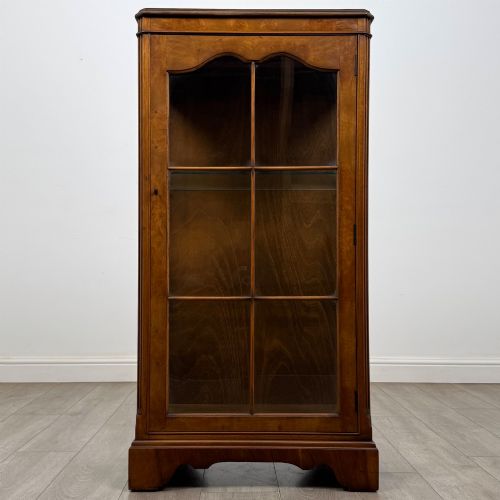


Small Glass Display Case
A small glass display case puts treasured objects in clear view while keeping dust at bay.
Small Glass Display Case
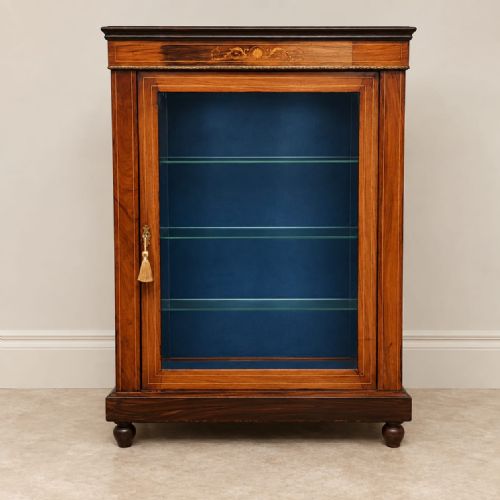
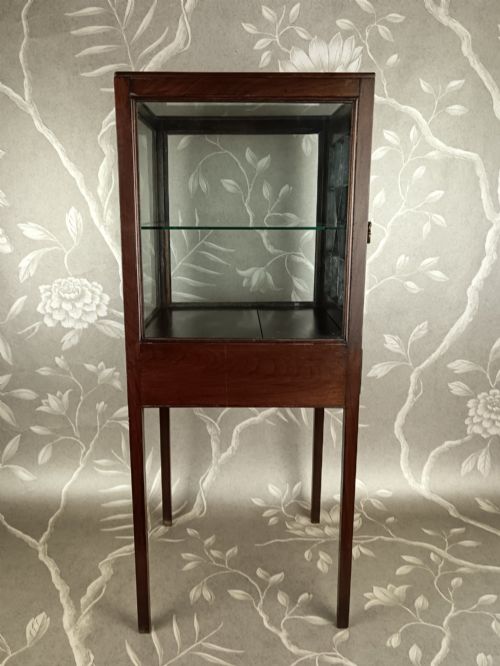
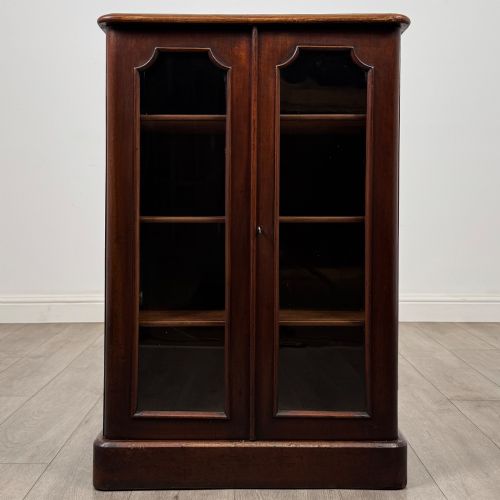
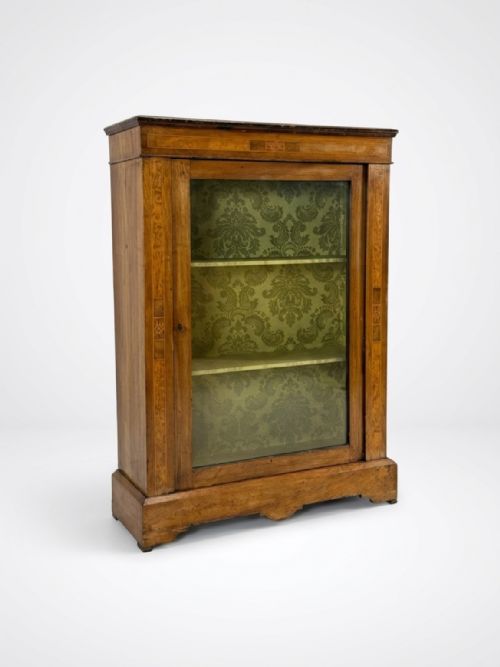
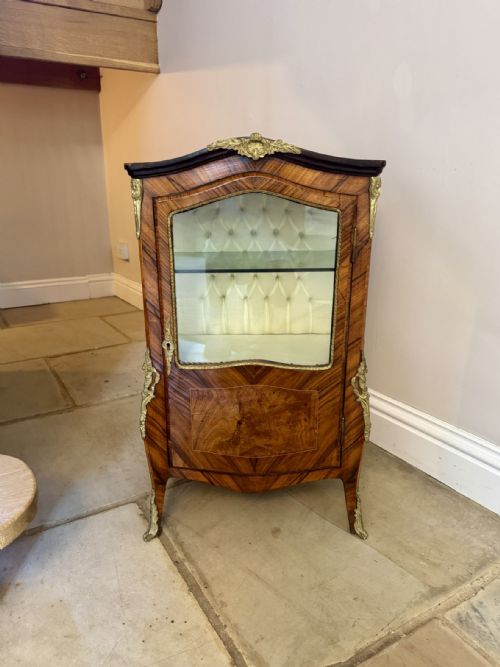
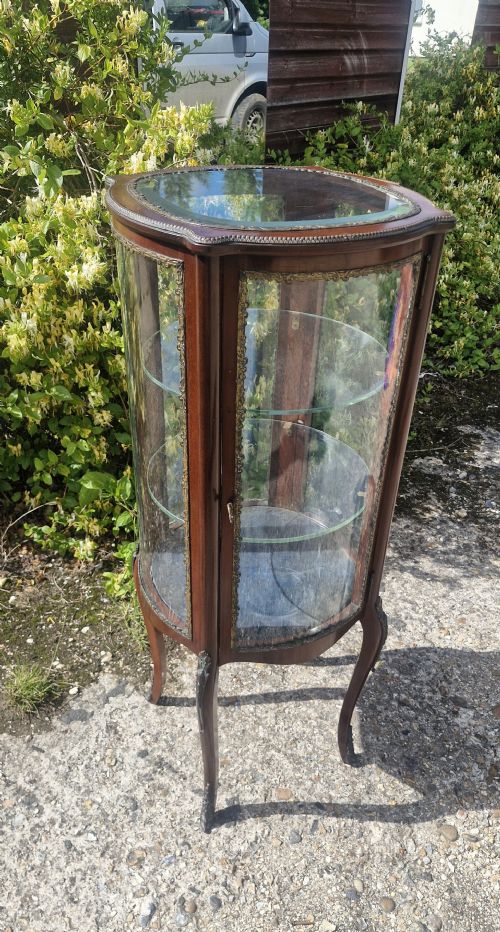
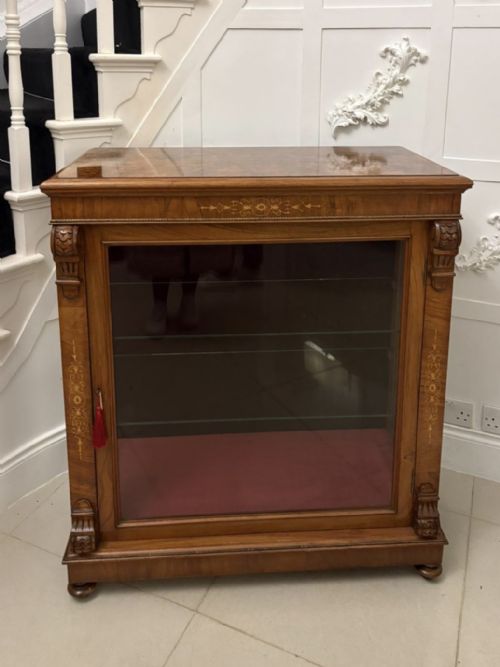
A small glass display case is a versatile enclosure designed to showcase valuables, curiosities, or collections on tabletops, counters, or floors. You meet these pieces most frequently in Edwardian and Victorian forms, spanning upright pier cabinets, tabletop vitrines, and countertop shop cases.
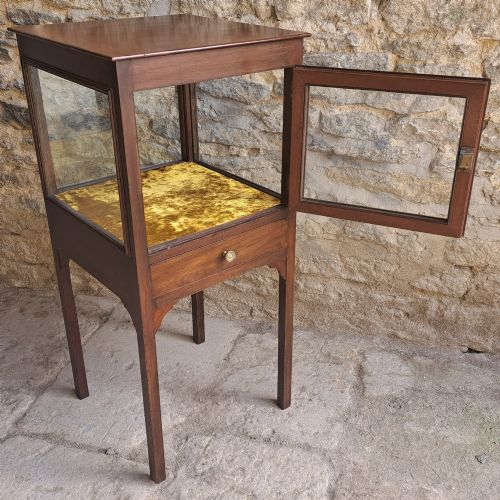
Makers fashioned these enclosures in timber frameworks of mahogany, walnut, and oak, often fitted with glazed doors or curved viewing panes. Interiors frequently feature fabric linings such as velvet to provide a contrasting backdrop for displayed items.
Domestic and commercial spaces utilised these cabinets throughout the nineteenth and twentieth centuries. Domestic examples suited drawing rooms and parlours, whilst countertop variants served trade purposes in shops and apothecary settings.
Materials and construction
Cabinet makers constructed the primary framework using solid and veneered timbers including mahogany, walnut, oak, and kingwood. Glazing forms the dominant surface area, utilising flat panes or curved glass segments set tightly into rebated wooden channels.
Metal mounts in brass and ormolu strengthen corners, frame glass panels, and provide decorative accents on finer pieces. Interior surfaces frequently receive a textile treatment, using velvet or other fabrics stretched across wooden bases to cushion displayed objects.
Joinery techniques balance structural strength with slender sightlines to maximise light transmission through the glass. Countertop and table models incorporate hinged lids or lockable doors to secure contents during daily use.
Countertop and table formats appear alongside tall pier cabinets and corner display units.
Markers of quality
The standard of timber selection distinguishes finer examples from utilitarian ones. Cabinet makers who employed burr walnut, figured mahogany, or delicate marquetry inlay created pieces intended for refined domestic interiors rather than commercial trade.
Hardware integrity separates workshops. Substantial cast ormolu mounts, well-fitted brass hinges, and original working locks indicate careful assembly and higher workshop investment during production.
Glass selection influences visual clarity. Older cylinder or crown glass panels exhibit subtle surface ripples and variations, whereas uniform machine-drawn panes indicate later replacements or newer manufacture.
The Small Glass Display Case Glossary
- Vitrine
- A glass-fronted cabinet or display case designed specifically for showing fine porcelain, curiosities, or small objects. The term derives from the French word for glass.
- Bijouterie table
- A low display table featuring a glazed top and shallow compartment intended for jewellery, medals, and small trinkets. These pieces often stand on slender legs.
- Pier cabinet
- A tall, narrow cabinet designed to fit against the wall space between windows. Victorian examples frequently incorporate glazed doors and internal shelving.
- Ormolu
- Gilt bronze mounted onto furniture as a decorative trim. Makers cast and chased these metal elements before applying them to cabinet corners and friezes.
- Inlay
- A technique where contrasting woods or other materials are inserted into recessed cavities on the furniture surface to create decorative patterns.
Small Glass Display Case: Frequently Asked Questions
What fits inside a small glass display case?
These cases suit smaller collectibles, pocket watches, porcelain figures, and natural history specimens.
Tabletop and countertop versions keep delicate items visible yet secure from handling in busy rooms.
How do I clean the glass safely?
Use a soft lint-free cloth and mild glass cleaner applied to the cloth rather than directly onto the wood or metal frame.
Avoid letting moisture seep into wooden joints or fabric linings during cleaning.
Were these cases used in shops?
Many oak and ebonized examples served as countertop display cases in pharmacies and retail stores.
Commercial variants prioritised sturdy construction and easy access for shop assistants over decorative inlay.
How do I date a display cabinet?
Examine the timber species, construction joints, and hardware style to establish the period of manufacture.
Edwardian pieces often feature lighter mahogany and satinwood inlay, while Victorian examples lean toward heavy walnut and brass mounts.