




Gilt Brass Display Case
A gilt brass display case holds precious objects safely behind glass while framing them in shining metal.
Gilt Brass Display Case
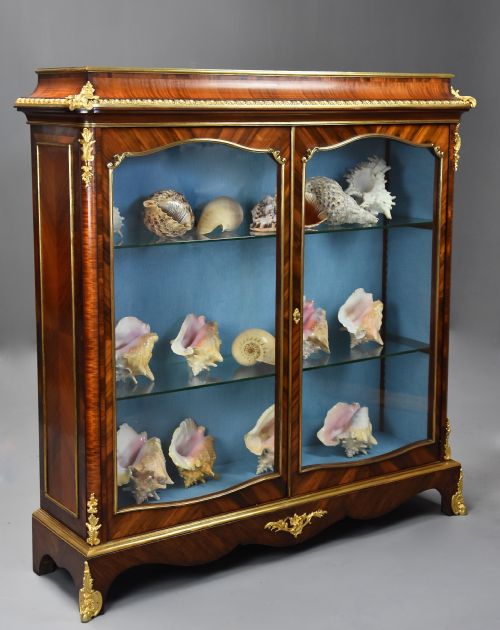
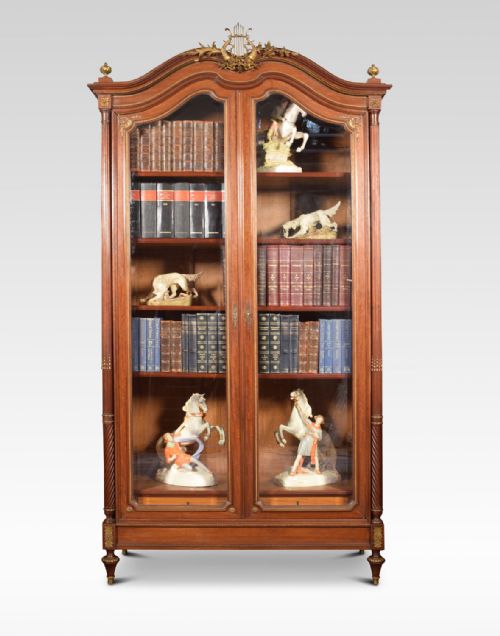
When you search for a gilt brass display case, you find nineteenth-century French and Victorian cabinets designed to showcase small treasures. These pieces combine glazed panels with polished metal mounts to catch the light in a room.
You are most likely to meet French revival designs from the middle and late nineteenth century on this page. These examples often feature rich timbers like mahogany and kingwood alongside ornate metalwork.
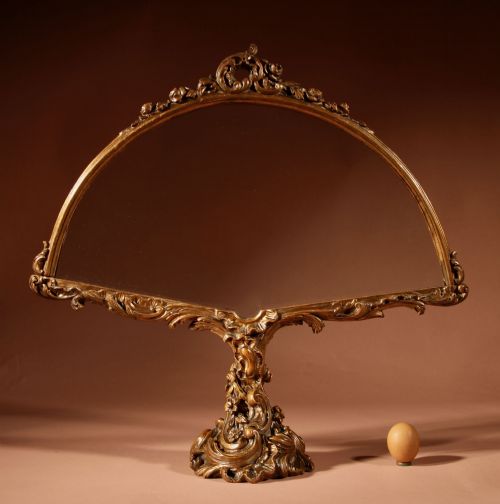
The forms range from compact tabletop display stands to tall floor-standing vitrines and pier cabinets. Each version serves the collector who wishes to protect delicate items while keeping them visible.
How they were made
Cabinetmakers built the structural carcases using dense timbers such as mahogany and kingwood, frequently applying polished veneers to the exterior surfaces. Glass panels were then fitted securely into doors and sides to enclose the interior space.
Ornaments of ormolu, gilt bronze, and gilt brass were cast and chased before being mounted onto the wooden frames. Interiors were often lined with velvet to provide a soft background for displayed objects.
Gilt Brass Display Case Retail Price Guide 2026
Typical asking prices for gilt brass display case among the pieces listed under this phrase on Sellingantiques today, from the lower quarter to the upper quarter. They describe what is for sale here now, not the wider market.
Listings feature pieces spanning the nineteenth century, utilising mahogany, kingwood, glass, and gilt brass across French revival styles.
What varies in quality
The refinement of the cast metal mounts distinguishes the finest examples from standard production pieces. Crisp chasing and heavy gilding on the brass and ormolu demonstrate superior workshop skill.
Timber selection and cabinet construction also dictate the tier of a piece. Dense, figured hardwoods and finely fitted glass doors indicate higher standards of nineteenth-century craftsmanship.
The Gilt Brass Display Case Glossary
- Vitrine
- A glass-fronted cabinet designed for displaying fine objects and porcelain. These pieces protect delicate items from dust while offering an unobstructed view.
- Ormolu
- Finely ground high-carat gold mercury-gilded onto a bronze base. This technique creates a rich, durable golden finish on decorative mounts.
- Kingwood
- A dense, heavily figured Brazilian timber featuring dark brown and violet stripes. Cabinetmakers prized it for luxurious nineteenth-century veneer work.
- Bijouterie
- A small display case or table made specifically for jewellery and small trinkets. The glazed compartment sits at a convenient height for close inspection.
Gilt Brass Display Case: Frequently Asked Questions
What fits inside a display case?
These cabinets suit small collectables, porcelain figures, medals, and fine glass. The enclosed space keeps delicate objects safe from handling and everyday dust.
Velvet linings often provide a contrasting background that makes small items stand out clearly. Collectors use them to arrange curated groups of valuable curiosities.
Where should I place a vitrine?
A vitrine belongs in a drawing room, study, or hallway where natural light can strike the metal mounts. Position the cabinet away from direct sunlight to protect interior fabrics and sensitive objects.
Ensure the floor is level so the glazed doors hang true and swing without binding. Adequate room around the piece allows for comfortable viewing of the contents.
How do I date these cabinets?
Dating relies on timber choices, construction methods, and stylistic revival cues. Nineteenth-century pieces frequently combine French Rococo or Louis XV revival motifs with machine-sawn framing timbers.
Metal mount casting quality and the type of glass also offer clues to the decade of manufacture. Comparing the decorative hardware to documented pieces helps narrow the period.
How do I care for the metal mounts?
Gilt brass and ormolu require gentle dusting with a soft, dry brush to prevent dirt buildup. Avoid abrasive cleaning pastes or harsh metal polishes that strip away the original gold surface.
Handling the mounts as little as possible preserves the delicate gilding over time. Regular stable humidity in the room prevents the timber underneath from shifting and straining the metal attachments.