



Small French Drawers
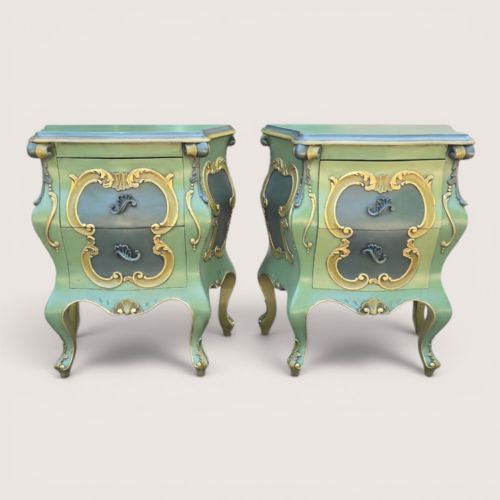
Small french drawers bring compact continental elegance and clever storage to compact interiors through serpentine commodes, bedside tables, and miniature chests.
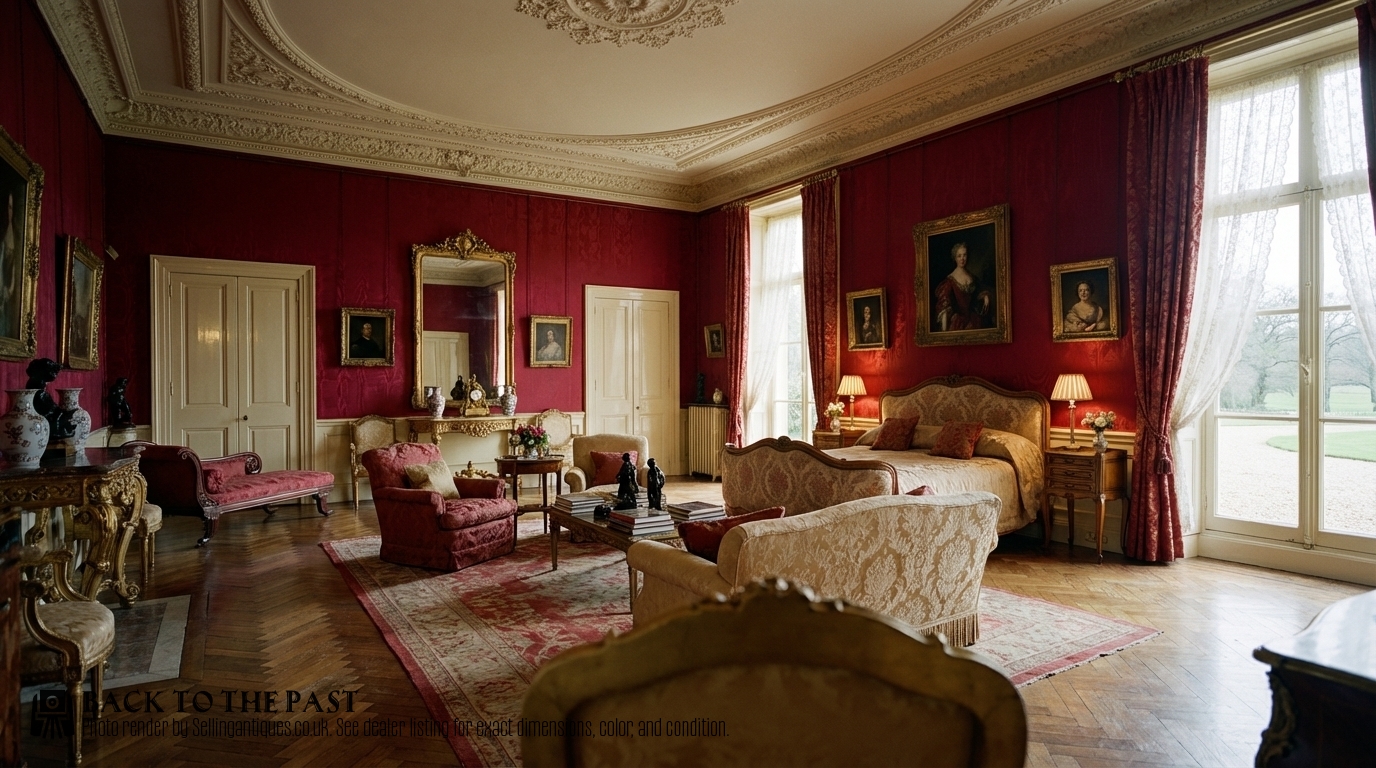
Small French Drawers
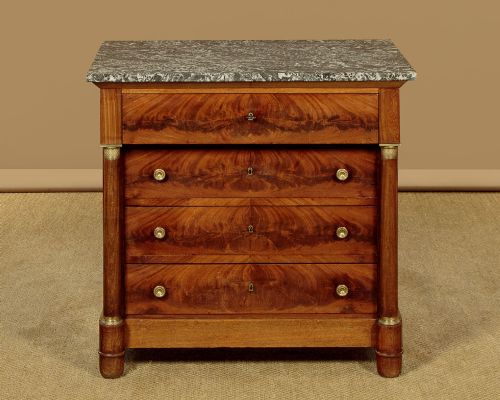
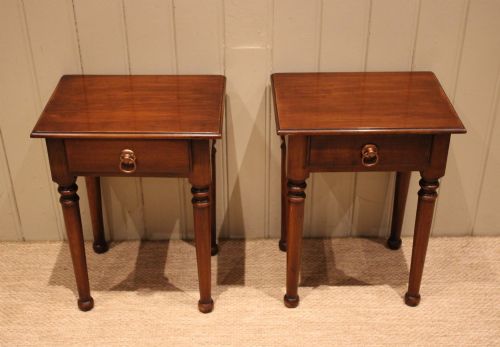
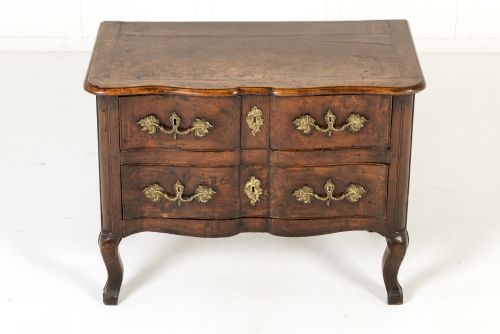
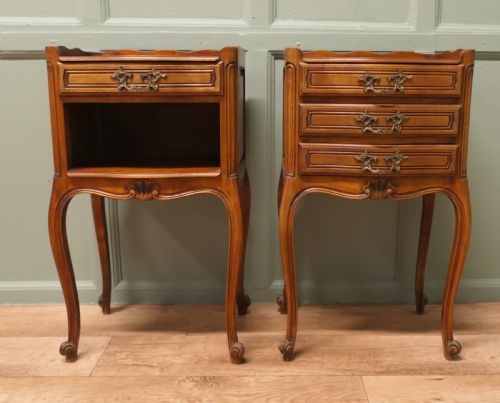
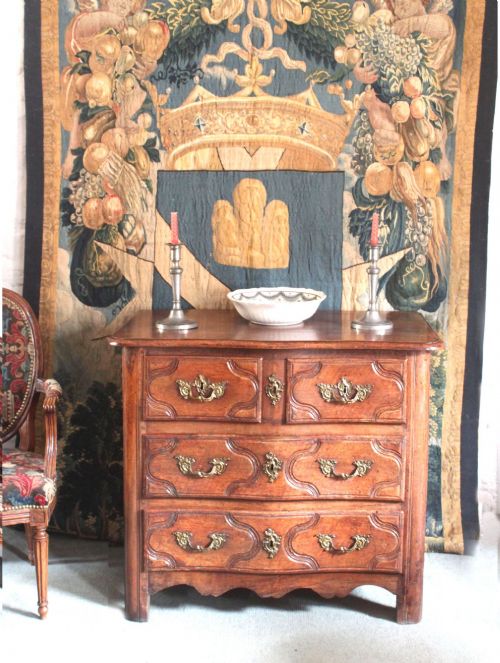
Small french drawers encompass a diverse array of compact furniture designed for utility and display, primarily taking the form of bedside tables, commodes, and occasional desks. When searching for small french drawers, collectors commonly encounter pieces originating from the nineteenth and early twentieth centuries, alongside provincial examples dating back to the eighteenth century.
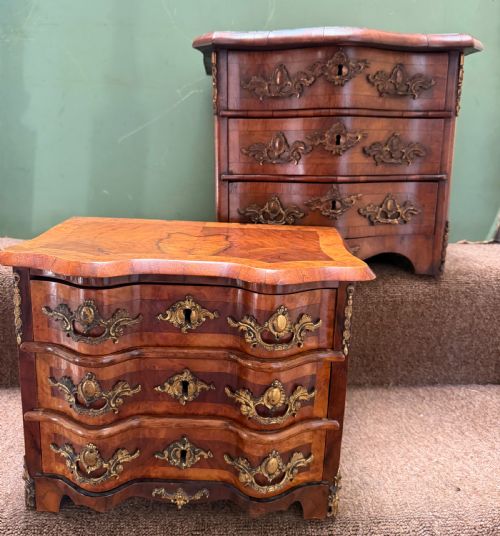
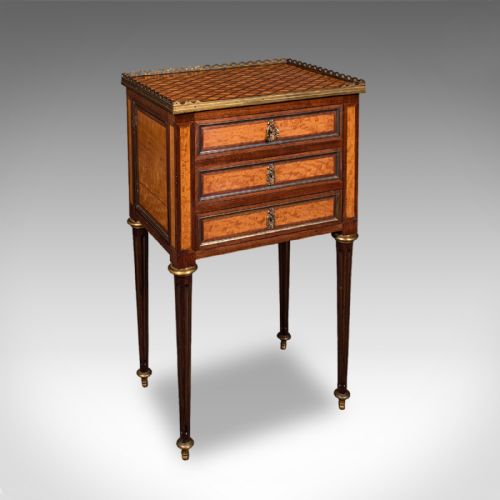
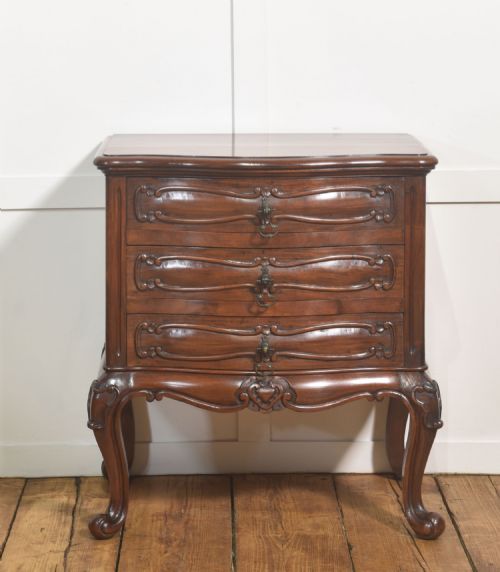
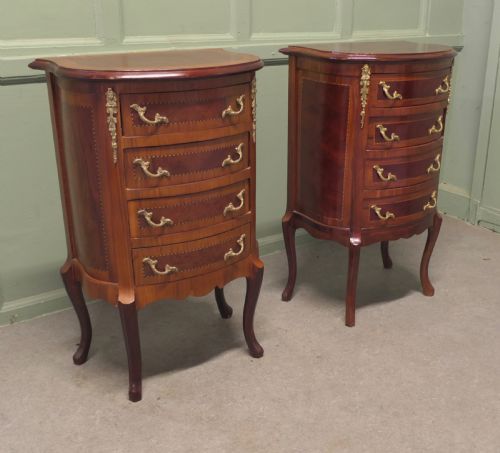
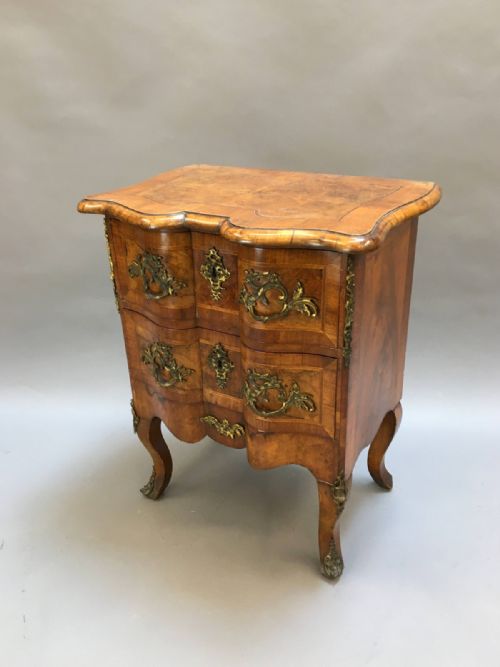
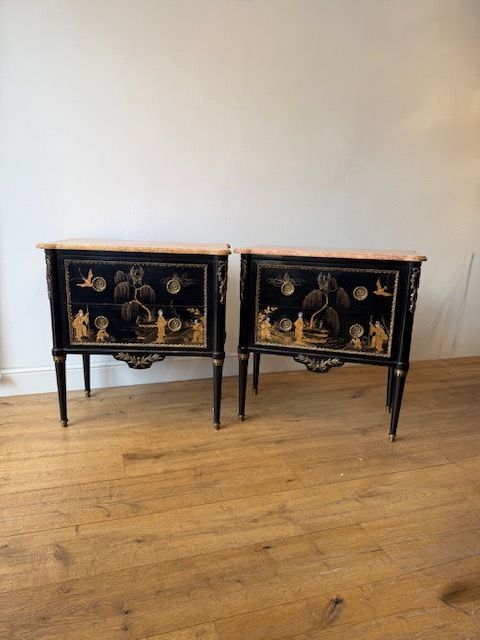
The inventory on this page ranges from modest walnut nightstands and cherry side tables to elaborate marble-topped commodes and marquetry cabinets. Forms frequently include bombe silhouettes, bow fronts, and miniature apprentice pieces that replicate full-scale case furniture in miniature proportions.
How they were made
Cabinetmakers utilised a rich palette of timbers, pairing structural woods like oak, pine, and fruitwood with decorativeveneers such as kingwood, walnut, satinwood, and mahogany. Marquetry and parquetry techniques introduced intricate geometric or floral patterns across drawer fronts and tabletops.
Many examples are finished with polished marble tops, often matching serpentine or bombe contours, while mounts and handles cast in brass and ormolu accentuate the structural lines of Louis XV and Louis XVI revival pieces.
Small French Drawers Retail Price Guide 2026
Typical asking prices for small french drawers among the pieces listed under this phrase on Sellingantiques today, from the lower quarter to the upper quarter. They describe what is for sale here now, not the wider market.
Apprentice chests were tiny masterworks created by hopeful joiners proving their skill to the guild.
What varies in quality
The distinction between standard and exceptional pieces rests upon the precision of the cabinetwork, particularly in the execution of curved drawer fronts and the alignment of delicate veneer patterns. Superior examples display crisp hand-cut dovetailing in the drawer construction and well-proportioned mounts that integrate seamlessly with the timber.
The choice of materials also dictates standing, with finely figured burr walnut, quartered mahogany, and genuine marble slabs elevating a piece above simpler painted or fruitwood variants.
The Small French Drawers Glossary
- Commode
- A low chest of drawers or cabinet, typically dating from the eighteenth or nineteenth century. These pieces often feature decorative marble tops and ornate brass mounts.
- Bombe
- A swelling, outward-curving contour found on the sides and fronts of case furniture. This undulating profile requires advanced woodworking skill to execute properly.
- Marquetry
- The art of applying decorative pieces of veneer to a structure to form intricate designs or pictures. Craftsmen utilise contrasting timbers to achieve tonal depth.
- Ormolu
- Gilt bronze ornamentation applied to the mounts, handles, and feet of fine furniture. This technique flourished during the eighteenth-century French periods.
- Parquetry
- A geometric mosaic of wood pieces used for decorative floors and cabinet surfaces. It creates sharp, repeating patterns across tabletops and drawer faces.
Small French Drawers: Frequently Asked Questions
Where should I place a small commode?
These compact pieces fit easily into hallways, tight bedrooms, or living spaces as side tables.
Their shallow depth allows them to provide surface area and storage without crowding a room.
How do I clean a marble top?
Wipe the surface gently with a soft damp cloth using mild, neutral soap.
Avoid acidic cleaners or harsh chemicals that can etch or dull the polished stone finish.
Are these drawers suitable for daily use?
Most antique bedside tables and small chests remain sturdy enough for normal everyday storage.
Drawer mechanisms on older pieces benefit from gentle handling and occasional waxing of the runners.
How can I date a piece?
Examine the timber construction, drawer dovetailing, and overall style relative to documented periods.
Revival pieces from the late nineteenth century often emulate eighteenth-century models through machine-assisted precision.