
Small Drop Leaf Side Table
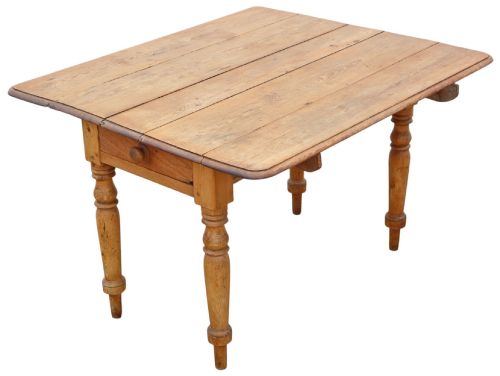
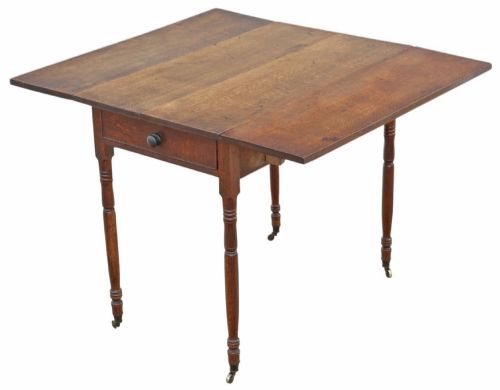
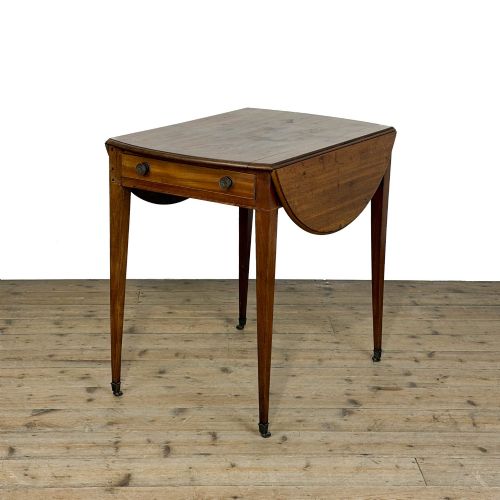
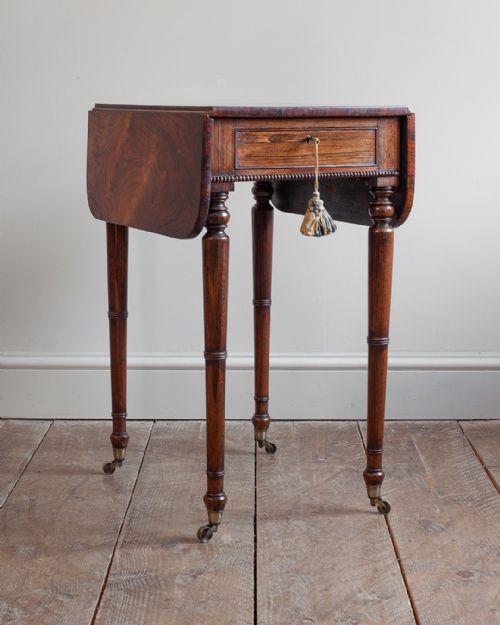
A small drop leaf side table offers practical versatility, folding down when space is tight and opening when surface area is needed.
Small Drop Leaf Side Table
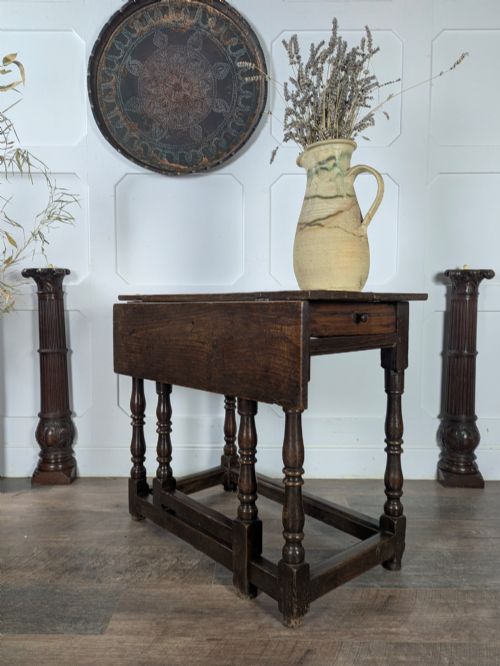
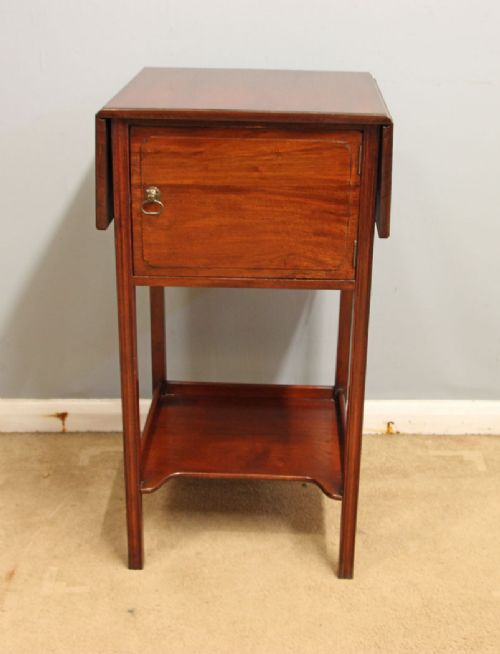
A small drop leaf side table is a versatile surface designed to save space by folding down its hinged flaps when not in use. When you search for this phrase, you encounter pieces that function as lamp tables, bedside stands, and compact occasional furniture.
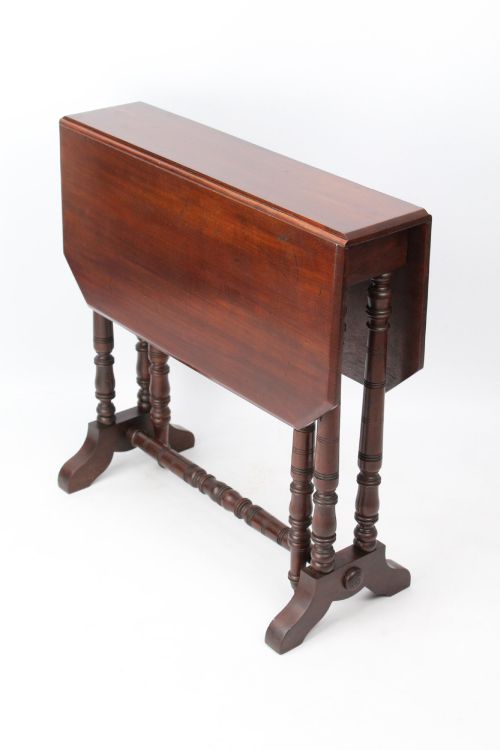
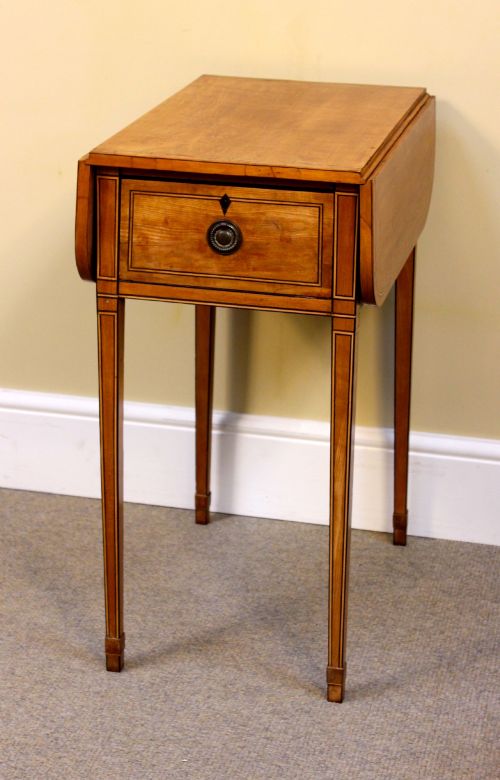
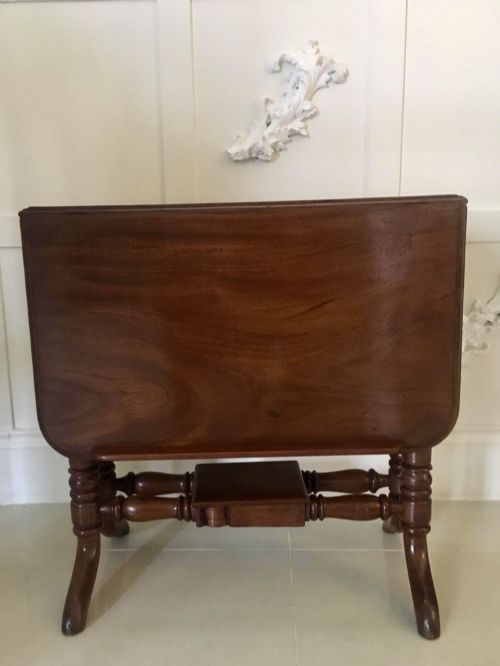
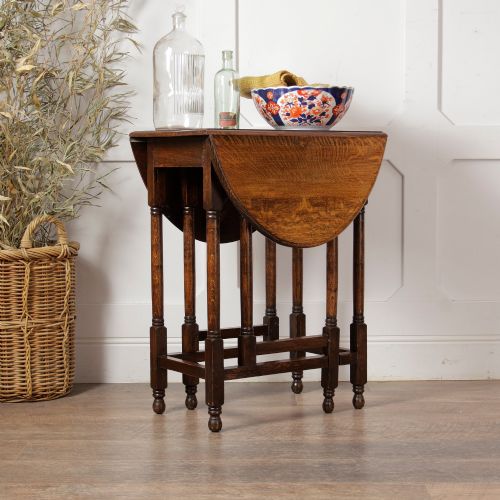
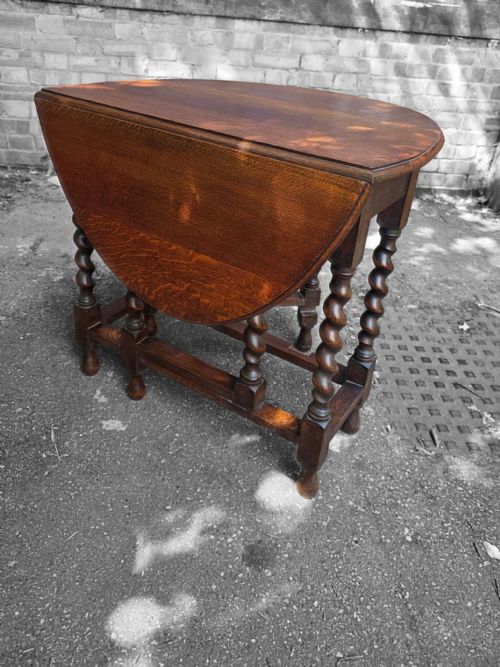
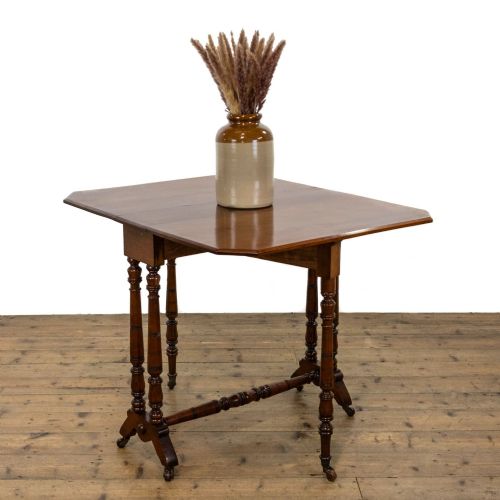
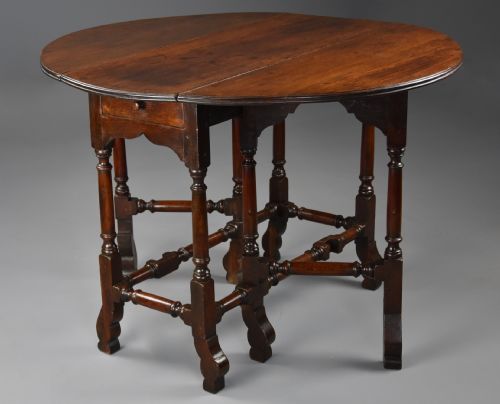
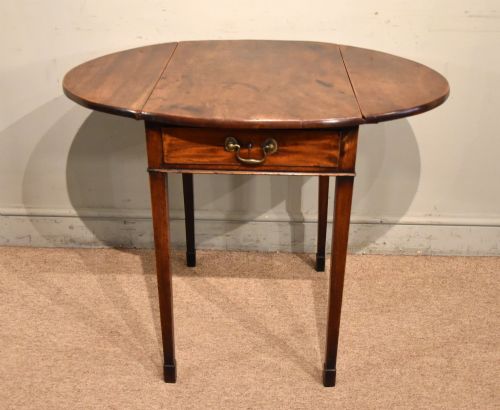
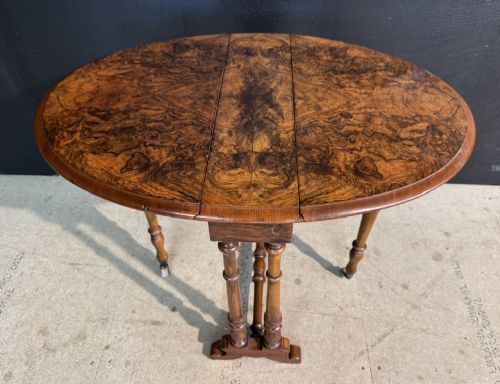
The selections span multiple periods, from late seventeenth-century oak pieces to Victorian walnut and Edwardian mahogany examples. Common forms include gateleg tables, Sutherland tables with narrow folding leaves, Pembroke tables with drawers, and spider leg designs.
How they were made
Cabinet makers built these tables using solid timbers and selected veneers, predominantly employing mahogany, oak, and walnut, alongside occasional satinwood, pine, and rosewood. Structural elements often incorporate turned legs, including barley twist, bobbin turned, and bamboo-turned styles.
Hinges and drop flaps require precise joinery to ensure the folding leaves meet the main table top cleanly. Many examples incorporate supporting swing legs, gates, or pivoted wooden brackets to hold the drop leaves steady when raised.
Small Drop Leaf Side Table Retail Price Guide 2026
Typical asking prices for small drop leaf side table among the pieces listed under this phrase on Sellingantiques today, from the lower quarter to the upper quarter. They describe what is for sale here now, not the wider market.
Listings feature small drop leaf side tables spanning the seventeenth century through to the Edwardian period, utilising oak, mahogany, walnut, and satinwood.
What varies in quality
The choice of timber grain and figure dictates much of the visual appeal, with highly figured burr walnut or rich red walnut elevating a piece above plain varieties. The crispness of turned leg details and the survival of an original patinated surface also separate standard workshop items from exceptional examples.
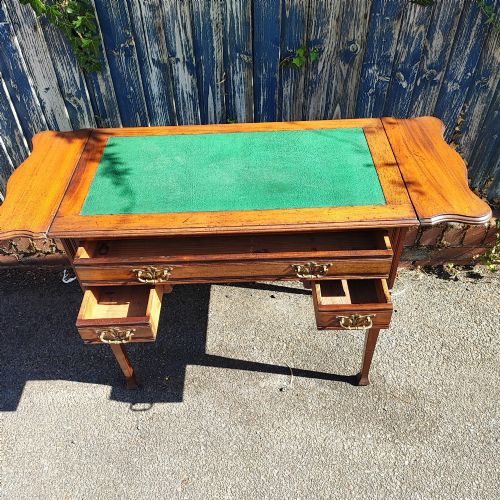
Construction methods affect daily utility, particularly the smoothness of the drop leaf action and the stability of the support gates. Finer pieces maintain tight joints at the hinge line and retain original brass hardware or period-appropriate drawer construction.
Gillows
The Small Drop Leaf Side Table Glossary
- Drop leaf table
- A table with a fixed central section and hinged flaps that fold down to reduce the overall footprint. This design allows the furniture to sit compactly against a wall until extra surface area is required.
- Gateleg table
- A table with hinged legs that swing outward on a pivoted gate to support the raised drop leaves. This construction provides robust support for the extended flaps.
- Sutherland table
- A narrow table type featuring particularly slender drop leaves and narrow folding legs designed to stand flat against a wall. The form became especially popular during the Victorian era.
- Pembroke table
- A rectangular table featuring two hinged drop leaves on opposite sides and frequently incorporating a storage drawer. The design originated in the eighteenth century as a versatile breakfast or occasional table.
- Spider leg table
- A small table supported by exceptionally slender, turned wooden legs that create a lightweight appearance. These legs are typically braced by thin stretchers for stability.
Small Drop Leaf Side Table: Frequently Asked Questions
How do I use a drop leaf table in a small room?
Keep the flaps folded down against a wall to maintain clear walking paths in compact spaces. Raise one or both leaves only when you require a surface for lamps, books, or drinks.
The flexible design allows the furniture to adapt instantly to changing room layouts. Place it beside a sofa or bed to combine hidden surface potential with minimal permanent footprint.
What is the difference between a gateleg and a Sutherland table?
A gateleg table utilises swinging legs that pivot from the central frame to support large drop leaves, often leaving very little central space underneath when closed. A Sutherland table uses a much narrower central section and slender folding supports designed to collapse into an exceptionally thin profile.
Sutherland tables are typically lighter and intended to sit flush against walls as occasional pieces. Traditional gatelegs are often heavier, sturdier, and historically served as dining or heavy work tables.
Are these tables sturdy enough for daily use?
Solid timber construction in oak, mahogany, or walnut provides robust structural integrity for everyday tasks. The folding flap mechanisms rely on sound hinges and stable support gates to bear normal weight safely.
Periodic checks of the hinge screws and leg pivots ensure the leaves remain secure during operation. Avoid placing excessive weight directly onto the unsupported edges of extended flaps.