


Small Compact Writing Desk
A small compact writing desk organises limited space through clever internal compartments, falling into your room without dominating it.
Small Compact Writing Desk
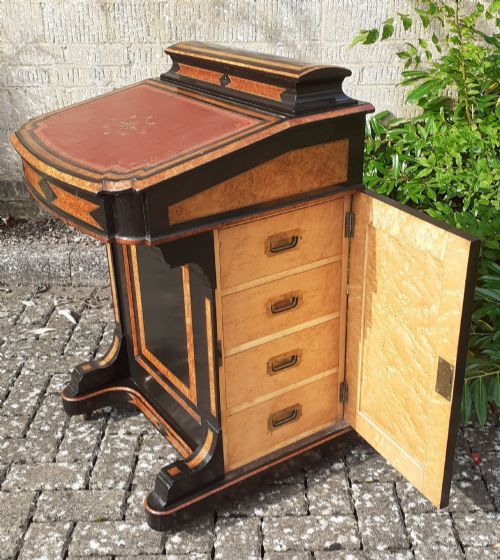
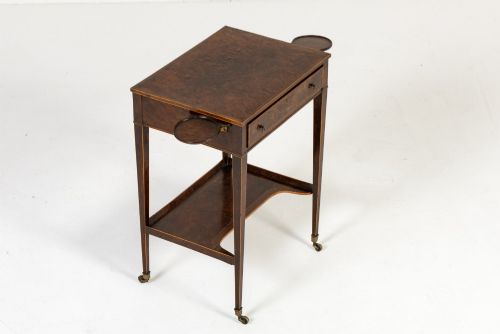
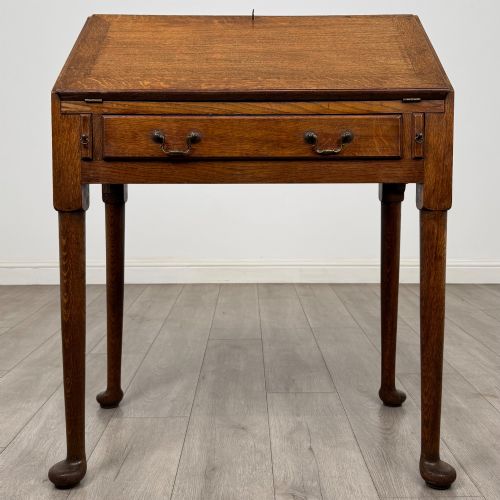
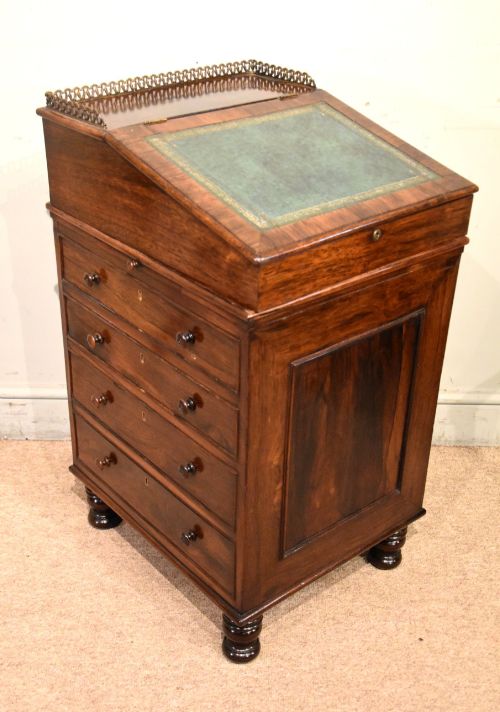
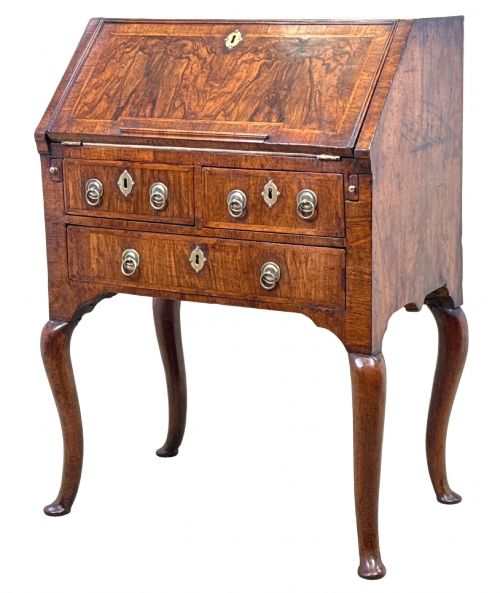
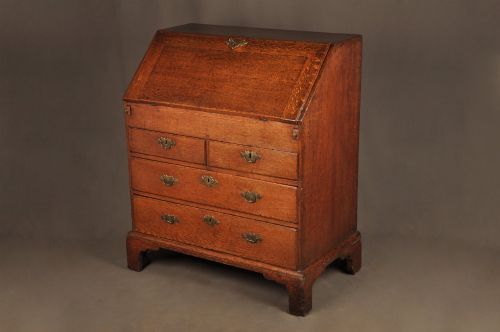
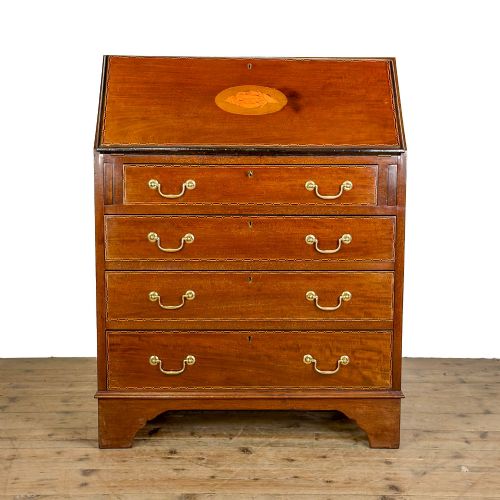
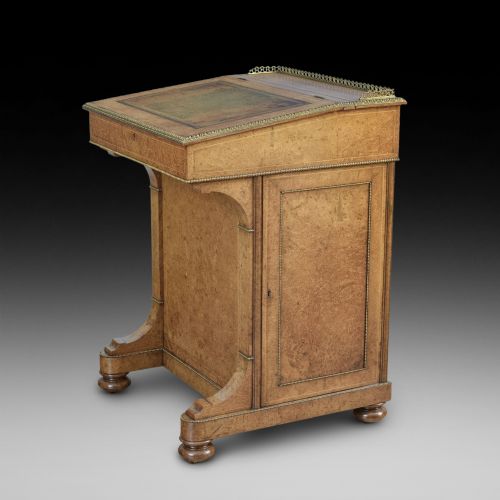
A small compact writing desk appears in several distinct forms across this selection, most commonly as a Davenport or a bureau. These pieces combine a writing surface with integrated storage for stationery and papers.
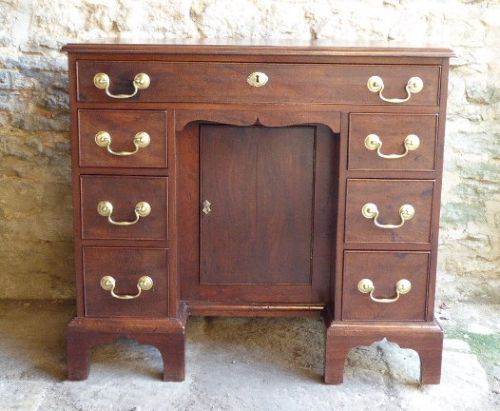
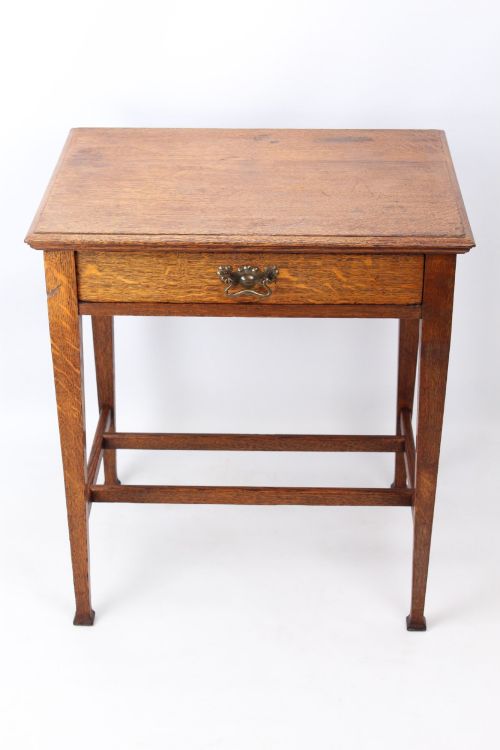
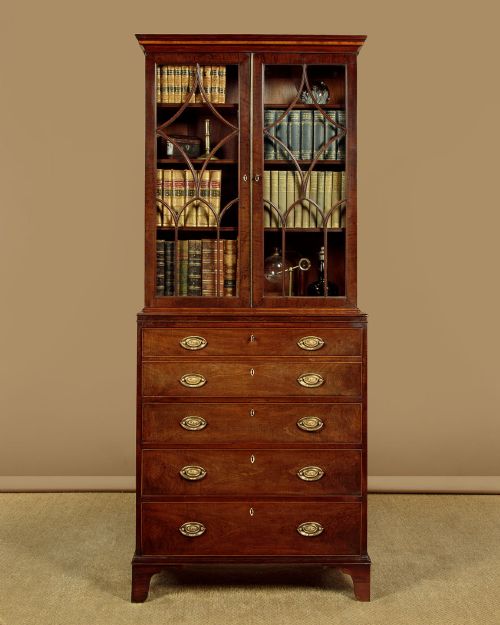
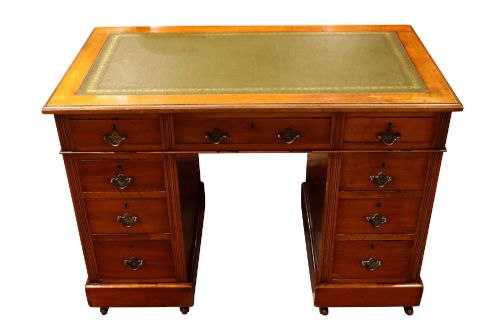
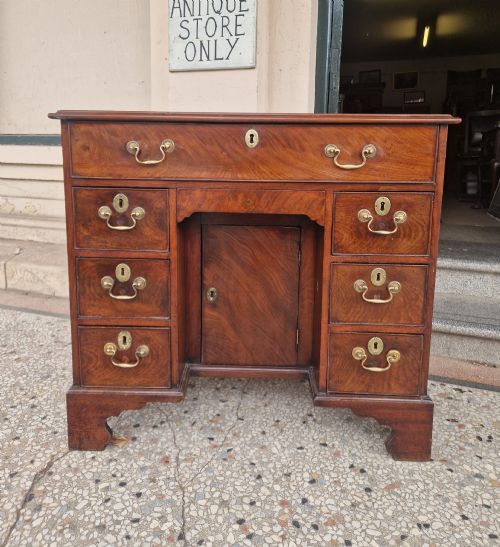
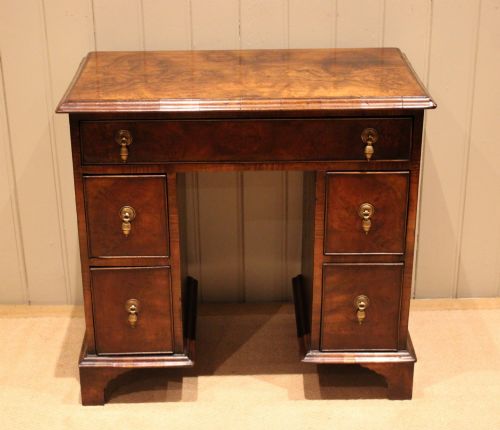
The inventory includes pedestal desks, kneehole desks, writing tables, and secretaire bookcases spanning the eighteenth, nineteenth, and early twentieth centuries. Georgian, Victorian, and Edwardian examples predominate, alongside Regency and Arts and Crafts designs.
Makers utilised specific timber choices to define each period, ranging from early walnut and oak to later mahogany, rosewood, and exotic veneers. The smaller proportions suit modern rooms that require functional work areas without heavy furniture.
Materials and Construction
Cabinet makers constructed these desks using solid timbers like mahogany, oak, and walnut, frequently applying figured veneers such as burr walnut, burr yew, and amboyna to primary surfaces. Brass hardware, leather inserts, and glass components appear across the periods.
Joinery methods involved traditional dovetailing for drawer construction and precise framing to support folding writing slopes or sliding tops. Interior compartments often reveal secondary woods and satinwood stringing executed by hand.
Some nineteenth-century Davenport desks conceal secret side drawers that spring open only when the correct interior pin is pressed.
Quality Variations
Superior quality rests upon the selection of timber figures, such as matching burr walnut veneers or pollard oak panels, and the precision of the cabinet work. Finer desks display crisp moulding, well-fitted internal drawers, and original brasses.
Simpler pieces rely on plain mahogany or oak with straightforward construction, serving utilitarian purposes rather than decorative display. The integrity of the original leather writing surface and smooth operation of sliding or lifting mechanisms distinguish higher tiers.
Gillows of Lancaster·Jenners
The Small Compact Writing Desk Glossary
- Davenport
- A compact desk featuring a sloped writing surface above a pedestal of drawers. Originating in the nineteenth century, this form typically includes side stationery compartments.
- Bureau
- A desk with a hinged sloping flap that opens to reveal pigeonholes and small drawers. Early examples stand on legs or frames, while later versions sit above drawer chests.
- Pedestal Desk
- A freestanding desk comprising two supporting columns of drawers with a central recess. These units often incorporate leather-lined writing surfaces.
- Kneehole Desk
- A compact pedestal desk with a central recess designed for a chair. This layout maximises storage beneath a flat writing top.
- Secretaire
- A piece of furniture containing a pull-out drawer or drop-front flap fitted as a writing desk. Such units often combine bookcase sections above.
Small Compact Writing Desk: Frequently Asked Questions
What is a Davenport desk?
A Davenport is a compact writing desk with a sloping top and drawers to the side. It was designed in the nineteenth century for small spaces.
The upper section often holds a stationary box, while the lower body contains functional drawers accessed from a seated position.
How do I date an antique desk?
Dating relies on timber choices, construction techniques, and stylistic details. Georgian pieces often use solid mahogany, while Victorian examples favour burr walnut.
Drawer dovetailing and secondary woods provide further clues to the manufacturing decade.
Where were these desks used?
These desks served in private parlours, bedrooms, and studies for correspondence and personal administration. Their small footprint suited domestic interiors with limited space.
Ladies writing desks were particularly common in nineteenth-century drawing rooms.
Are writing slopes different from desks?
Writing slopes are portable boxes that fold open to provide a slanted writing surface. Desks are permanent pieces of furniture with integrated legs or pedestals.
Both forms include internal compartments for inkwells and paper.