


Small Bronze Statue
A small bronze statue brings centuries of artistry into a room, offering tactile metalwork shaped into deities, animals, and classical figures.
Small Bronze Statue
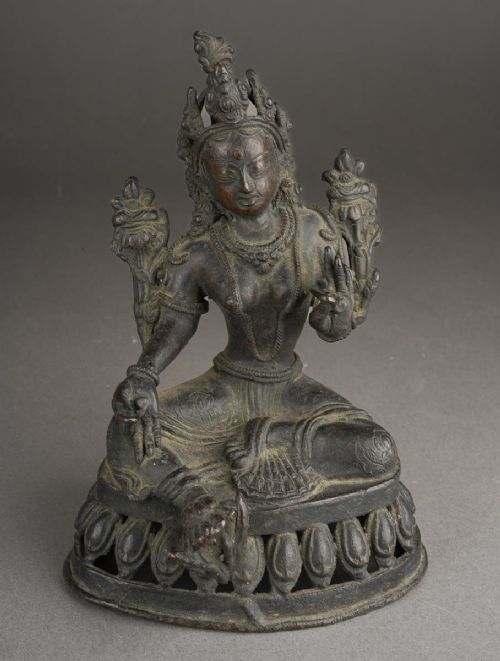
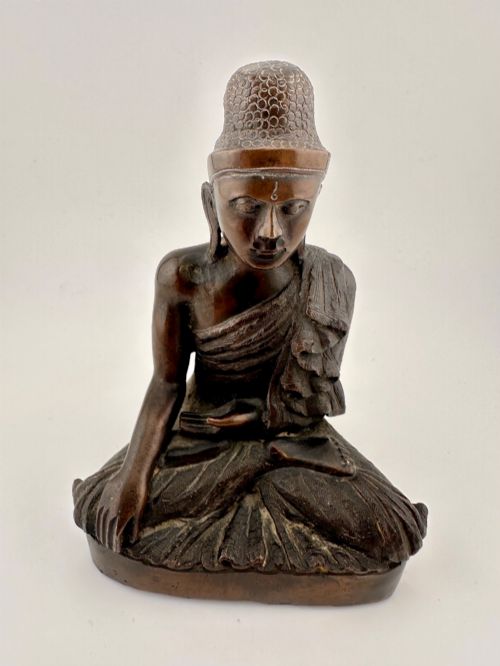
When you search for a small bronze statue, you encounter compact figurative works spanning animalier studies, classical figures, and religious icons. These pieces range from nineteenth-century European desk ornaments to Himalayan shrine figures.
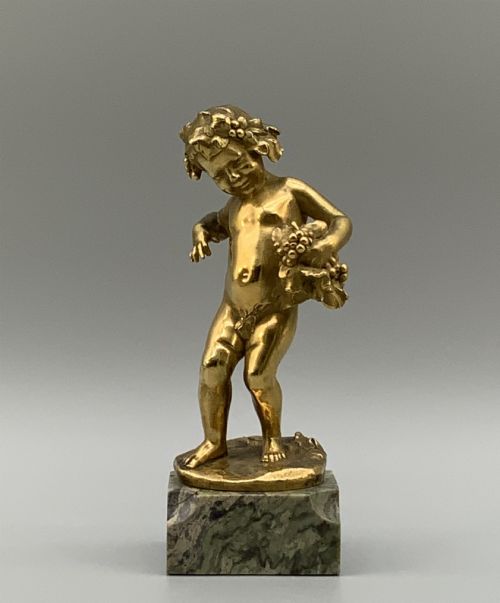
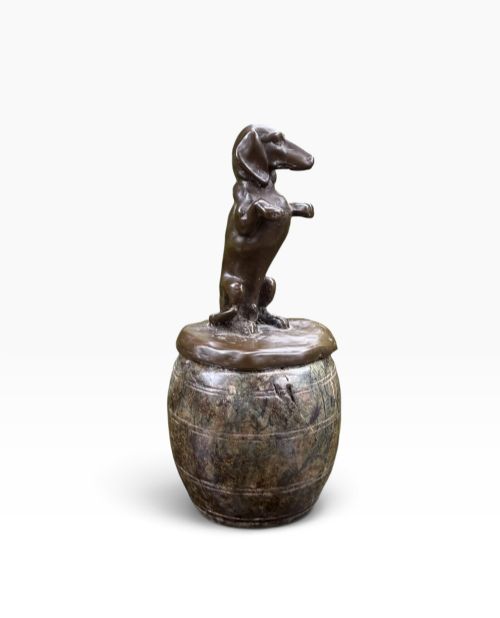
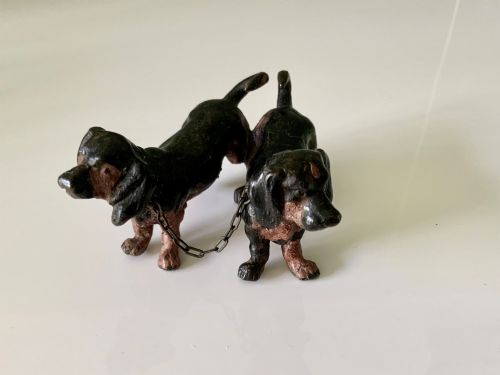
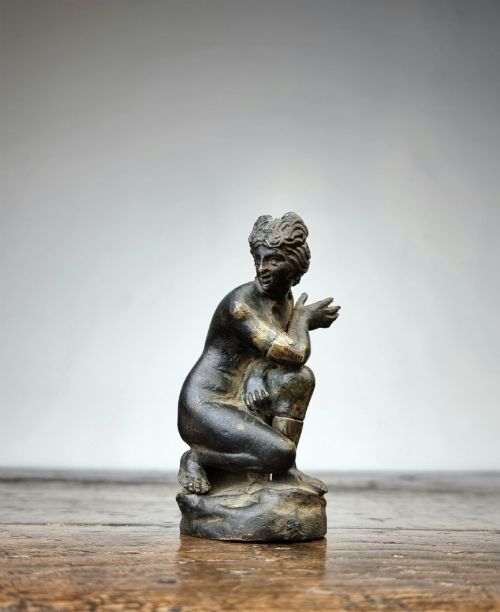
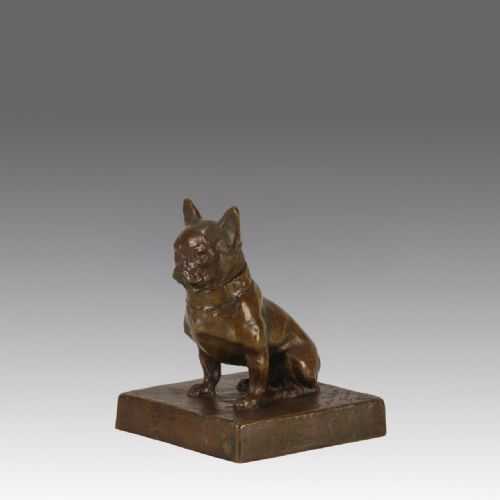
The most common examples on this page include animal figurines like dachshunds and pugs, alongside mythological subjects such as Venus and Dionysus. Many incorporate bases of marble, alabaster, or mahogany to support the metalwork.
How they were made
Makers utilised traditional casting methods to shape bronze into intricate forms, occasionally applying gilt or cold-paint surfaces for colour and detail. Some sculptures combine cast bronze with brass elements or hand-painted enamel dials.
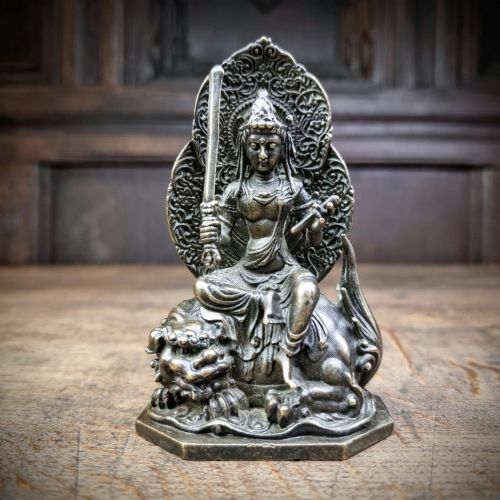
Finishes vary from plain patinated metal to detailed cold-painted pigments on animal figurines and Buddhist statues.
Listings feature works spanning the seventeenth century through to the early twentieth century, utilising bronze, brass, marble, and alabaster.
What varies in quality
The presence of identified foundry marks or maker attributions elevates a piece, as does the integration of fitted stone bases such as marble or alabaster.
Charles Louis Malric·Susse Frères·Dora Heber
The Small Bronze Statue Glossary
- Animalier
- A nineteenth-century artistic movement focused on the realistic depiction of animals. Sculptors in this tradition studied anatomy closely.
- Cold painted
- A technique where paint is applied to cold bronze without heat firing. This finish requires careful preservation to prevent flaking.
- Grand Tour
- Souvenirs collected by travellers in Europe during the eighteenth and nineteenth centuries. These often replicate classical antiquities.
- Patina
- The surface sheen and colour developed on bronze through age and chemical treatment. A stable patina indicates natural oxidation.
Small Bronze Statue: Frequently Asked Questions
How do I clean a bronze statue?
Dust the surface gently with a soft, dry brush to remove particles without disturbing the underlying patina.
Avoid using water, chemical polishes, or abrasive cloths that can strip away historic surface finishes.
What is cold-painted bronze?
Cold painting involves applying oil or enamel colours to a cold metal surface rather than firing the pigment on. This method was widely used on small animal figures during the nineteenth and early twentieth centuries.
Because the paint sits on top of the metal without a high-heat bond, these pieces require careful handling to preserve the colour.
How can I tell the age of a bronze?
Examine the quality of the casting, the nature of the patina, and any markings or base materials. Older pieces often show specific tool marks and wear patterns consistent with their period.
Stylistic cues such as the aesthetic of animalier or classical revival works also help narrow down the date of manufacture.
Where should I display these statues?
Place small bronzes on stable surfaces like desks, mantelpieces, or bookshelves where they can be appreciated at close range. Ensure they sit away from direct moisture and extreme temperature fluctuations.
Pairing them with appropriate lighting allows the patination and fine details of the casting to stand out.