



Antique Dog Study
An antique dog study captures the character of a canine companion through the skilled hands of painters and sculptors.
Antique Dog Study
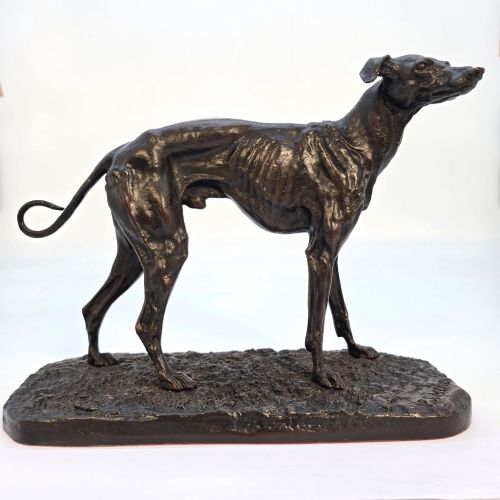
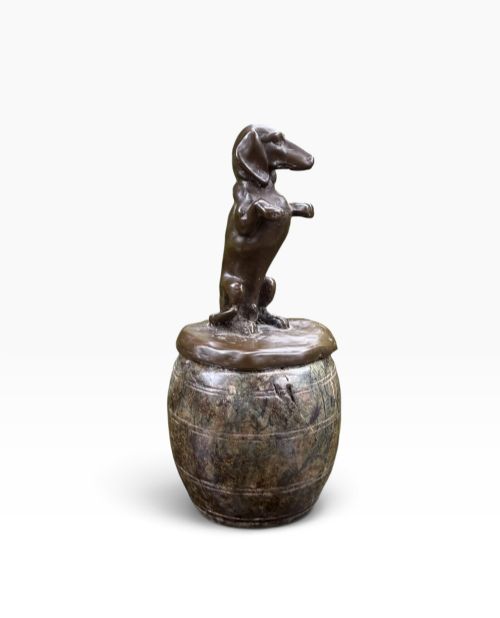
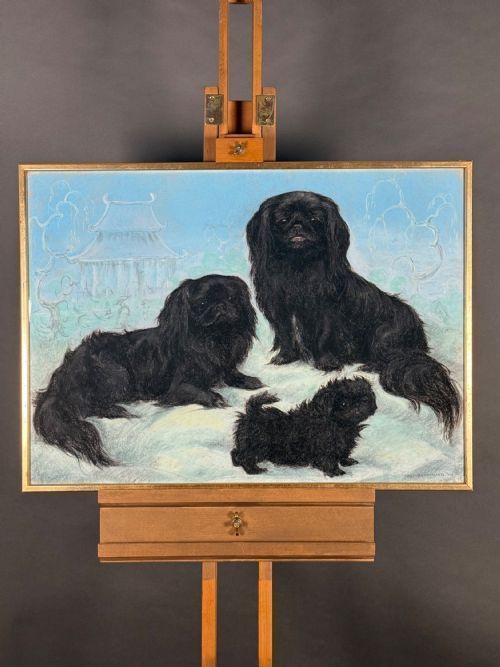
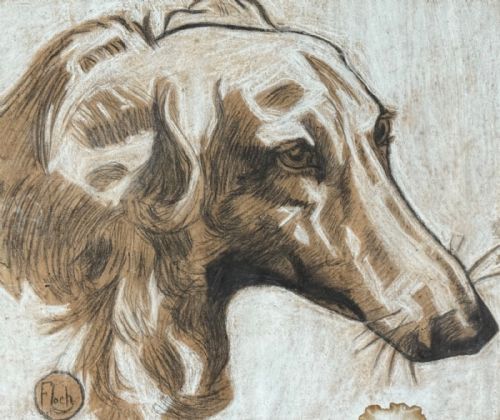
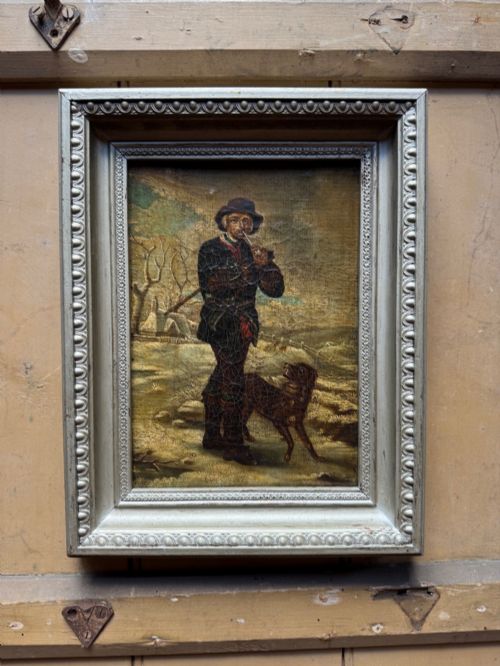
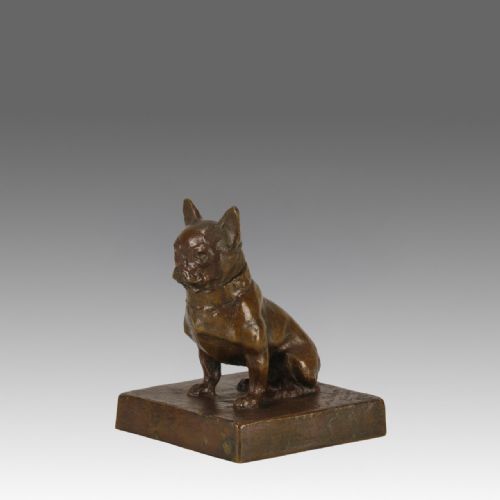
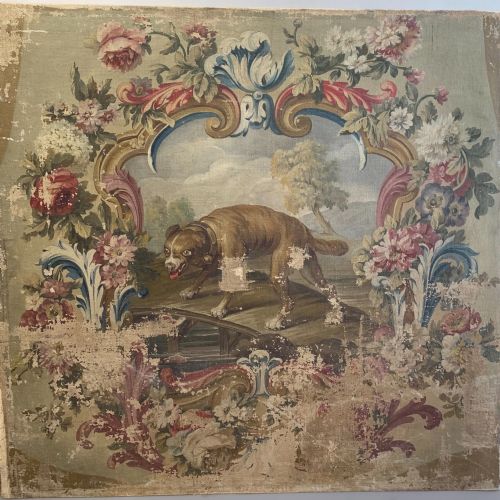
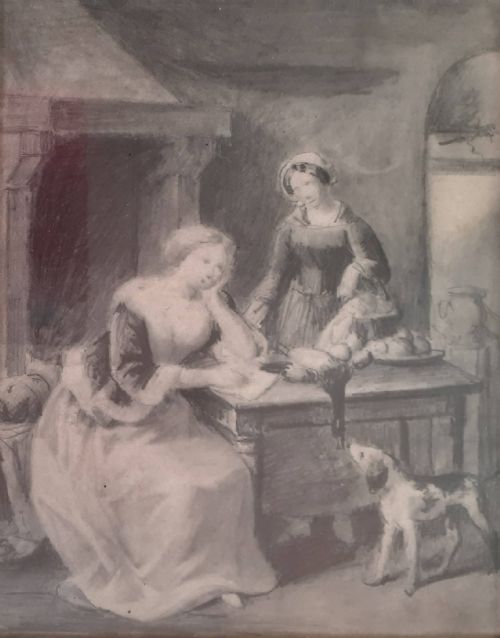
An antique dog study focuses entirely on capturing the form, character, or movement of a canine subject. These works range from quick sketches and detailed drawings to finished oil paintings and bronze sculptures.
You will encounter pieces originating from the nineteenth and early twentieth centuries, spanning periods such as the Victorian and Edwardian eras. The subjects include specific breeds like dachshunds, borzois, and terriers rendered with distinct artistic intent.
Creators approach these subjects through various styles, including nineteenth-century realism, animalier sculpture, and art deco. Each piece serves as a direct record of the bond between humans and dogs over past centuries.
How they were made
Painters utilise oil paint on canvas, board, and artist palettes, alongside gouache, charcoal, pastel, and pencil on paper. These mediums allow for both rapid observational sketches and heavily worked portraits.
Sculptors shape bronze, gilt bronze, marble, and hand-carved lime wood to render three-dimensional forms. Casting techniques and meticulous hand-carving bring out the textures of fur and the muscular structure of the animals.
Antique Dog Study Retail Price Guide 2026
Typical asking prices for dog study among the pieces listed under this phrase on Sellingantiques today, from the lower quarter to the upper quarter. They describe what is for sale here now, not the wider market.
What varies in quality
The anatomical accuracy and expressive capability of the rendering distinguish the finest works from ordinary pieces. A master artist captures bone structure and alertness with economy and precision.
The quality of the medium and the preservation of the surface material play significant roles. Rich, stable pigments on original canvas or crisply chased detail in cast bronze elevate the standing of a study.
Dora Heber·Louis Riche·A Betts·William Howard Hardy·William Shackleton
The Antique Dog Study Glossary
- Animalier
- A nineteenth-century artistic movement dedicated to the realistic depiction of animals. Sculptors in this tradition focused heavily on anatomical precision.
- Gouache
- An opaque water-based paint that dries to a matte finish. Artists often combine it with pencil on paper for heightened tonal contrast.
- Lime wood
- A pale, fine-grained timber frequently used for intricate carving. Carvers favour it for its ability to hold minute detail without splitting.
- Gilt bronze
- Bronze metal treated with a thin layer of gold or gold-coloured alloy. This technique adds a reflective metallic sheen to sculptural surfaces.
Antique Dog Study: Frequently Asked Questions
What is a dog study?
A dog study is an artwork or sculpture created to observe and record the appearance, posture, or expression of a canine subject. These pieces range from rapid preparatory sketches to highly finished oil portraits.
Artists often created them to understand animal anatomy before embarking on larger compositions. Today, they stand alone as focused tributes to specific breeds and individual animals.
How do I care for works on paper?
Works on paper require protection from direct sunlight to prevent fading and discolouration of the pigments and the paper support. Framing under UV-filtering glass helps maintain the integrity of delicate drawings.
Keep these pieces in stable indoor environments away from excessive moisture to avoid foxing and mould growth. Handle framed works with clean hands and support the entire structure when moving them.
Are bronze sculptures heavy?
Bronze sculptures are remarkably dense and carry considerable weight relative to their physical size. Solid casts or figures mounted on marble bases require sturdy placement surfaces.
When displaying these pieces, ensure the shelf or table can adequately support the concentrated weight. Lift them carefully from the base rather than by projecting limbs or ears.
How can I tell the period?
Dating relies on examining the materials, framing methods, and artistic styles characteristic of specific eras. Nineteenth-century works often feature heavy gilt frames and traditional realist painting techniques.
Twentieth-century examples may display distinct movements like art deco or early modern realism. Signatures, inscriptions, and artist stamps further aid in confirming the date of creation.