



Small Bronze Sculpture
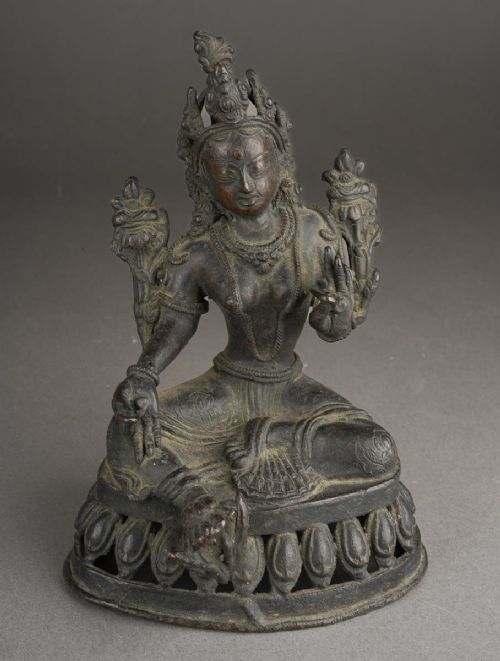
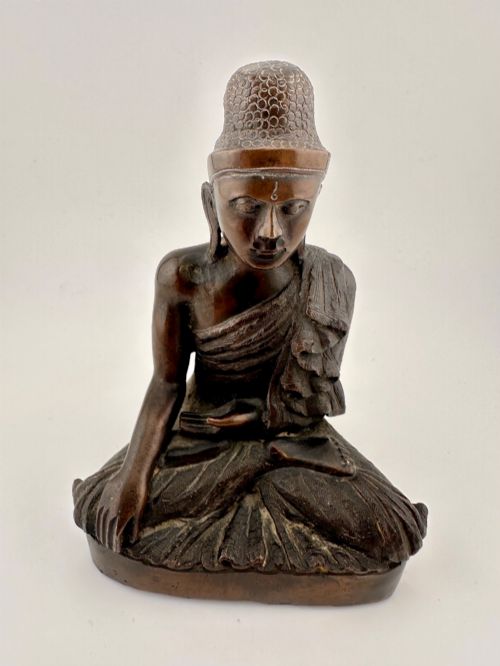
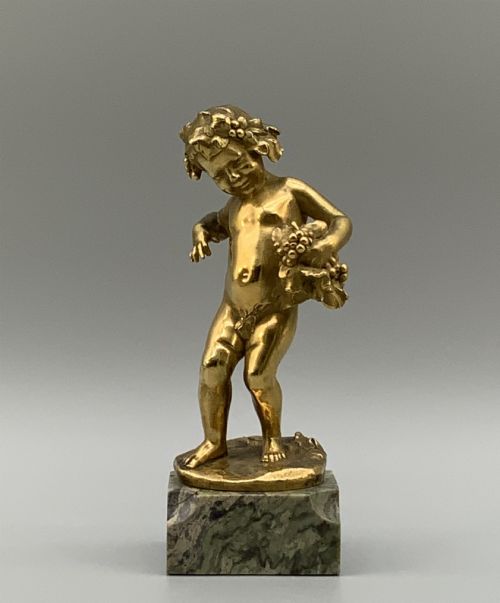
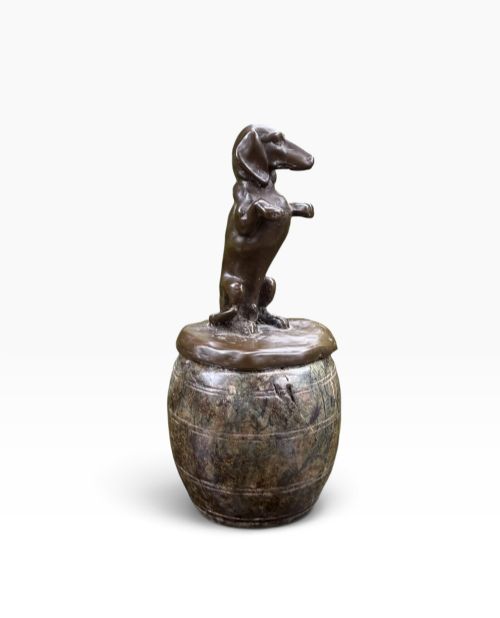
These small bronze sculpture pieces span centuries of foundry work, offering cabinet-sized figures and desk ornaments shaped by classical and animalier traditions.
Small Bronze Sculpture
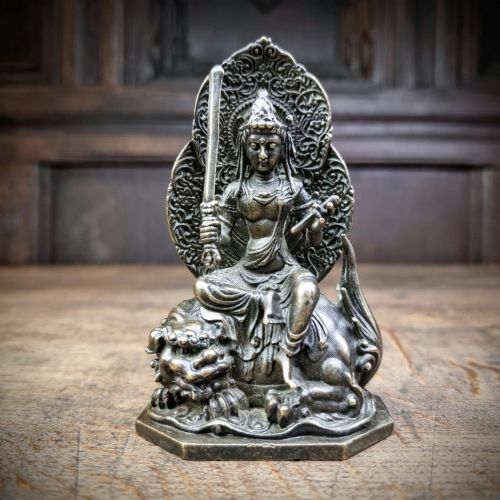
When you search for small bronze sculpture, you encounter a remarkably varied group of objects ranging from grand tour classical figures to Austrian animal bronzes and Himalayan religious statuettes. The pieces on this page appear in forms such as statuettes, desk accessories, animal figurines, and inkstands.
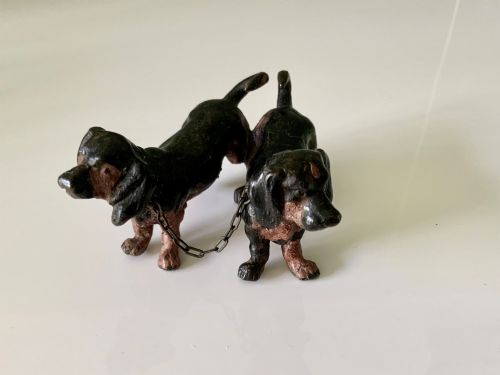
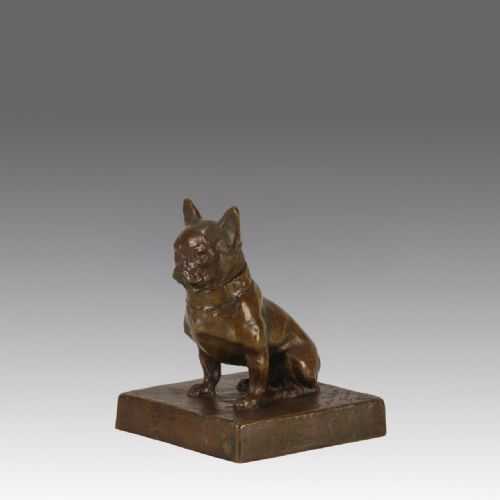
The nineteenth century provides the bulk of the domestic items, including cold painted dogs, birds, and human figures, while earlier centuries yield classical deities and Eastern figures. These smaller works served diverse domestic functions, functioning variously as paperweights, desk ornaments, and cabinet curiosities.
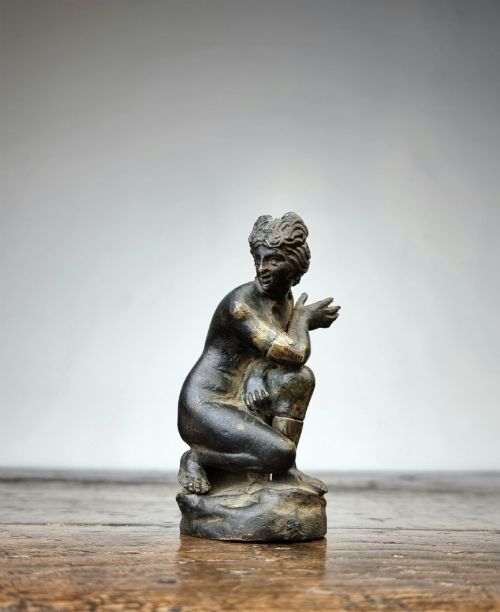
Grand tour subjects draw heavily on classical mythology, presenting figures such as Venus, Hercules, and Dionysus cast for travellers abroad. Alongside these, animal studies capture dogs, birds, and farm animals with varying degrees of naturalism or whimsy.
Materials and casting methods
The primary material is bronze, often augmented by gilt bronze, brass, paint, or cold painted enamels applied directly to the metal surface. Some figures are mounted upon integral or separate bases of marble, alabaster, cut crystal, or mahogany, which provide stability and aesthetic contrast.
Foundries utilised traditional casting techniques to render fine details in miniature, whether depicting the musculature of a figure or the texture of animal fur. Cold painting involved applying polychrome pigments to the bronze surface after casting, a technique frequently seen in Austrian cabinet pieces.
Small Bronze Sculpture Retail Price Guide 2026
Typical asking prices for small bronze sculpture among the pieces listed under this phrase on Sellingantiques today, from the lower quarter to the upper quarter. They describe what is for sale here now, not the wider market.
A tiny dwarf miner holds a giant crystal diamond, proving that even heavy industry can scale down to pocket size.
Distinctions in quality
The preservation of original cold painted surfaces or rich patination significantly elevates a piece, whereas crude re-painting or heavy wear diminishes the visual impact. The artistic capability captured in the modeller's initial design dictates whether a small study possesses genuine presence.
Charles Louis Malric·Susse Freres·Dora Heber·A. Falguiere·Emile Bregeon
The Small Bronze Sculpture Glossary
- Cold painted
- A method where polychrome paint is applied to a bronze casting without subsequent firing, prone to surface loss over time. This technique defines many nineteenth and twentieth-century Austrian animal figures.
- Animalier
- A nineteenth-century artistic movement focused on the realistic depiction of animals, particularly dogs, birds, and wildlife. Sculptors in this tradition studied anatomy closely to capture creatures in natural postures.
- Grand tour
- The traditional trip through Europe undertaken by upper-class scholars and collectors during the eighteenth and nineteenth centuries. Souvenirs included miniature bronzes cast after famous classical antiquities.
- Patina
- The surface sheen and colour developed on bronze through age, handling, and chemical oxidation. A stable patina provides historical depth and protects the underlying metal.
- Chasing
- The manual finishing process where a metalworker refines the cast surface using chisels and punches. This step restores details lost during the casting process.
Small Bronze Sculpture: Frequently Asked Questions
What is cold painted bronze?
Cold painting involves applying oil or enamel paints to a bronze casting without the heat of a kiln. This technique allowed makers to produce brightly coloured birds, insects, and human figures.
Because the paint sits on the metal rather than fusing with it, surviving examples often show natural wear that documents their age.
Why are some figures on marble bases?
Marble and alabaster bases provided weight and a finished architectural presentation for cabinet bronzes. They elevate the sculpture visually and offer a stable foundation for display.
Many nineteenth-century desk accessories and animal studies utilised stone or crystal bases to integrate the bronze into functional items like paperweights.
How are periods identified?
Period attribution relies on casting style, mounting materials, foundry marks, and the subject matter popular at the time. Nineteenth-century works frequently lean towards naturalistic animal studies or grand tour classicism.
Stylistic conventions and the type of patination help differentiate Victorian and Edwardian castings from earlier seventeenth or eighteenth-century examples.