



18th Century Bronze Figure
An 18th century bronze figure brings domestic divinity, classical myth and molten weight into a room.
18th Century Bronze Figure
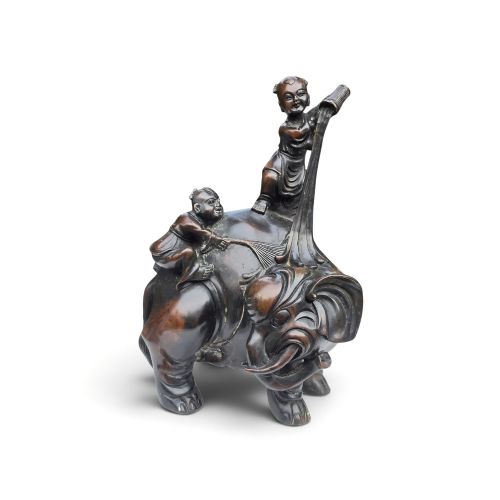
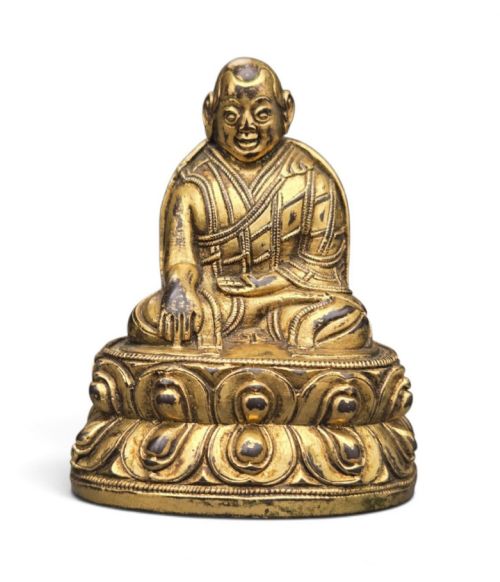
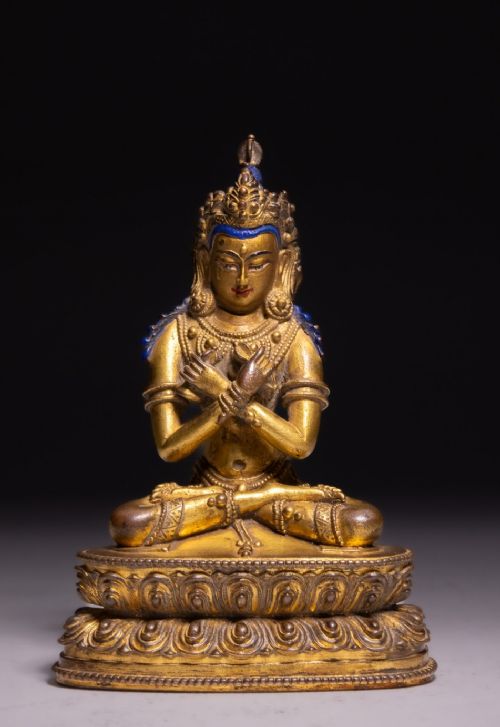
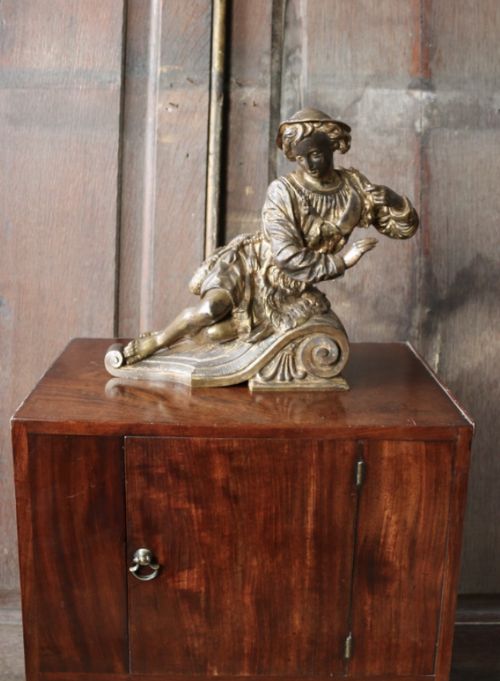
An 18th century bronze figure encompasses cast metal works ranging from European mythological deities and architectural mounts to Asian Buddhist and Hindu sculptures. You encounter cast deities, classical figures such as Neptune and Venus, and practical objects incorporating cast metal figures.
The selections span periods from the mid-eighteenth century through to later revival pieces created in the nineteenth century. Forms shift from French Regence and Rococo candelabra mounts to Sino-Tibetan and South Indian devotional sculptures.
Domestic and ritual functions dictate the scale and pose of these pieces, appearing as standalone statuettes or integrated into clocks, fire dogs and wall sconces. The material presence remains consistent even when gilding or porcelain elements are introduced.
How they were made
Post-casting work involved chasing and chiselling the cooled metal surface with specialised tools to sharpen lines and remove casting flaws. Pigment, enamel and porcelain components were frequently combined with the metal armature, particularly in Sino-Tibetan figures and Meissen mounted pieces.
18th Century Bronze Figure Retail Price Guide 2026
Typical asking prices for 18th century bronze figure among the pieces listed under this phrase on Sellingantiques today, from the lower quarter to the upper quarter. They describe what is for sale here now, not the wider market.
Listings feature gilt bronze, porcelain, enamel, pigment, wood and straw across French, Italian, and Asian origins.
What varies in quality
The crispness of the post-casting chase work separates exceptional examples from softer, worn castings where details have been lost. Sharp definition in the fingers, drapery folds and facial expressions indicates a high level of workshop skill.
The preservation of the original surface finish, whether fire gilding or dark patination, dictates the visual impact of the piece. Integrated elements such as Meissen porcelain figures or gilt-bronze mounts must show harmonious proportion and secure construction.
The 18th Century Bronze Figure Glossary
- Ormolu
- Gilt bronze produced by applying a mercury and gold amalgam to a bronze base and heating it to drive off the mercury. This technique creates a durable golden surface characteristic of French decorative arts.
- Regence
- A French decorative style bridging the classical Louis XIV period and the lighter Rococo movement. It is marked by symmetrical scrolls and early shell motifs.
- Rococo
- An exuberant artistic style featuring asymmetric C-scrolls, naturalistic plant forms and playful motifs. It dominated European decorative arts during the middle decades of the eighteenth century.
- Sino-Tibetan
- An aesthetic style reflecting the artistic exchange between China and Tibet, often seen in Buddhist ritual bronzes. These works frequently incorporate fine cold-painting or gilt surfaces.
- Andiron
- A horizontal metal support raised on legs used to hold logs in an open fireplace. Eighteenth-century examples often incorporate cast bronze figural statuettes on the front standards.
18th Century Bronze Figure: Frequently Asked Questions
How do I clean an old bronze figure?
Dust the surface gently with a soft, dry brush to prevent accumulation of particles in the recessed details.
Avoid using commercial metal polishes or liquid cleaners, which can strip historic patination or damage delicate fire gilding.
Are all these pieces solid bronze?
Many figures are hollow-cast using the lost-wax method to save metal and reduce weight, while smaller mounts may be cast solid.
Other materials such as porcelain, enamel and wood frequently accompany the bronze elements in mounted clocks and candelabra.
How can I tell an 18th century piece from a later copy?
Examine the tooling marks, patination and wear patterns under magnification to understand the age of the metal surface.
Twentieth-century reproductions often display uniform machine finishing or lack the crisp hand-chased details found on period works.
What is the difference between bronze and ormolu?
Bronze is an alloy primarily composed of copper and tin, forming the base metal of these sculptures and mounts.
Ormolu specifically refers to bronze that has been coated with a layer of gold amalgam through fire gilding.