

Antique Mythological Bronze
These antique mythological bronze pieces bring classical figures and ancient stories directly into domestic spaces through enduring cast metal.
Antique Mythological Bronze
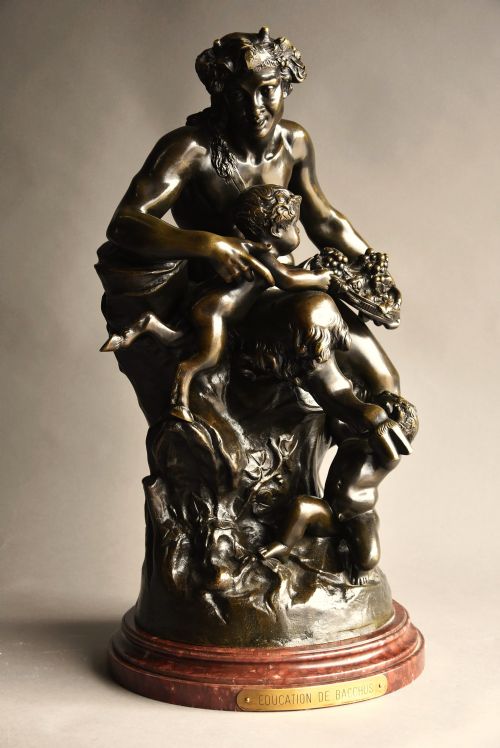
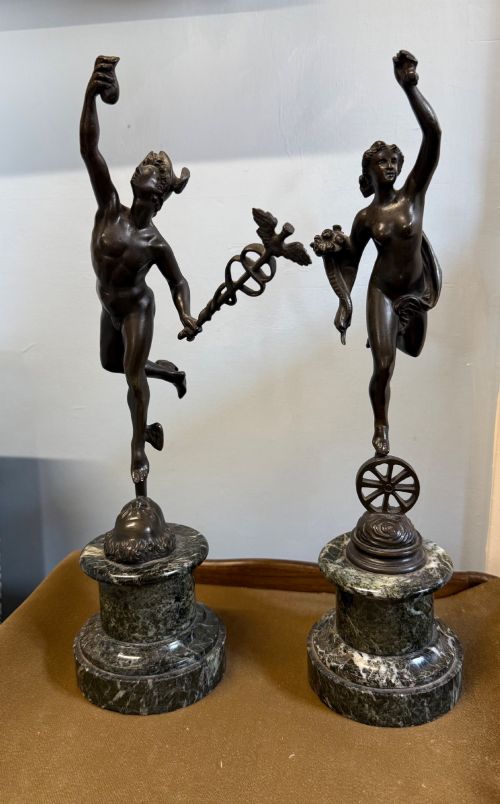
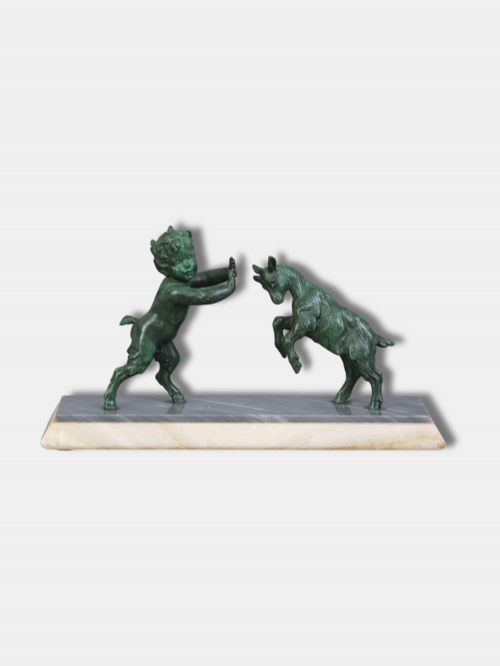
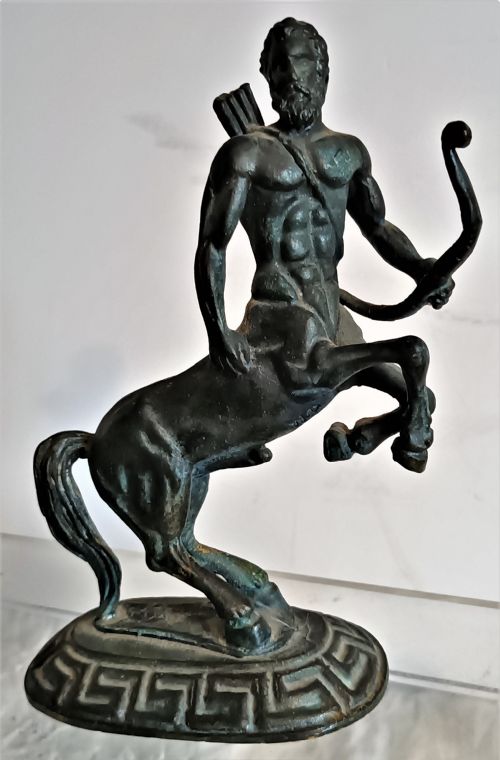
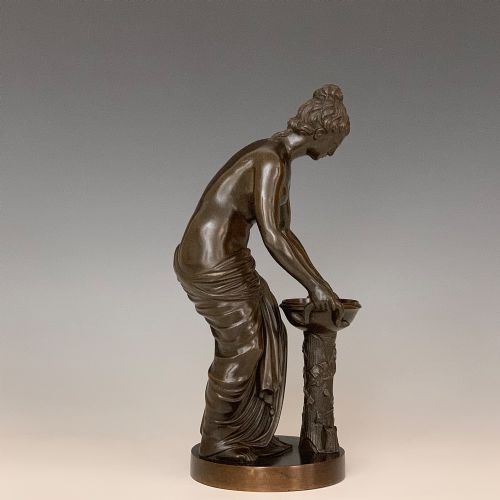
When searching for antique mythological bronze, a buyer encounters figures drawn from Greek and Roman pantheons, including deities, nymphs, fauns, and heroes. These range from small Grand Tour souvenirs gathered by travellers in Italy to substantial sculptures cast by European foundries during the eighteenth, nineteenth, and early twentieth centuries.
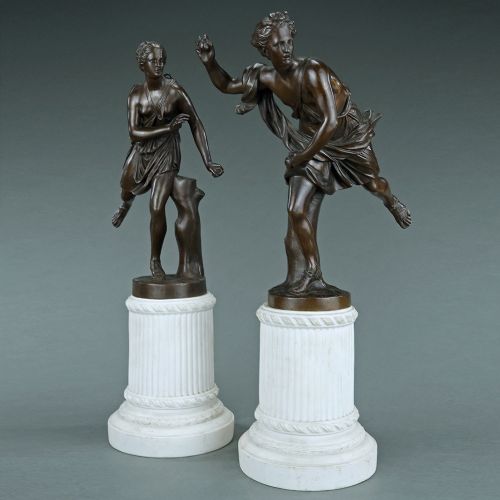
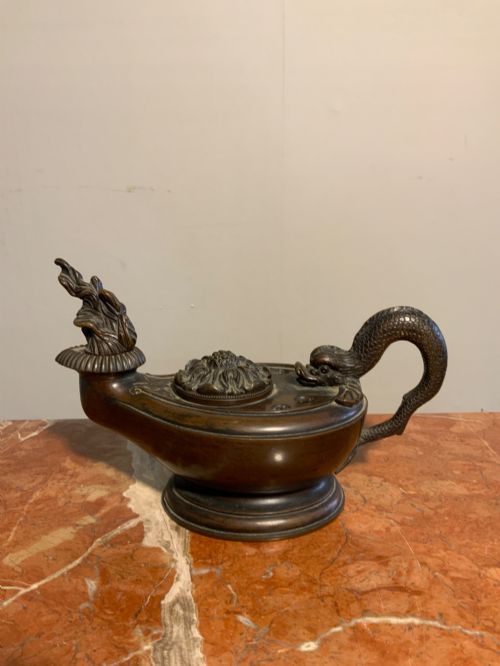
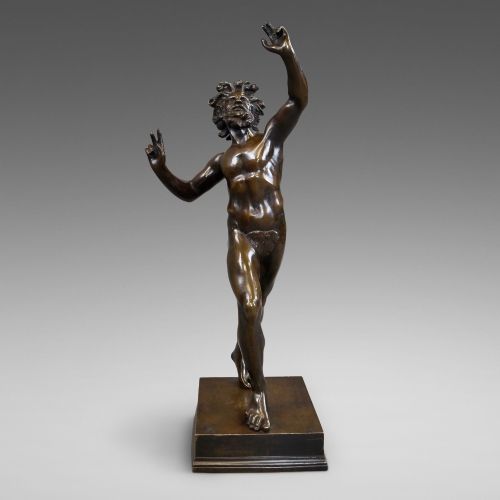
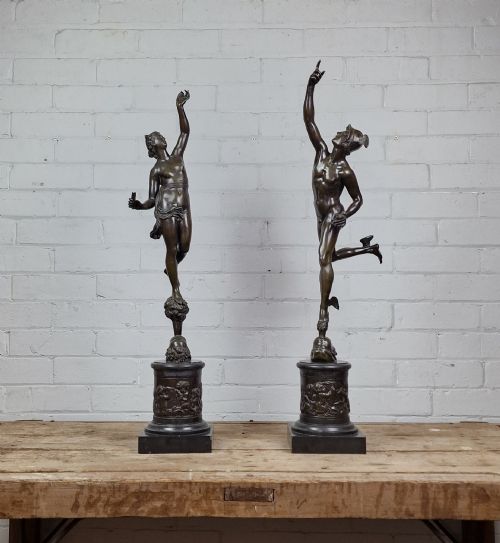
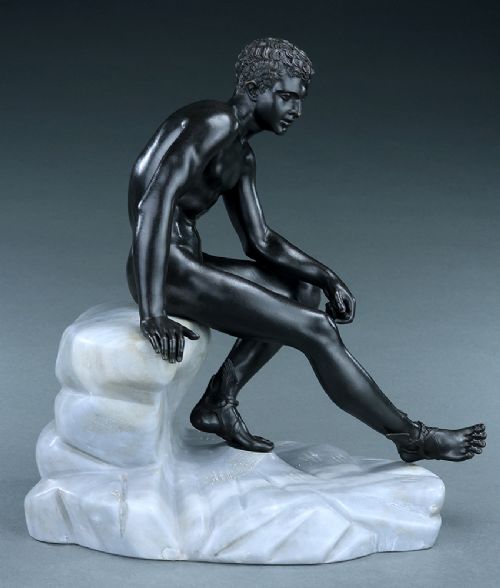
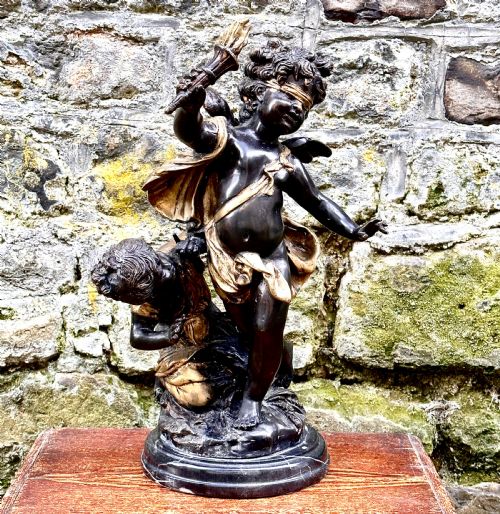
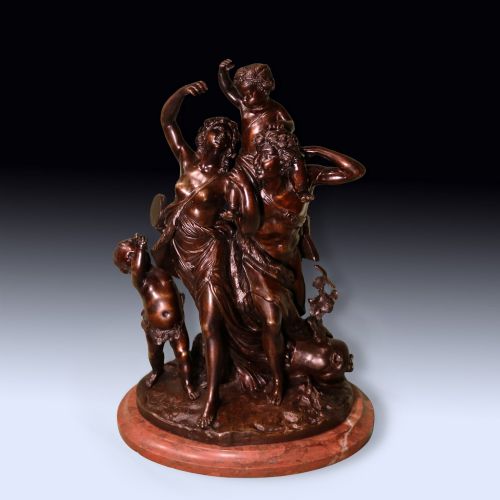
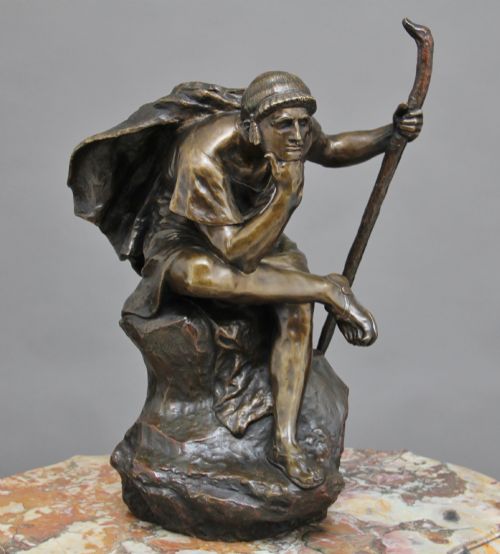
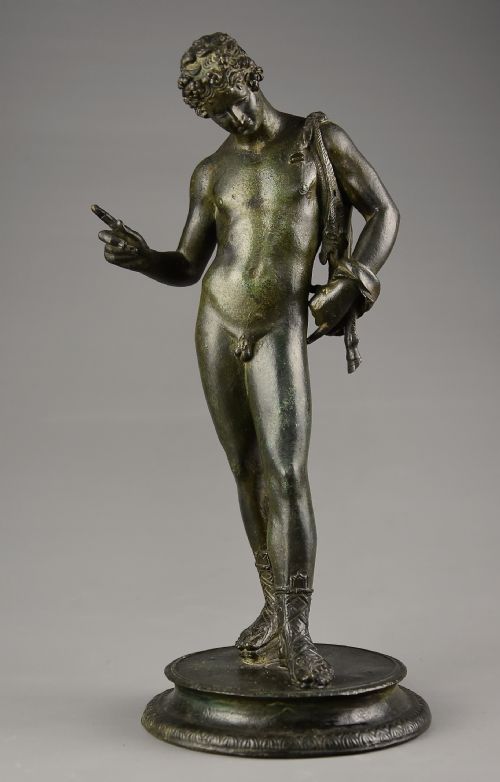
The versions most commonly met on this page are nineteenth-century bronze castings depicting subjects such as the Dancing Faun, Narcissus, Mercury, and various satyrs or mermen. These figures frequently stand upon marble bases or function as decorative items like inkwells, lamps, and candlesticks.
Beyond standalone sculptures, the selection encompasses bronze reliefs, ewers, and platters bearing classical motifs. French and Italian workshops dominate the origin points, often producing reductions of renowned ancient marbles housed in European museums.
How they were made
Foundries utilised the lost-wax casting method or sand casting to produce these metal works, allowing intricate details of musculature, drapery, and facial expression to transfer from model to metal. Molten bronze poured into these moulds created durable figures that could be finished with various patination techniques.
Makers applied chemical patinas ranging from deep dark greens and near-black tones to warm golden hues, frequently enhancing surfaces with hand-chasing using small chisels and files after casting. Ormolu and gilt bronze treatments appear alongside combinations of bronze mounted upon contrasting marble plinths or paired with brass and wood elements.
The object forms range from monumental sculptures and candelabra lamps down to miniature souvenir figures and decorative inkwells.
What varies in quality
Surface finishing and patination further separate standard production from superior work. Skilled chasers removed all trace of the mould seams and refined the metal surface by hand, whereas lesser pieces retain residual casting flaws and uniform, flat chemical colouring.
Barbedienne·Emile Carlier·Claude Michel Clodian·Auguste Moreau·Albert Hussmann·Pierre Le Faguays·Emile Picault
The Antique Mythological Bronze Glossary
- Grand Tour
- A traditional trip through Europe, chiefly Italy, undertaken by upper-class young men in the eighteenth and nineteenth centuries to study classical art. Souvenirs purchased along the route included small bronzes cast after famous antique statues.
- Patination
- The chemical or natural coloration of a bronze surface over time. Foundries applied specific acids and heat treatments to achieve desired dark green, brown, or golden tones on the metal.
- Lost-wax casting
- A metal-casting process where a molten metal is poured into a mould that has been created by means of a wax model. Once the metal cools, the wax is melted away, allowing for intricate undercuts and fine details.
- Ormolu
- Ground gold applied to a bronze object through a mercury amalgam process, producing a rich golden finish. This technique was widely employed on French decorative items from the eighteenth and nineteenth centuries.
- Chasing
- The manual refinement of a raw metal casting using hammers and punches to sharpen details and remove surface imperfections. Superior antique bronzes show extensive hand-chasing across the exposed metal areas.
Antique Mythological Bronze: Frequently Asked Questions
What is a Grand Tour bronze?
A Grand Tour bronze is a small-scale sculpture or souvenir purchased by travellers visiting classical antiquities in Italy during the nineteenth century. These pieces allowed collectors to bring museum-scale sculptures into their private libraries and studies.
Subjects typically replicate famous Roman or Greek marbles discovered during archaeological excavations, rendered in portable bronze formats often fitted with marble bases.
How do I care for antique bronze?
Antique bronze requires minimal intervention to preserve its original surface patination. Dusting with a soft, dry brush prevents particle buildup in recessed details.
Avoid using commercial metal polishes or abrasives, as these strip away the historical patinas developed over centuries. Occasional application of microcrystalline wax helps protect the metal from atmospheric moisture.
Why are some bronzes mounted on marble?
Marble bases provided visual weight and stability for slender figures, while also elevating small items to display height. This practice became standard for nineteenth-century decorative sculptures and Grand Tour souvenirs.
The choice of marble varied from simple black Belgian slate to veined green and white varieties that complemented the patination of the bronze above.
How can I identify nineteenth-century casts?
Nineteenth-century bronze figures often bear foundry stamps, signature incisions, or cachets identifying the maker or producing workshop. The weight of the metal and the complexity of the patination help distinguish period casts from later reproductions.
Examination of the underside frequently reveals construction methods, threaded bolts, or mounting pins consistent with nineteenth-century manufacturing techniques.