


Small Wood Cabinet
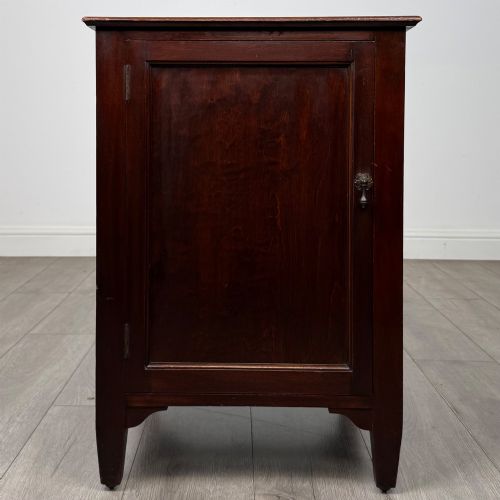
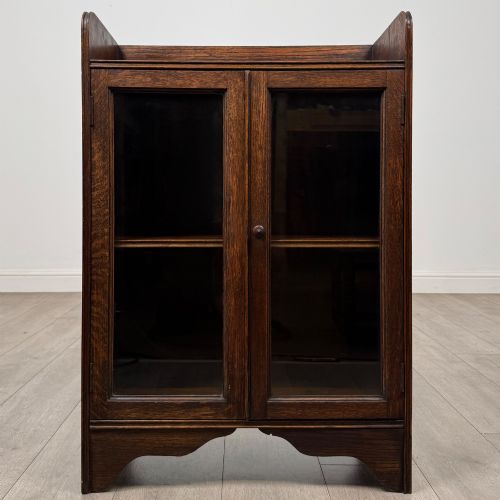
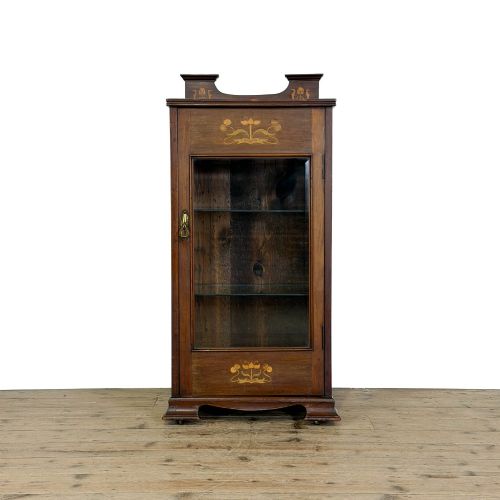
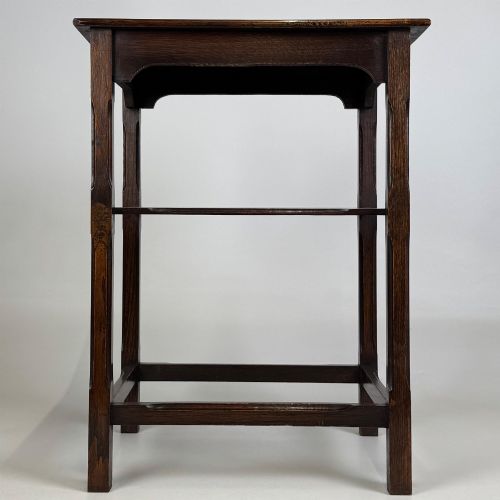
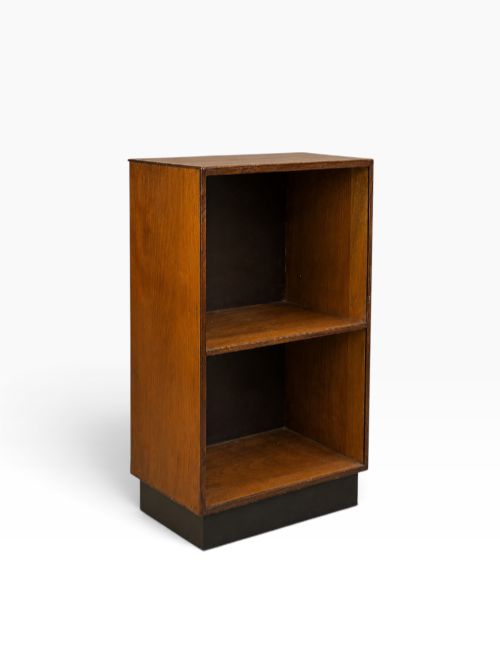
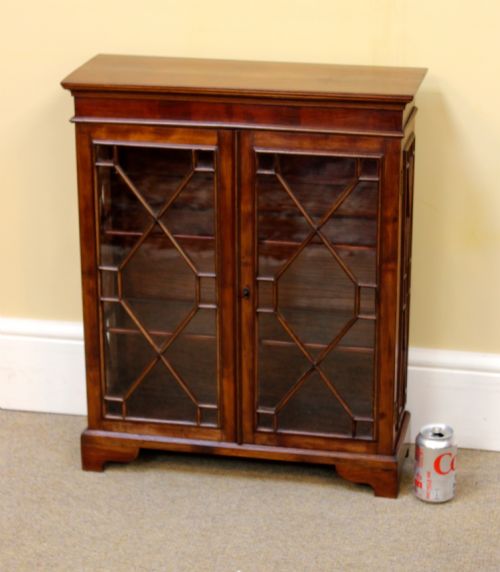
A small antique wood cabinet brings practical tabletop storage and period character to compact rooms.
Small Wood Cabinet
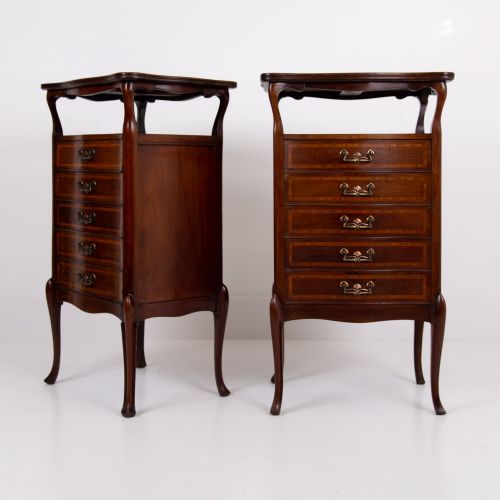
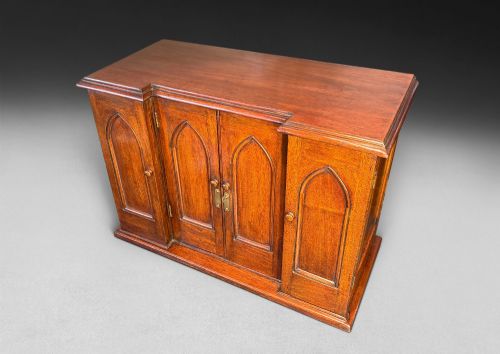
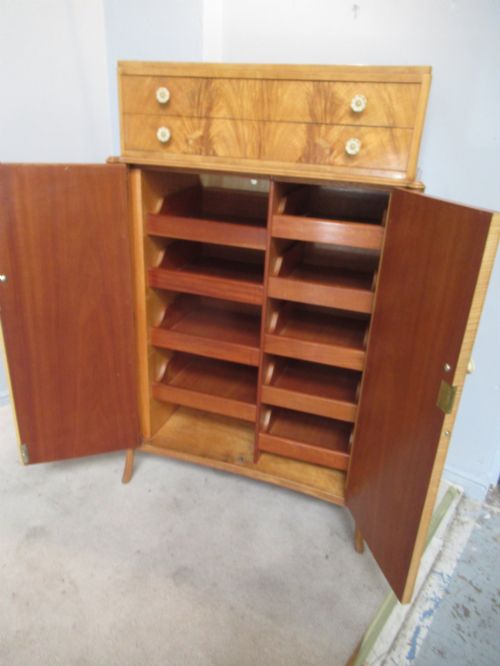
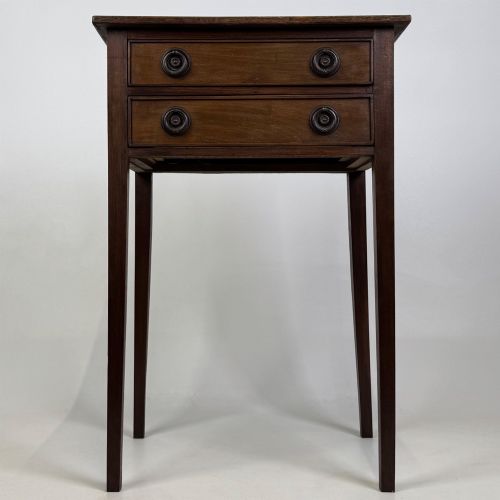
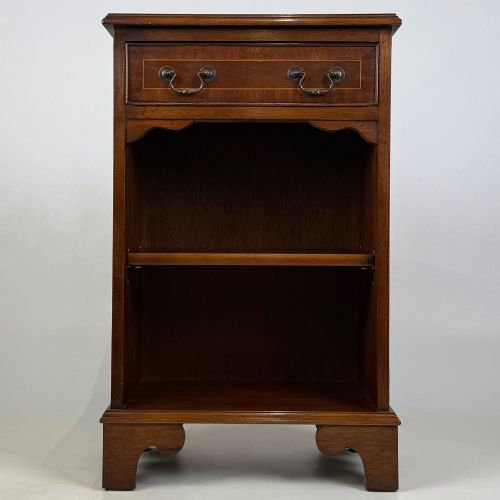
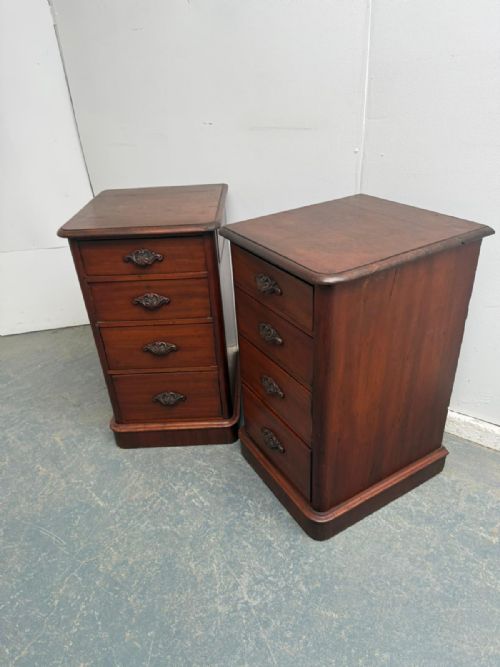
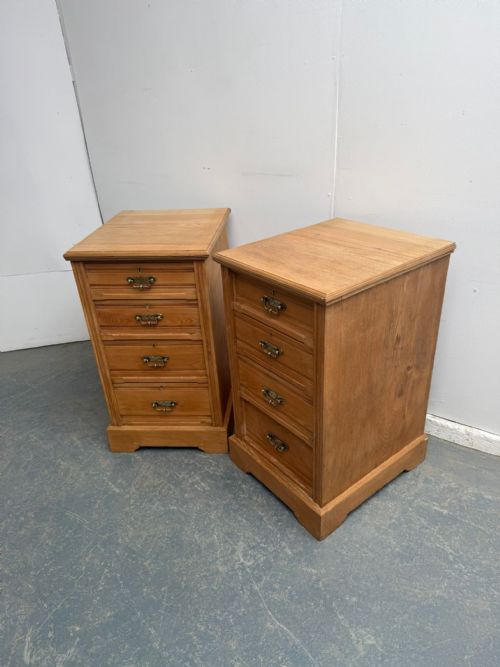
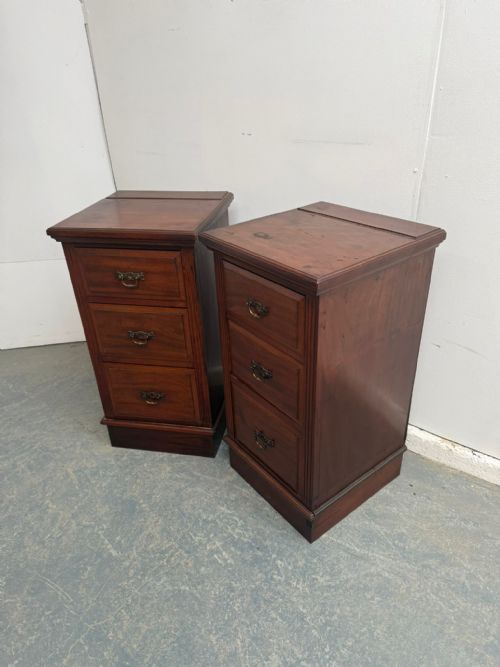
A small antique wood cabinet serves various domestic functions, appearing as bedside chests, wall-hanging cupboards, tabletop collectors' cases, and slender display vitrines. When searching this phrase, buyers encounter pieces spanning the Georgian, Victorian, Edwardian, and early twentieth-century periods.
The forms vary widely according to their original domestic use, ranging from pot cupboards and nightstands to miniature bookcases and music cabinets. Mahogany and oak dominate the selection, accompanied by walnut, satinwood, ash, and rosewood.
Edwardian and Victorian examples appear most frequently, reflecting the demand for compact furniture during those eras. Regional variations and revival styles, including Gothic Revival and Arts and Crafts, also shape the available selection.
Materials and Construction
Cabinet makers utilised solid hardwoods and selected veneers, primarily mahogany and oak, building carcases with traditional dovetailed joints and panelled backs. Secondary timbers such as pine or deal often appear in internal drawer linings and hidden framing.
Surface decoration relies on natural wax finishes, French polish, and detailed inlay work using contrasting woods like satinwood, boxwood, and ebony. Brass handles, hinges, and escutcheons complete the hardware, varying from simple drop rings to ornate chased backplates.
Listings feature woods including mahogany, oak, walnut, satinwood, and rosewood across periods from the eighteenth century to the 1930s.
Assessing Quality
The standard of a small antique wood cabinet rests on the selection of timber grain and the precision of the joinery. Superior pieces display book-matched veneers, crisp hand-carved details, and tight, flush joints that endure across centuries.
Hardware originality and secondary wood selection distinguish high-grade workshops from mass production. Well-executed marquetry inlay, sound drawer construction, and intact original glass panes elevate a piece above standard utility items.
Edwards and Roberts
The Small Wood Cabinet Glossary
- Vitrine
- A glass-fronted display cabinet or showcase designed for exhibiting porcelain, books, or small curiosities. These pieces often feature glazed sides to maximise light penetration.
- Marquetry
- Decorative veneer work forming geometric patterns or pictorial designs by fitting thin slices of various coloured woods together. Craftsmen apply these patterns to drawer fronts and cabinet doors.
- Pot cupboard
- A small bedside cabinet designed originally to enclose a chamber pot. They frequently incorporate a small door above a lower shelf or enclosed space.
- Kodansu
- A traditional Japanese small cabinet or chest containing multiple internal drawers, often decorated with lacquer and gilt work. They were utilised for storing documents, seals, or jewellery.
- Crossbanding
- A narrow strip of veneer applied to the border of a panel or drawer front with the grain running perpendicular to the central panel. This technique frames the primary wood grain.
Small Wood Cabinet: Frequently Asked Questions
Where should I place a small antique cabinet?
These compact pieces adapt easily to narrow hallways, bedside spaces, or living rooms where floor space is limited. Their modest proportions allow them to function as lamp tables or auxiliary storage surfaces.
Position them away from direct heat sources and strong sunlight to protect fragile polishes and aged wood veneers from drying out or fading over time.
How do I clean an antique wood cabinet?
Dust the surfaces regularly with a soft, dry, lint-free cloth to prevent particulate accumulation in carved details and corners. Avoid modern silicone sprays or household polishes that can damage historic finishes.
Apply a quality beeswax or traditional furniture wax sparingly once or twice a year to nourish the timber and maintain a soft, protective sheen.
How do I date an antique cabinet?
Examine the construction methods, nail types, drawer dovetails, and secondary timbers to establish an approximate period of origin. Hand-cut dovetails and irregular hand-sawn boards generally indicate older Georgian or early Victorian craftsmanship.
Compare the hardware, decorative styles, and veneer choices against known design periods like the Arts and Crafts movement or Edwardian revival styles.
Can I use a bedside cabinet for storage?
Bedside cabinets and small chests offer practical enclosed compartments for books, reading glasses, and personal items. Their internal shelves and drawers keep everyday necessities neatly concealed.
Ensure items stored inside are dry and free from moisture to prevent internal humidity damage to the antique timber.