


Small Runner Rug
A small antique runner rug brings tactile warmth and enduring regional pattern into a corridor or compact room.
Small Runner Rug
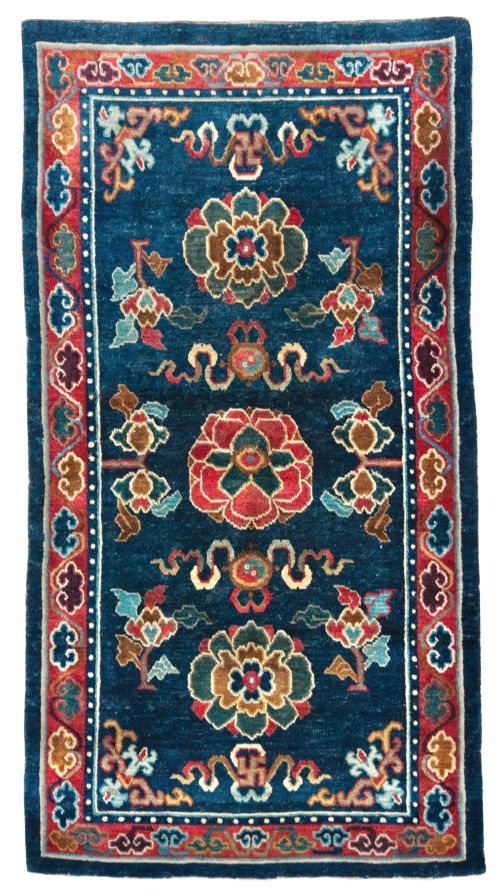
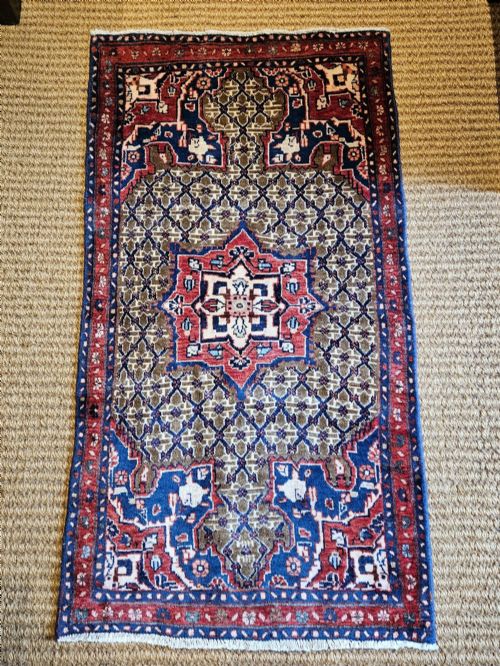
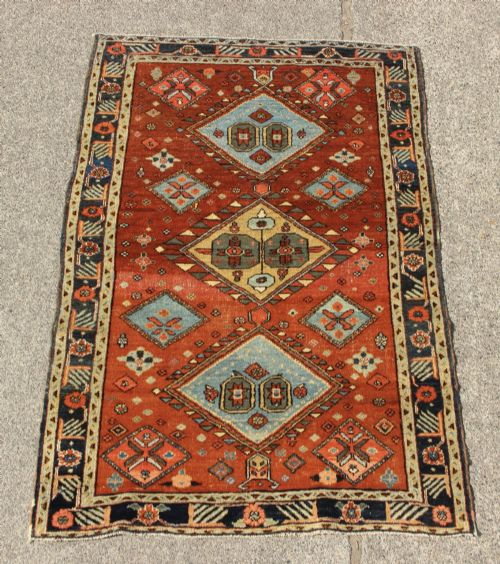
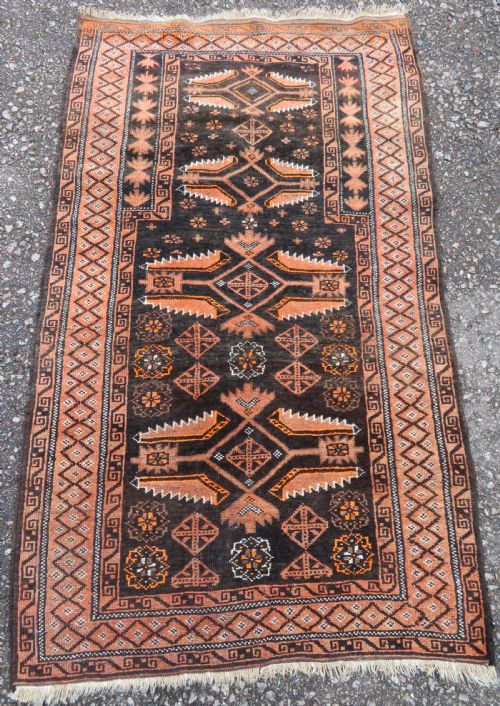
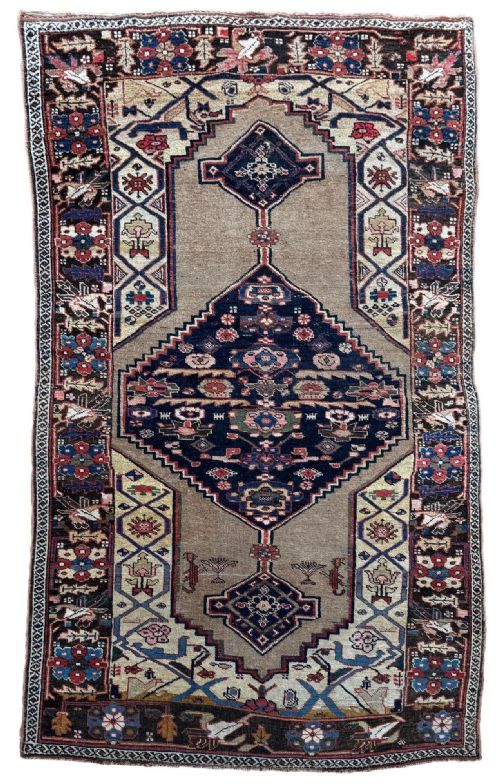
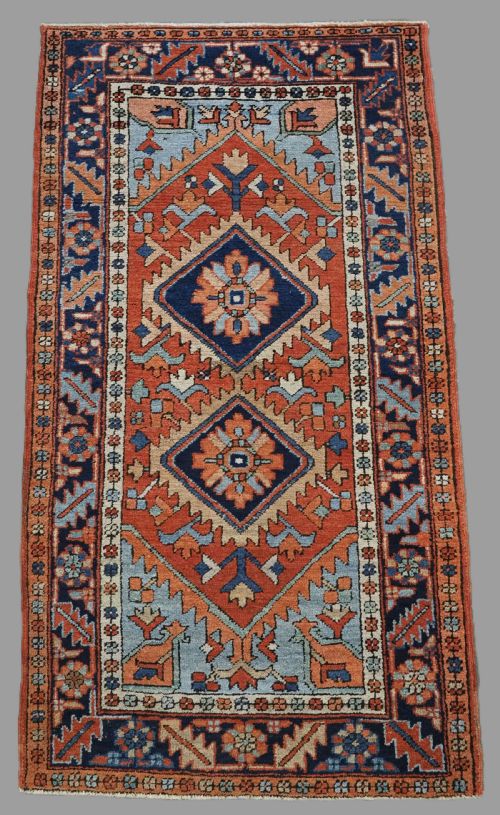
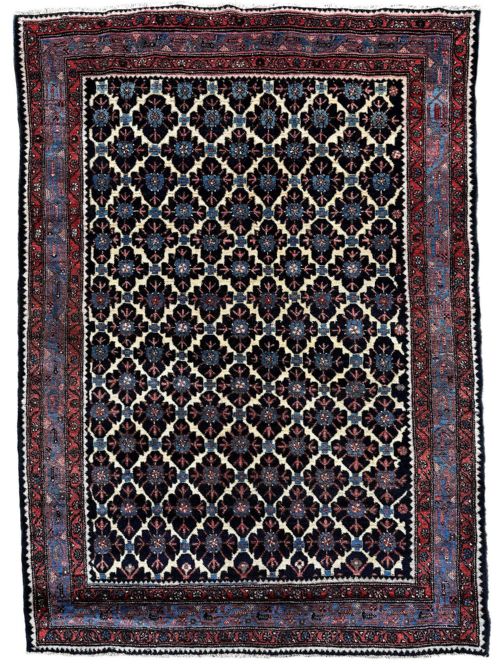
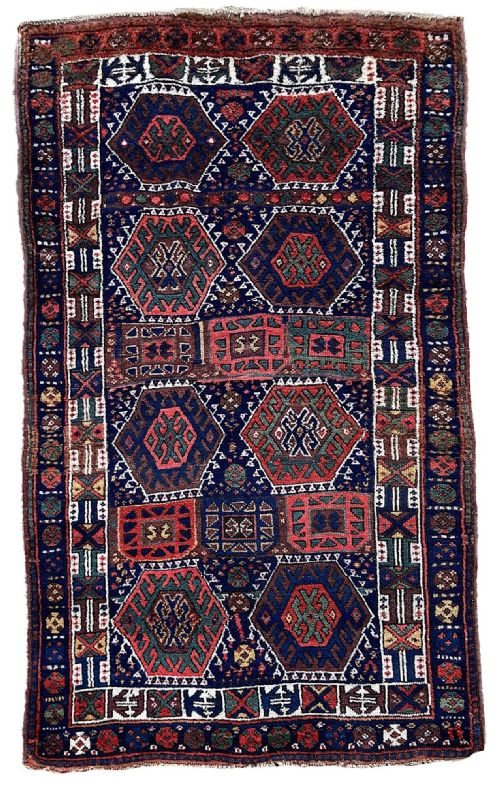
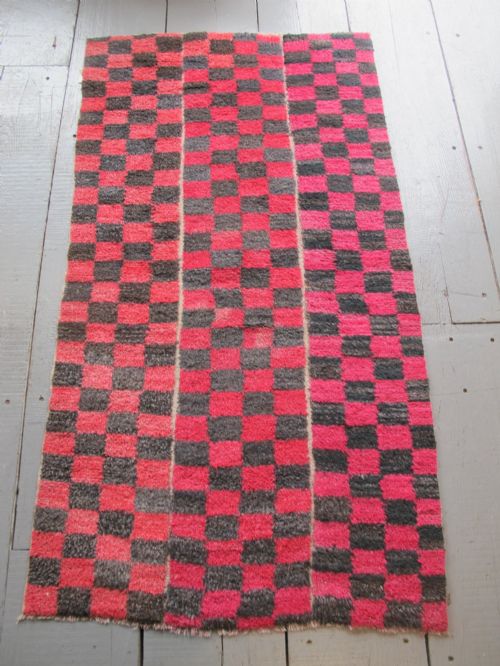
A small antique runner rug serves as a narrow floor covering, suited for hallways, bedside placements, and compact spaces where standard carpets prove too large. These textiles emerge from diverse weaving traditions across Persia, Anatolia, the Caucasus, and Central Asia, spanning the nineteenth and early twentieth centuries.
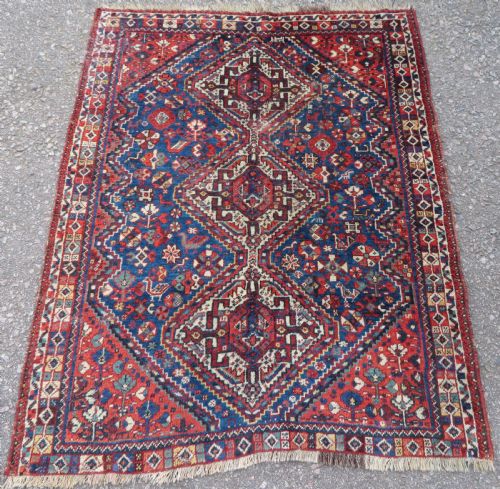
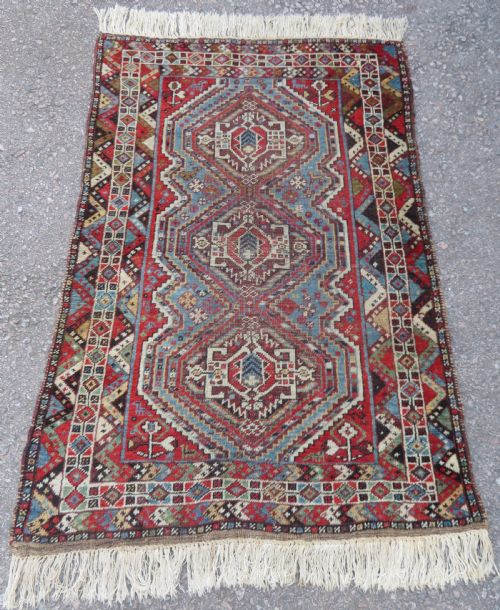
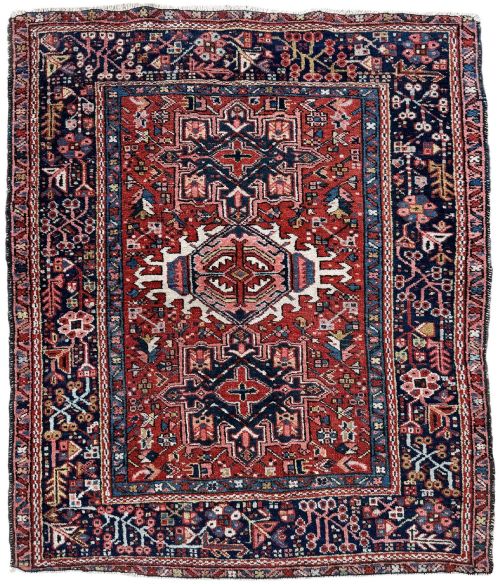
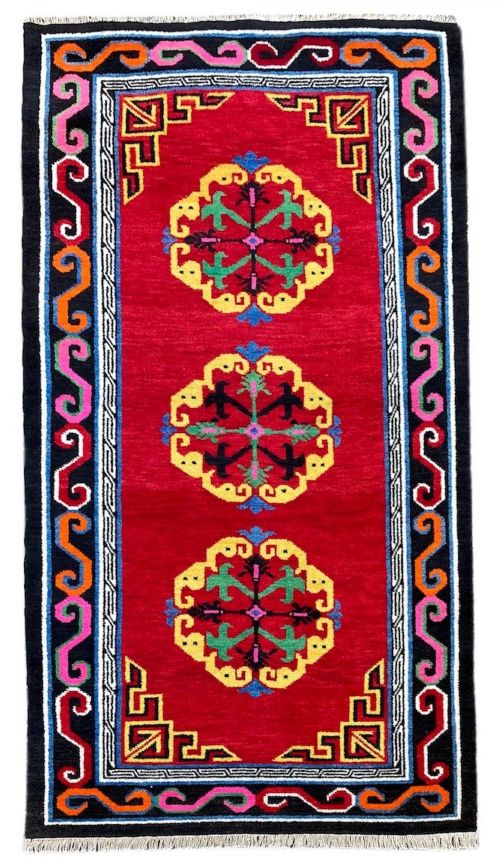
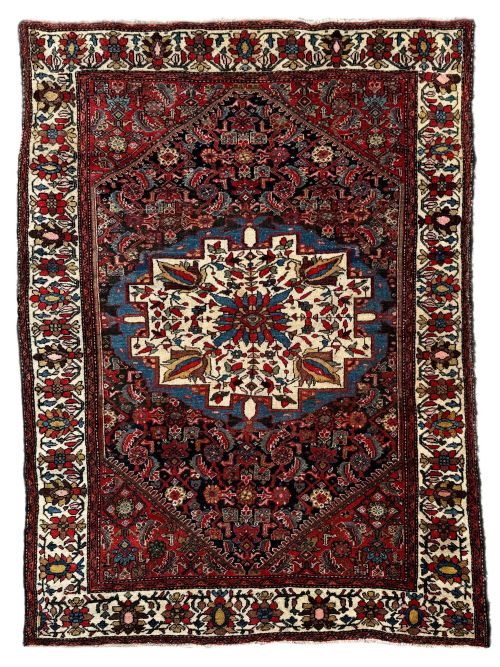
Village and tribal examples display geometric medallions, repeating boteh motifs, and tribal symbols unique to their originating regions. Workshop pieces provide finely drawn floral layouts and balanced medallions executed with meticulous precision.
Materials and Construction
These textiles rely primarily on wool and hand-spun wool foundations and piles, providing resilience and a rich tactile surface. Cotton serves frequently for warps and wefts in workshop productions, while silk appears in specialised prayer formats.
Natural dyes impart the characteristic colour palettes seen across these pieces, yielding complex secondary shades that mature gracefully over decades. Weavers tied pile knots onto warp threads or constructed flatweaves, securing the ends with braided or overcast selvedges.
Several nomadic weavers tucked tiny protective amulets directly into the foundation wool to ward off the evil eye.
Assessing Quality
Quality reveals itself in the density of the weave, the clarity of the design motifs, and the depth of the natural dyework. Finer knot counts allow for sharper geometric or floral delineation, separating workshop masterpieces from coarser village work.
The integrity of the foundation, the retention of original borders, and the stability of the wool pile determine the structural longevity of the piece. Subtle variations in dye saturation, often called abrash, demonstrate the authentic hand-dyeing processes of earlier eras.
The Small Runner Rug Glossary
- Abrash
- Natural tonal variation within a field of colour caused by batches of hand-spun yarn taking dye differently. This characteristic indicates traditional dyeing methods.
- Warp
- The vertical threads stretched tightly on the loom that form the structural foundation of the textile. Fringe ends typically consist of exposed warp threads.
- Weft
- The horizontal threads passed back and forth over and under the warps to bind the knots in place. They determine the cloth structure between rows of pile.
- Selvedge
- The reinforced outer edge of a rug running parallel to the warp, protecting the sides from fraying. Original bindings signify a well-preserved textile.
- Prayer rug
- A small format featuring a mihrab or niche design used historically for personal devotion. The arch motif points toward Mecca during use.
- Boteh
- A Paisley-like almond or pine-cone motif originating in Persian textile tradition. It symbolizes life and eternity through its curved floral shape.
Small Runner Rug: Frequently Asked Questions
Where should I place a small antique runner rug?
These narrow formats suit hallways, entryways, kitchens, and narrow landings where floor space is limited. They also fit comfortably beside a bed or in front of a fireplace hearth.
Because of their historical nature, placing them in moderate-traffic zones preserves the pile while allowing them to be enjoyed daily.
How do I care for an antique wool rug?
Gentle, regular suction vacuuming without a rotating beater bar prevents dust accumulation in the wool pile. Professional cleaning by specialists in antique textiles ensures the natural dyes remain stable.
Keep the textile out of direct, prolonged sunlight to prevent fading of the natural dyestuffs over the years.
What is the difference between tribal and workshop rugs?
Tribal rugs are woven by nomadic or village communities using memory-based geometric designs and local materials. They display individual character and irregular, expressive motifs.
Workshop rugs are produced in established towns under master designers, featuring refined floral compositions, balanced symmetry, and higher knot densities.
How can I identify the age of an antique rug?
Age is assessed through structural analysis, material evaluation, and stylistic convention. Hand-spun wool, specific knot types, and traditional natural dye palettes point toward nineteenth or early twentieth-century production.
Design motifs often align with historical weaving periods associated with specific Persian or Caucasian regions.