





Hand Woven Baluch Carpet
A hand woven baluch carpet brings the nomadic artistry of tribal weavers into a room through deep earthy palettes and geometric patterns.
Hand Woven Baluch Carpet
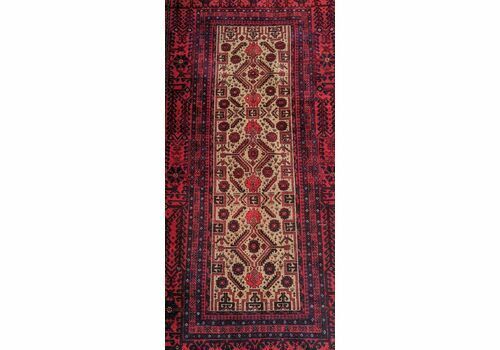
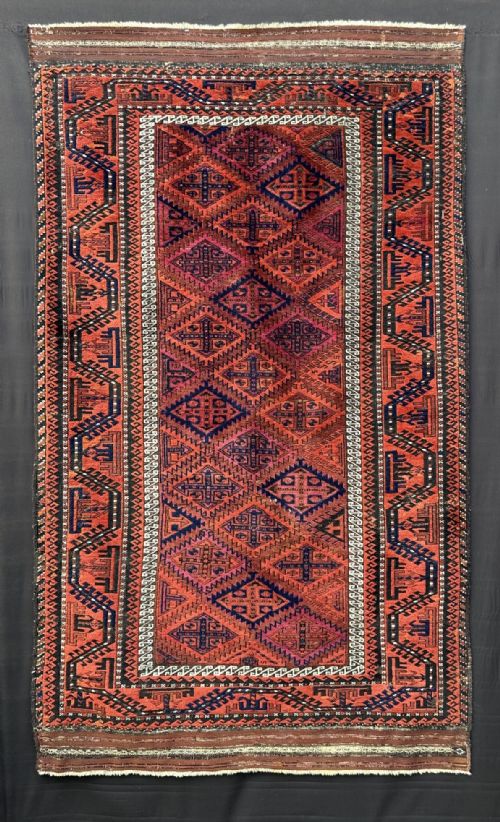
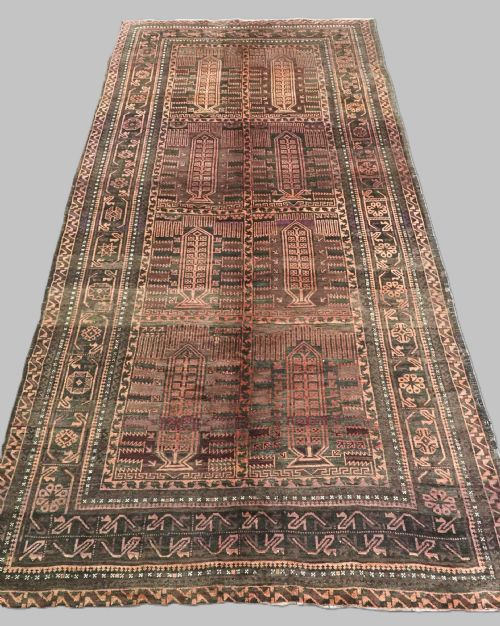
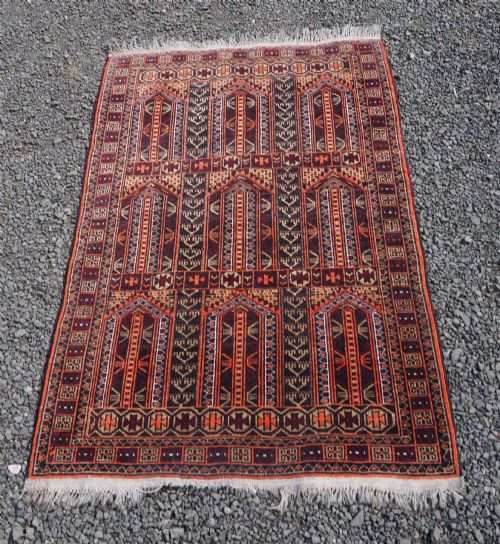
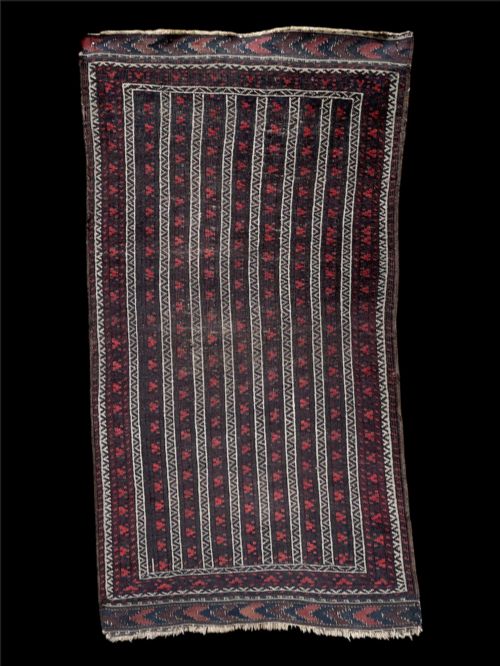
A hand woven baluch carpet is a tribal floor covering created by nomadic and village weavers across the borderlands of Afghanistan, Persia, and Khorasan. These textiles frequently appear as smaller formats like village rugs or prayer rugs, though larger main carpets also surface.
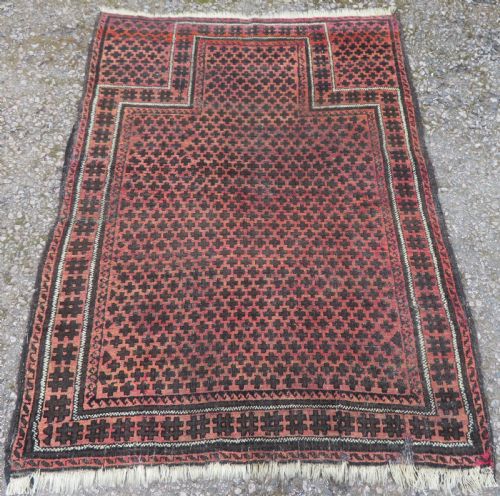
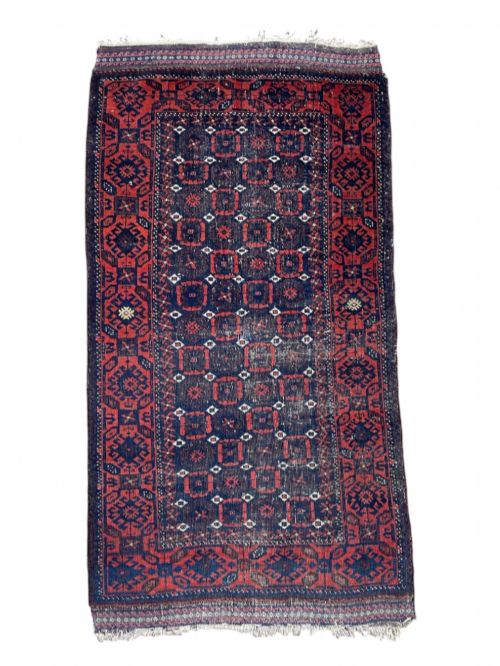
The visual vocabulary relies on traditional tribal motifs such as the pencil box or kalam donneh pattern, mina khani lattice work, and repeated octagons. Prayer formats display single or multiple mihrab arches designed for private devotion.
Pieces span from the nineteenth century into the early decades of the twentieth century, reflecting a distinct period before commercial standardisation overtook village production.
Evaluating quality and execution
Quality rests primarily on the fineness of the weave, the clarity of the tribal motifs, and the depth achieved by natural dye formulas. Tighter knotting supports greater longevity in daily use while keeping the geometric layouts sharp.
The choice of supplementary materials, such as the inclusion of camel hair for soft outlining, distinguishes more accomplished pieces. The integrity of the foundational wool and the preservation of the original outer borders also influence the overall standing of an example.
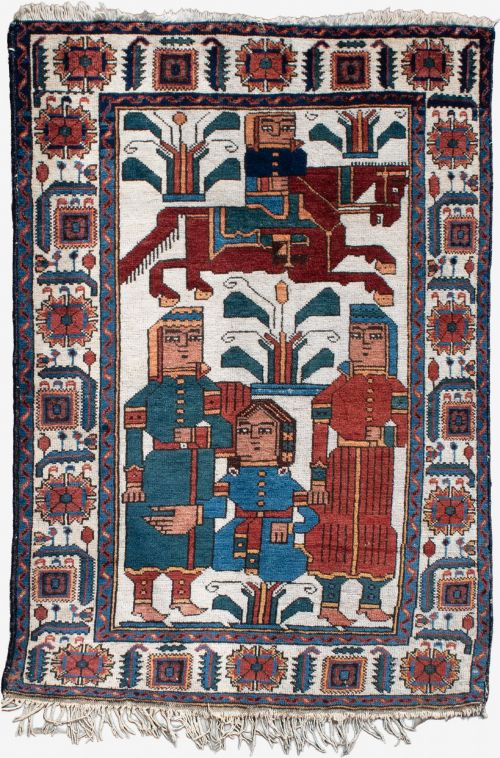
Some weavers incorporated small pictorial elements or stray animal motifs into rigid geometric grids, revealing quiet moments of artistic play.
The Hand Woven Baluch Carpet Glossary
- Mihrab
- An arched niche design found on prayer rugs, pointing toward Mecca during daily devotion. This motif is frequently rendered in single, double, or triple variations.
- Kalam Donneh
- A repeating pattern resembling a pencil box or stylized shrub, common in Western Afghan weaving. The motif creates a structured field of slanted boteh-like shapes.
- Mina Khani
- A repeating grid lattice pattern enclosing floral or geometric rosettes. This classical design links tribal Baluch pieces to broader Persian traditions.
- Gul
- A medallion or octagonal tribal motif repeated across the main field of the carpet. Each design often signifies a specific subgroup or geographic origin.
- Chakhansur
- A regional designation originating from western Afghanistan associated with distinct weaving traits. Pieces attributed here often display robust main carpet formats.
Hand Woven Baluch Carpet: Frequently Asked Questions
Where were these carpets made?
These textiles were produced by nomadic and semi-nomadic groups across the border regions of Afghanistan, eastern Persia, and Khorasan. Weavers worked within tribal communities rather than urban workshops.
Production spanned traditional pastoral routes, resulting in regional variations linked to specific provinces and tribal affiliations.
How do I identify a prayer rug?
Prayer formats are distinguished by the inclusion of an arched mihrab at one end of the field. These rugs were intended for personal devotional use.
They generally measure smaller than main carpets to allow for portability during seasonal migrations.
What are natural dyes?
Natural dyes are colourants derived from plants, roots, insects, and minerals rather than synthetic compounds. They produce rich tones that mellow gracefully over time.
In these textiles, natural dyes account for the deep indigo, madder red, and dark brown shades.
How should I care for an antique rug?
Protect the textile by placing it in areas with moderate foot traffic and avoiding direct, harsh sunlight. Regular gentle vacuuming without a rotating brush helps prevent dust accumulation in the wool pile.
Professional cleaning should be undertaken sparingly by specialists experienced in antique tribal carpets.