


Small Chest
A small antique chest brings centuries of practical timber storage into compact modern rooms.
What these pieces are
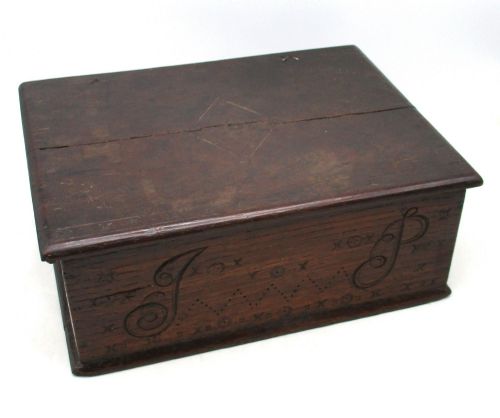
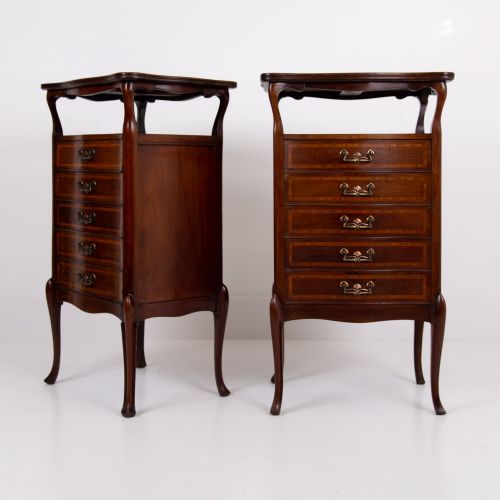
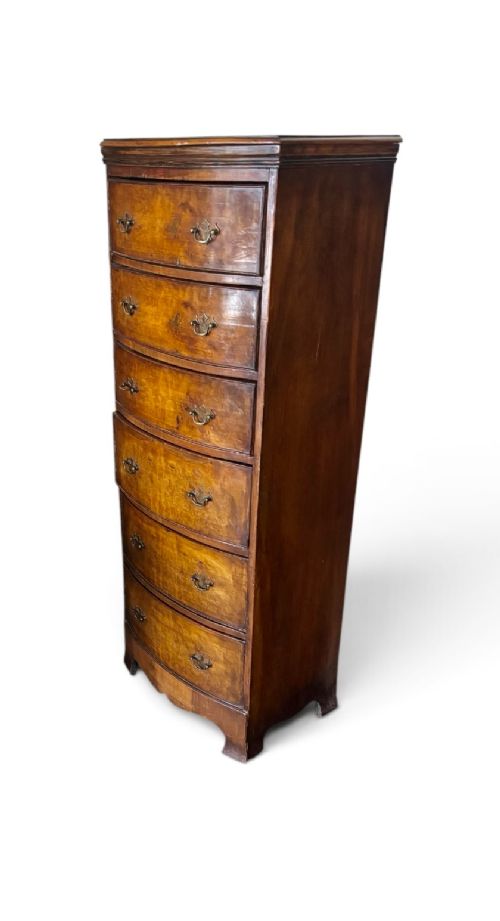
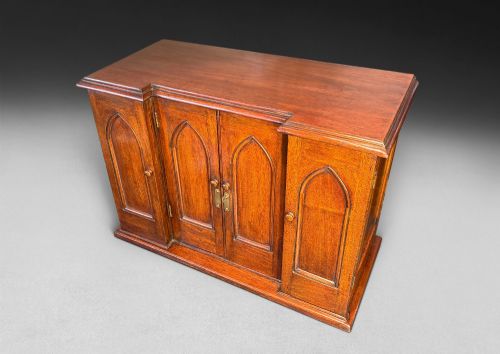
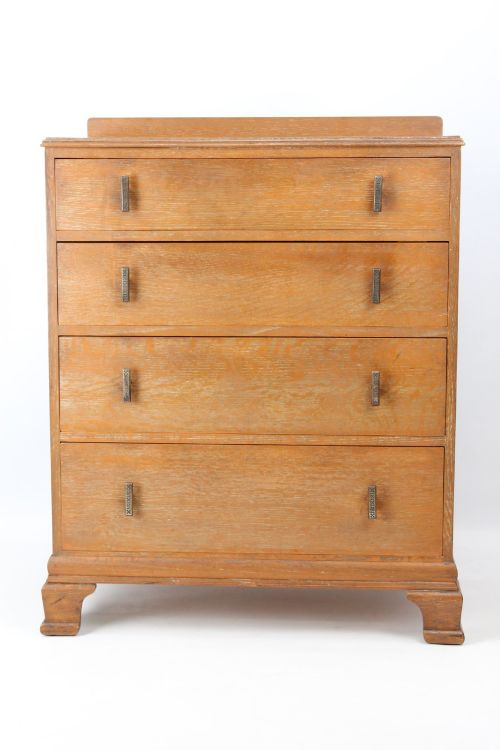
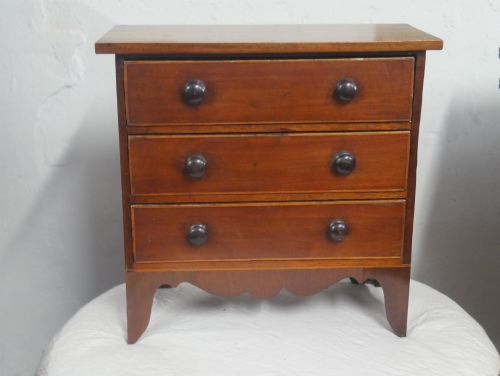
A small antique chest covers compact timber storage forms including chests of drawers, coffers, tallboys, and bachelors chests. These pieces span from the 17th century through the 18th century, 19th century, and into the 20th century.
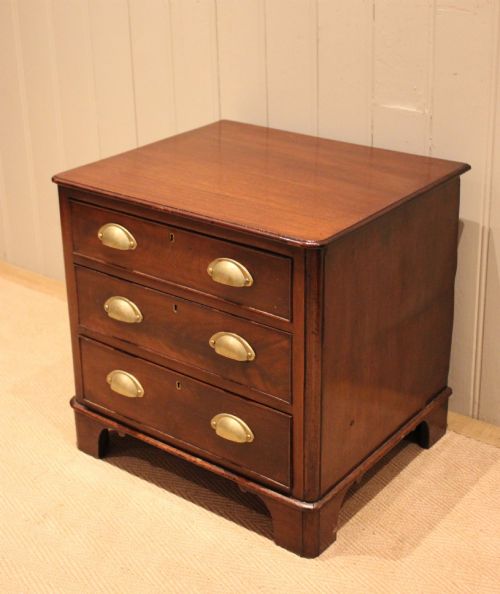
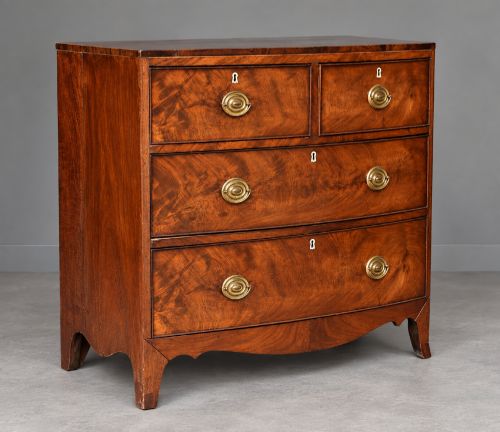
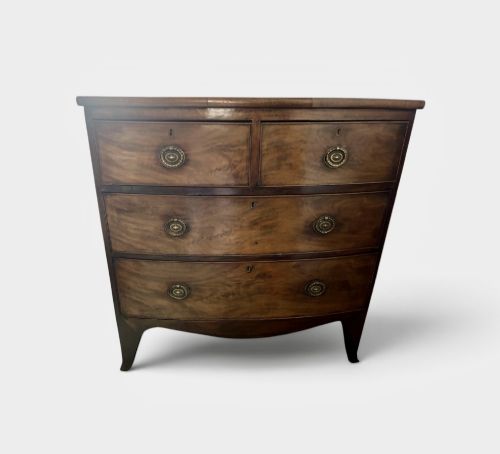
The most common examples on this page are chests of drawers in mahogany, oak, and walnut, often reflecting Georgian, George III, Regency, or Jacobean styles. Formats range from simple four-drawer banks to bow front designs and pieces with brushing slides.
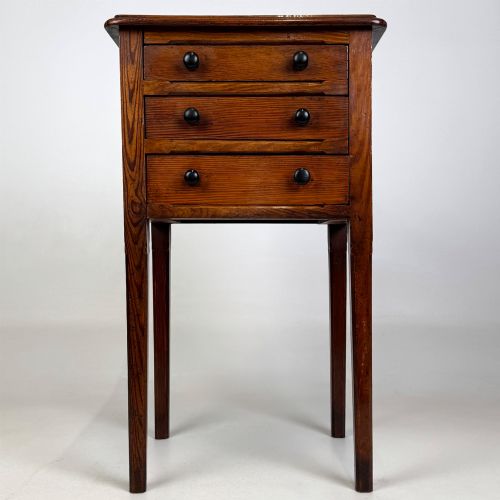
Earlier examples include joined oak coffers and moulded front chests from the 17th century, whilst later Victorian and 20th century pieces continue the tradition in pine, oak, and yew wood.
How they were made
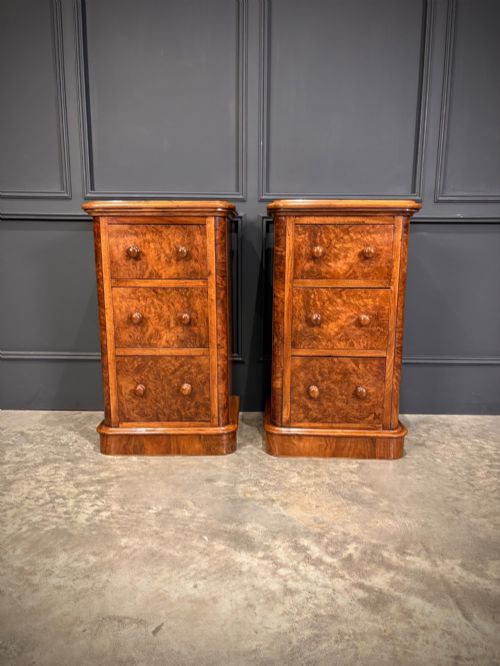
Cabinet makers utilised solid hardwoods such as oak, mahogany, walnut, and pine, frequently applying decorative veneers like burr walnut and crossbanded details. Timber selection defined both the structural integrity and the external appearance of the piece.
Construction involved traditional joinery techniques, seen in moulded drawer fronts, panelled coffer construction, and the integration of brass hardware for handles and locking mechanisms.
Retail Price Guide 2026
Typical UK retail prices for small chest, calculated from the Sellingantiques database of over a million retail prices indexed since 2003. This retail price guide relies exclusively on Sellingantiques data; no external sources or auction records are used, so the figures do not describe the wider market.
Some chests hide sliding shelves originally intended for brushing the dust off gentlemanly waistcoats.
What varies in quality
Quality rests in the choice of timber figure, such as rich mahogany grain or burr walnut veneers, paired with crispness in the moulding and proportion. Pieces showing considered crossbanding or serpentine drawer layouts sit at the higher end of the scale.
Subtleties of period detail, from early brasses to well-executed brushing slides and secondary timber use, distinguish standard domestic items from finer Georgian and George II examples.
The Small Chest Glossary
- Bachelors chest
- A small compact chest of drawers featuring a pull-out brushing slide used for writing or dressing. These versatile pieces date predominantly from the Georgian era.
- Brushing slide
- A pull-out wooden shelf integrated above the top drawers. It provided a clean surface for brushing clothes or light administrative tasks.
- Bow front
- A convex curved front profile popular on Georgian and 19th-century chests of drawers. This styling softens the geometric lines of the cabinet.
- Coffer
- A heavy storage chest constructed from oak with panelled sides and lid. It represents some of the earliest domestic furniture forms seen here.
- Crossbanding
- A decorative border of veneer laid around the perimeter of a drawer front or top with the grain running at right angles to the central panel.
Frequently Asked Questions
What is a small antique chest?
A small antique chest is a compact timber storage item designed for domestic use, encompassing chests of drawers, coffers, and tallboys.
These pieces range in date from the 17th century to the 20th century and appear in woods like mahogany, oak, and walnut.
What woods were used?
Cabinet makers utilised native and imported timbers including oak, mahogany, walnut, burr walnut, pine, and yew wood.
Veneers and crossbanding were frequently applied to enhance the decorative visual grain of the surfaces.
How do I live with one?
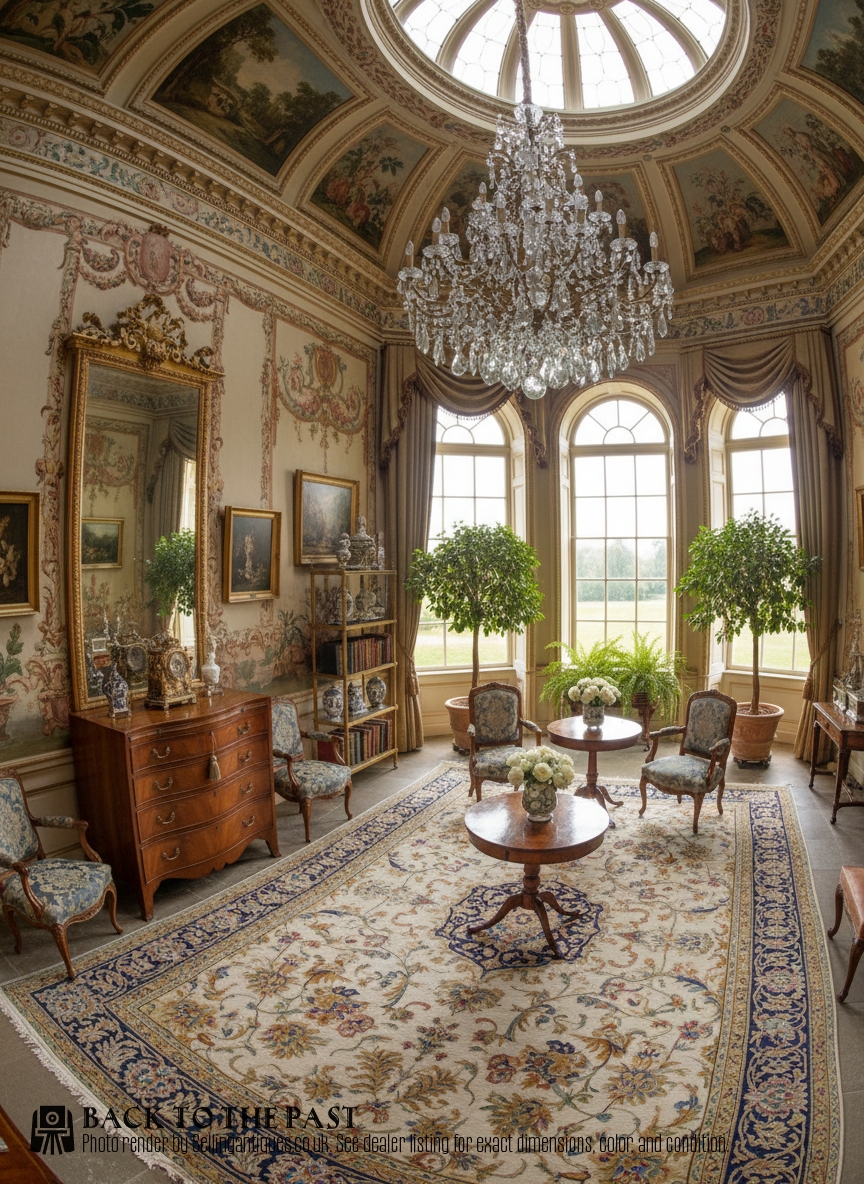
These compact chests serve well in bedrooms, hallways, or living spaces where floor area is limited yet storage is required.
Their restrained proportions allow them to integrate easily beside modern or traditional interior schemes.