


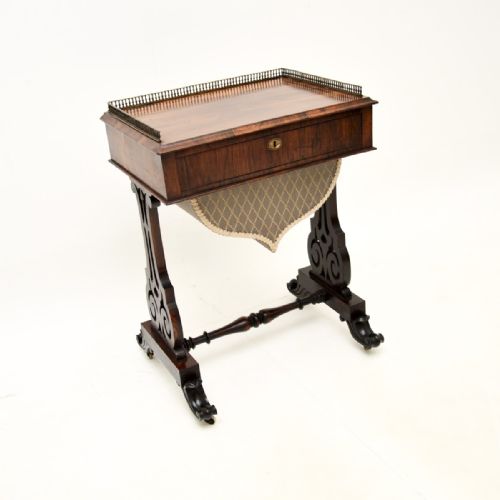

Small Brass Box
A small antique brass box holds tiny treasures, combining metalwork and portable storage in pieces from the Georgian, Victorian, and Edwardian eras.
Small Brass Box
A small antique brass box is a compact container designed for desk, table, or travel use. The phrase covers diverse forms spanning snuff containers, pill boxes, trinket holders, and miniature campaign chests.
Pieces on this page date from the eighteenth century through to the early twentieth century. Common styles include Victorian, Georgian, Edwardian, and French nineteenth-century designs.
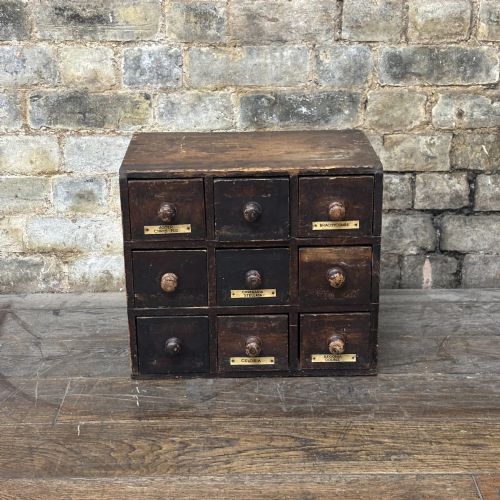
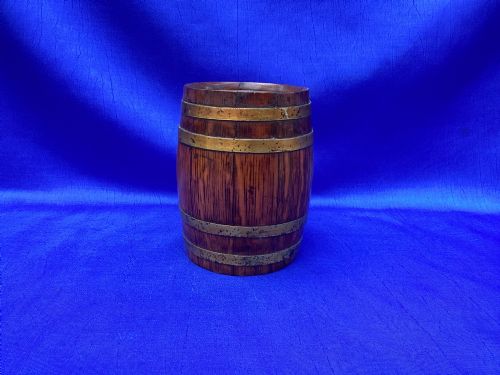
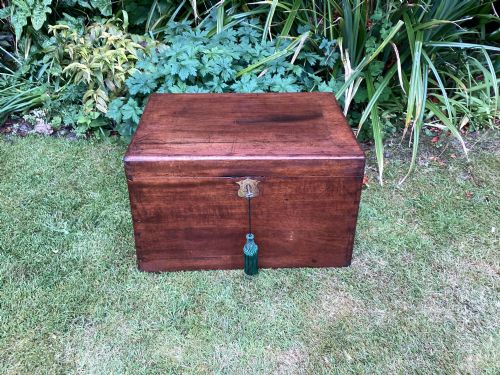
Materials vary widely alongside brass. Many examples combine metal mounts with woods like oak, mahogany, walnut, camphor wood, and elm, or feature glass, leather, and agate panels.
How They Were Made
Maker techniques rely on combining solid timbers or glass with cast and sheet brass components. Corner brackets, strapwork, hinges, and lock plates provide structural reinforcement and decorative contrast.
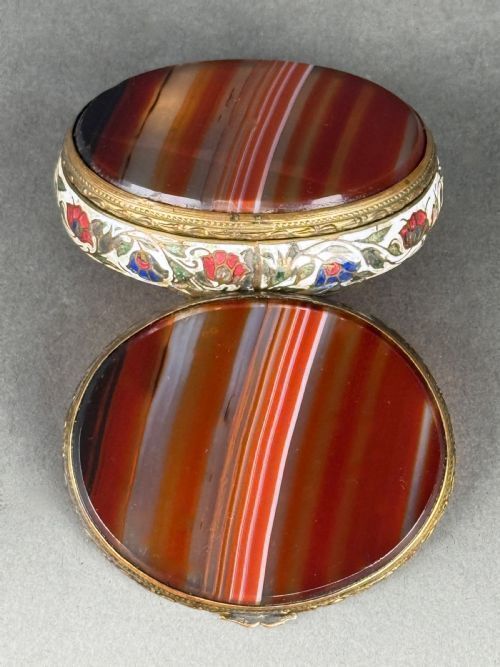
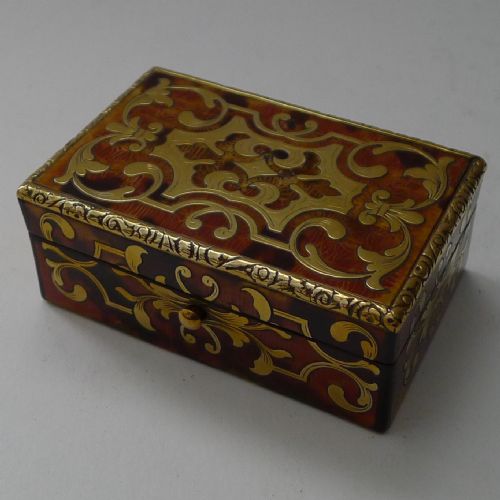
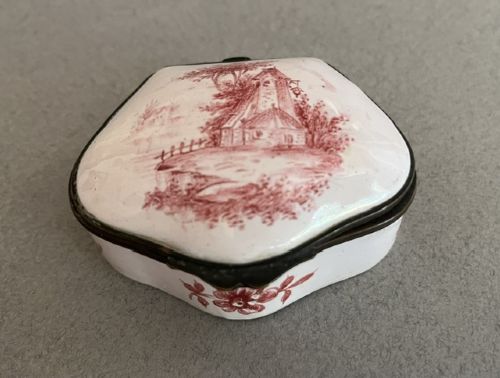
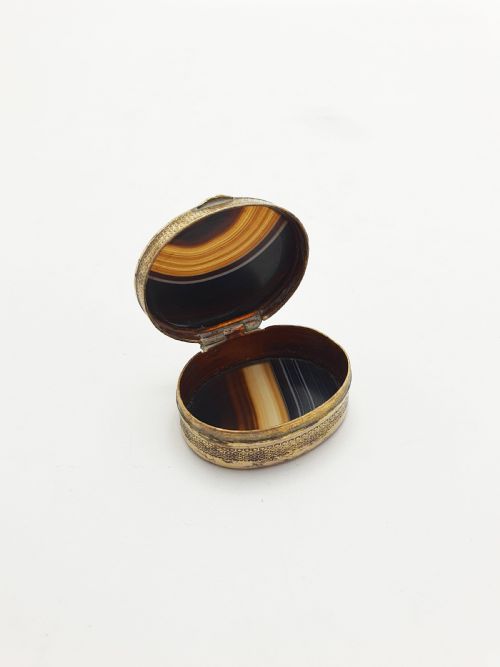
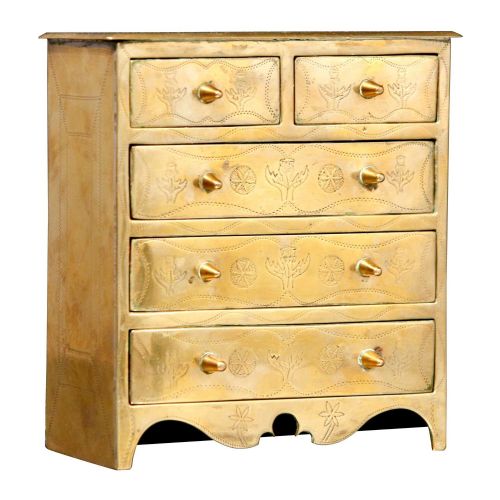
Surface treatments involve polishing, engraving, enamel work, and inlay. French examples often integrate champlevé enamel, boulle marquetry, or banded agate within gilt brass frames.
Listings include items made from oak, mahogany, walnut, camphor wood, elm, and teak, combined with brass mounts and glass.
What Varies in Quality
Quality rests upon the crispness of the brass casting and the precision of the joinery. Superior pieces display tight mitres, well-fitted lids, and secure hinges that operate smoothly.
Material selection and decorative depth separate standard items from finer works. The inclusion of decorative stones, hand engraving, or distinct woodgrains elevates a piece significantly.
Tahan Paris
The Small Brass Box Glossary
- Campaign trunk
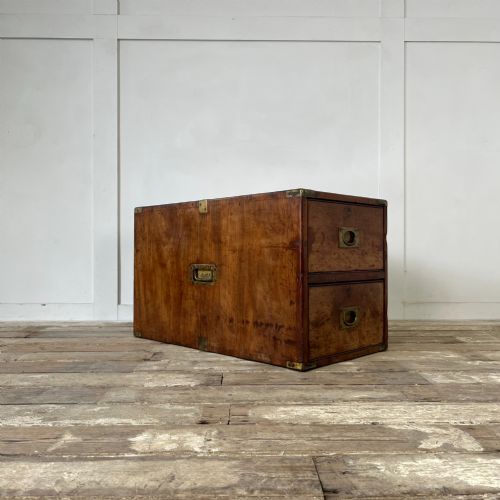
- A portable storage chest made for travel, typically fitted with brass corners, strapwork, and recessed carrying handles. These items were built to withstand military journeys.
- Champlevé
- An enamelling technique where troughs are dug into a metal surface and filled with vitreous enamel before firing. This method creates colourful patterns bordered by thin metal lines.
- Coffer bach
- A small Welsh oak chest raised on feet, often featuring panelled construction and traditional joinery. These miniature coffers served various household storage purposes.
- Trinket box
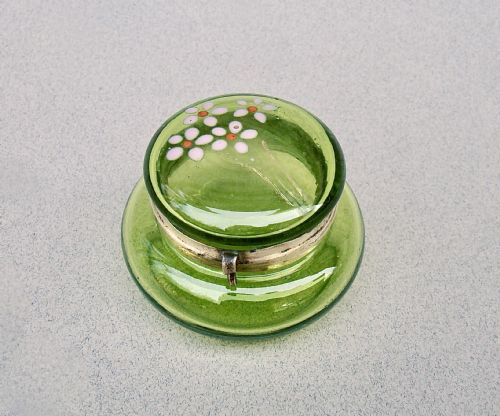
- A small lidded container used for holding jewellery, pins, or personal mementos. They appear in glass, ceramic, and timber, frequently mounted in brass.
- Stationery box
- A desktop cabinet designed to hold writing paper, envelopes, and correspondence. Many incorporate sloping lids and internal dividers.
Small Brass Box: Frequently Asked Questions
What were small antique brass boxes used for?
These boxes served multiple domestic and travel functions across past centuries. People used them to store stamps, snuff, pills, jewellery, and correspondence.
Portable versions accompanied travellers on journeys, while desk and table variants remained in studies and parlours to organise small personal items.
How can I tell the period of a brass box?
Dating relies on combining material evidence with stylistic clues. Eighteenth-century pieces often feature solid oak or elm with hand-cut joinery, while Victorian examples frequently employ exotic woods like camphor wood and walnut alongside machine-stamped brass.
Examining construction methods, locks, and hinges provides further context regarding the decade of manufacture.
Are these boxes made entirely of brass?
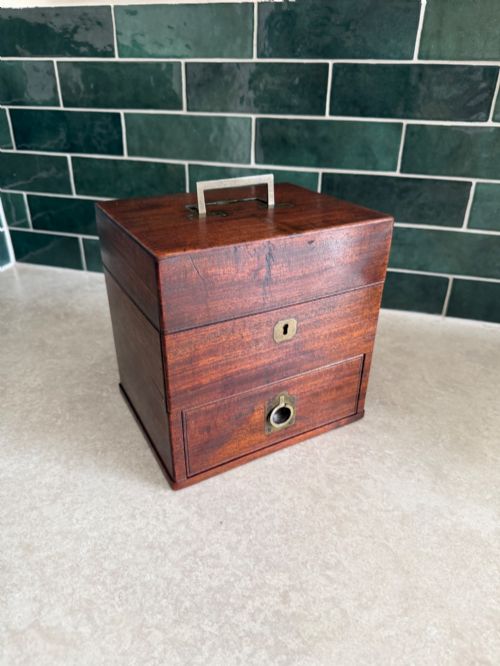
Most pieces feature brass as an accent material rather than the primary structure. Timber carcasses formed from oak, mahogany, walnut, or camphor wood are mounted with brass corners, hinges, and escutcheons.
Some smaller items like pill boxes and trinket cases utilise glass, agate, or enamel framed within gilt brass mounts.
How do I care for antique brass and wood?
Maintenance requires gentle cleaning to preserve the natural patina accumulated over centuries. Dusting with a soft cloth keeps surfaces clear, while occasional waxing protects exposed timber.
Harsh metal polishes should be avoided on brass mounts to retain their aged appearance and prevent damage to surrounding wood or enamel.