


French Brass Marquetry Box
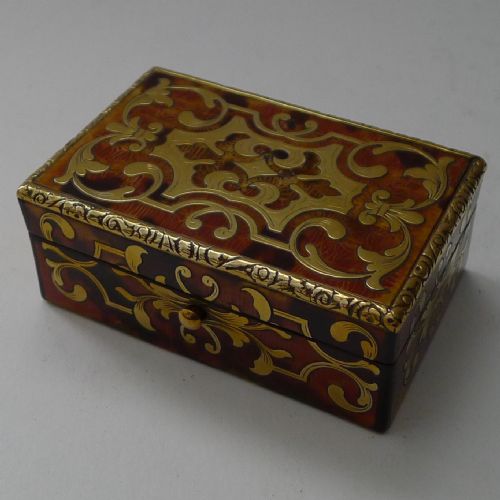
These french brass marquetry box pieces combine tortoiseshell, exotic woods and metal inlay for storing tea, writing accessories and treasures.
French Brass Marquetry Box
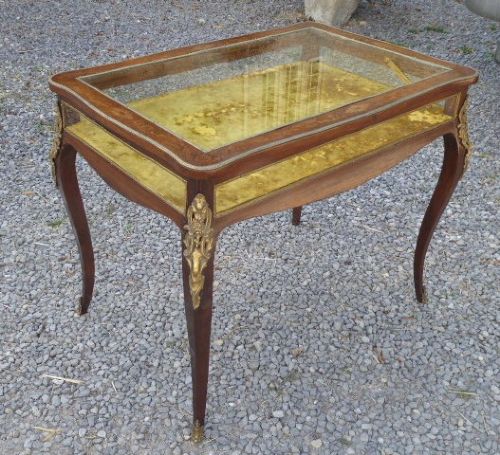
A french brass marquetry box is a decorative container designed for domestic storage and display, originating from periods such as the Victorian era, the mid nineteenth century and earlier decades. Buyers seeking this phrase encounter tea caddies, trinket boxes, writing boxes, desk stands, tantalus sets and display tables.
The objects stem predominantly from French and English workshops, utilising styles that span Napoleon III, French Restoration and Louis XV revivals. Such containers served practical purposes for writing or tea storage while functioning as ornamental furnishings for the home.
Forms vary from miniature desks and ballot boxes to sewing baskets and bijouterie tables, reflecting the diverse domestic needs of past centuries. Many examples incorporate intricate metalwork set into dark grounds of tortoiseshell or ebonised wood.
How they were made
Maker construction relies on cabinet woods like rosewood, satinwood, kingwood, walnut and ebonised wood as the primary structural body. Artisans then applied delicate veneers and geometric parquetry alongside contrasting brass inlay.
Tortoiseshell provides the dark translucent background for Boulle work, where brass and tortoiseshell are cut together in matching patterns. Glass elements appear in display tables and inner canisters, while fitted interiors often include compartments for tea or writing implements.
Secret compartments occasionally hide behind sliding panels in nineteenth-century writing boxes, built for private letters and small coins.
What varies in quality
Quality rests upon the precision of the brass inlay work and the harmonious contrast between the metal and the underlying tortoiseshell or exotic timber. Finer pieces demonstrate tight joints, well-fitted internal components such as removable canisters or inkwells, and the presence of original working keys.
The complexity of the form itself separates standard containers from superior examples, particularly where sweeping display tables, tantalus frames or intricate Boulle marquetry demand advanced cabinetmaking skill.
Lund Of Cornhill
The French Brass Marquetry Box Glossary
- Boulle
- A form of marquetry utilising brass and tortoiseshell, named after André-Charles Boulle. It creates a rich, metallic pattern against a dark organic background.
- Marquetry
- Decorative veneer applied to furniture and boxes in patterns and pictures. Craftsmen cut thin slices of wood, metal or shell to fit together tightly.
- Parquetry
- Geometric mosaic woodwork used for surfaces on desks and boxes. It employs contrasting timbers arranged in repeating angular patterns.
- Tantalus
- A locking beverage holder displaying decanters without allowing access to the contents without a key. These often appear in nineteenth-century French designs.
- Bijouterie
- Glass-topped display tables or boxes intended for showing small valuables and trinkets. They often feature brass mounts and lined interiors.
French Brass Marquetry Box: Frequently Asked Questions
What was a tea caddy used for?
Tea caddies served to store expensive loose tea leaves securely under lock and key in the dining room or drawing room. The inner compartments kept different leaf varieties separate.
Wealthy households used these containers to protect a valuable commodity from household staff or guests.
How do I date a Boulle box?
Dating relies on examining the timber construction, the style of the brass mounts, and the materials used for the carcass beneath the veneer. Victorian and nineteenth-century examples often show distinct machine or hand-cut variations in the metalwork.
Comparing the hinge types and interior linings also helps narrow the manufacturing period.
What is a tantalus used for?
A tantalus held decanters of liquor securely within a wooden frame fitted with a locking metal bar. This prevented guests or servants from pouring drinks without permission.
The clever locking mechanism exposed the decanters while keeping the stoppers firmly trapped.
How should I clean brass marquetry?
Maintenance requires gentle dusting with a soft, dry cloth to protect delicate brass and tortoiseshell surfaces from moisture damage. Avoid harsh commercial metal cleaners that can seep beneath the inlay.
Applying specialised wax occasionally helps nourish the surrounding rosewood or ebonised timber.
Are these boxes fragile?
These containers incorporate delicate materials like thin brass wire, tortoiseshell and fine wood veneers that respond to sudden changes in humidity. Placing them away from direct sunlight and heat sources preserves the structural integrity.
Careful handling ensures the intricate surface patterns remain intact over time.