
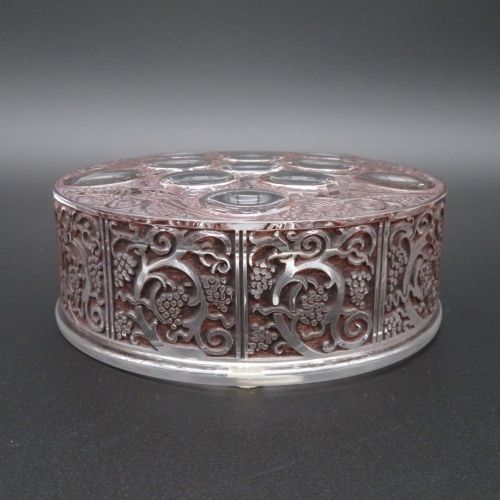
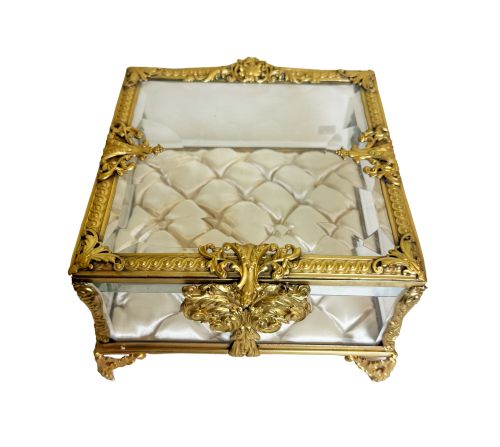
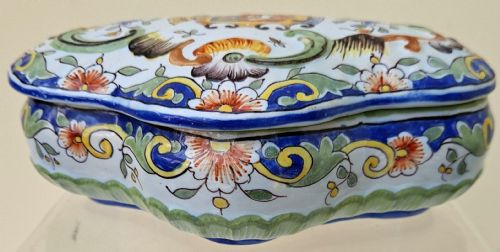

Antique French Jewellery Box
An antique french jewellery box holds small treasures with continental flair, forged from rich woods and gleaming metals during the nineteenth century.
What these pieces are
An antique french jewellery box encompasses a range of decorative caskets, table boxes, and trinket chests originating from the nineteenth century. These containers served to secure precious ornaments, rings, and keepsakes upon dressing tables and mantelpieces.
The pieces appearing through current records lean towards Victorian walnut construction enriched with brass detailing. Buyers frequently encounter table boxes and caskets that reflect the decorative tastes of the nineteenth century.
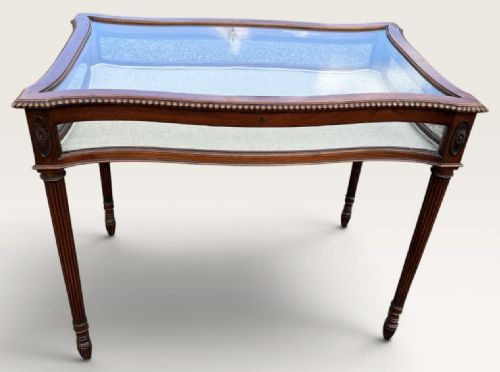
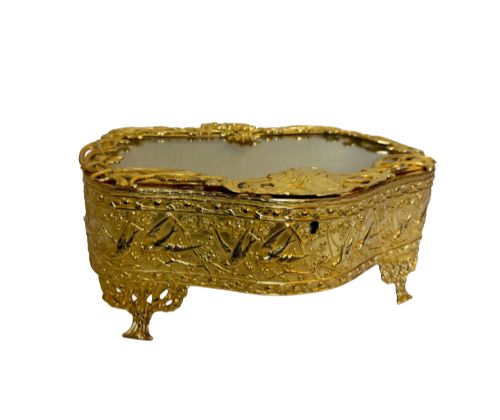
Origins trace directly to French workshops and makers employing traditional cabinet-making skills. The forms vary from simple rectangular table boxes to serpentine caskets and vitrine styles designed to display contents.
How they were made
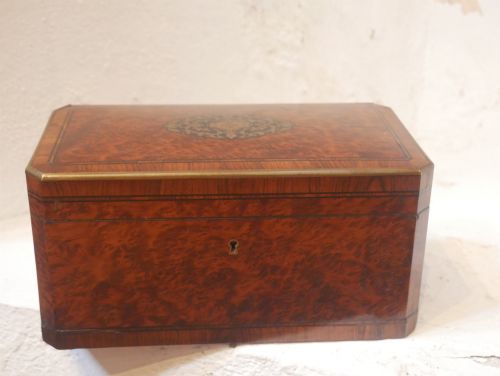
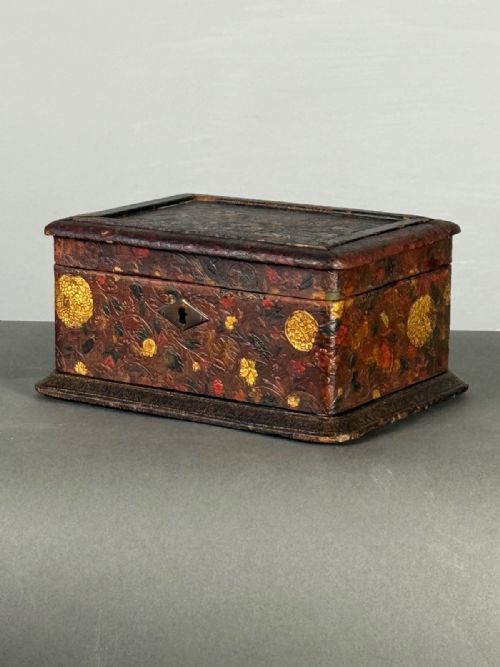
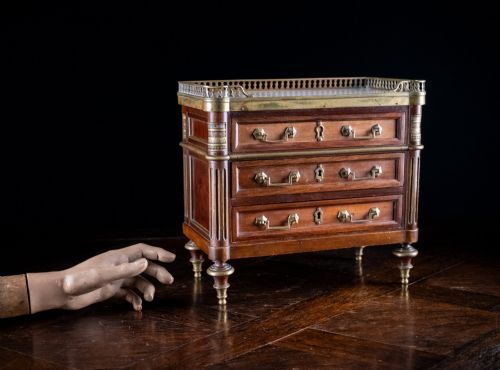
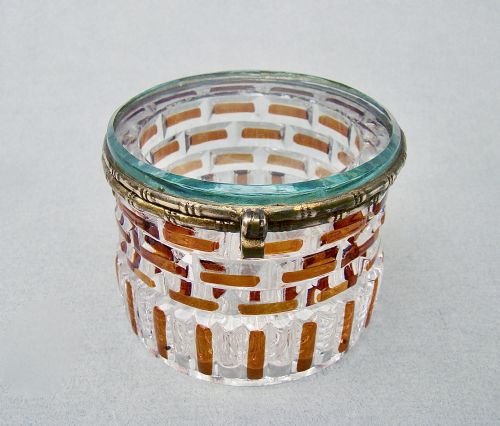
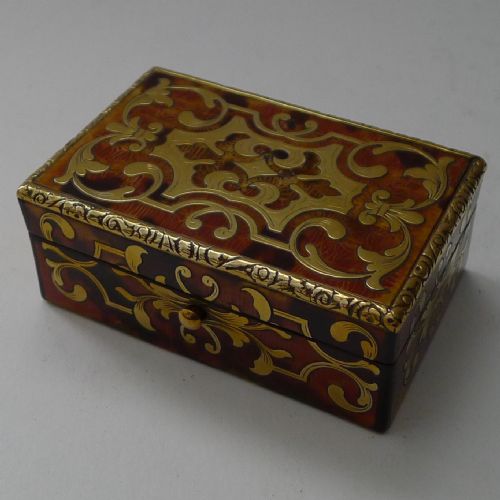
Craftsmen utilised timber foundations of walnut, beech, kingwood, burr walnut, burl thuya, and ebonised wood, often applying veneers such as tortoise shell or leather surfaces. Metalwork mounts, hinges, and clasps utilised cast bronze, ormolu, gilt bronze, brass, and silvered bronze.
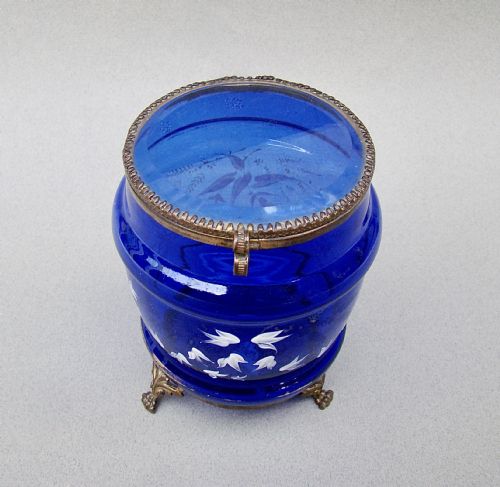
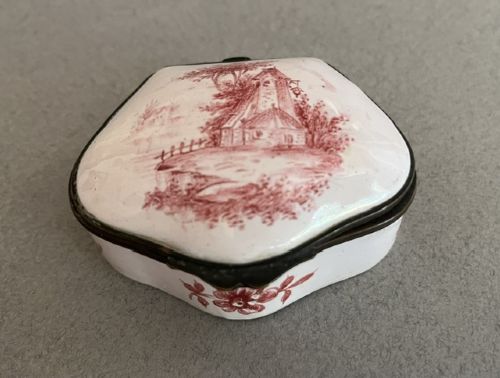
Surface ornamentation involved intricate hand painting, gilt work, and inlays composed of mother of pearl, ivory, and cut brass. Specific examples incorporate panels of blue enamel, Limoges enamel, or mineral stones like malachite.
Structural forms relied on precise joinery to shape serpentine profiles, heart shapes, and miniature chests. Many examples include fitted trays and compartments lined for the preservation of delicate personal items.
Current site records show nineteenth-century pieces spanning the Victorian, Napoleon III, and Edwardian eras, predominantly fashioned from walnut, brass, and leather.
What varies in quality
The standard of an antique french jewellery box depends upon the fidelity of its materials and the complexity of its decorative programme. Fine examples integrate scarce veneers such as malachite or tortoiseshell with heavy cast ormolu mounts rather than stamped sheet metal.
Artisanal execution separates standard storage from exceptional pieces, particularly in the precision of cut brass inlays, hand-painted miniatures, and Limoges enamel panels. The presence of original working keys and fitted interior trays adds considerable weight to an evaluation.
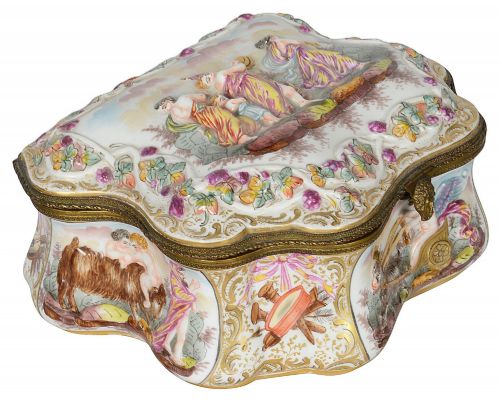
Design ambition dictates the upper tier of the range, where serpentine contours, Boulle work, and figural bronze scenes demonstrate advanced continental craftsmanship. Simpler beech or plain walnut boxes represent the more utilitarian end of the nineteenth-century output.
M.G Paris
The Antique French Jewellery Box Glossary
- Ormolu
- Gilded bronze mounts applied to furniture and decorative objects during the eighteenth and nineteenth centuries. This technique imparts a rich golden sheen to cast bronze decorative elements.
- Boulle
- A form of marquetry utilising brass and tortoiseshell inlaid in contrasting patterns, named after the cabinet-maker André-Charles Boulle. Pieces featuring this technique display intricate metallic scrolling against dark organic ground.
- Malachite
- A green copper carbonate mineral used in thin slabs for decorative surface veneering on luxury caskets. Its distinctive banded patterns command particular visual presence on nineteenth-century boxes.
- Vitrine
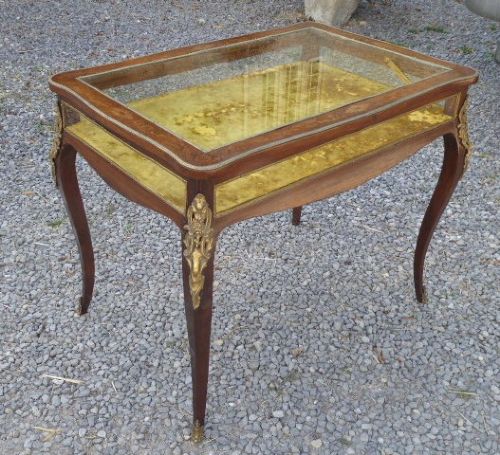
- A glass-sided display case or box intended for the exhibition of small objects and trinkets. This form allows contents to be viewed from multiple angles.
- Serpentine
- A distinctively curved furniture outline featuring a concave centre flanked by convex ends. This flowing contour adds dynamic movement to the profile of a table box.
Frequently Asked Questions
What were antique french jewellery boxes used for?
These decorative caskets served bourgeois and aristocratic households as secure receptacles for rings, brooches, and personal keepsakes. Placed upon dressing tables or boudoir desks, they kept valuable accessories organised and protected from dust.
Beyond simple storage, the more elaborate caskets functioned as decorative objects in their own right, displaying the owner's taste through rich materials like ormolu and malachite.
How do I tell nineteenth century periods apart?
Dating relies heavily on observing shifts in decorative style and material preference across the decades. Pieces from the mid-century often feature extensive brass inlay, boulle work, or hand-painted enamel panels.
Later Victorian and Edwardian examples gravitate towards burl veneers, simpler wood grains, and occasional art nouveau transition motifs. Examining the locks, hinges, and interior silk or velvet linings also assists in establishing a chronological window.
How do I live with an antique jewellery box?
Living with these pieces involves placing them on stable surfaces away from direct sunlight and excessive heat sources, which can dry out delicate wood veneers and crack tortoiseshell. Regular dusting with a soft dry cloth maintains the finish of the timber and metal mounts.
Original velvet or silk linings benefit from gentle care rather than aggressive cleaning. Utilising the box for its original purpose of storing lightweight jewellery ensures it remains an active part of a modern interior.
What is the difference between a casket and a box?
In historical terminology, a casket generally implies a more heavily decorated, architectural, or chest-like container often mounted in bronze or ormolu. They frequently feature domed lids or complex serpentine forms intended to evoke miniature treasure chests.
Standard boxes tend to follow simpler rectangular or square geometries primarily defined by their wooden construction and veneer work. Both forms, however, overlap significantly in domestic utility during the nineteenth century.