

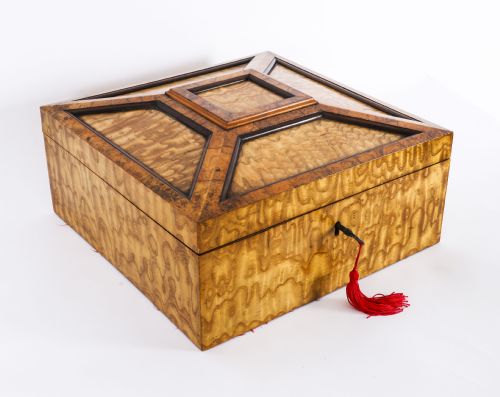


Victorian Decorative Wood Box
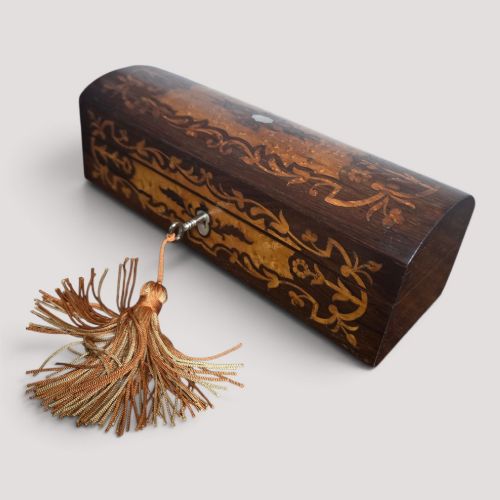
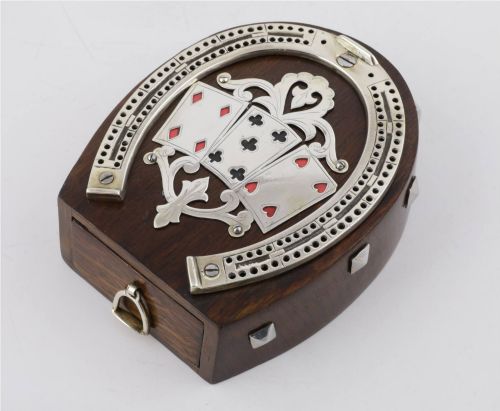
A victorian decorative wood box brings tactile warmth and intricate craftsmanship to a desk or dressing table, offering a clever place to store letters, trinkets and keepsakes.
Victorian Decorative Wood Box
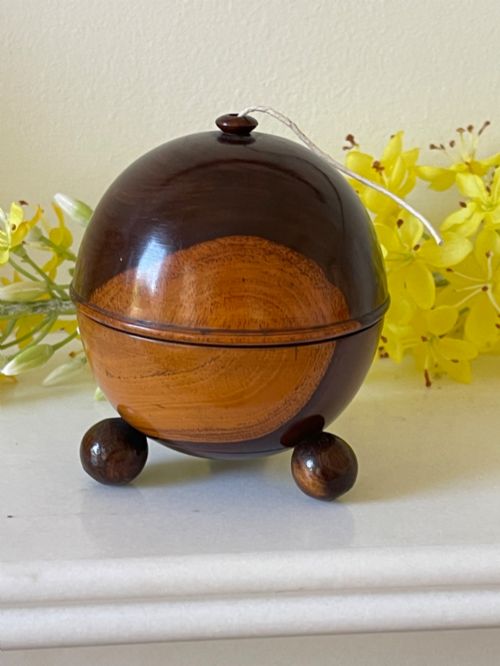
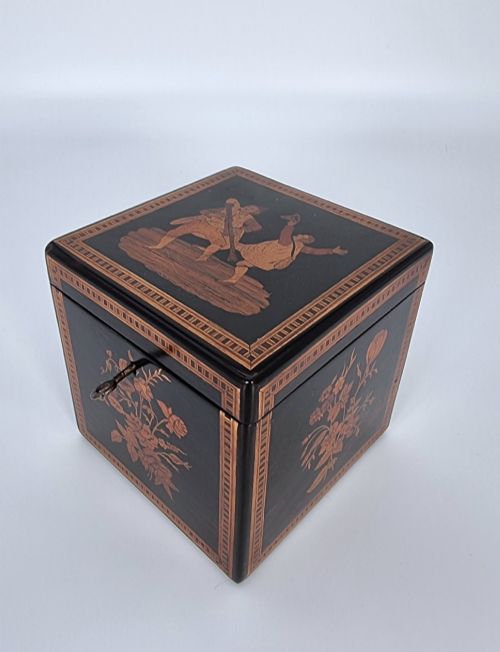
A victorian decorative wood box serves as a functional container designed for everyday utility, whether configured as a tea caddy, stationery box or simple trinket casket. These items represent the diverse tastes of the nineteenth century, combining practicality with ornamental surface work.
Buyers will encounter various formats on this page, ranging from dome-top caskets to fitted writing slopes and specialised glove boxes. Walnut, rosewood and coromandel appear frequently alongside exotic woods like amboyna and burr maple.
Origins stretch across British workshops, continental Europe, and distant regions like India and Burma, reflecting global trade routes in decorative arts. Tunbridge ware and Black Forest carvings represent the specialised regional techniques found within this selection.
Materials and construction
Cabinetmakers utilised dense hardwoods such as mahogany, ebony and partridge wood as structural foundations, often veneered with highly figured timbers like burr walnut or coromandel. These surfaces were frequently inlaid with contrasting woods, mother-of-pearl or mosaic patterns.
Brass mounts, hinges and carrying handles provided both structural reinforcement and visual contrast against the dark timber grains. Carved elements, whether in fruitwood or boxwood, demonstrate relief work executed with fine chisels and gouges.
Victorian Decorative Wood Box Retail Price Guide 2026
Typical asking prices for victorian decorative wood box among the pieces listed under this phrase on Sellingantiques today, from the lower quarter to the upper quarter. They describe what is for sale here now, not the wider market.
Materials recorded across current items include brass, walnut, rosewood, coromandel, ebony, mahogany and porcupine quill.
Assessing craftsmanship
The standard of a victorian decorative wood box depends on the precision of its joinery and the complexity of its surface decoration. Intricate parquetry, micro-mosaic Tunbridge ware and deep relief carving distinguish finer examples from plain utilitarian containers.
Internal fittings also signal quality, particularly original silk linings, velvet pads, or compartmentalized trays designed for specific uses like writing or tea storage. The preservation of original brass hardware and working locks adds further merit.
C.G. Hope Hastings
The Victorian Decorative Wood Box Glossary
- Tunbridge Ware
- Woodworking technique originating from Kent involving thousands of tiny tinted wood blocks assembled to create mosaic pictures. These geometric designs typically cover the lids of small boxes and trinket cases.
- Coromandel
- Dense, heavy timber originating from Asia, valued for its rich dark brown colour and striking contrasting stripes. It served as a premium veneer for high-end nineteenth-century desktop boxes.
- Tea Caddy
- Container originally built to store loose tea leaves securely, often featuring internal lidded compartments and foil linings. Wealthy households locked these boxes to protect expensive imported tea.
- Parquetry
- Geometric mosaic woodwork formed by fitting small wood veneers together in repeating patterns. It provides durable and decorative surfaces on keepsake and stationery boxes.
- Treen
- Small handmade wooden items for domestic use, turned or carved from a single piece of timber. The category includes small vessels, spice towers and pocket objects.
Victorian Decorative Wood Box: Frequently Asked Questions
What were tea caddies used for?
Tea caddies stored valuable loose tea leaves in nineteenth-century households, protecting the expensive commodity from moisture and theft.
Many examples included internal lidded canisters and fitted glass mixing bowls, all secured under lock and key by the master of the house.
What is coromandel wood?
Coromandel is a heavily figured, dark tropical hardwood used by nineteenth-century cabinetmakers for luxury stationery boxes and tea caddies.
Its distinct contrasting grain patterns made it a preferred choice for high-status decorative objects.
How should I care for wooden boxes?
Keep wooden boxes away from direct sunlight and sudden temperature shifts to prevent the timber and delicate veneers from warping or splitting.
Apply a light application of appropriate furniture wax occasionally to nourish the polished surface without building up residue.