


Vintage Keepsake Casket
A vintage keepsake casket gathers precious small belongings inside housing fashioned from timber, metal, and hide across centuries of workshop practice.
Vintage Keepsake Casket
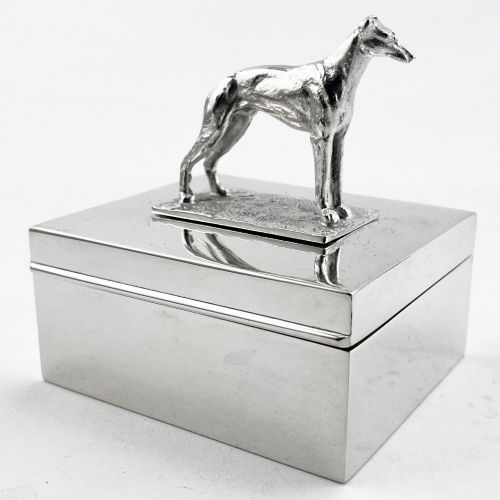
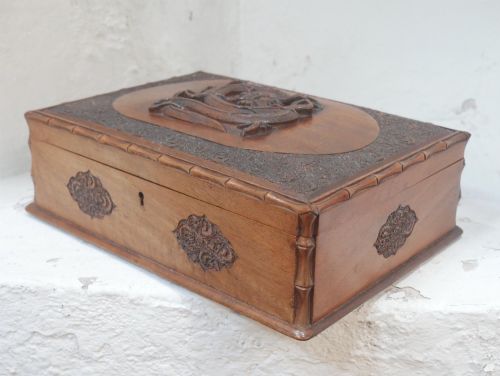
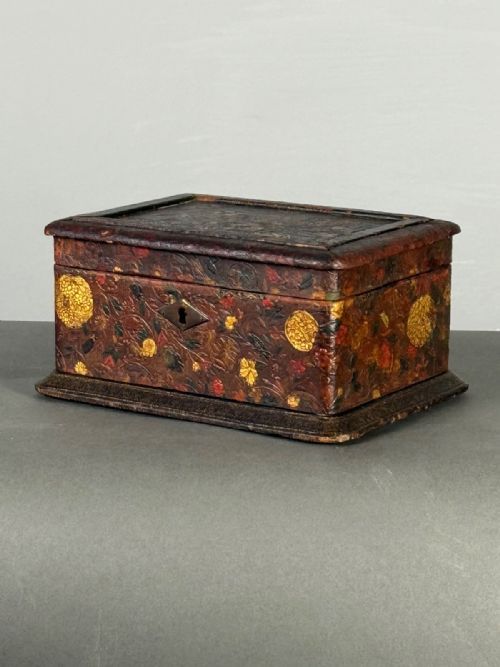
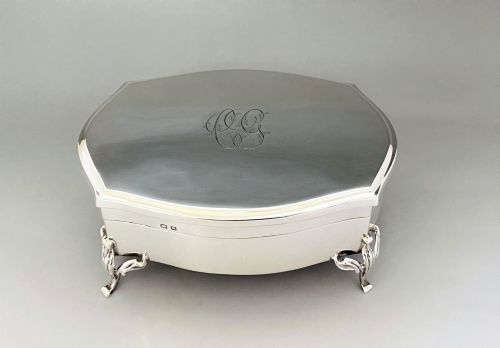
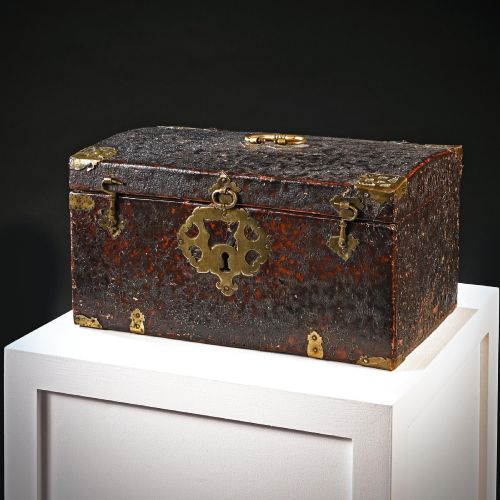
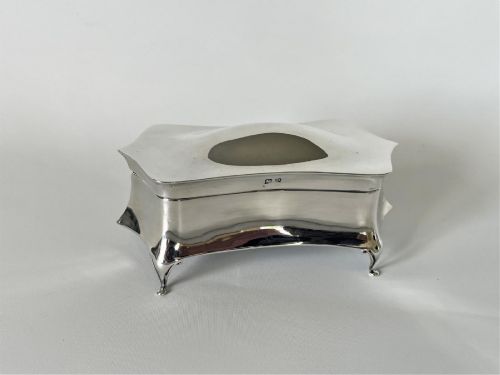
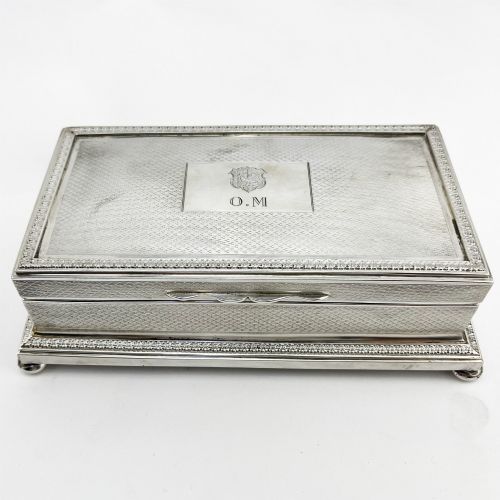
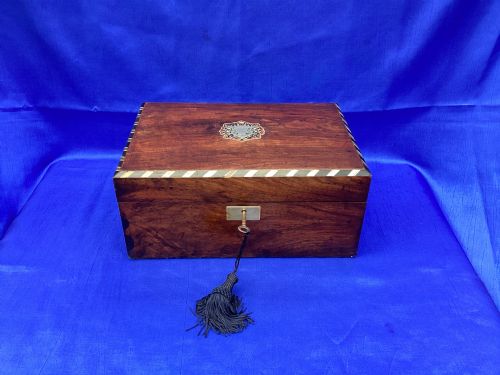
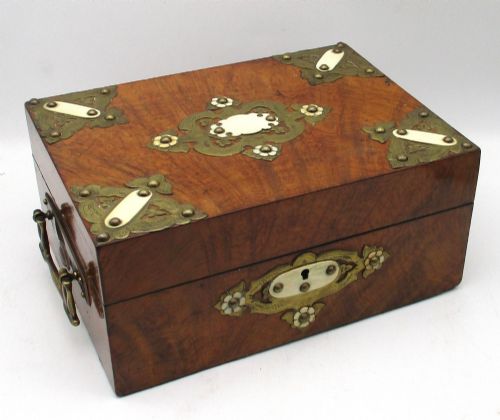
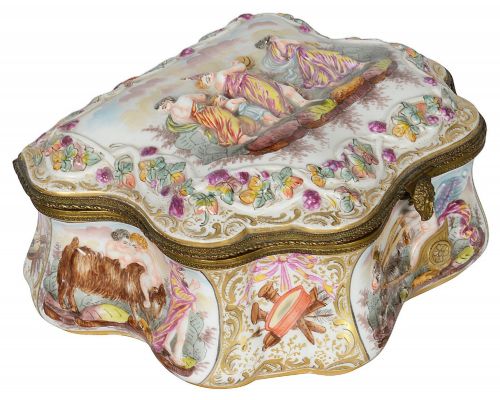
A vintage keepsake casket encompasses a broad variety of functional containers designed for personal treasures, including jewellery boxes, work boxes, and trinket boxes. These containers emerge from periods spanning the seventeenth century through to the mid-twentieth century, with Victorian and nineteenth-century examples appearing frequently on this page. Forms range from compact table boxes to larger document chests and campaign boxes intended for travel.
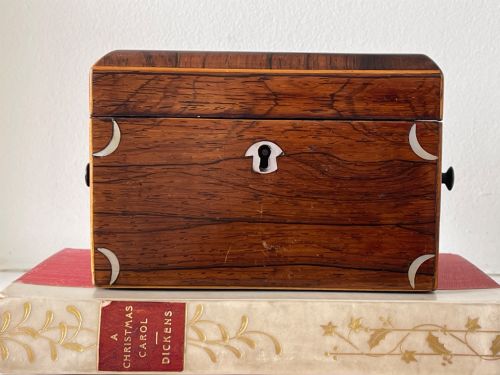
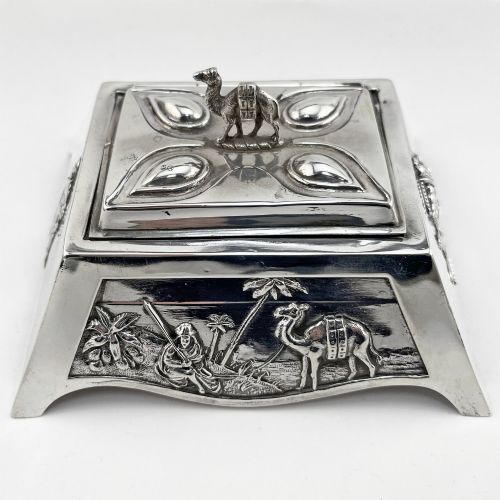
The materials utilised in these pieces reflect considerable diversity, incorporating woods such as rosewood, walnut, mahogany, and sandalwood, alongside metals including silver, brass, copper, ormolu, and bronze. Artisans also employed organic and decorative elements such as leather, tortoiseshell, mother-of-pearl, porcelain, and paint. Stylistic influences draw upon Victorian, Edwardian, Regency, Art Nouveau, Art Deco, and Arts and Crafts traditions, alongside Anglo-Indian and Afghan designs.
Materials and Construction Techniques
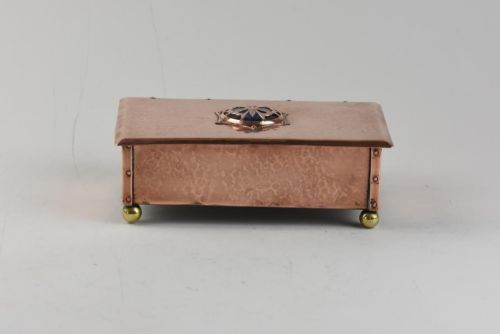
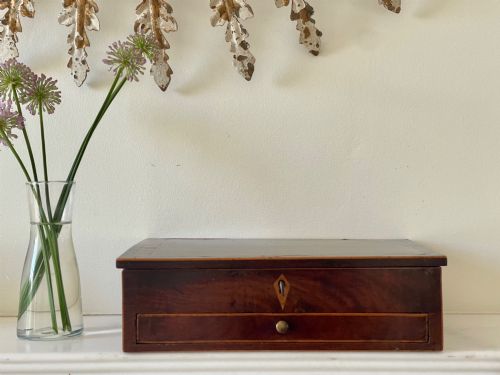
Cabinetmakers constructed the wooden bodies of these caskets using dense timbers like rosewood and mahogany, frequently enhancing surfaces with intricate inlays of mother-of-pearl, brass banding, or delicate stringing. Leather-covered examples often display tooling or polychrome decoration, while metal caskets utilise cast bronze, ormolu, and hammered copper mounted with enamel cabochons. Interior compartments frequently feature fitted trays and textile linings designed to organise small valuables.
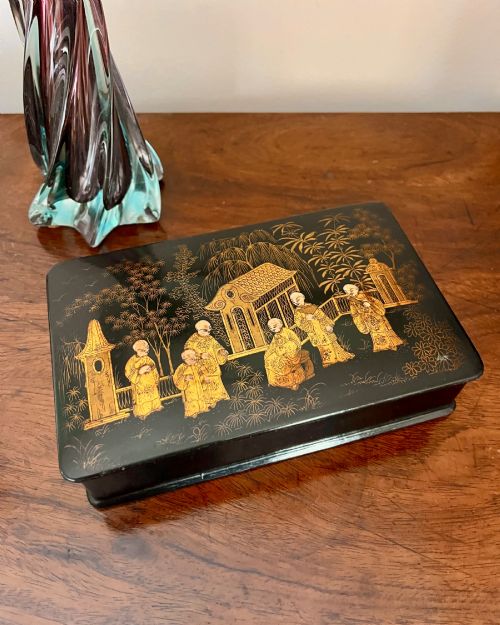
Specialised techniques distinguish particular regional traditions, such as Tunbridge Ware mosaic woodwork, porcupine quill work, and intricate silver engraving or repoussé detail on Indian and European pieces. Lacquering, painting, and parcel-gilding provided alternative surface treatments for boxes originating from diverse workshops across Britain, France, and Asia.
Vintage Keepsake Casket Retail Price Guide 2026
Typical asking prices for vintage keepsake casket among the pieces listed under this phrase on Sellingantiques today, from the lower quarter to the upper quarter. They describe what is for sale here now, not the wider market.
Several caskets double as clever secret books, hiding compartments behind faux leather bindings to outwit curious guests.
Distinctions in Quality
Quality in these caskets rests upon the integrity of the materials and the precision of the maker's hand, from solid silver and substantial hardwoods down to finer details like flush-fitting brass hinges and secure locks. Superior examples display meticulous attention to internal fittings, such as properly fitted velvet or silk-lined trays and well-executed joinery that withstands centuries of handling.
The artistic merit of surface ornamentation also divides ordinary utility boxes from finer decorative pieces, visible in the sharpness of cast ormolu mounts, the delicacy of mother-of-pearl inlay, and hand-tooled leather work. Original components, such as functioning keys, matching interior trays, and intact enamel or tortoiseshell panels, elevate the standing of a casket within its period.
SUSSE FRERES PARIS·ERHARD AND SOHNE·Mappin & Webb·A & J Zimmerman Ltd·S Theeman
The Vintage Keepsake Casket Glossary
- Ormolu
- Gilded bronze mounting applied to decorative furniture and boxes during the eighteenth and nineteenth centuries. This technique involved applying a mercury and gold amalgam to cast bronze before heating.
- Tunbridge Ware
- Victorian woodwork featuring intricate mosaic patterns created from thousands of tiny wood blocks assembled to form pictorial or geometric designs. These geometric motifs typically decorate the lids of small trinket boxes.
- Campaign box
- Portable storage fashioned for military officers on the move during the eighteenth and nineteenth centuries. These pieces feature recessed brass carrying handles and robust construction to endure travel.
- Cabochon
- A gemstone or piece of enamel polished into a convex, rounded shape rather than faceted. These elements frequently serve as central decorative bosses on Arts and Crafts metalwork caskets.
- Work box
- A lidded container designed to hold sewing implements, threads, and small crafting tools. They often incorporate internal fitted trays with multiple compartments.
Vintage Keepsake Casket: Frequently Asked Questions
What were keepsake caskets originally used for?
These caskets served to store personal valuables, letters, jewellery, and sewing equipment in domestic settings. Portable variations also functioned as travelling desks or secure storage for documents during journeys.
Over time, owners repurposed them as desktop display pieces or repositories for cherished personal mementos and keepsakes.
How do I care for a wooden keepsake casket?
Keep wooden caskets away from direct sunlight and extreme humidity fluctuations to prevent timber from warping or splitting. Occasional application of suitable wax maintains the finish without building up residue.
Avoid using harsh chemical cleaners on polished wood, leather, or delicate metal mounts to preserve the original surface integrity.
How can I tell a Victorian box from a Georgian one?
Georgian boxes generally exhibit restrained classical proportions, featuring flame mahogany, simple brass campaign mounts, or painted decoration. Their construction relies on hand-cut joints and traditional cabinetmaking methods.
Victorian pieces frequently display more eclectic styles, incorporating heavy rosewood, elaborate mother-of-pearl inlay, or Tunbridge Ware mosaics alongside fitted interior trays.
Are interior linings usually original?
Interior silk, velvet, or paper linings often show wear reflecting active use over generations. Many period caskets retain their fitted trays even when the fragile textile linings have undergone careful professional replacement.
Examining the underlying timber and glue residue helps determine whether surviving fabric dates to the original manufacture of the piece.