


French Table Box
A french table box unites display and containment, holding precious small objects on a surface while sitting compactly within a room.
French Table Box
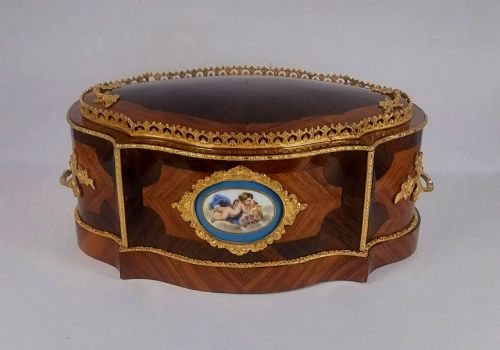
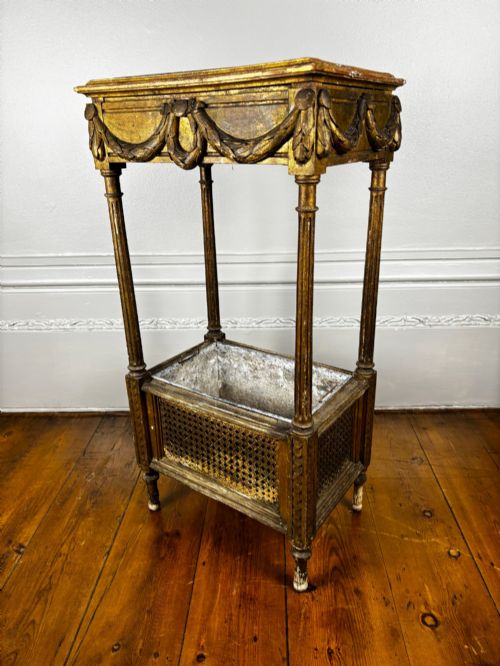
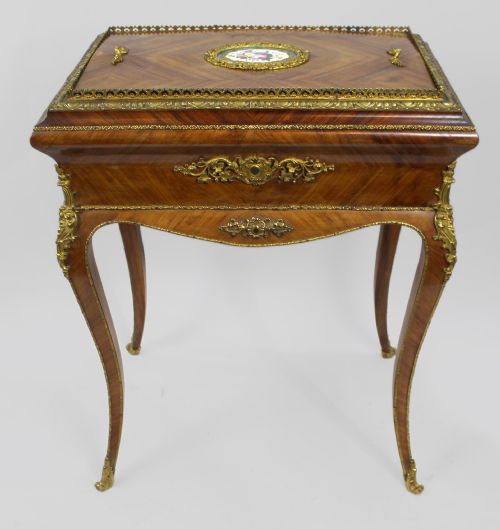
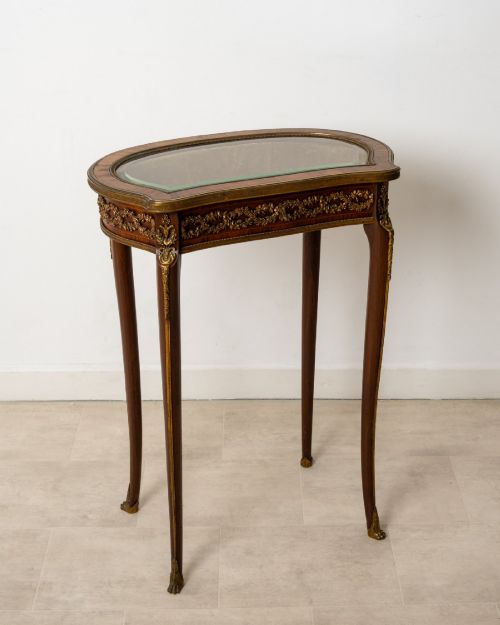
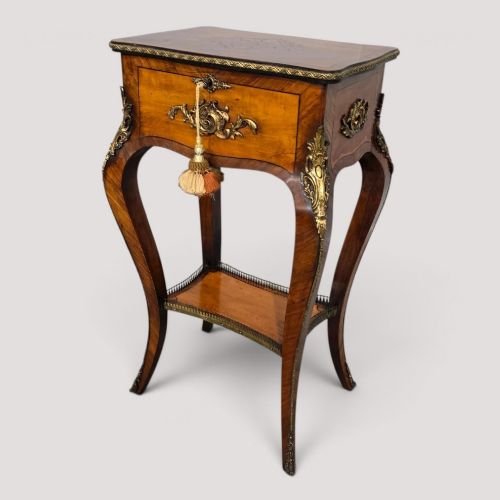
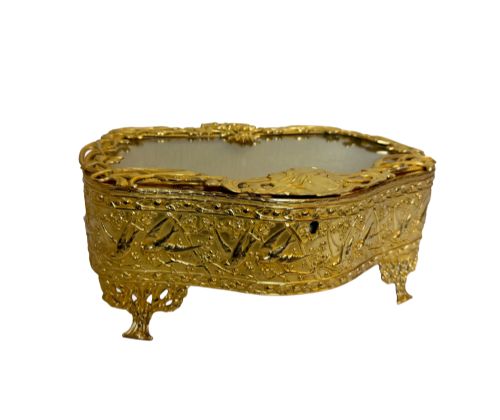
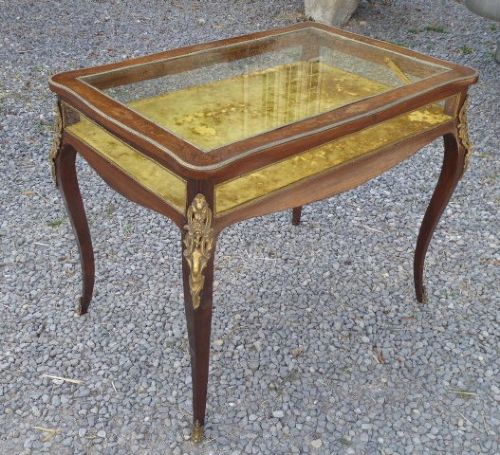
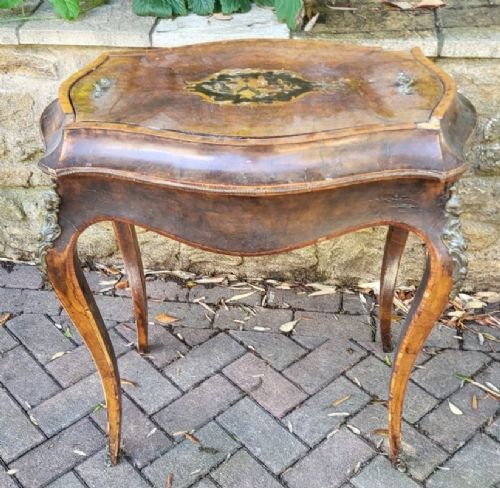
When searching for a french table box, buyers encounter an array of vitrines, caskets, and bijouterie display tables designed to showcase precious belongings. The pieces originate mainly from the nineteenth century, spanning Victorian, Edwardian, and Art Deco periods, encompassing both table-height display cases and smaller lidded boxes intended for desks and dressing tables.
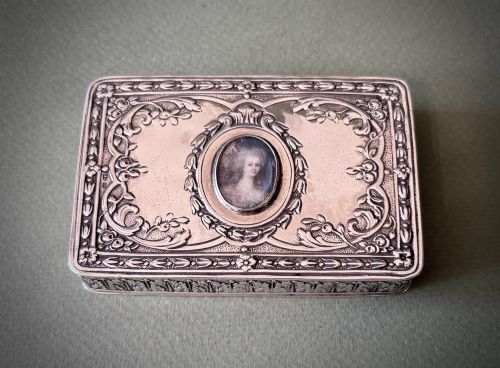
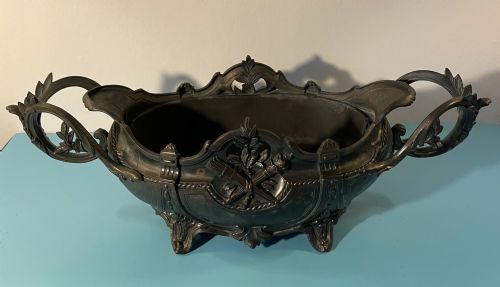
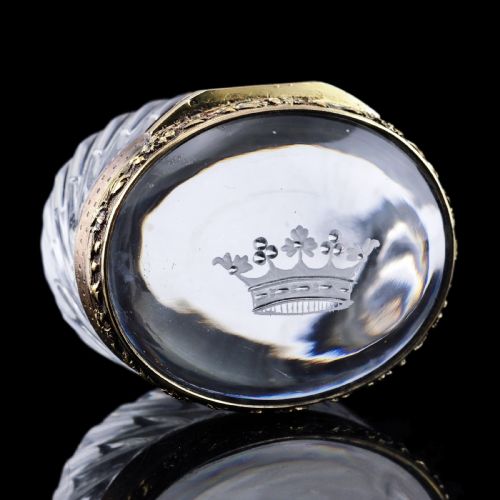
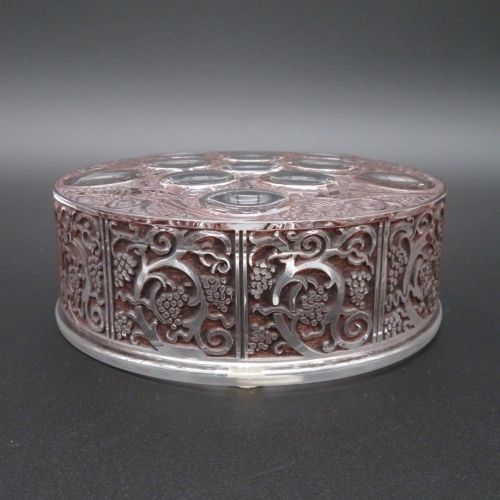
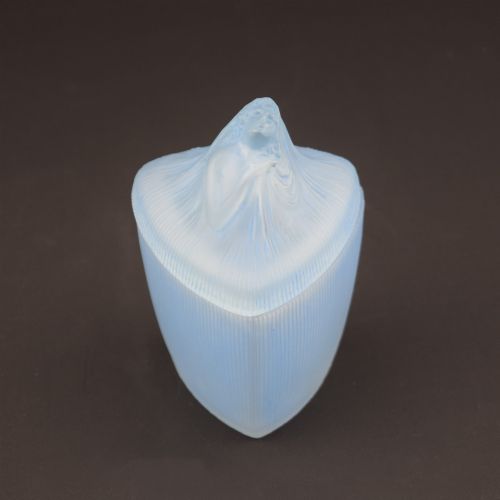
Forms vary considerably according to their original domestic function, ranging from glazed glass bijouterie tables with hinged lids to rosewood, kingwood, and mahogany caskets inlaid with brass or marquetry. Alongside these sit specialised containers such as porcelain trinket boxes, glass powder jars, and silver-mounted dressing table receptacles.
The selection reflects continental craftsmanship alongside British interpretations, utilising cabinet woods and metal mounts to achieve decorative harmony. Whether standing on slender legs as a display piece or resting upon a surface as a lidded casket, each item serves to organise and exhibit personal treasures.
How They Were Made
Cabinetmakers constructed the wooden structures using dense timbers such as mahogany, rosewood, walnut, and kingwood, frequently applying intricate marquetry, boxwood inlay, or brass stringing to the surfaces. Ormolu mounts, cast in gilded bronze or brass, were secured to corners, legs, and borders to accentuate the contours.
Glass panels were incorporated into vitrine lids and sides to allow light into the interior display compartments, often lined with velvet, silk, or satin. Silver, crystal, and porcelain elements were worked by specialised artisans, producing hinged boxes and mounted jars with detailed chasing, enamelling, or hand-painted decoration.
French Table Box Retail Price Guide 2026
Typical asking prices for french table box among the pieces listed under this phrase on Sellingantiques today, from the lower quarter to the upper quarter. They describe what is for sale here now, not the wider market.
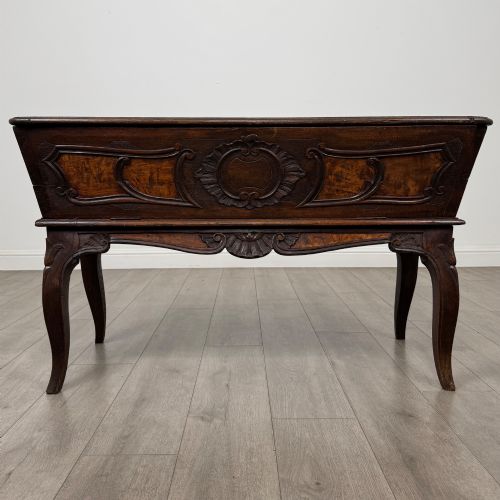
Among the storage pieces, an iron-bound elm cannonball box survives alongside delicate porcelain powder jars and silver pill boxes.
What Varies in Quality
The standard of a french table box depends upon the precision of its timber selection, the crispness of its brass or ormolu mounts, and the integration of its components. Superior examples display closely matched veneer grains, tight mitre joints, and heavy, well-cast bronze mounts that are securely fastened rather than superficially applied.
Interior execution distinguishes finer pieces from ordinary production, visible in the quality of the silk or velvet lining and the smooth action of hinges and locking mechanisms. Signed maker plates or silver hallmarks provide evidence of origin, while hand-painted porcelain or specialised glass components elevate the artistic merit of the container.
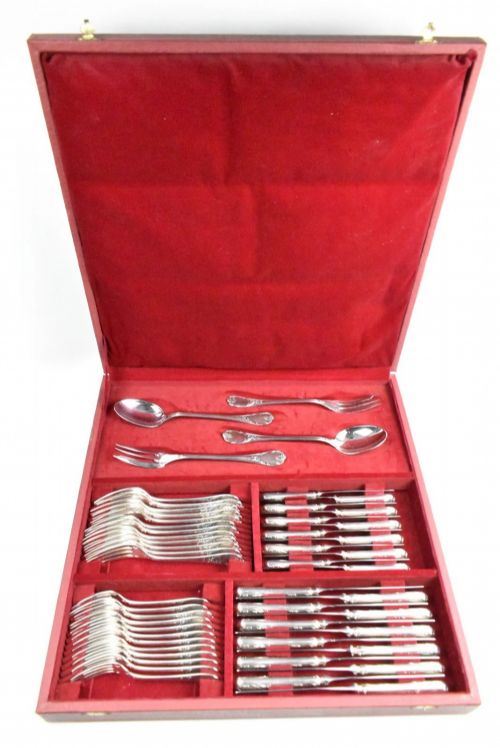
Rene Lalique·Christofle·Lesage·Emile Langlois·Tonnel Paris
The French Table Box Glossary
- Bijouterie table
- A glass-topped display table designed specifically for showcasing small valuable items, medals, or jewellery. These pieces frequently feature hinged lids and velvet-lined interiors.
- Ormolu
- Gilded bronze mounts applied to the exterior corners, legs, and borders of furniture and boxes. The technique involves applying a mercury-gold amalgam to cast bronze.
- Marquetry
- Decorative veneer patterns assembled from various coloured woods, mother-of-pearl, or metal to form pictorial or geometric designs on box lids and tabletops.
- Kingwood
- A dense, heavy timber utilised extensively in nineteenth-century cabinetmaking for its rich brown coloration and distinctive figured grain markings.
- Casket
- A lidded box or chest intended for the safekeeping of valuables, documents, or jewellery. These containers often rest upon feet and incorporate lockable brass hardware.
French Table Box: Frequently Asked Questions
How do I date a french table box?
Dating relies upon examining the timber species, construction methods, hardware, and stylistic indicators such as revival motifs or Art Deco geometry. Nineteenth-century pieces frequently feature mahogany, rosewood, or walnut with hand-cut dovetails and cast ormolu mounts.
Silver hallmarks, maker signatures on glass or metal, and interior fabric choices also assist in establishing a specific decade or period of manufacture.
Were these boxes used for jewellery?
Many of these containers served as repositories for personal adornments, rings, necklaces, and watches. Silk or velvet linings were fitted to cushion delicate items against hard wooden or glass surfaces.
Other variants were tailored for specific domestic duties, including sewing accessories, visiting cards, vanity items, or writing materials.
How do I care for antique wood and ormolu?
Preserving these pieces requires maintaining stable humidity levels and avoiding direct sunlight to protect vulnerable wood veneers and interior fabric linings. Gentle dusting with a soft, dry cloth prevents particulate accumulation on intricate carvings and mounts.
Harsh chemical polishes should be avoided, particularly near gilded bronze or silver components, to prevent degradation of the metal surfaces and patination.