


Slat Back Chair
When you search for slat back chair, you uncover honest domestic seating built for daily use across centuries of British rural life.
Slat Back Chair
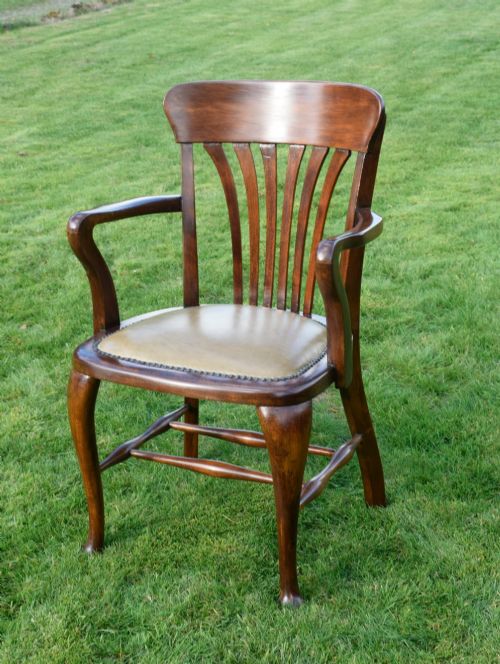
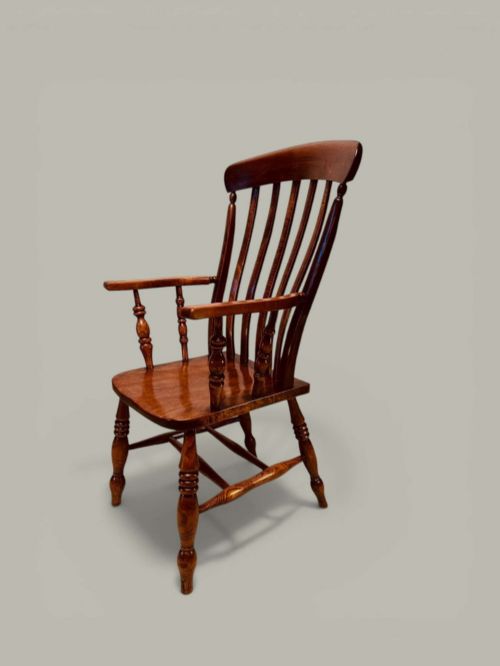
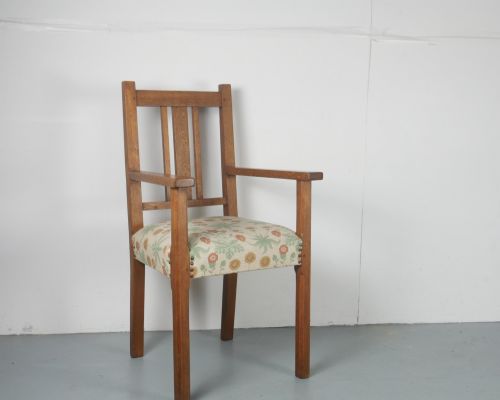
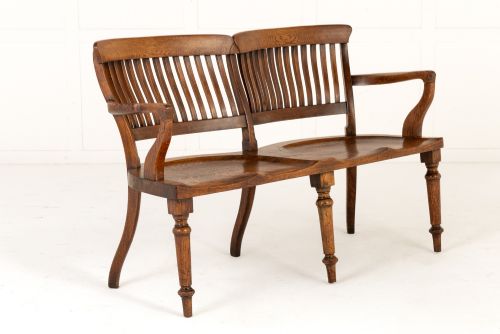
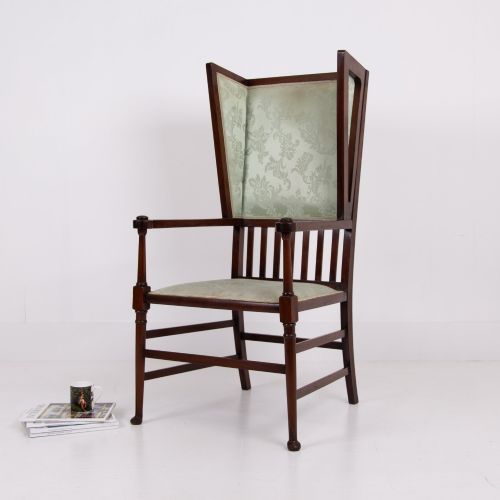
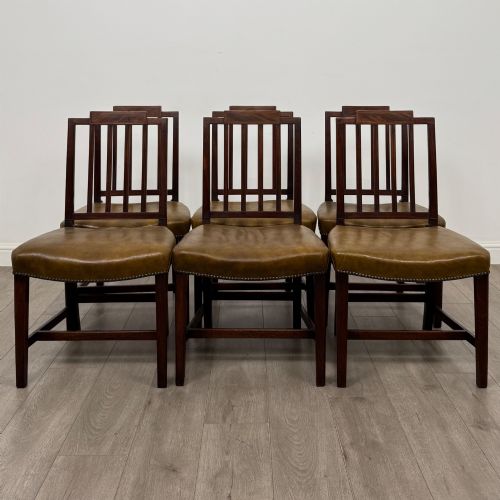
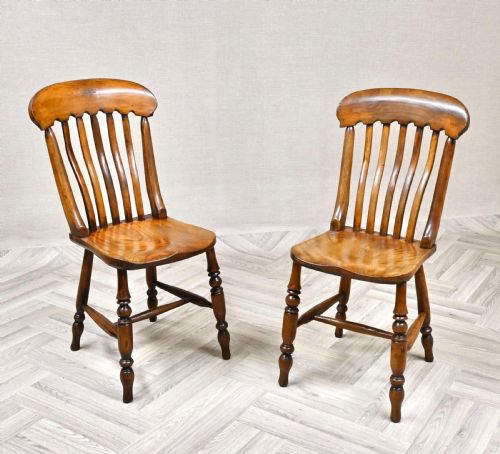
A slat back chair provides sturdy, practical seating defined by horizontal or vertical wooden slats set into the frame of the backrest. The pieces listed under this phrase span centuries of domestic design, originating primarily in rural farmhouses and country kitchens.
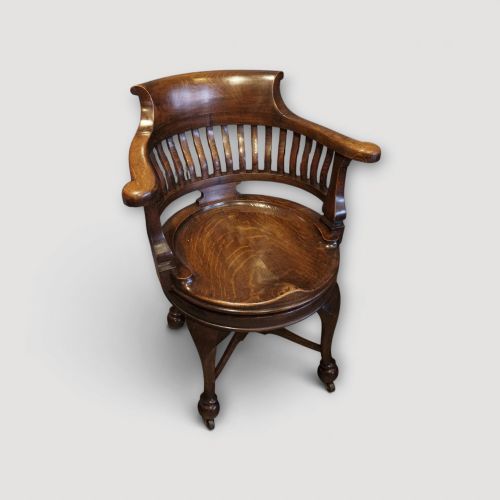
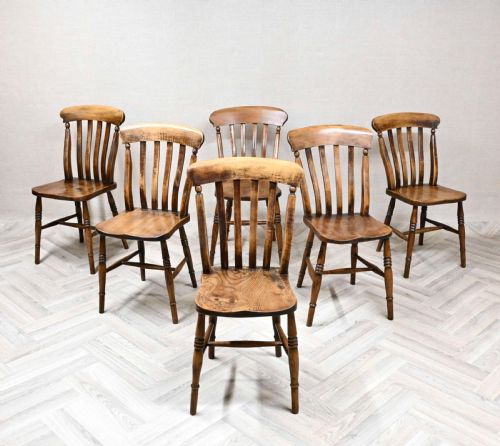
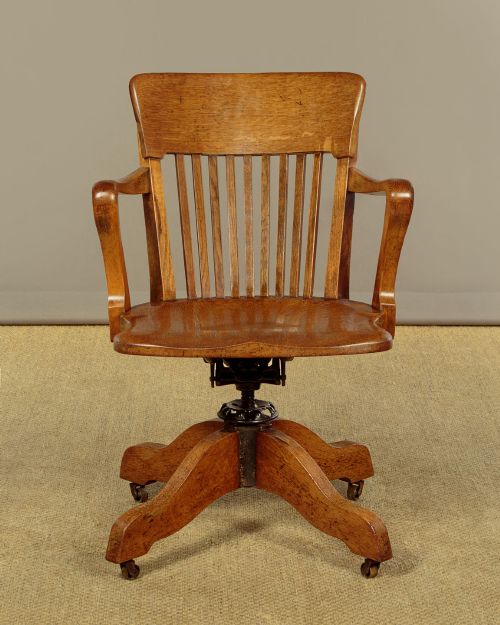
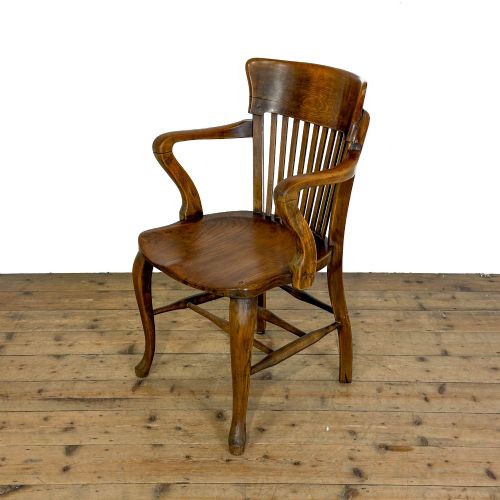
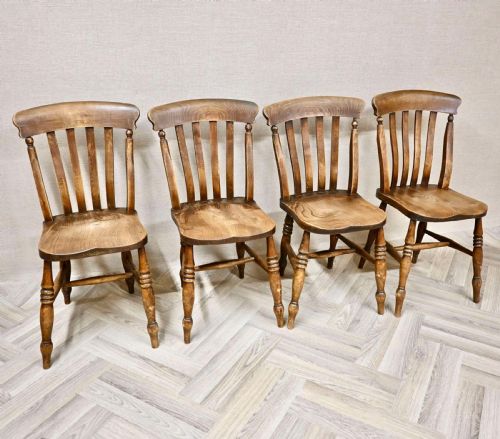
The most common forms on this page include nineteenth-century kitchen chairs, Windsor armchairs, and farmhouse carvers intended for heavy daily use. They appear alongside occasional office and desk chairs built with the same straightforward slat construction.
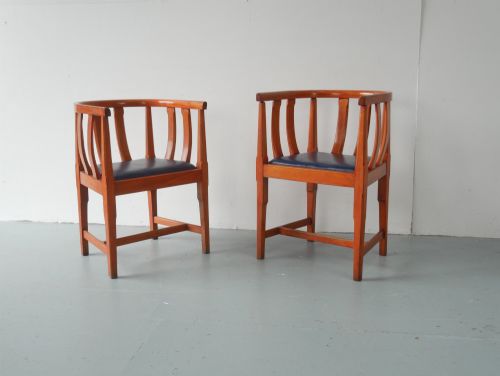
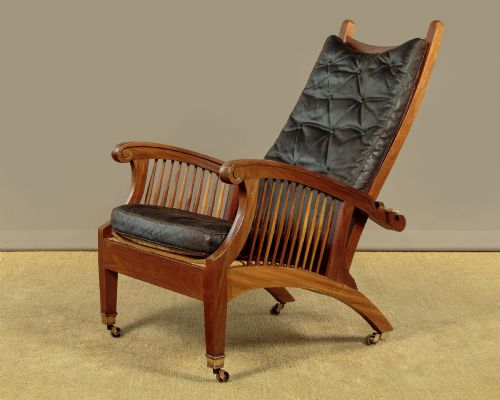
Makers ranged from West Country vernacular workshops to later Arts and Crafts designers who valued the honest construction of earlier rustic seating. Survival in daily service indicates robust original joinery and enduring domestic utility.
How they were made
Makers constructed these frames using native British hardwoods, frequently combining elm for shaped seats, ash or beech for turned spindles and legs, and oak for structural uprights. Rush, fabric, or leather occasionally provided seating surfaces alongside solid wood.
Traditional bodgers and country joiners turned structural parts on pole lathes before steam-bending back slats and assembling components with wedged tenon joints. This combination of flexible green wood and rigid dry timber created resilient chairs capable of withstanding constant movement.
Slat Back Chair Retail Price Guide 2026
Typical asking prices for slat back chair among the pieces listed under this phrase on Sellingantiques today, from the lower quarter to the upper quarter. They describe what is for sale here now, not the wider market.
Listings feature elm, ash, beech, and oak across periods spanning the eighteenth through the twentieth centuries.
What varies in quality
Quality rests upon the selection of timber and the integrity of the original construction rather than decorative flourish. Thicker elm seat slabs and balanced spindle turnings separate standard utility seating from finer vernacular examples.
Surface finish and patina indicate how well a chair has survived centuries of handling and cleaning. Original unstripped timber surfaces display greater character than pieces subjected to heavy modern sanding or refinishing.
Edward Barnsley
The Slat Back Chair Glossary
- Slat back
- A chair back constructed with flat wooden slats fitted horizontally or vertically between the top rail and the seat.
- Windsor
- A chair built with a solid wooden seat into which the legs and back spindles are separately tenoned and wedged.
- Carver
- An armchair, frequently designed with elbow rests, traditionally used at the head of a dining table or by the fireside.
- Bodger
- A nineteenth-century woodland woodturner who produced chair legs and spindles on site using green timber.
- Rush seat
- A seating surface woven from dried marsh reeds, commonly found on traditional ladderback and country chairs.
Slat Back Chair: Frequently Asked Questions
What is a slat back chair?
A slat back chair is a traditional form of seating featuring wooden slats fitted into the frame of the backrest.
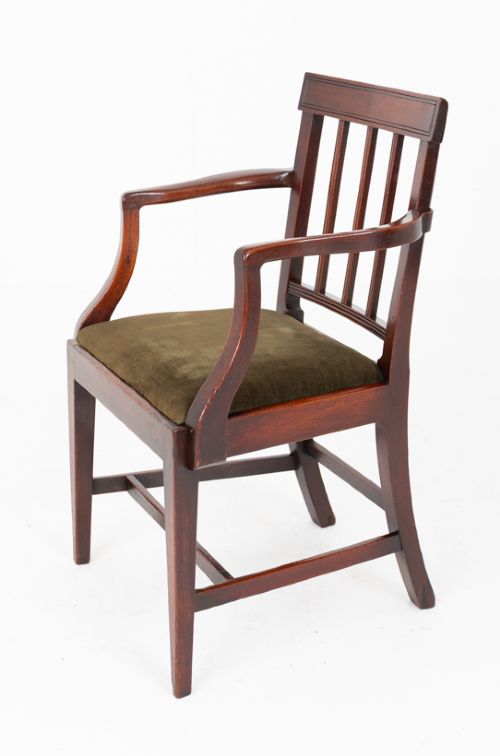
These pieces range from vernacular nineteenth-century farmhouse kitchen chairs to formal oak and mahogany dining seats.
How were slat back chairs used?
They served as practical domestic seating around kitchen tables, dining rooms, and firesides.
Sturdy construction allowed them to endure heavy daily service across generations of rural and urban homes.
How do I date a slat back chair?
Dating relies on identifying timber species, tool marks, construction methods, and stylistic cues associated with periods like the Georgian era or Victorian times.
Examining the wear patterns on the seat and foot rails also helps determine age.
Are slat back chairs comfortable?
Many feature sculpted solid elm seats and shaped back slats designed to support the body during extended sitting.
Cushions or pads are sometimes added for extra comfort on hard wooden surfaces.