

Vintage Elm Armchair
A vintage elm armchair brings the robust character of country craftsmanship into a room.
Vintage Elm Armchair
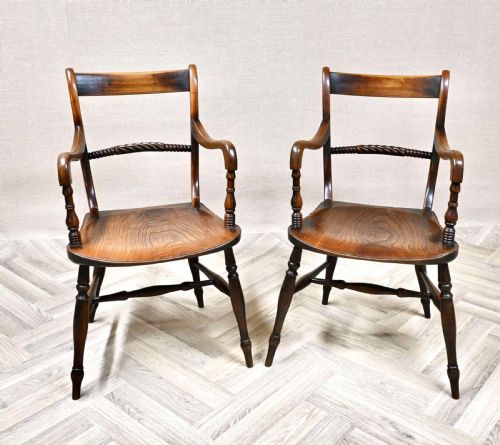
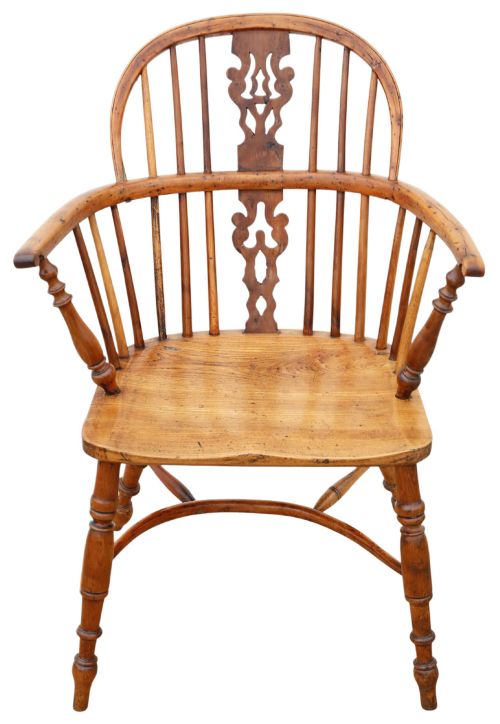
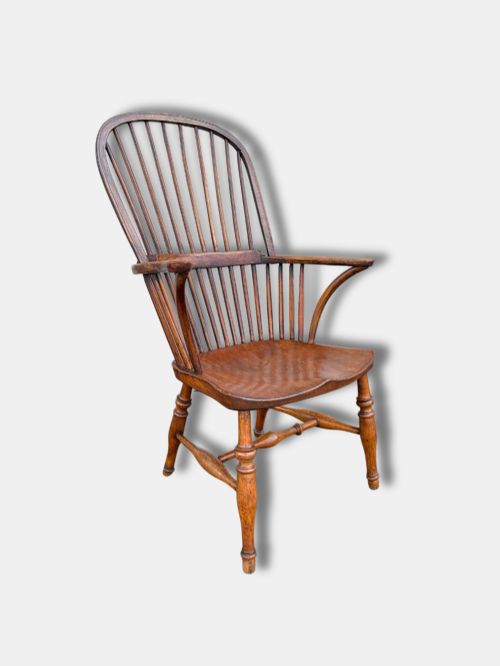
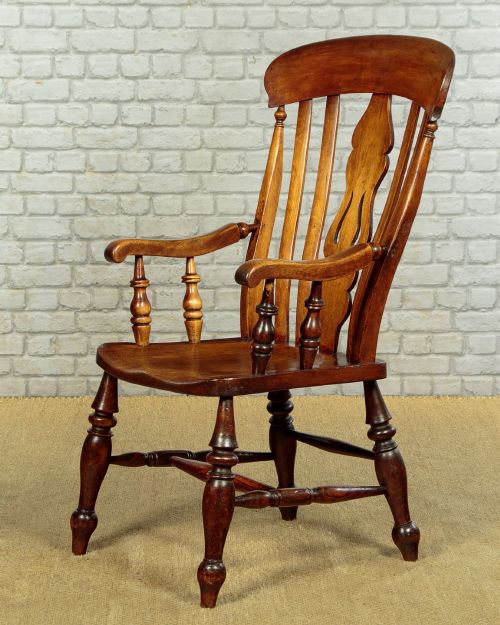
A vintage elm armchair connects buyers to centuries of regional furniture making across the British countryside. When you search for a vintage elm armchair, you encounter robust seating forms designed for vernacular utility, ranging from low-back smokers bows to towering high-comb Windsor designs. These chairs emerge from periods spanning the eighteenth, nineteenth, and early twentieth centuries, capturing traditional domestic and farmhouse life.
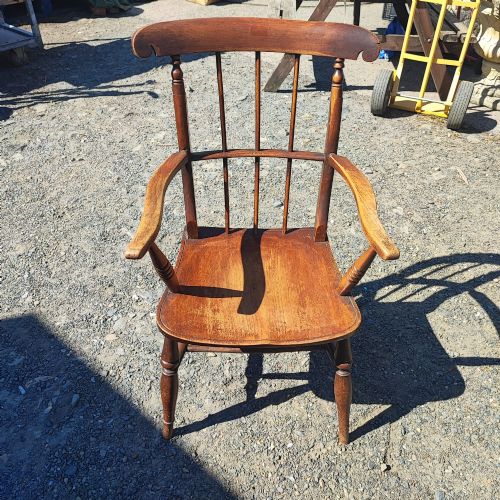
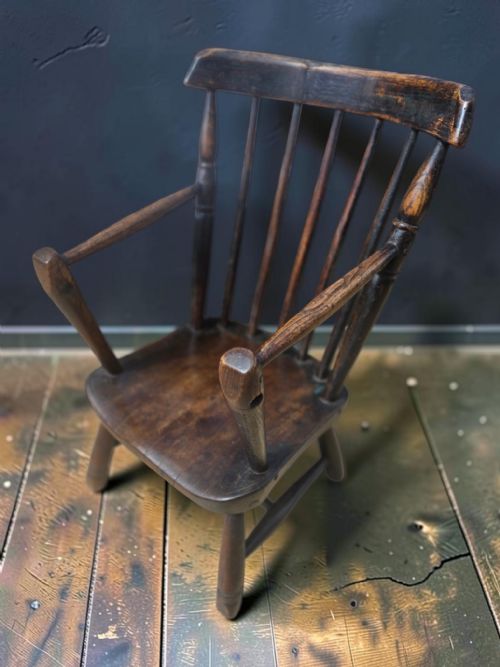
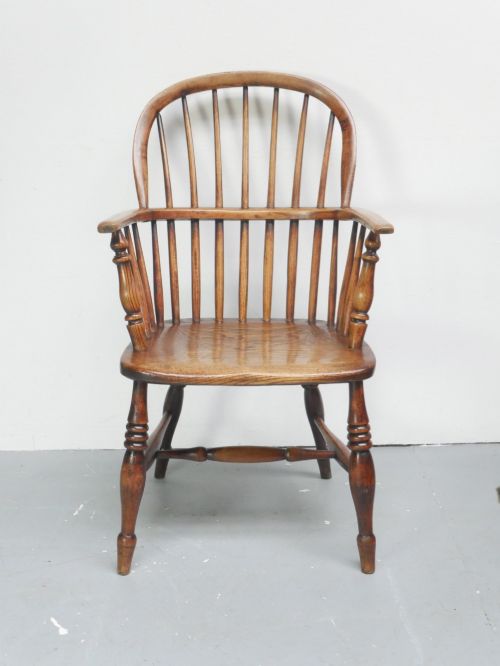
The selections available on this page reflect a rich variety of regional English and Scottish vernacular traditions. You are most likely to meet Windsor chairs, captains chairs, and barback armchairs shaped by local rural joiners. Alongside standard adult seating, the listings encompass smaller scales including children's chairs, high chairs, and rocking chairs.
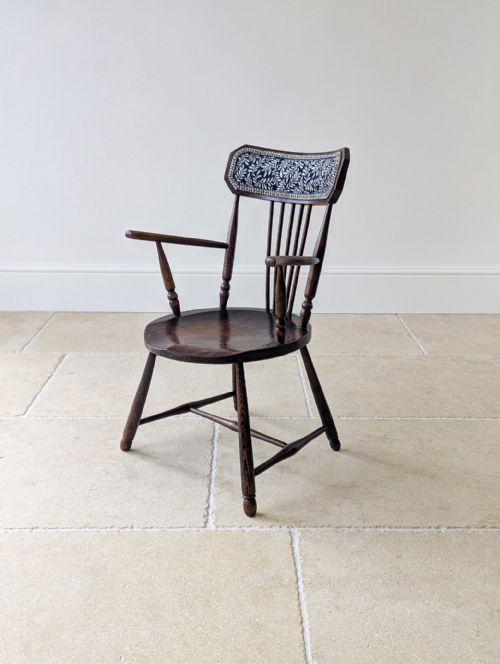
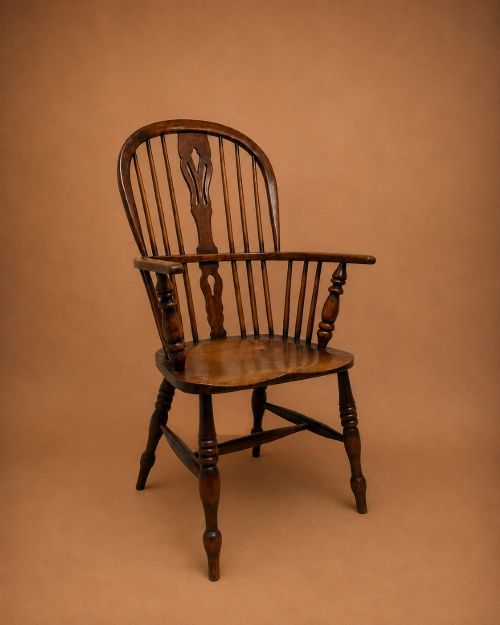
Stylistic expressions vary from plain vernacular forms to specific regional patterns such as Thames Valley ebonised frames, Nottinghamshire low backs, and West Country pieces. Makers incorporated spindle backs, wheelbacks, lath backs, and gothic motifs into the solid timber frameworks. This lineage provides durable seating solutions that double as sculptural objects with deep historical resonance.
Qualities that distinguish individual pieces
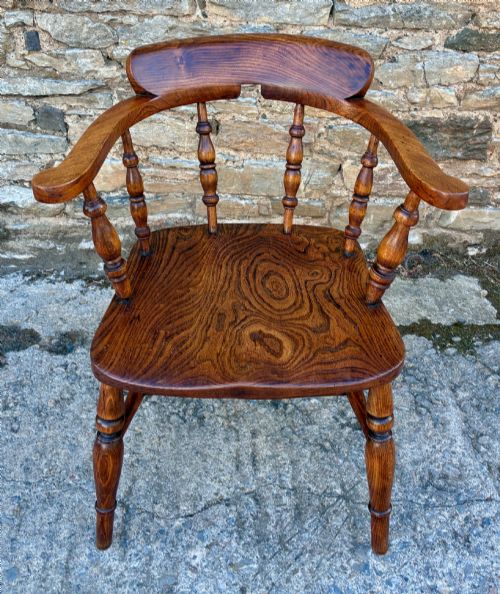
Quality rests in the articulation of the timber and the harmony of the turned components. A superior chair displays deeply sculpted saddle seats with generous proportions, balanced turning on the legs and spindles, and graceful steam-bent bows. The grain visibility and depth of tone in the elm and yew wood dictate visual richness.
Structural integrity and the retention of original components determine the standing of an armchair. Pieces that maintain their early wedged joints, unclipped legs, and original surface patination without excessive intervention represent the higher tier of surviving examples. The distinction lies in whether the chair retains its honest working character while remaining structurally sound.
Listings feature periods spanning from the 18th century through to the 1930s, using elm, ash, beech, oak, and yew.
J Spencer
The Vintage Elm Armchair Glossary
- Windsor chair
- A wooden chair constructed with a thick solid timber seat into which the legs and back spindles are separately inserted. They often feature bentwood bows and sculpted armrests.
- Smokers bow
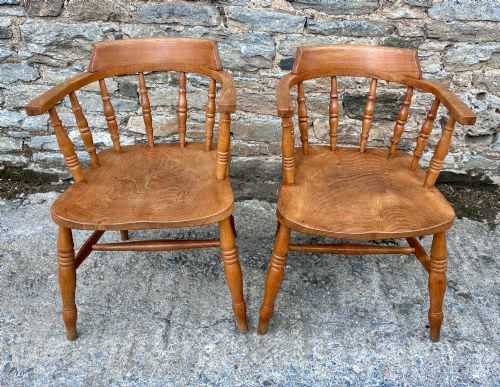
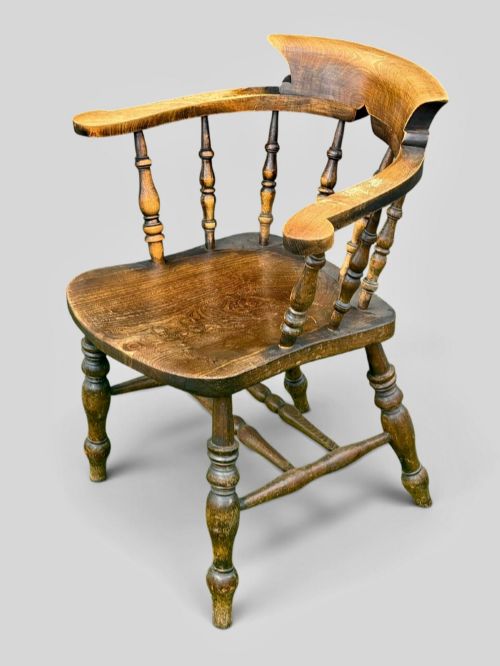
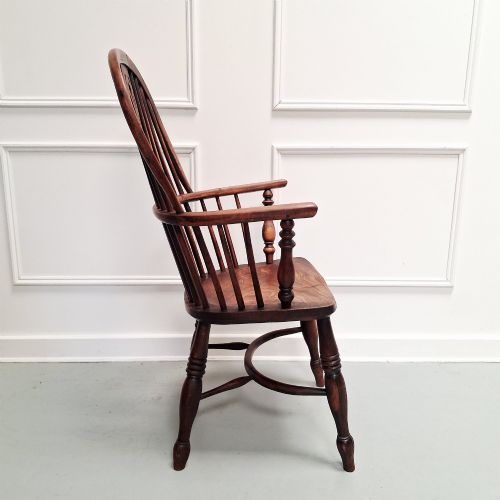
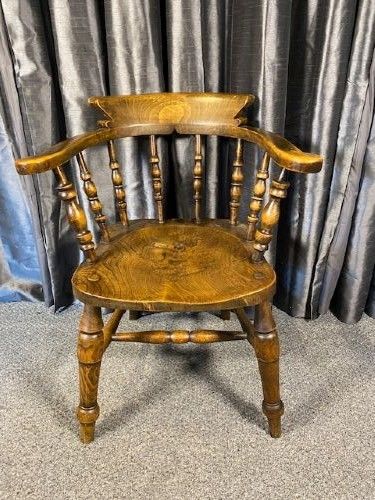
- A low-backed Windsor armchair with a continuous curved armrail supported by short spindles, historically common in domestic parlours and public houses.
- Captains chair
- A sturdy wooden armchair with a low curved back rail supported by turned spindles, designed for desk work or dining use.
- Comb back
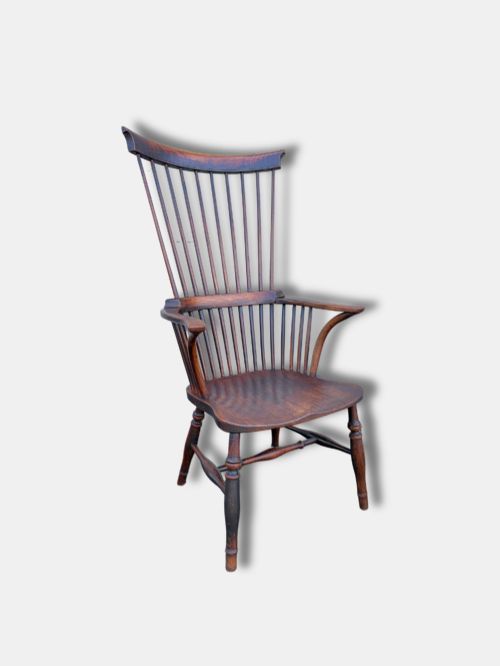
- A Windsor chair variation where the high vertical back is topped by a horizontal headpiece resembling a decorative hair comb.
- Crinoline stretcher
- A curved under-framing rail linking the legs of a Windsor chair to provide structural rigidity, named after the fashion of the period.
Vintage Elm Armchair: Frequently Asked Questions
How do I date a vintage elm armchair?
Dating relies on observing construction methods, wood combinations, and the specific regional style of the turning and spindles. Earlier pieces from the eighteenth century often display broader proportions and native vernacular details.
Later Victorian and Edwardian examples incorporate factory-assisted turnings or mixed beech and elm construction. Comparing the wear patterns and tool marks underneath the seat helps confirm the period of manufacture.
Were these chairs used at dining tables?
Many of these chairs served multiple domestic purposes, acting as desk chairs, fireside seats, or occasional furniture in farmhouse kitchens. While some listings specifically identify dining or carver chairs, most vernacular armchairs were moved around the home as needed.
Their robust timber construction made them suitable for daily heavy use by the hearth or at a work table. The generous arm clearance allowed sitters to pull close despite the solid wooden framework.
How do I care for solid elm furniture?
Protect solid elm furniture by maintaining stable indoor humidity levels away from direct heat sources and extreme temperature swings. Sudden changes can cause older timbers to split or joints to loosen over time.
Apply natural beeswax or suitable wood balms sparingly to nourish the grain and preserve the surface finish. Avoid harsh chemical cleaners that strip the historic patination accumulated over the decades.
What is the difference between a high back and a low back?
High back chairs offer extended support for the head and shoulders, frequently featuring comb backs or hooped frameworks. They were designed for warmth and comfort near draughty fireplaces in country homes.
Low back chairs, such as smokers bows and captains chairs, prioritise freedom of movement for the arms and torso. This lower profile made them practical for working at desks or dining tables.