

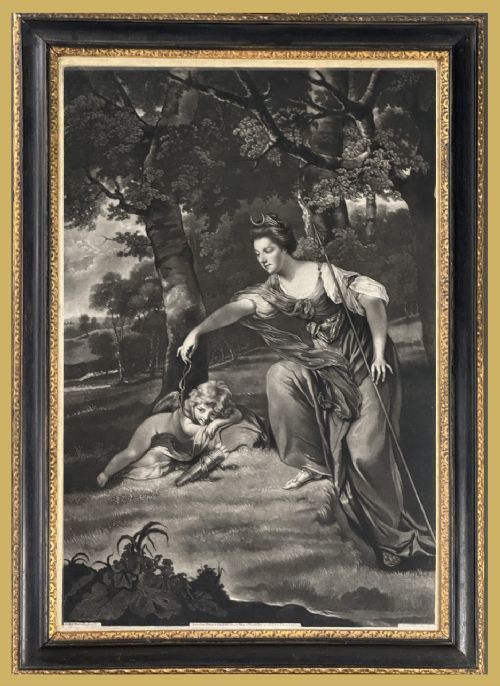
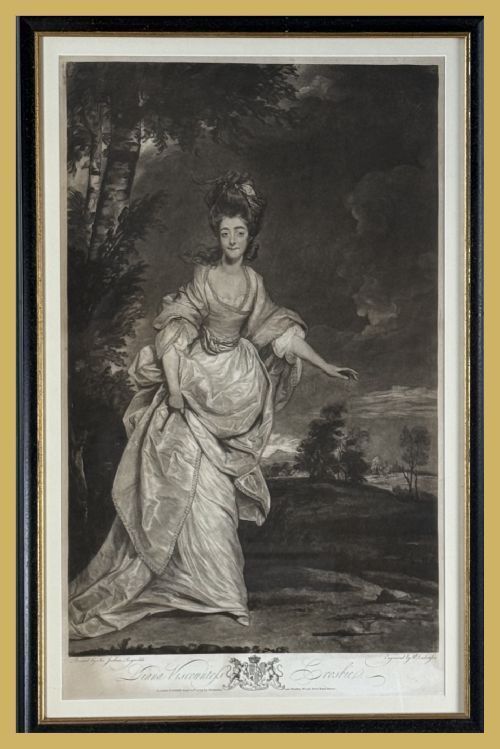
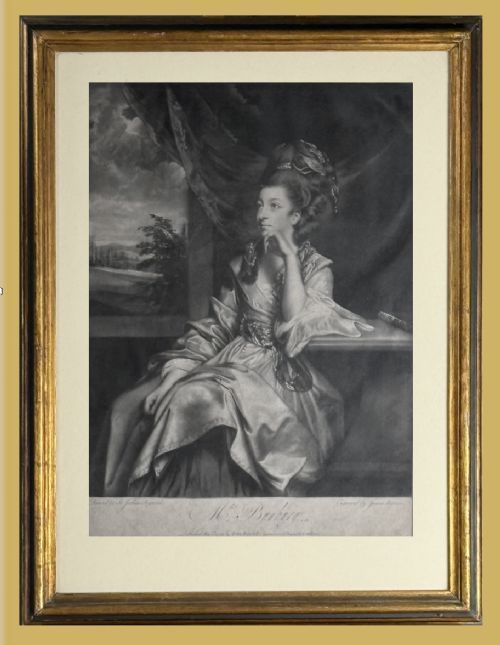
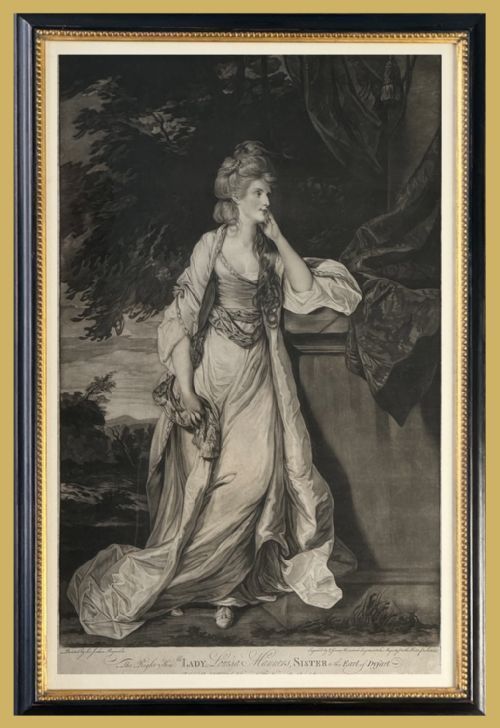

Sir Joshua Reynolds Print
These sir joshua reynolds print offerings capture the grand manner of Georgian portraiture through rich eighteenth and nineteenth century mezzotints.
Sir Joshua Reynolds Print
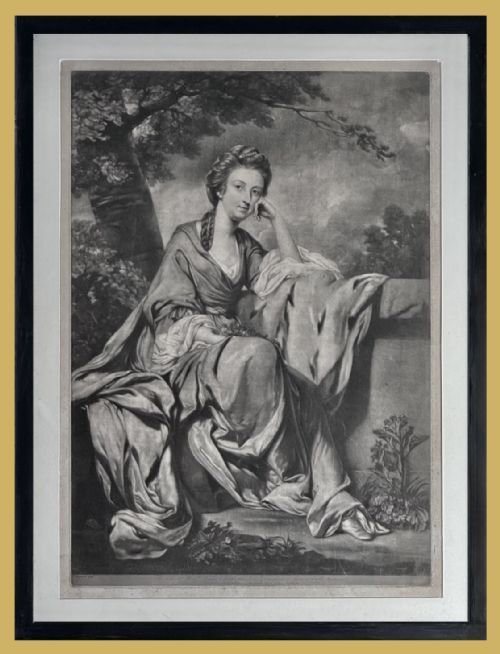
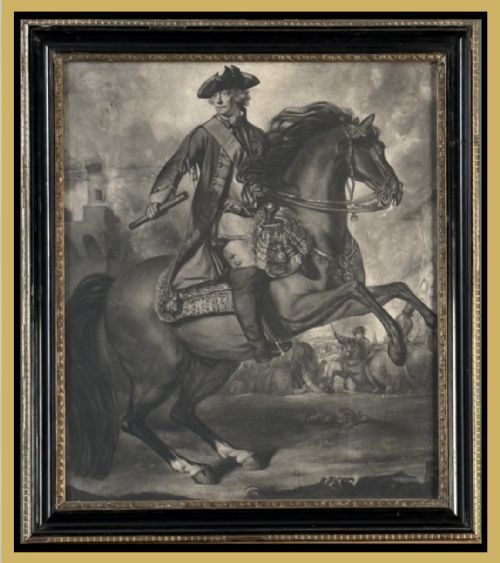
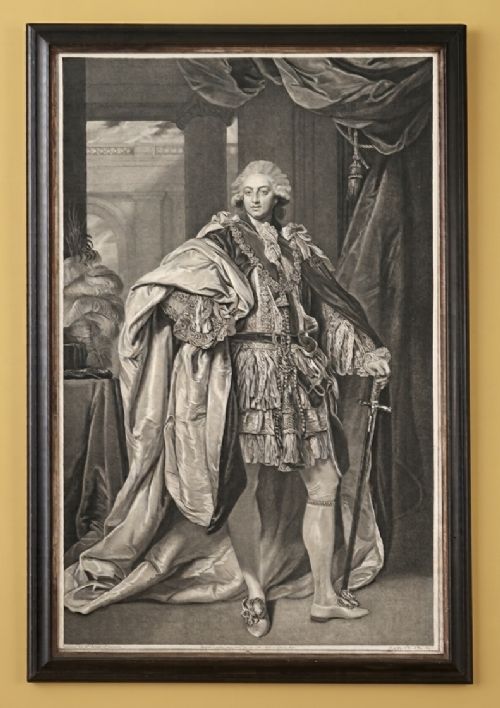
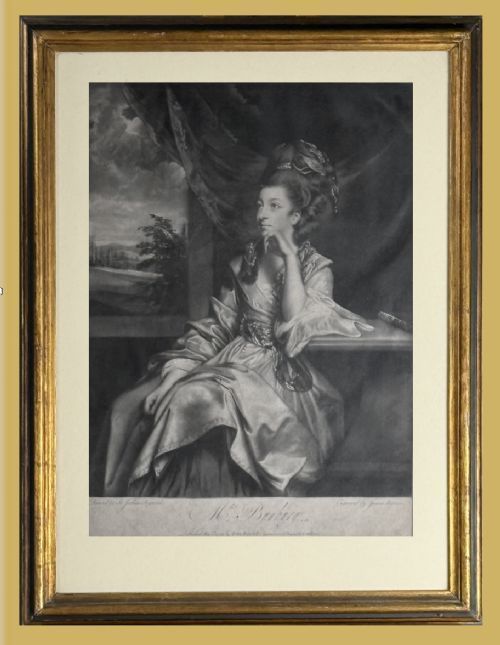
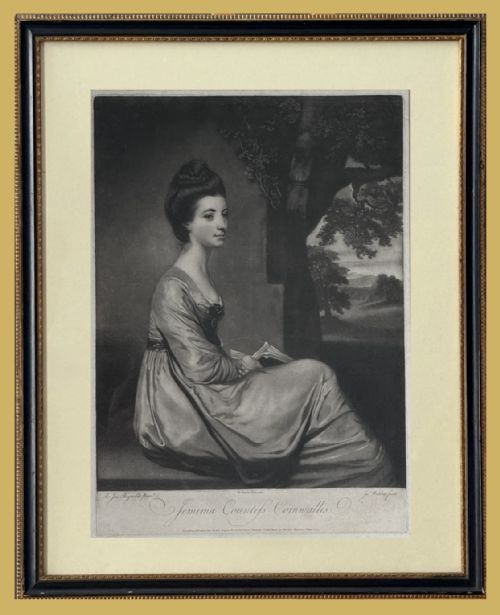
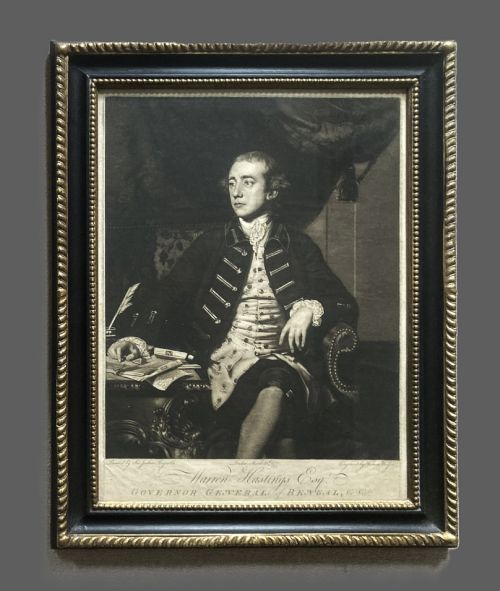
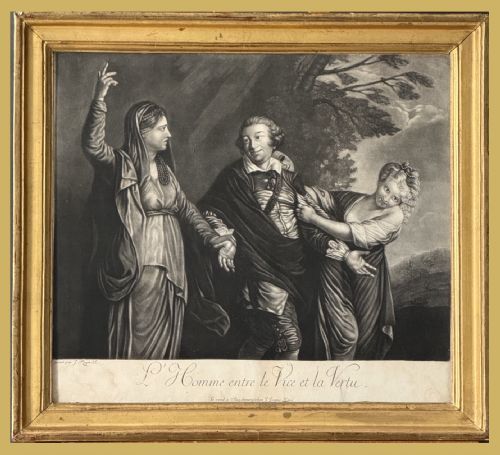
A sir joshua reynolds print brings eighteenth and nineteenth century portraiture into a room through framed works on paper. These pieces predominantly take the form of mezzotint portraits depicting notable figures, aristocrats, and literary subjects of the Georgian era.
The selections span both the eighteenth and nineteenth centuries, offering framed prints, engravings, and wall art. Most examples present titled subjects accompanied by the names of the original painter, the mezzotint engraver, and the sitter.
Materials and printmaking methods
The production of a sir joshua reynolds print relies upon ink applied to copper plates worked in the mezzotint technique, yielding deep tonal gradations on paper. These sheets are typically housed behind glass within timber frames finished in gold leaf or gilt.
Makers of the period utilised specialised steel or copper scraping tools to build up velvety darks and luminous highlights on the printing plate. The resulting impressions capture the fine brushwork and psychological depth of the original painted portraits.
Listings feature paper, wood, glass, gold leaf, ink, and gilt across eighteenth and nineteenth-century periods.
Quality factors in print collecting
The clarity of the impression on the paper separates an early strike from a later printing, as copper plates wore down over successive runs. Strong tonal contrast in the dark passages dictates the visual impact of the work.
The preservation of the original framing, including the integrity of the gold leaf and glass, influences the historical completeness of the piece. Crispness in the lettering detailing the sitter and engraver further distinguishes finer examples.
Edward Fisher·James Watson·Valentine Green·Thomas Watson
The Sir Joshua Reynolds Print Glossary
- Mezzotint
- A printmaking process where the copper plate is roughened evenly to produce rich dark tones and subtle gradations of light. This tonal method was particularly favoured for reproducing oil paintings.
- Georgian
- The historical period spanning the reigns of the four Georges, characterised by distinct neoclassical and portraiture styles in British art. Works from this era form the backbone of these collections.
- Engraving
- A method of cutting design lines directly into a metal plate with a sharp tool to hold ink. Unlike mezzotint, it relies on lines rather than areas of tone.
- Gilt
- A thin layer of gold applied to wood framing to provide a decorative metallic surface. This finish reflects the aesthetic standards of eighteenth-century display.
Sir Joshua Reynolds Print: Frequently Asked Questions
What is a mezzotint print?
A mezzotint is an intaglio printmaking process where the copper plate is roughened to hold ink, producing rich tonal gradations rather than hard lines. This technique allows for faithful reproduction of painted portraits.
Printers scrape and burnish the metal plate to create light areas alongside deep, velvety darks. This method creates a painterly quality suited to fine art reproduction.
How do I date these prints?
Dating relies on the paper type, the framing materials, and the active years of the engraver listed on the margin. Most pieces date from the eighteenth or nineteenth century.
Examining the plate marks and any publication inscriptions provides further chronological clues. Georgian impressions often bear contemporary paper characteristics distinct from later nineteenth-century strikes.
How should I display them?
These framed works require hanging away from direct sunlight to protect the paper and ink from fading. Maintaining stable humidity levels prevents damage to the timber frames and gold leaf.
Pairing them with period lighting enhances the reflective quality of the gilt frames. Proper wall placement ensures the detailed mezzotint tones remain clearly visible.
Who are the sitters in these portraits?
The sitters include prominent eighteenth-century figures such as military commanders, nobility, and literary personalities. Each portrait records the likeness of individuals connected to Sir Joshua Reynolds' social and artistic circle.
Inscriptions on the prints typically identify the subject alongside the original painter and the printmaker. This documentation connects each piece to specific historical events and personalities of the Georgian era.