
Antique History Print
When you search for an antique history print, you step into centuries of recorded observation, portraiture and cartography.
Antique History Print
An antique history print captures centuries of visual record, stretching from eighteenth-century portraits and natural history plates to nineteenth-century topographical scenes and botanical studies. These works preserve the scientific curiosity, artistic output and historical documentation of their eras on paper and parchment.
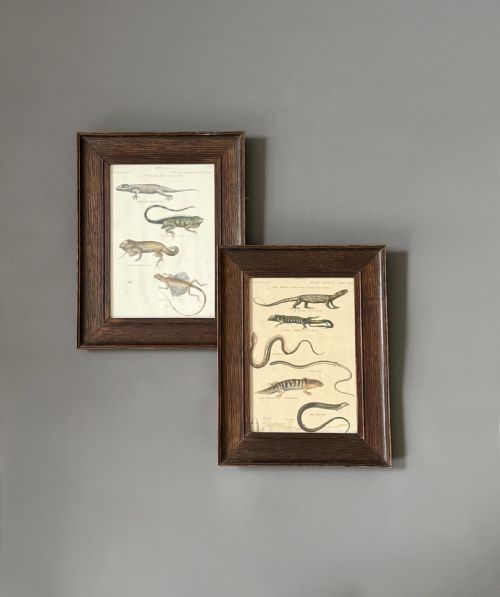
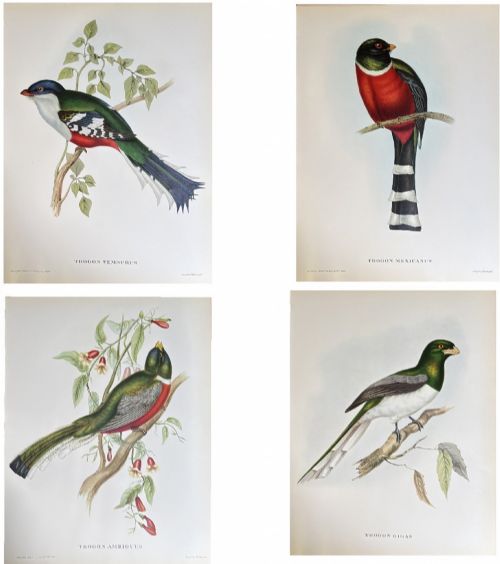
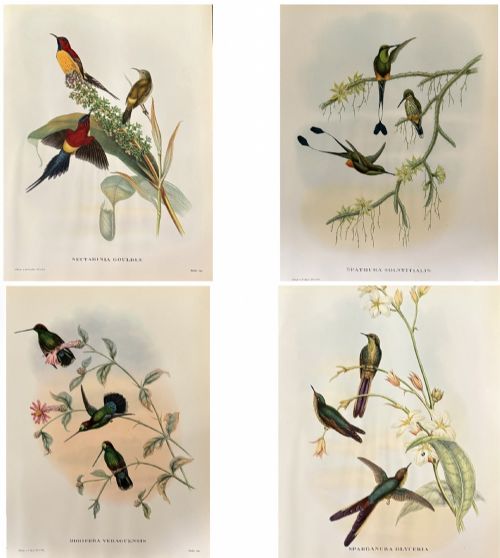
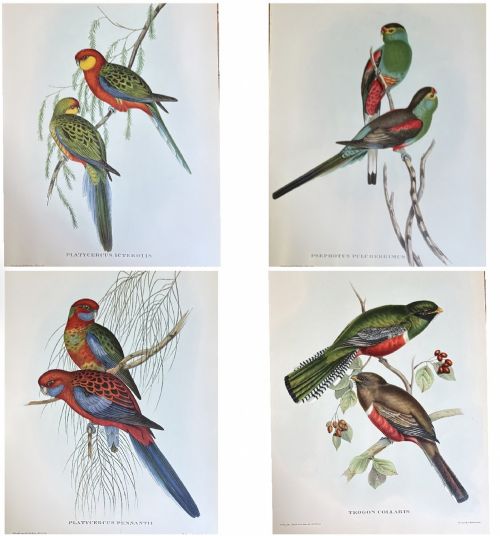
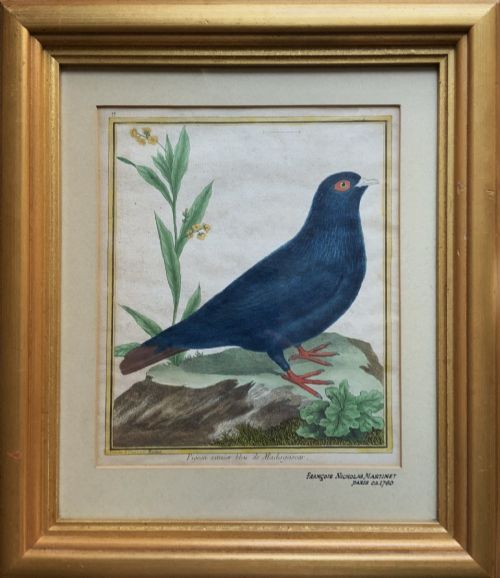
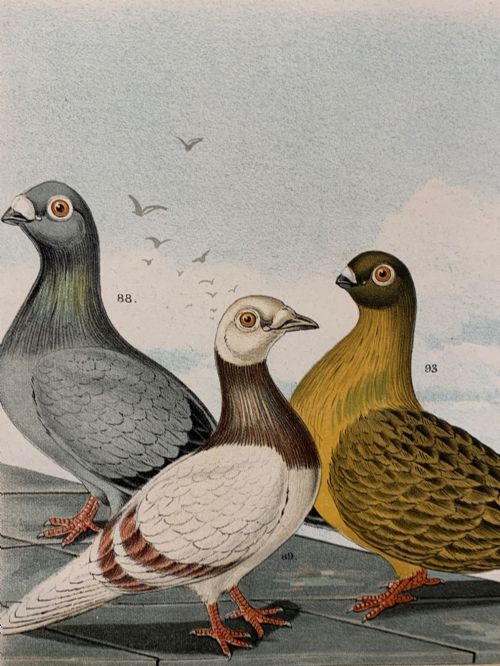
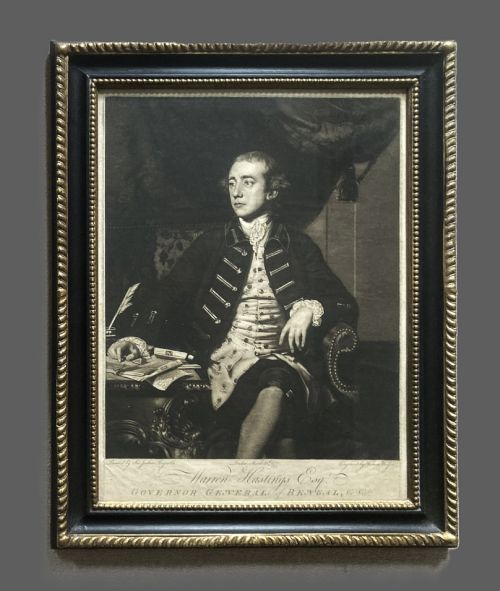
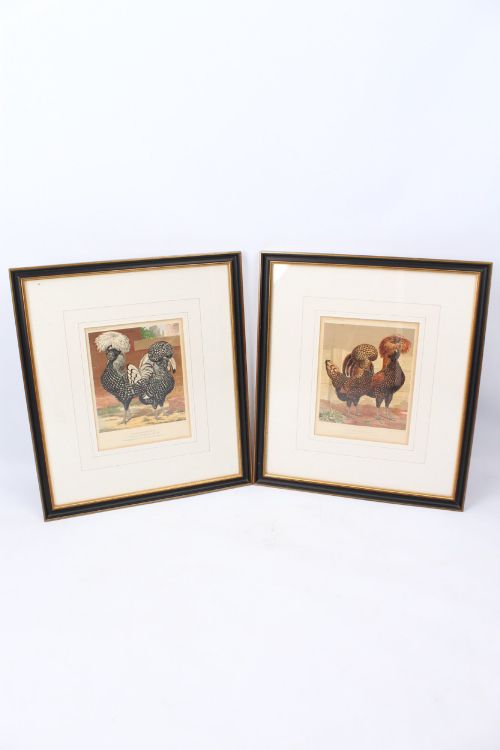
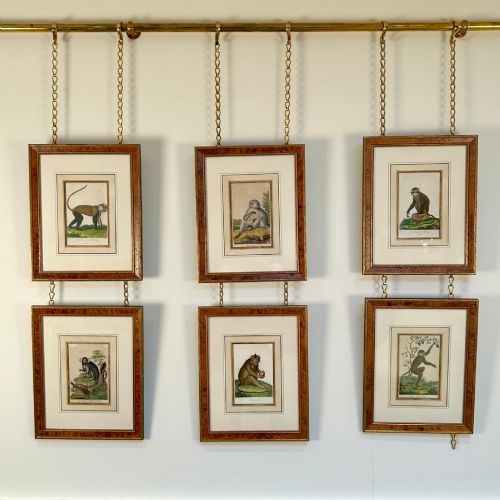
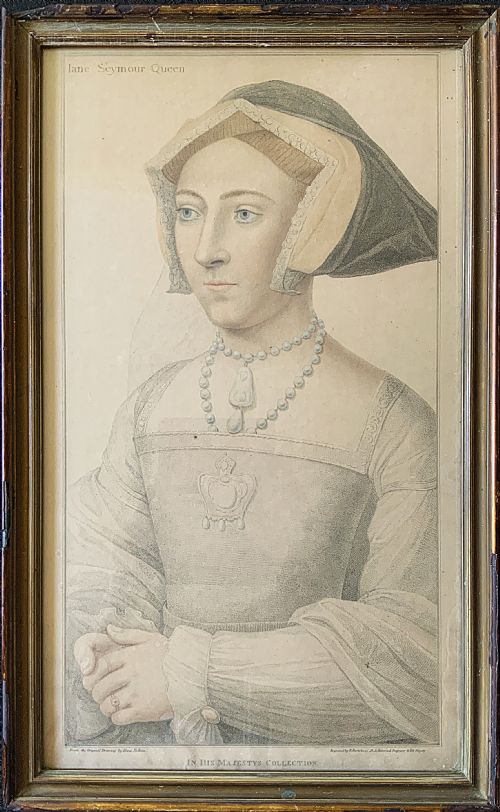
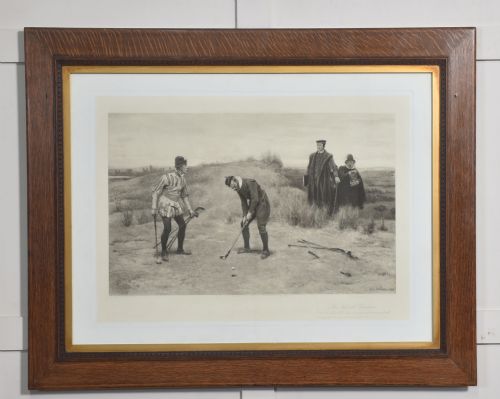
The versions most frequently met on this page include hand-coloured engravings of birds, reptiles, fish and mammals alongside portraits, maps and framed artwork. They originate from periods spanning the Georgian, Victorian and Edwardian eras, often presented within framed arrangements.
Collectors encounter these images as single plates, matched pairs or coordinated sets that reflect the rigorous documentation methods of past centuries. Each piece offers a direct window into historical education, exploration and domestic decoration.
How they were made
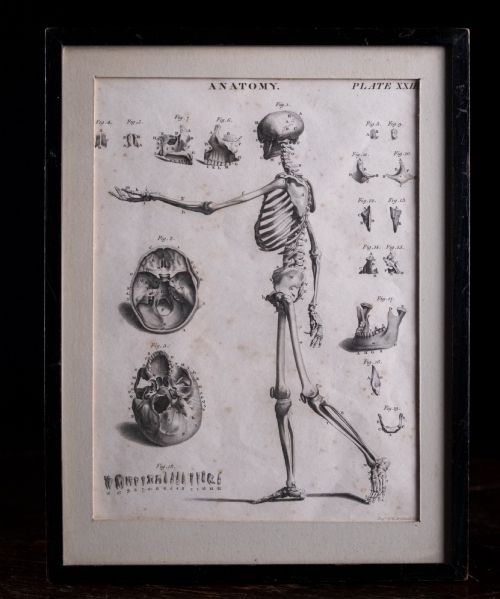
These works rely on traditional printmaking techniques such as engraving, lithography and mezzotint, executed on quality paper substrates using dark inks. Many examples feature careful hand-colouring applied with watercolours or washes over the printed lines to bring subjects like birds, serpents and botanical specimens to life.
Framing materials reflect the aesthetic preferences of their respective periods, utilising wood, ebonised finishes, deep giltwood mounts and occasional touches of gold leaf. The combination of fine plate-working and pigment application produces enduring visual clarity.
The listings span periods from the 17th century through to the Edwardian era, incorporating paper, wood, glass and gold leaf.
What varies in quality
The strength and clarity of the printed impression dictate the upper tier of quality, where fine lines remain sharp and deep without blurring or plate wear. Earlier strikes from original copper or steel plates carry a crispness that later impressions often lose.
The precision and subtlety of contemporary hand-colouring separate superior plates from standard examples, especially in natural history subjects where pigment must enhance rather than obscure anatomical detail. Original framing materials and well-preserved paper integrity further distinguish the most desirable pieces.
William Bird MD FLS·François-Nicolas Martinet·Andrew Bell·John Faber Snr·James McArdell·Thomas Watson·Jonathan Couch·George Edwards·John Hancock·John Speed
The Antique History Print Glossary
- Engraving
- A printmaking process where an image is incised into a metal plate with a sharp tool called a burin, holding ink in the grooves for transfer under pressure onto paper. This technique creates fine, precise lines that define detailed historical and scientific subjects.
- Lithography
- A planographic printing method based on the chemical repulsion of oil and water, utilising a flat stone or metal plate. It enabled the production of multi-coloured bird, animal and botanical prints during the nineteenth century.
- Mezzotint
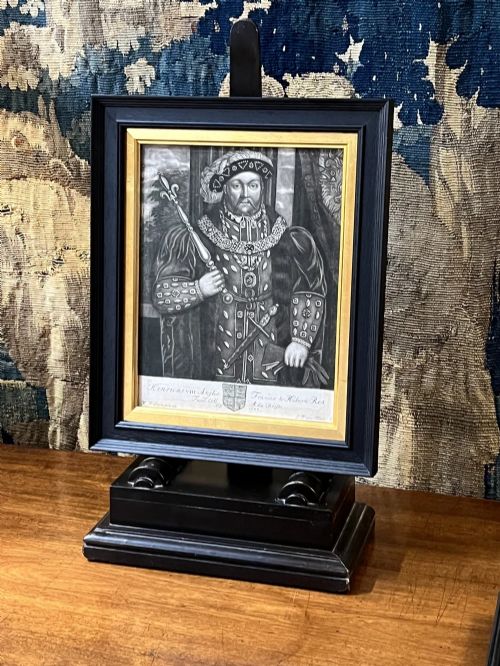
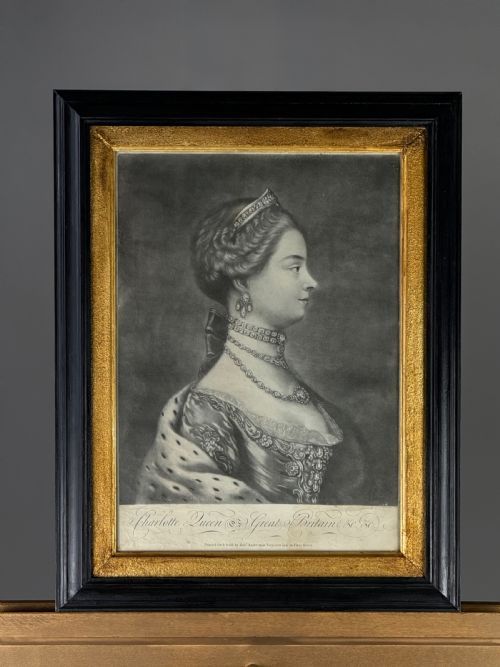
- A tonal printmaking method where the copper plate is roughened uniformly to produce dark areas, then scraped and burnished to create subtle gradations of light and shade. Portrait prints from the eighteenth century frequently utilised this method for rich depth.
- Giltwood
- Wood that has been coated with a thin layer of gold leaf or gilt paint, commonly used for the frames surrounding antique prints and mirrors. It provides a reflective, ornate border that complements the artwork within.
- Cartography
- The study and practice of making maps, represented here through antique engraved maps of counties and regions. These geographic sheets combine decorative cartouches with historical topography.
Antique History Print: Frequently Asked Questions
What subjects do these prints cover?
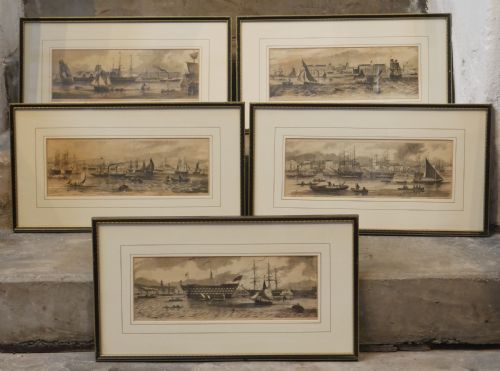
The inventory encompasses natural history subjects such as birds, reptiles, fish and shells, alongside human portraits, maritime scenes and historical maps.
These diverse categories reflect the scientific inquiry and documentary arts of the eighteenth and nineteenth centuries.
How should I frame antique prints?
Historical works benefit from frames that respect their period, using wood or ebonised mouldings with appropriate conservation mounts.
Keeping prints away from direct sunlight protects the delicate paper substrates and hand-applied watercolours from fading.
Are these prints original period pieces?
The listings consist of genuine period printings produced during the Georgian, Victorian and Edwardian eras using traditional methods.
Detailed publication dates and attributed artists help establish the chronological origin of each individual plate.
How do I identify hand-coloured engravings?
Close inspection under magnification reveals the delicate brushstrokes of watercolour applied over the underlying black ink lines of the engraving.
This manual application gives historical plates subtle variations that distinguish them from modern mechanical colour printing.