
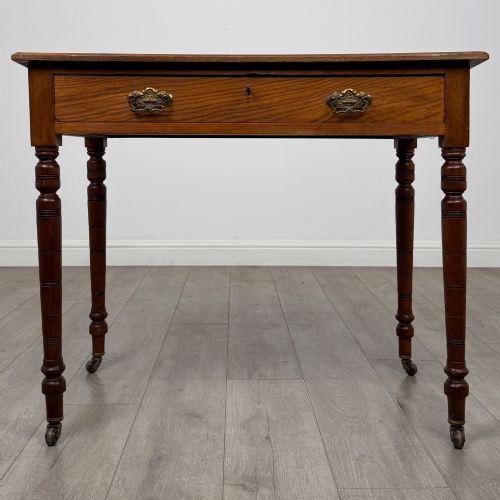
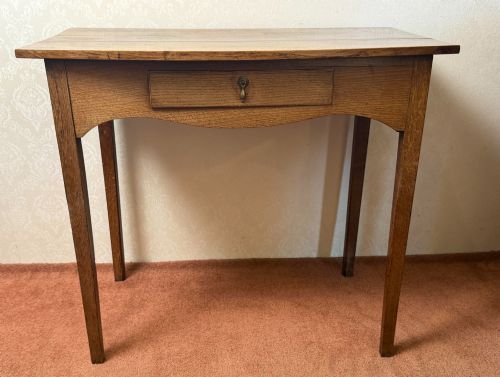
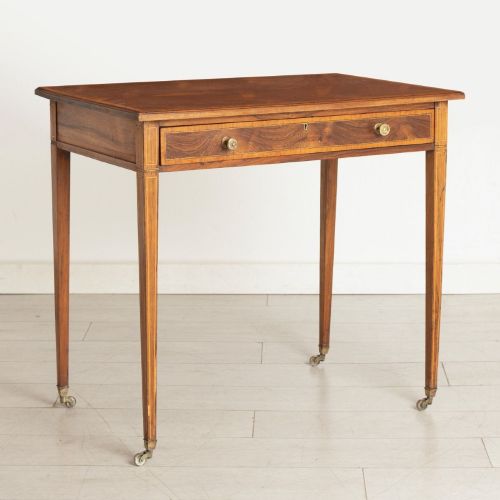
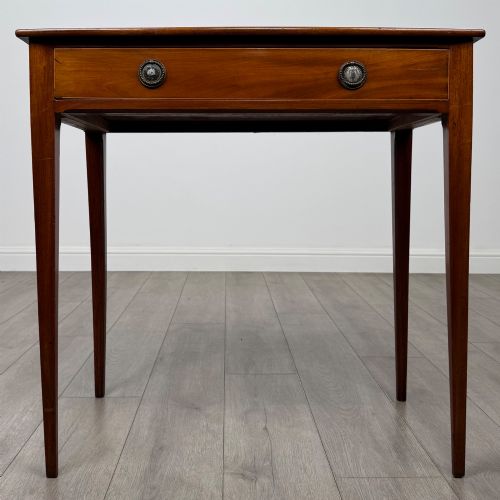
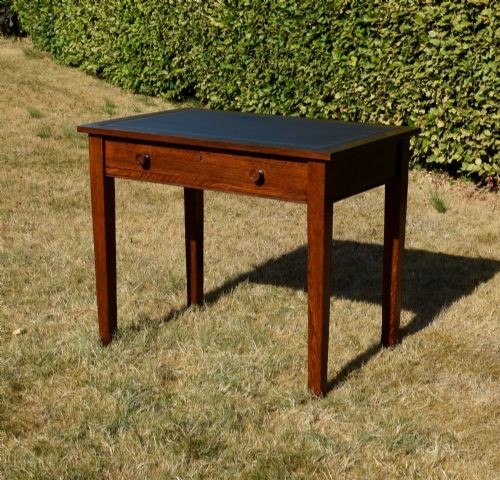
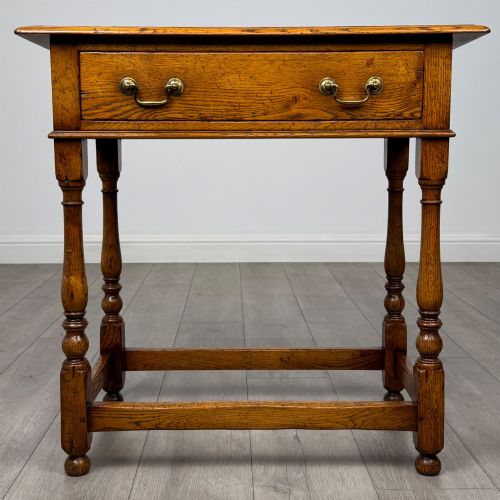
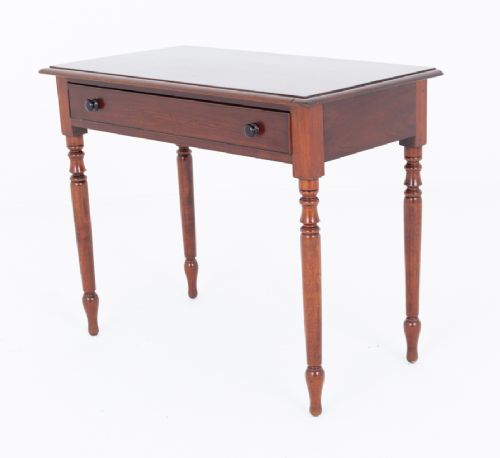
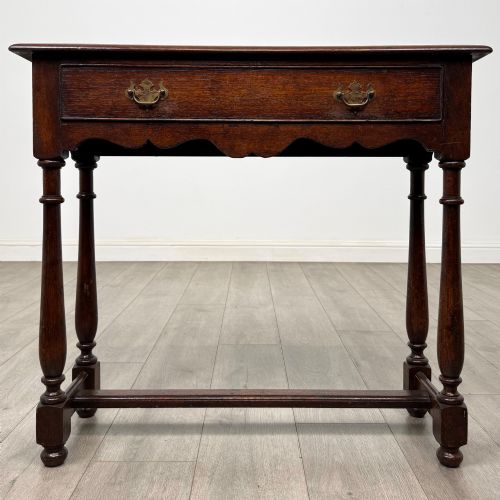

Single Drawer Writing Table
When you need a compact workspace, a single drawer writing table offers practical surface area paired with neat storage for daily correspondence.

Single Drawer Writing Table
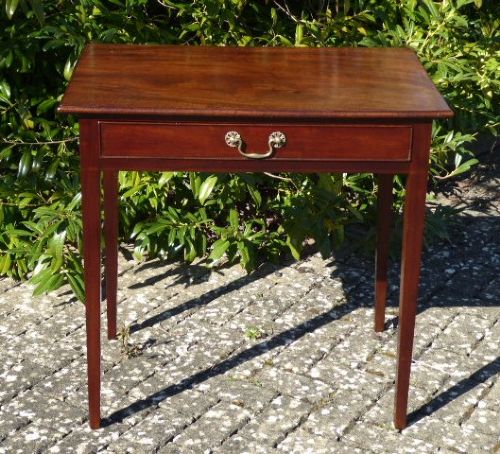
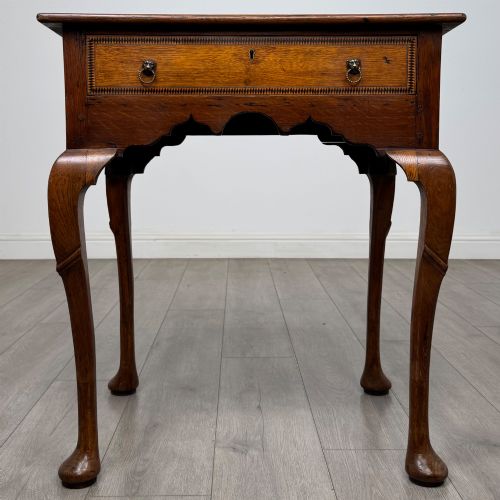
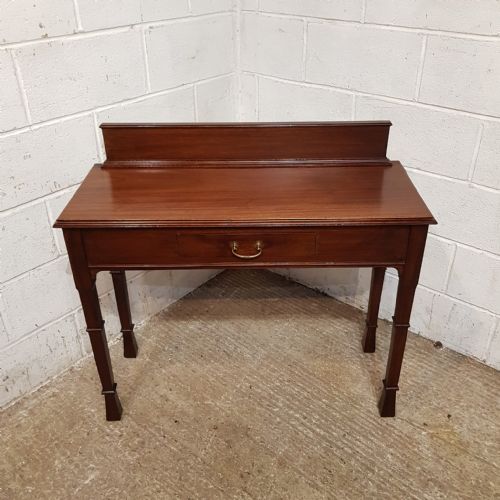
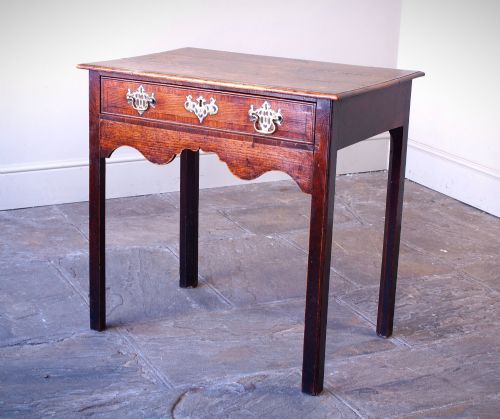
A single drawer writing table brings together the compact proportions of side tables and the utility of dedicated desks. These pieces span eighteenth-century Georgian designs through to Victorian and Edwardian examples, appearing in both formal mahogany and honest country timbers.
Makers historically adapted these tables for parlours, bedrooms, and halls where floor space was at a premium. The single frieze drawer usually sits centrally beneath the writing surface, designed to hold paper, ink, and pens.
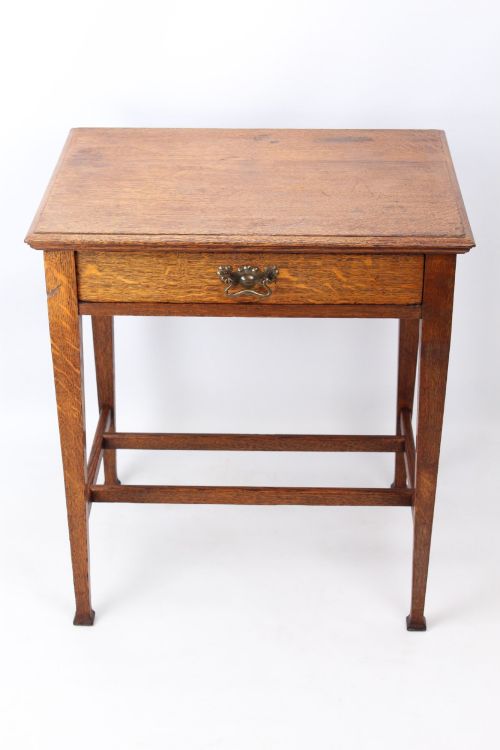
The version most commonly met on this page is the mahogany Georgian or nineteenth-century side table adapted for writing. Oak and pine variations also appear frequently, often showing regional English country or rustic farmhouse character.
Materials and Construction
Cabinetmakers relied heavily on mahogany, oak, and pine as the structural foundations for these tables. Finer examples utilise walnut, rosewood, and yew wood, sometimes enhanced with string inlay or brass hardware.
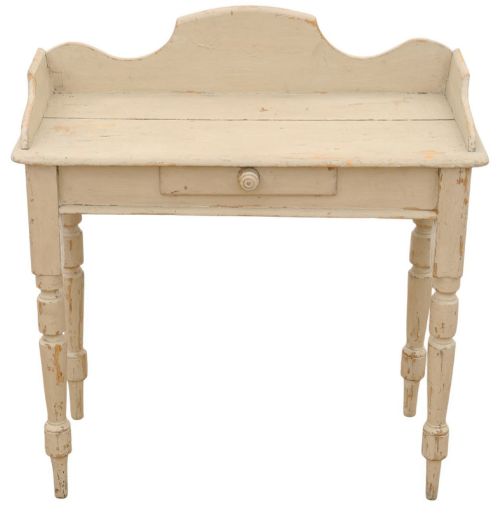
Writing surfaces frequently incorporate fitted leather inserts, while painted finishes appear on various pine and softwood country pieces. Drawer construction typically employs traditional joinery like dovetails to withstand daily pulling.
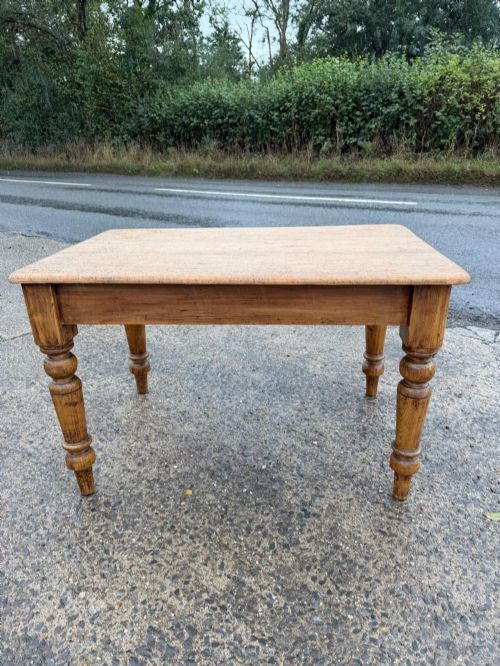
Turned or straight tapered legs support the frieze, occasionally featuring brass castors for mobility in larger rooms. The choice of timber dictates whether a piece leans towards formal Georgian elegance or sturdy Victorian utility.
Single Drawer Writing Table Retail Price Guide 2026
Typical asking prices for single drawer writing table among the pieces listed under this phrase on Sellingantiques today, from the lower quarter to the upper quarter. They describe what is for sale here now, not the wider market.
Several tables retain old leather surfaces that still bear the faint, ghosted impressions of forgotten nineteenth-century shopping lists.
Judging Quality
The refinement of the timber selection dictates the initial visual impact of the table. Dense, well-figured mahogany or richly grained walnut separates superior urban pieces from simpler utilitarian pine or oak workshops.
Construction fidelity reveals itself in the drawer mechanics and secondary woods. Smooth drawer runners, tight dovetail joints, and original brass handles elevate a piece far above clumsy provincial replacements.
Subtle decorative choices such as string inlay, brass mounts, or retaining an old leather writing surface separate standard utility tables from exceptional examples made for principal rooms.
The Single Drawer Writing Table Glossary
- Frieze
- The horizontal architectural band directly beneath the tabletop that houses the single drawer. On these tables, the depth of this band determines the capacity of the drawer inside.
- Lowboy
- A small seventeenth or eighteenth-century dressing or side table featuring one or more rows of drawers beneath the top. They share identical proportions with many early writing tables.
- String Inlay
- A narrow strip of contrasting timber or light-coloured wood inlaid into the surface of the table to create delicate geometric borders. Craftsmen used this technique primarily on late Georgian and Regency pieces.
- Frieze Drawer
- A pull-out compartment integrated directly into the framing beneath the table top. In writing tables, this drawer often contains internal stationary dividers.
- Ormolu
- Gilded bronze mounts applied as decorative ornamentation on high-status nineteenth-century furniture. This French technique appears on select walnut and mahogany tables.
Single Drawer Writing Table: Frequently Asked Questions
Where should I place a writing table?
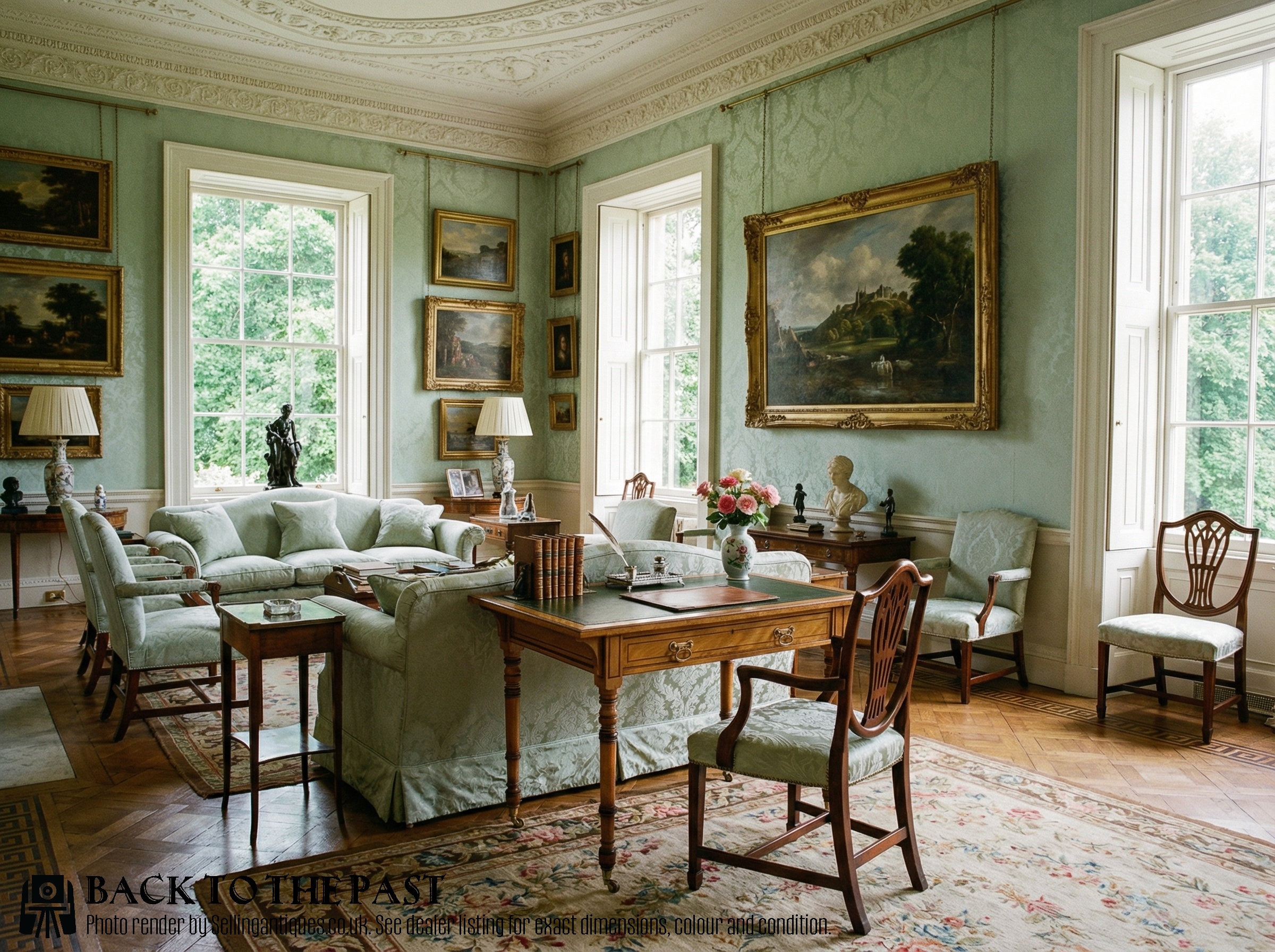
These compact tables suit living rooms, hallways, or bedrooms where a large desk would overwhelm the floor plan. They function well against a wall or floating behind a sofa.
Because the back of the table is often finished as neatly as the front, many nineteenth-century versions sit comfortably in the middle of a study.
How do I maintain the leather insert?
Original leather surfaces require gentle care using specialised leather balms rather than modern chemical cleaning sprays. Regular dusting prevents grit from wearing down the delicate tooling.
Avoid placing damp cups or unsealed inkwells directly on the leather to preserve the historic surface patination.
How do I distinguish Georgian from Victorian pieces?
Georgian tables generally display lighter proportions, finer mahogany grains, and restrained decorative elements like bracket feet or tapered legs. Their construction feels architectural and sparse.
Victorian versions frequently utilise heavier timbers like golden oak or burr walnut, occasionally incorporating richer mouldings, heavier brass pulls, or Arts and Crafts influences.
Can I use these tables for daily laptop work?
Most single drawer writing tables provide a sufficient surface depth for modern laptops and notepads. Checking the internal height of the frieze drawer ensures your knees clear the underside comfortably.
Because historical working heights tend to sit slightly lower than modern desks, pairing the table with an adjustable chair resolves any ergonomic mismatch.