

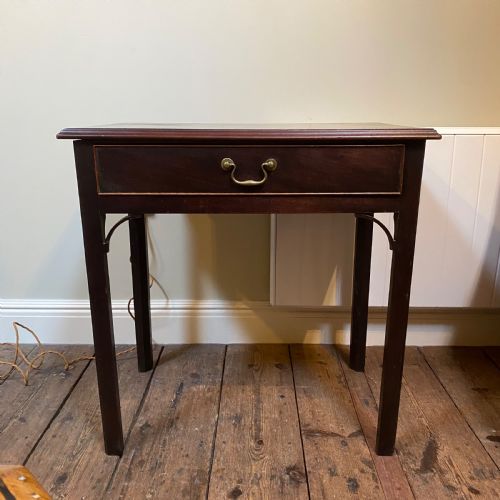
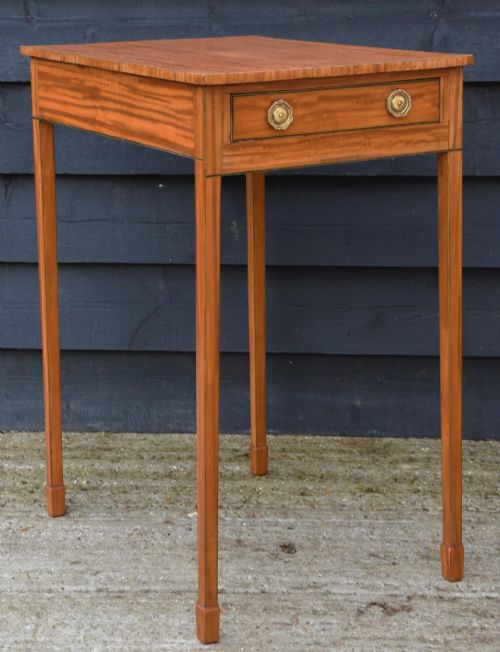
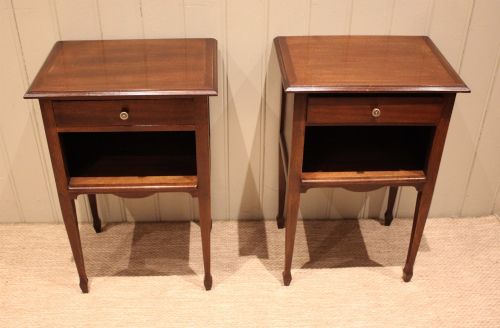
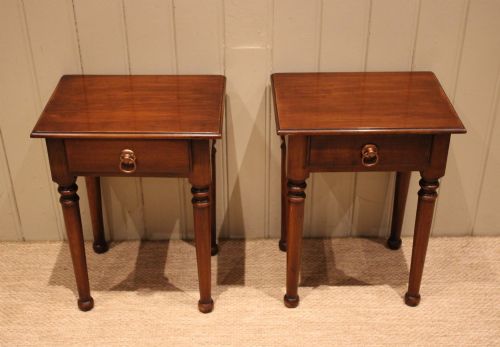
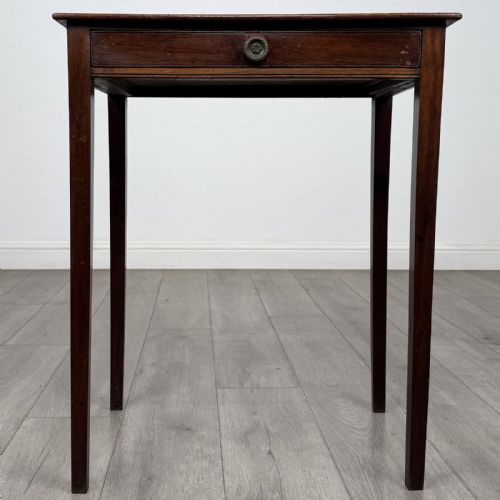
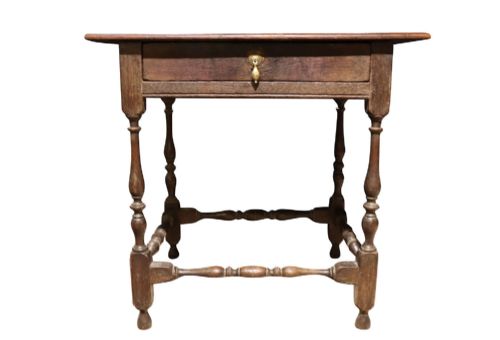
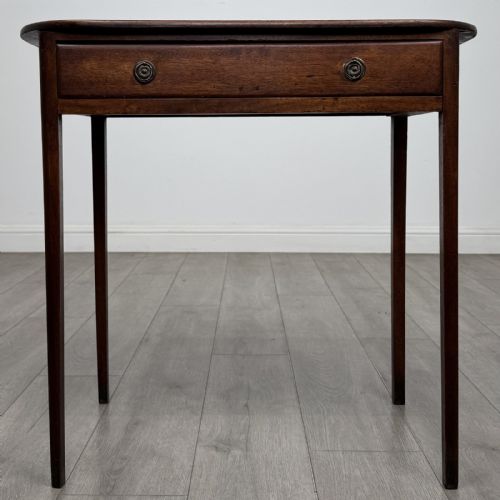
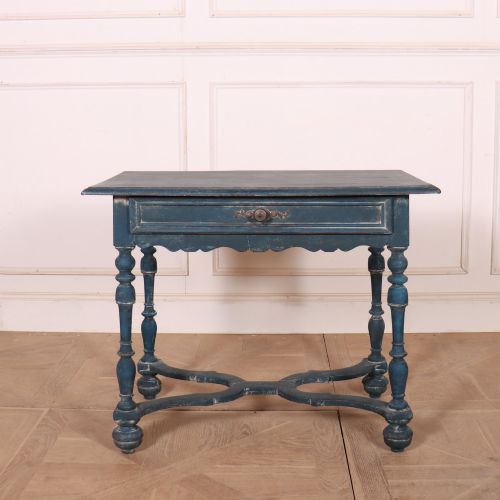
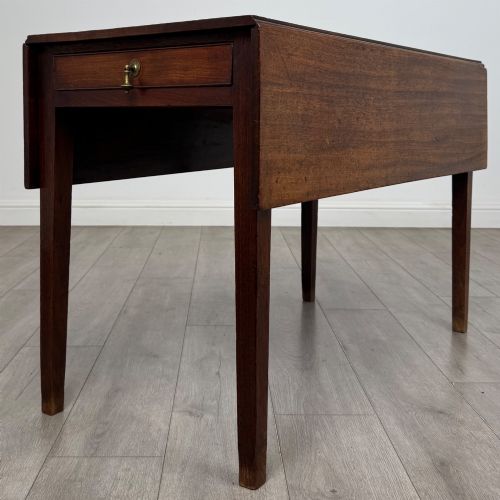
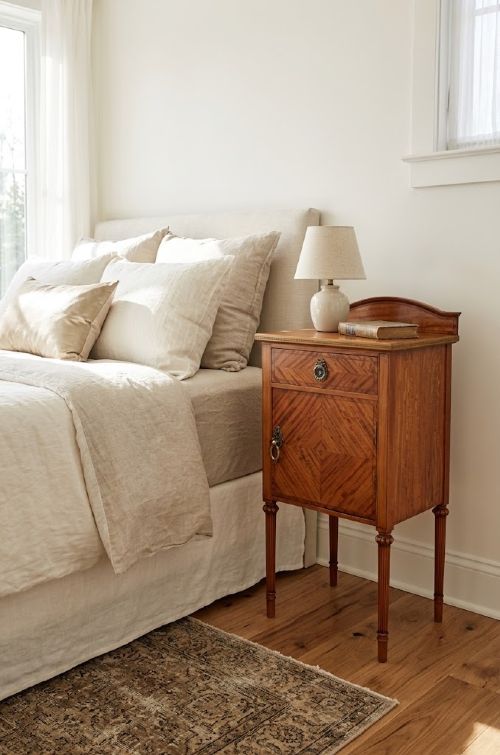
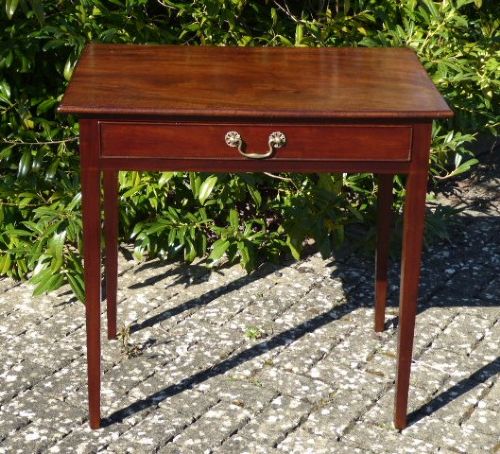
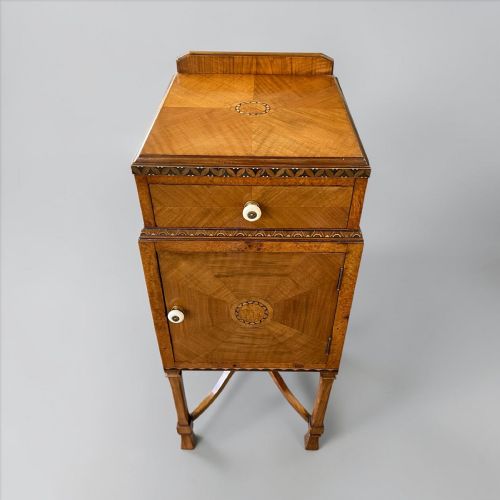
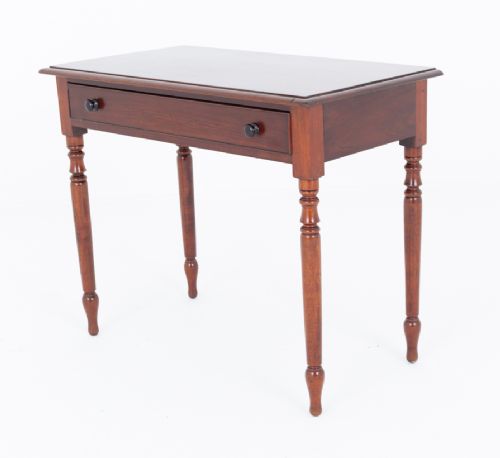
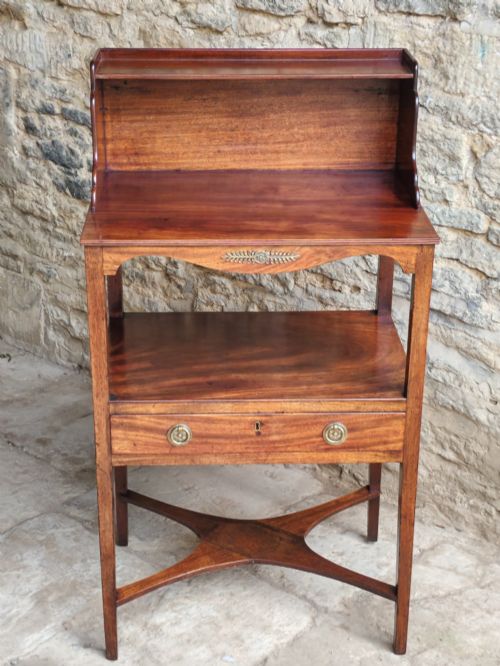
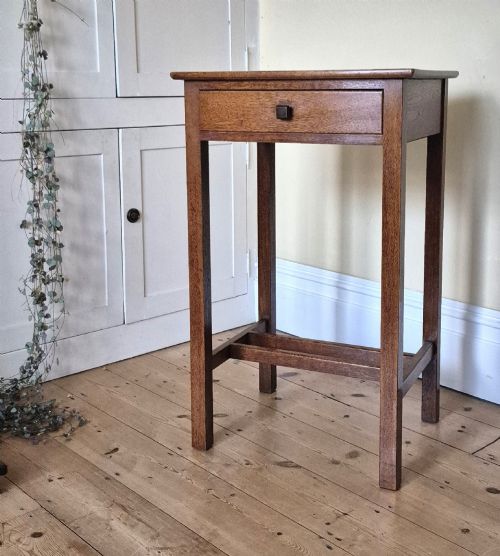
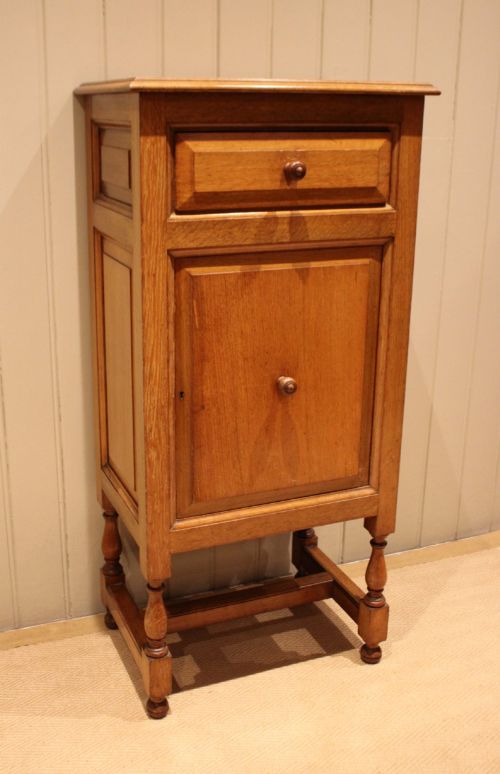
Single Drawer Nightstand
A single drawer nightstand brings neat bedside storage and period timber to a bedroom, combining practical surface space with a compact drawer.
Single Drawer Nightstand
A single drawer nightstand bridges the gap between functional bedside storage and decorative side furniture, appearing across several distinct periods. The examples found here span from the eighteenth century through to the mid-twentieth century, offering various forms such as bedside tables, cabinets, and small side tables. Georgian and Regency pieces sit alongside Victorian and Edwardian examples, giving buyers a wide scope of historical designs.
Mahogany and oak dominate the selection, though pieces also appear in walnut, satinwood, pine, fruitwood, and satinbirch. These tables often double as lamp tables or occasional tables, reflecting how domestic furniture adapts over generations. Buyers searching for a single drawer nightstand will encounter both simple country pieces and more refined urban cabinet-making.
What varies in quality
The choice of timber and veneer work marks the distinction between standard utility items and finer pieces made for prosperous homes. Figured mahogany, burr walnut, and select satinwood elevate the visual presence of a table.
Proportion and execution of the drawer construction also set examples apart. Refined pieces display tight joints and carefully matched grain, whereas simpler country tables prioritise robust utility over decorative flourishes.
Single Drawer Nightstand Retail Price Guide 2026
Typical asking prices for single drawer nightstand among the pieces listed under this phrase on Sellingantiques today, from the lower quarter to the upper quarter. They describe what is for sale here now, not the wider market.
Hubert Simpson of Kendal·Simpson Halifax
The Single Drawer Nightstand Glossary
- Nightstand
- A small bedside table designed to hold a lamp and keep nighttime essentials close at hand. These pieces often feature a single drawer above an open shelf or enclosed cupboard.
- Occasional table
- A versatile small table intended for light, flexible use around a room rather than a single fixed purpose. They appear frequently in nineteenth-century and twentieth-century variations.
- Veneer
- A thin layer of choice wood applied over a secondary timber base to create a decorative surface pattern. This technique allows cabinet-makers to utilise figured grains efficiently.
- Pedestal
- A single central support column carrying the weight of the table top. It provides stability while leaving generous legroom beneath.
Single Drawer Nightstand: Frequently Asked Questions
How do I spot an 18th-century piece?
Eighteenth-century tables typically display hand-cut dovetailing, solid timber construction, and characteristic proportions associated with Georgian design. The timber often shows a deep, rich patina developed over centuries of use.
Examine the drawer linings and underside for tool marks and construction methods that precede industrial standardisation. These subtle indicators help distinguish genuine period pieces from later revival items.
Can I use a side table as a nightstand?
Many side tables and lamp tables function effectively as nightstands, provided their height matches the level of the mattress. The single drawer offers convenient storage for bedside items.
Historical pieces were often repurposed across generations as domestic habits changed. Selecting a table with appropriate dimensions ensures it fits comfortably beside a modern bed frame.
What is the difference between a bedside table and a cabinet?
Bedside tables generally feature an open frame or a single drawer above an open lower section, maintaining a light visual profile. Cabinets enclose the lower storage space behind a small door or cupboard.
Both forms serve the same basic function but offer different levels of concealed storage. Choosing between them depends on whether you prefer items displayed on an open shelf or hidden away.
How do I care for antique wood furniture?
Protect antique timber surfaces by avoiding direct sunlight and maintaining stable room humidity. Regular dusting with a soft, dry cloth preserves the finish without building up residue.
Occasional application of appropriate wax nourishes the wood and maintains its natural sheen. Harsh chemical cleaners should be avoided entirely to protect the historic polish.