






Geometric Inlaid Cabinet
A geometric inlaid cabinet brings intricate patterned wood into a room, offering both practical storage and striking visual rhythm.
Geometric Inlaid Cabinet
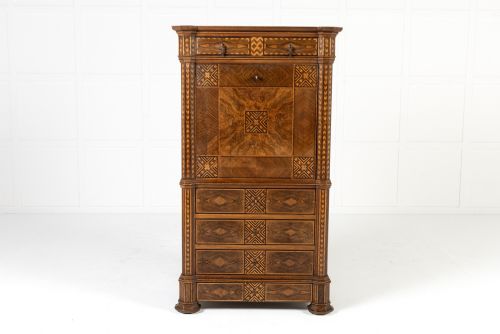
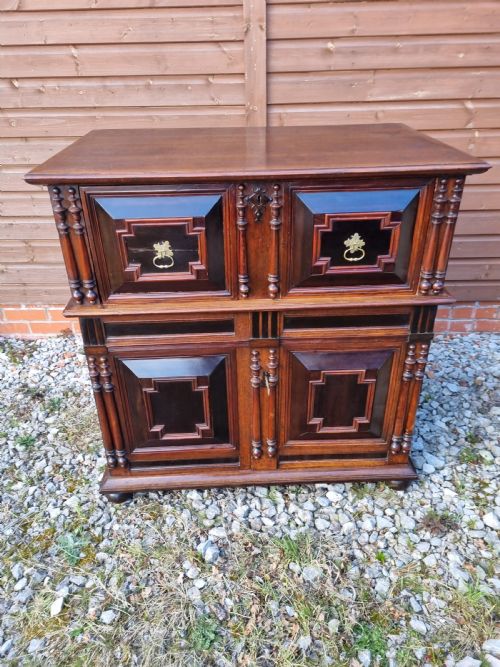
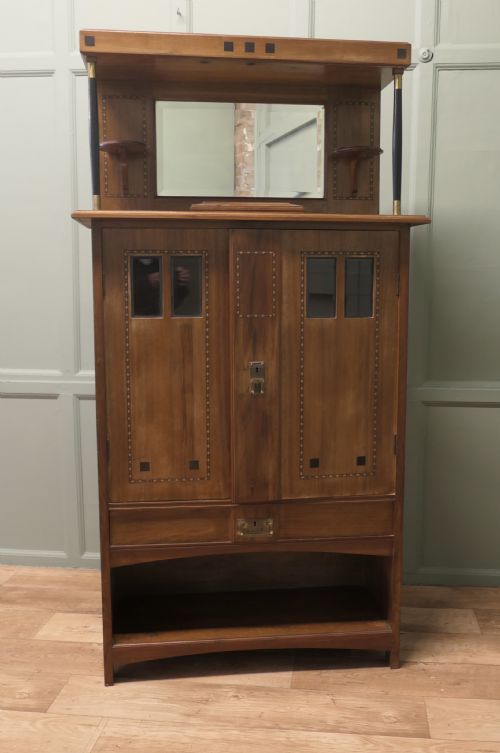
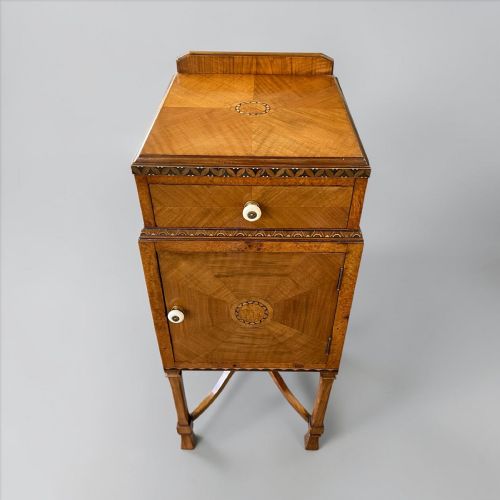
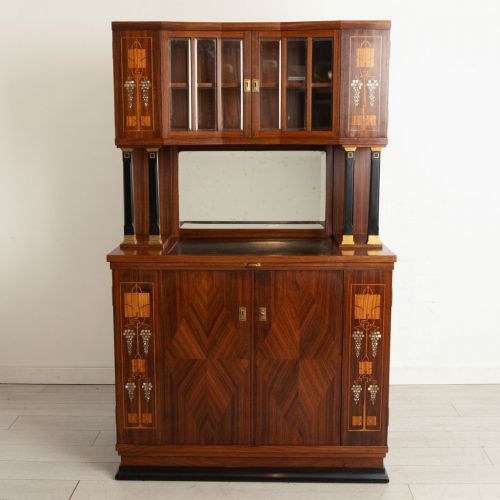
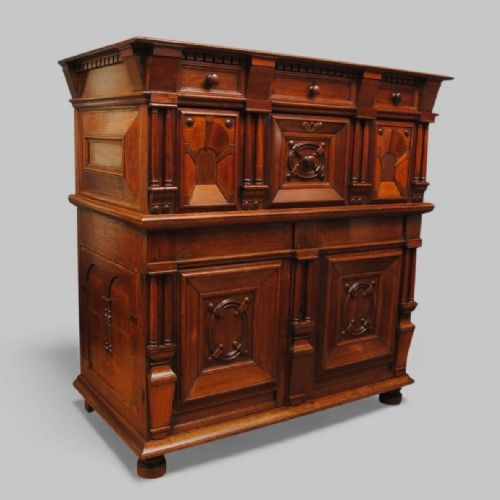
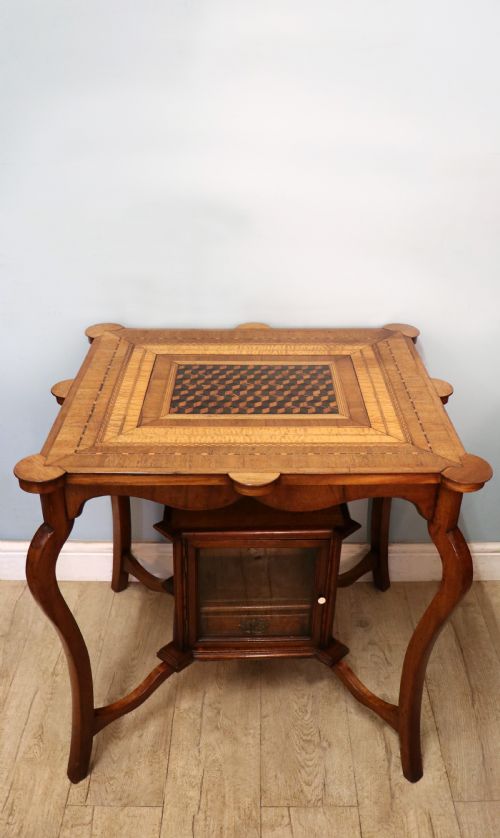
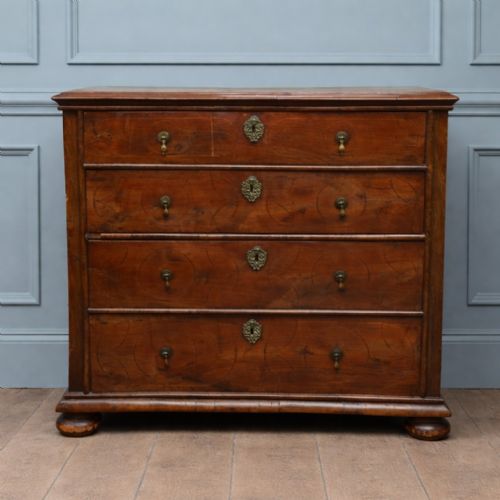
A geometric inlaid cabinet combines structured storage forms with precise, patterned wood ornamentation. Buyers searching for a geometric inlaid cabinet encounter forms ranging from cocktail display cabinets and sideboards to bedside tables and chests of drawers.
The pieces span multiple periods, touching upon seventeenth century oak and walnut, eighteenth century Georgian, Victorian, and later twentieth century Art Deco and Secessionist styles. Walnut and oak form the backbone of these constructions, often paired with fruitwood, rosewood, and mahogany.
Origins stretch across Britain, France, Austria, and Holland, alongside Moorish and Anglo-Egyptian Revival influences. Buyers are most likely to meet refined seventeenth century chests or clean-lined continental cupboards on this page.
Materials and construction
Cabinet makers utilised dense hardwoods such as walnut, oak, mahogany, and rosewood for the primary carcases and structures. Fruitwood, snakewood, maple, brass, glass, bone, and mother-of-pearl provide the contrasting tones and textures necessary for intricate patterned work.
Inlay techniques involve fitting thin slices of various woods into pre-cut channels within the timber surface to create repeating linear or polygonal motifs. Secondary materials like bone and mother-of-pearl are meticulously shaped and embedded alongside the wood to heighten the contrast of the design.
Geometric Inlaid Cabinet Retail Price Guide 2026
Typical asking prices for geometric inlaid cabinet among the pieces listed under this phrase on Sellingantiques today, from the lower quarter to the upper quarter. They describe what is for sale here now, not the wider market.
Current listings feature materials including walnut, oak, brass, glass, bone, wood, rosewood, and mother-of-pearl across multiple centuries.
Assessing quality and execution
The standard of a geometric inlaid cabinet rests on the precision of the joinery and the tightness of the fitted inlay. Clean alignment where different wood grains meet distinguishes superior workshops from more standard production.
The choice of secondary materials, such as genuine mother-of-pearl or bone versus simpler timber contrasts, shifts the level of refinement. Depth of colour in the primary walnut, oak, or mahogany carcase further indicates the standing of the piece.
August Ungethüm
The Geometric Inlaid Cabinet Glossary
- Inlay
- A technique where pieces of contrasting material are inserted into a recessed surface to form a design. This method creates flat, decorative patterns across doors and drawer fronts.
- Secessionist
- An early twentieth century Central European design movement favouring geometric forms and clean lines. It distanced itself from historic revival styles.
- Jacobean
- A seventeenth century British style characterised by solid construction and geometric moulding. Pieces from this era often feature heavy oak and moulded panels.
- Moorish Revival
- An architectural and decorative style incorporating Islamic design elements into Western furniture. It frequently utilises bone and mother-of-pearl inlay.
- Serpentine
- A furniture front curved in a wave shape, convex at the centre and concave at the sides. This contour requires advanced carpentry skills to execute.
Geometric Inlaid Cabinet: Frequently Asked Questions
How do I clean the inlay?
Dust gently with a dry, soft cloth to prevent particles from settling in the recessed joints of the pattern.
Avoid liquid cleaners or harsh polishes, as moisture can loosen the bone, mother-of-pearl, or contrasting wood elements.
Where should I place it?
Position the cabinet away from direct sunlight and heat sources to protect the natural timbers from drying out and warping.
A stable indoor environment preserves both the structural carcase and the delicate geometric surface details.
Are these cabinets sturdy?
Most examples utilise solid hardwoods like oak, walnut, or mahogany built for everyday domestic storage.
The durability depends on the joinery condition rather than the decorative inlay work on the exterior surfaces.
What periods are represented?
The listings span from the seventeenth century through the Victorian era up to 1930s Art Deco.
Earlier pieces show traditional oak and walnut construction, while later examples embrace continental Secessionist and modernist lines.