

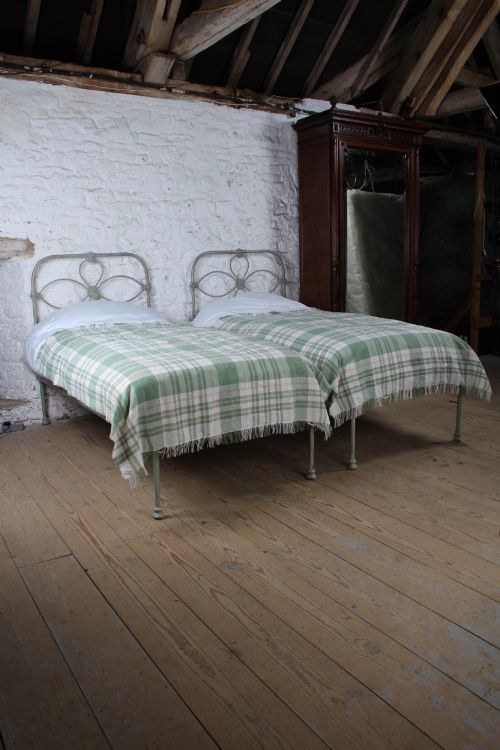
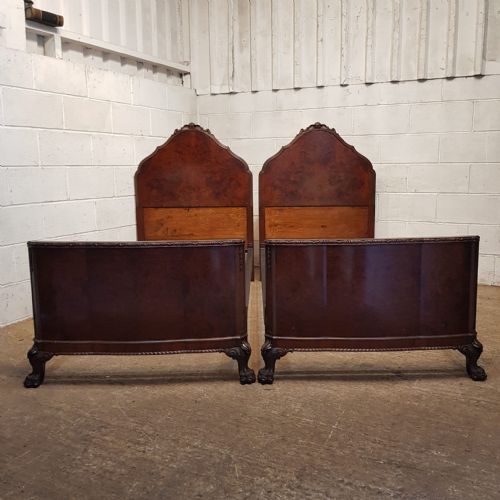

Single Bed Headboard
Single bed headboard selections bring historic character to modern chambers through timber, metal and upholstered forms.
Single Bed Headboard
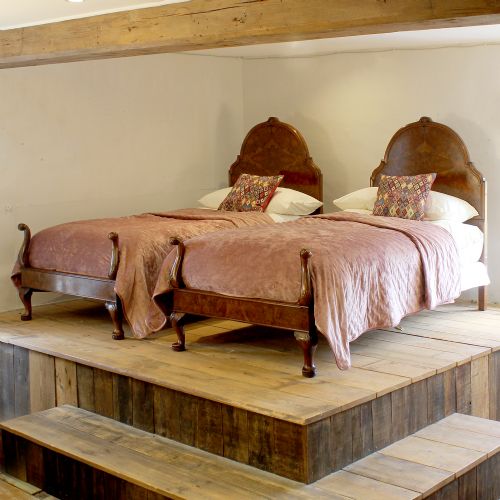
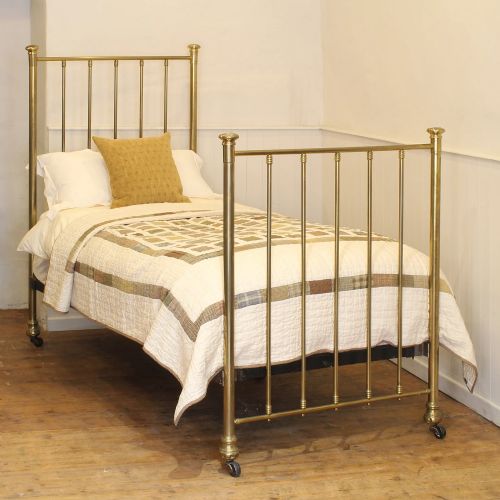
A single bed headboard sits at the upright end of a sleeping berth, providing structural framing and visual grounding for the chamber. When searching for a single bed headboard, buyers encounter timber frames, metalwork structures and upholstered panels from the Victorian, Edwardian and Art Deco eras.
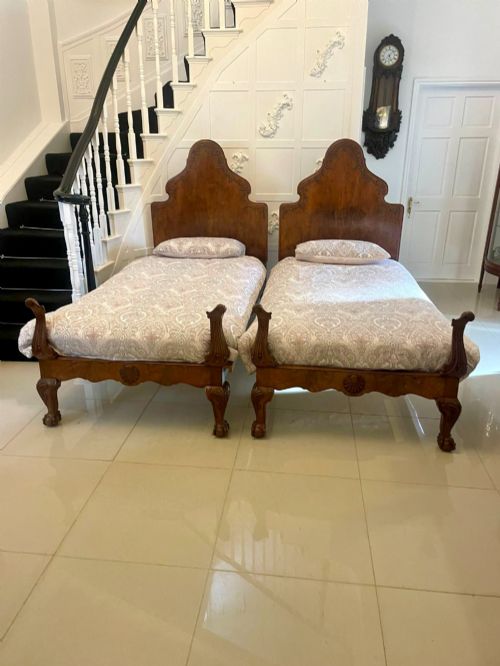
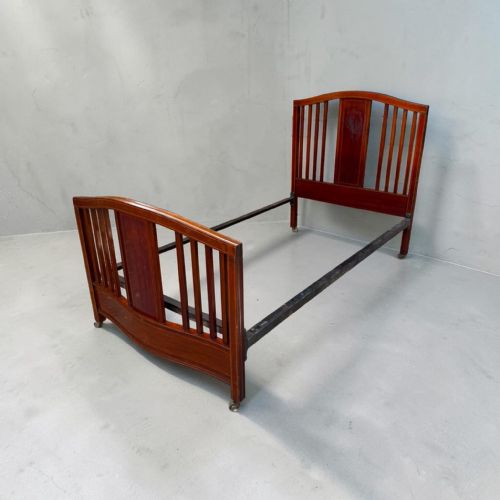
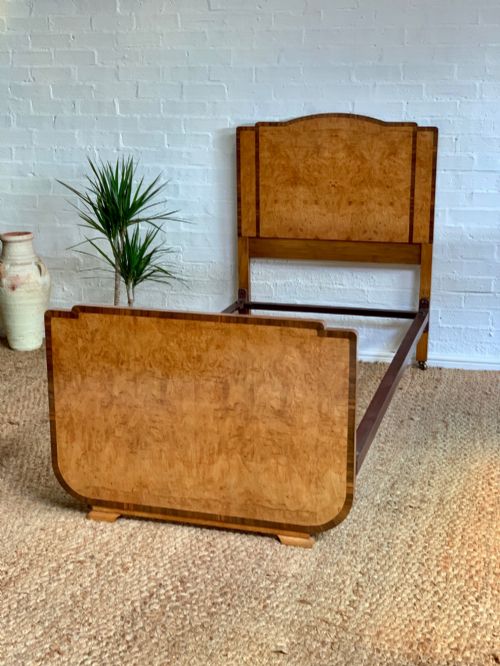
The surviving examples range from plain rustic oak and painted iron to highly figured burr walnut and inlaid satinwood. Many items originate from larger bedstead assemblies or pairs, reflecting the craftsmanship of earlier workshops and known makers.
How they were made
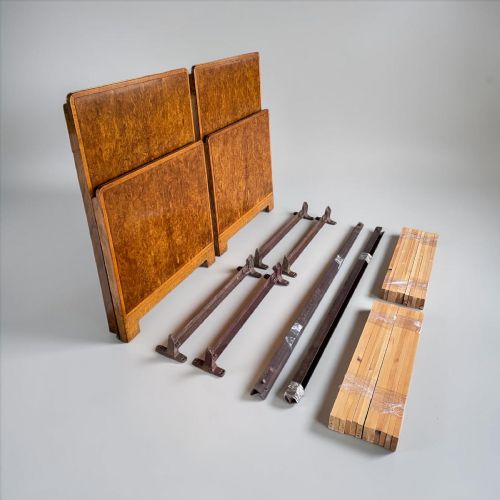
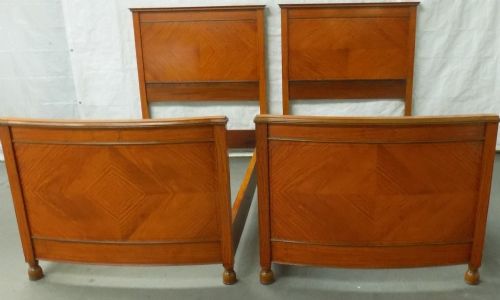
Cabinetmakers utilised dense hardwoods such as mahogany, walnut and oak, often applying decorative veneers like burr walnut or satinwood in geometric and figured patterns. Inlay work, hand carving and applied mouldings define the timber construction of the Edwardian and Art Deco periods.
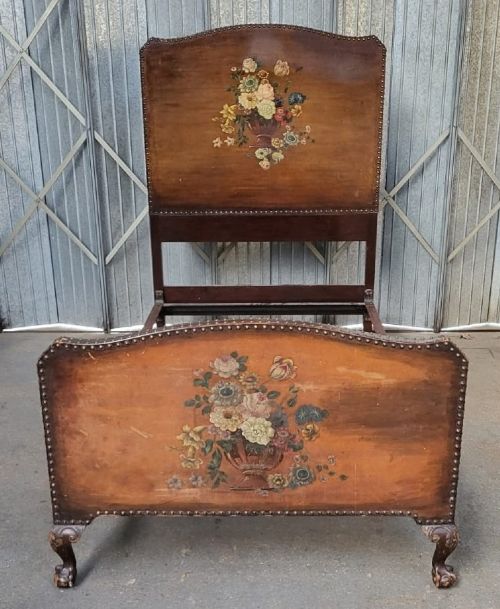
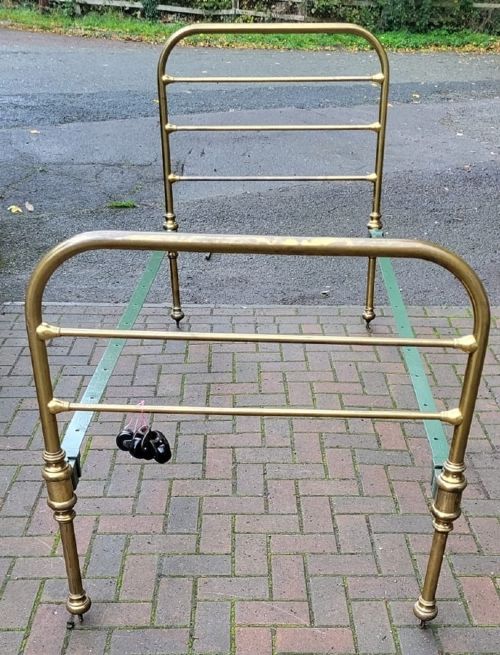
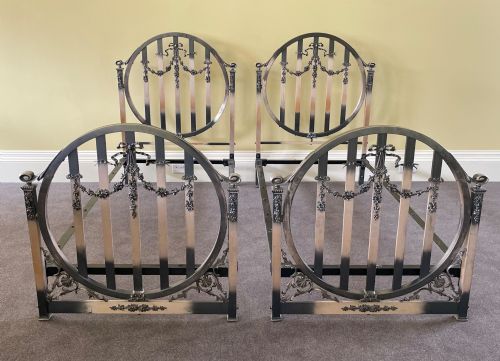
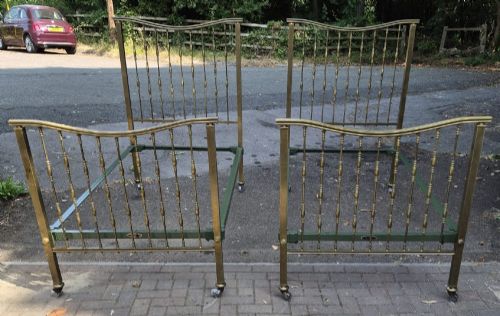
Metal structures combine brass, cast iron, nickel and iron, employing techniques like casting, jointing and tubular framing. Upholstered panels incorporate painted leather, fabric and buttoning fixed securely into the wooden or metal framework.
Several iron bed frames arrive with the reassuring note that they can be lined or joined, should a solitary sleeper decide to expand their horizons.
What varies in quality
The standard of timber selection and veneer matching dictates the visual weight of wooden pieces, where continuous grain figures and precise inlay set superior work apart. Carved details show varying degrees of depth and hand execution, distinguishing bespoke cabinetmaking from standard production.
Metal versions differ in the weight of the casting, the crispness of decorative mounts and the preservation of original plating. Structural integrity relies on solid joinery and the original quality of the metal alloys used in the frame.
Waring and Gillow·Hoskins and Sewell·R W Winfield·Shapland and Petter·Heal and Son·Betty Joel
The Single Bed Headboard Glossary
- Bergere
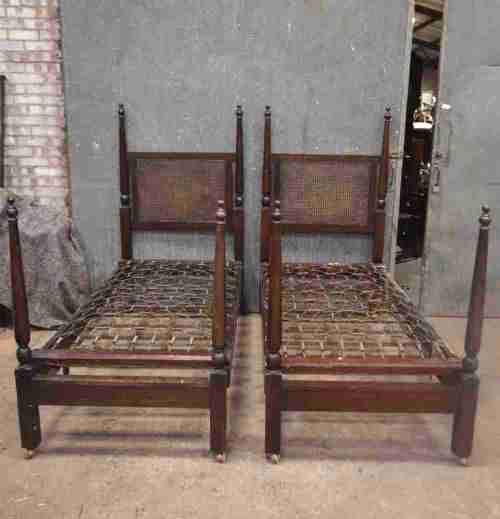
- A wooden framed chair or bed component inset with woven cane panels. This technique adds lightness and texture to the timber design.
- Inlay
- A decorative technique where contrasting pieces of wood, metal or shell are inserted into a recessed surface to form patterns.
- Veneer
- A thin slice of figured wood applied over a secondary timber base to create a decorative surface without excessive weight.
- Bedstead
- A complete framework of a bed, including the head, foot and side rails, upon which the mattress rests.
Single Bed Headboard: Frequently Asked Questions
How do I attach a vintage headboard?
Historic headboards often require bespoke wall mounting or custom brackets to fit modern divan bases safely. Checking the fixing points on the reverse ensures compatibility with current bed frames.
Many older wooden and metal panels were originally integrated into complete bedsteads rather than standalone wall fixtures. Adapting them securely typically involves discrete wooden battens or metal adapter plates.
Can I mix different wood tones in a bedroom?
Combining varying timber tones like walnut, mahogany and oak creates a layered interior rather than a uniform set. Matching the period or the grain intensity helps unify disparate pieces within the same space.
Historic chambers rarely featured matching suites, relying instead on complementary wood finishes. The natural warmth of antique timber allows different species to sit comfortably together.
How do I care for polished walnut wood?
Regular dusting with a soft, dry cloth preserves the finish of polished walnut and burr veneers without abrasive buildup. Avoiding direct sunlight and maintaining stable room humidity protects the timber from splitting or fading.
Applying a traditional beeswax occasionally nourishes the grain and enhances the natural lustre of the surface. Water spills should be wiped away immediately to prevent marking the polished finish.
What distinguishes Edwardian furniture styles?
Edwardian design draws inspiration from earlier eighteenth-century revivals, particularly Sheraton and Hepplewhite satinwood furniture. Lighter proportions, delicate inlay and painted leather panels characterise the aesthetic of this period.
Craftsmen combined traditional cabinetmaking methods with fresh decorative motifs influenced by the Arts and Crafts movement. This era valued both refined elegance and functional domestic comfort.