

Silvered Vanity Mirror
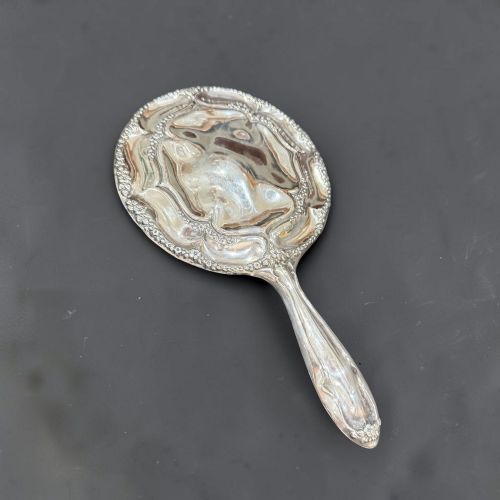
A silvered vanity mirror brings polished reflection and intricate metalwork to the dressing table, spanning Victorian opulence to clean Art Deco geometric forms.
Silvered Vanity Mirror
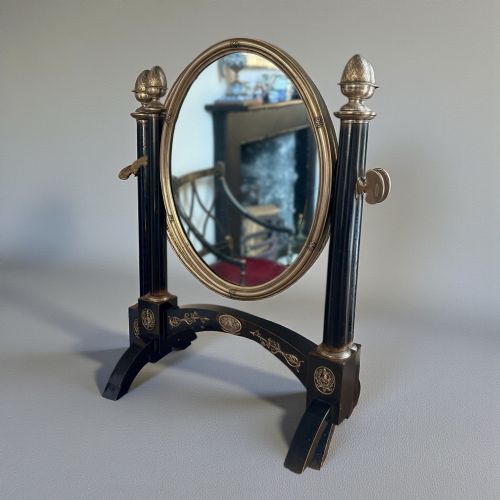
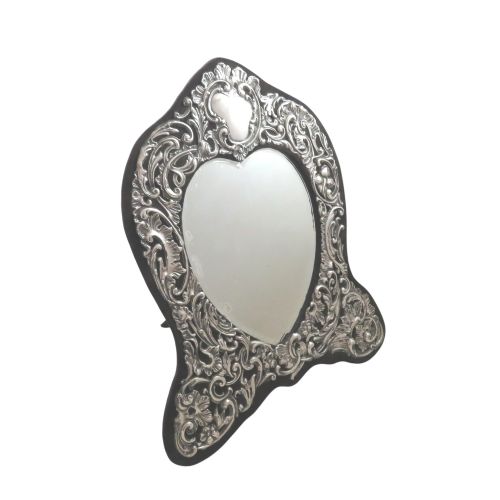
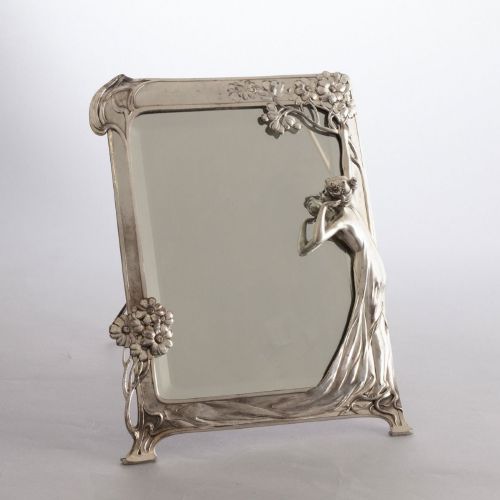
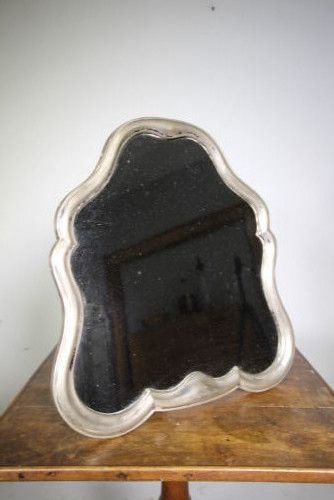
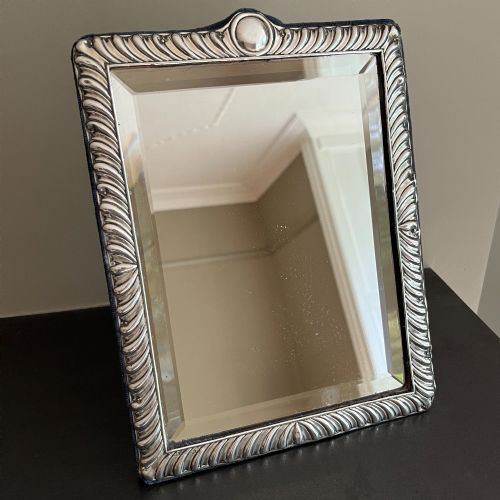
When searching for a silvered vanity mirror, buyers encounter a diverse selection of dressing table accessories, hand-held looking glasses, and easel-backed table mirrors. The pieces on this page originate from periods including the Victorian era, the Edwardian years, and the 1920s and 1930s Art Deco movement.
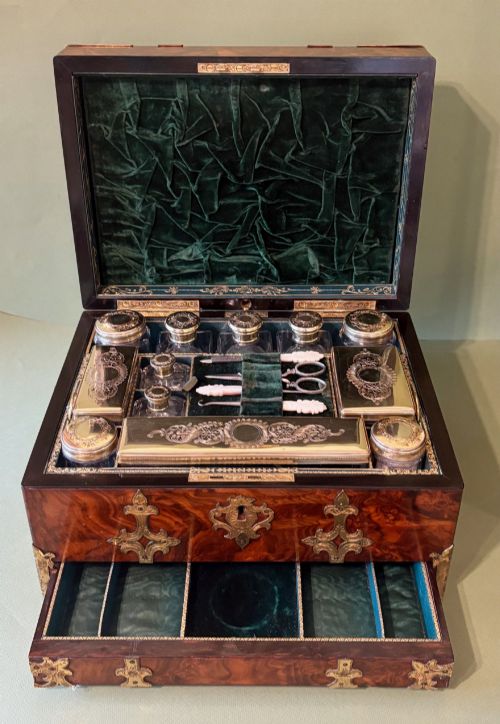
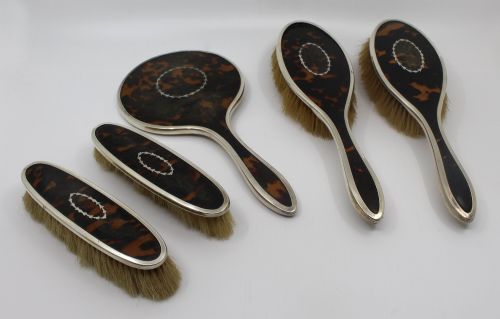
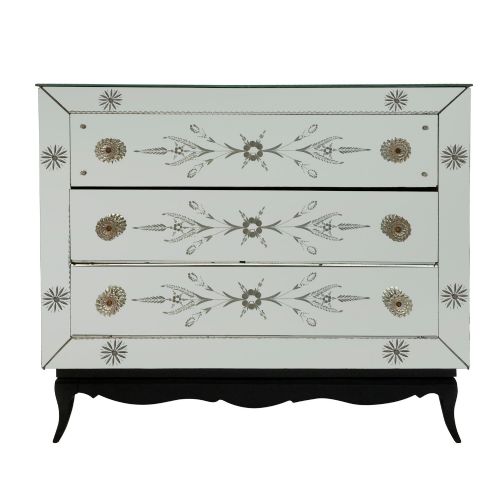
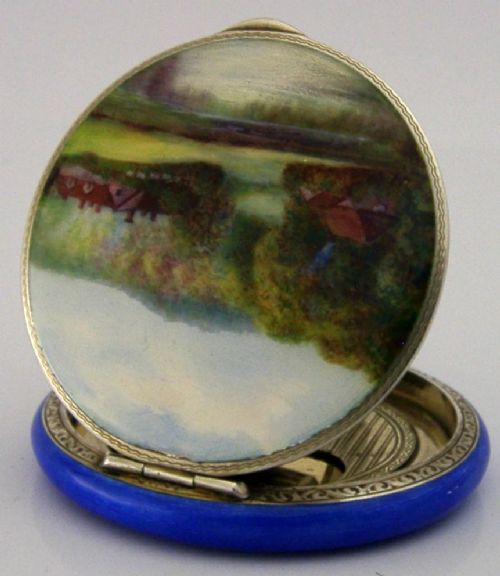
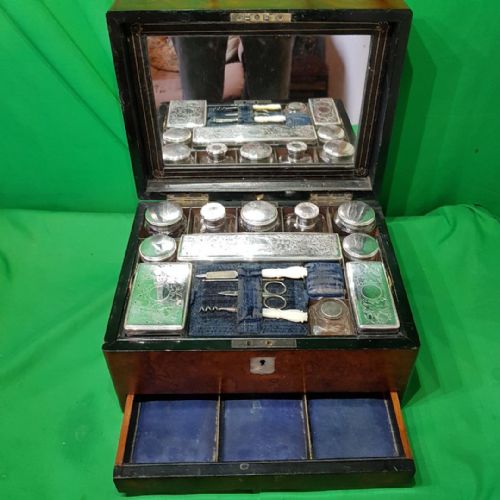
The objects take several distinct forms beyond standard mirrors, incorporating powder compacts, dressing cases, and mirrored trays. Many examples integrate sterling silver, silver plate, or glass, often decorated with enamel or embossing.
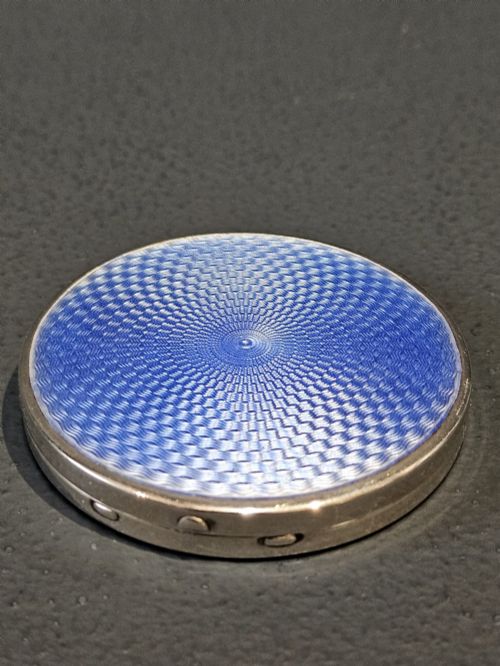
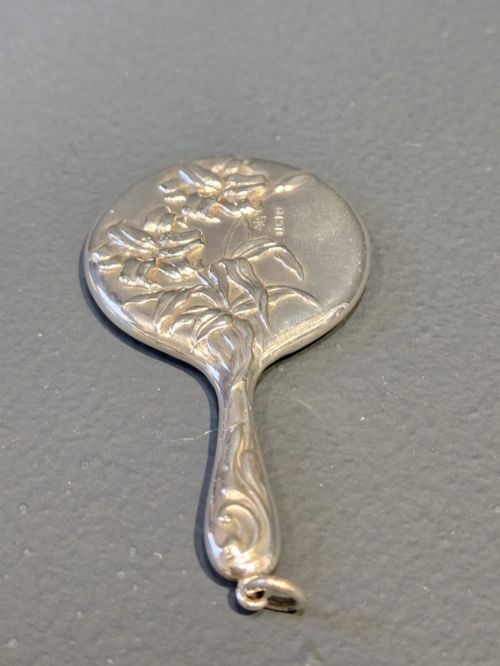
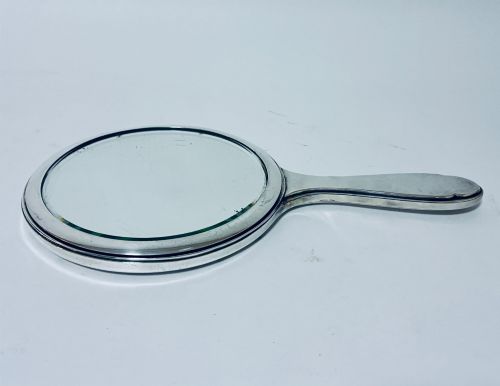
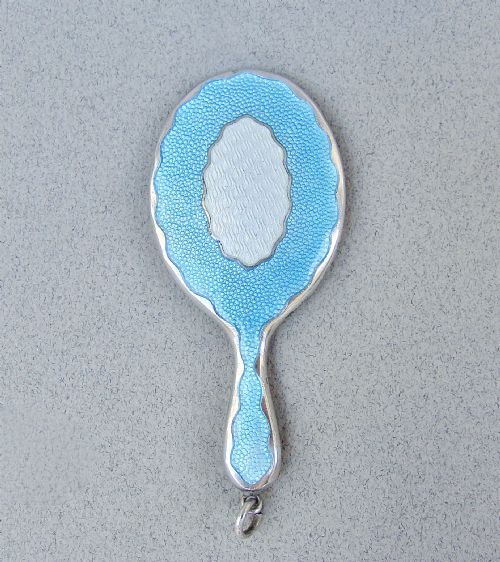
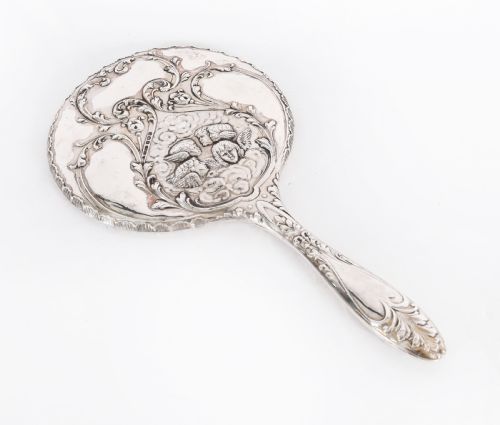
Originating from British workshops, continental European makers, and further afield, these items reflect the changing domestic habits of the nineteenth and twentieth centuries. The version most frequently met on this page is the sterling silver dressing table mirror or hand mirror featuring embossed motifs or guilloché enamel.
How they were made
Maker's workshops combined sterling silver, silver plate, and base metals with glass and mirror plates, utilising techniques like embossing, piercing, and engine turning. Metal frames were cast or stamped before receiving hand-applied details such as polychrome enamel or gilding.
Backs and easel struts frequently incorporate wood, velvet, or leather to provide structural support for the reflective glass. Enamelled items utilised guilloché techniques, where geometric patterns were engraved beneath translucent coloured glass layers.
Silvered Vanity Mirror Retail Price Guide 2026
Typical asking prices for silvered vanity mirror among the pieces listed under this phrase on Sellingantiques today, from the lower quarter to the upper quarter. They describe what is for sale here now, not the wider market.
The listings span from the nineteenth century through the 1950s, incorporating materials such as sterling silver, wood, velvet, and enamel.
What varies in quality
The distinction between standard items and superior examples lies in the crispness of the metalwork, the depth of the repoussé relief, and the complexity of any enamel decoration. Pieces bearing clear hallmarks from established assay offices demonstrate traceable provenance and higher metal purity.
The condition of the reflective glass and the original structural fittings, such as sturdy easel backs and intact velvet linings, heavily influence the overall integrity of the piece.
Henry Williamson·Charles Boyton·S Blanckensee And Son·Henry Matthews·WMF·Evans·Giuliano Spinelli·Jean Gille
The Silvered Vanity Mirror Glossary
- Guilloché
- A decorative machining technique that produces precise, intricate repeating patterns or waves on metal surfaces. It is frequently seen beneath translucent enamel on compacts and mirror backs from the Art Deco period.
- Sterling silver
- An alloy consisting of silver and other metals, usually copper, conforming to a strict purity standard of parts per thousand. British pieces carry assay office hallmarks indicating this standard.
- Repoussé
- A metalworking technique where the artisan hammers the metal from the reverse side to form a raised design in relief. This method defines the floral and cherub motifs on many Edwardian and Victorian hand mirrors.
- Easel mirror
- A table mirror supported by a hinged leg or strut at the back allowing it to stand upright on a dressing table. These fixtures often feature matching silver or plated borders.
- Silver deposit
- A chemical and electrical process that bonds sterling silver designs directly onto a glass or ceramic surface. This technique appears on nineteenth-century French porcelain and glassware.
Silvered Vanity Mirror: Frequently Asked Questions
How do I date a silver mirror?
Dating relies primarily on the hallmarks stamped into the metal frame, which denote the assay office, the purity standard, and a specific date letter. Stylistic indicators, such as Art Nouveau plant motifs or Art Deco geometric lines, provide secondary confirmation.
Items lacking official silver hallmarks are usually dated through a combination of manufacturing techniques, patent marks, and prevailing design trends of the Victorian or Edwardian eras.
What is guilloché enamel?
Guilloché enamel is a decorative finish created by machine-engraving a precise pattern into a metal substrate, usually silver, and then applying translucent coloured enamel over the top. The underlying engraved pattern shows through the glossy glass layer.
This technique gained immense popularity during the early twentieth century and appears frequently on compacts, purses, and dressing table mirrors from the 1920s and 1930s.
Are hand mirrors fragile?
While the metal frames and glass plates are durable, antique hand mirrors require careful handling due to their age and construction methods. The silver components can dent upon impact, and the mirrored glass is susceptible to foxing or scratching over decades of use.
Many pieces feature delicate decorative elements like pierced silver filigree or hand-painted enamel panels that warrant gentle cleaning without harsh chemical abrasives.
How should I clean silver dressing items?
Cleaning antique silver requires a soft microfibre cloth and specialised silver polish designed to lift tarnish without removing thin plating or rubbing away delicate embossed details. Care must be taken to avoid getting polish trapped in pierced work or porous enamel surfaces.
Enamelled and glass sections are best wiped with a damp cloth rather than immersed in liquid cleaning solutions, preserving any original velvet or silk linings on the reverse.