



Silver Watch Pendant
A silver watch pendant brings heavy Victorian and Edwardian pocket watch chains, fob medals and sovereign cases into service as modern neckwear.
Silver Watch Pendant
When you search for a silver watch pendant, you encounter converted pocket watch hardware, fob medals, and novelty charms originally worn on long albert chains. These pieces stem primarily from the Victorian, Edwardian, and Art Deco eras, capturing a period when intricate silver work accompanied daily attire.
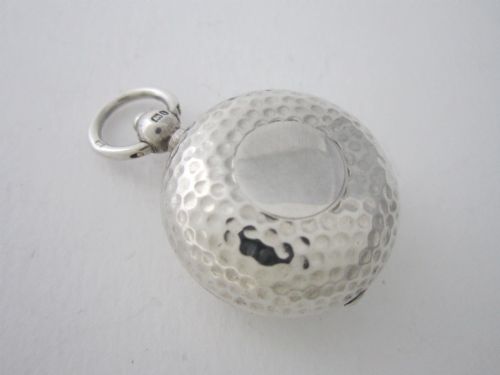
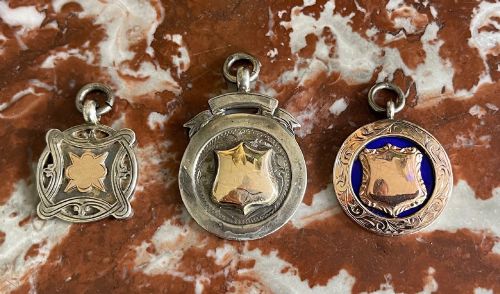
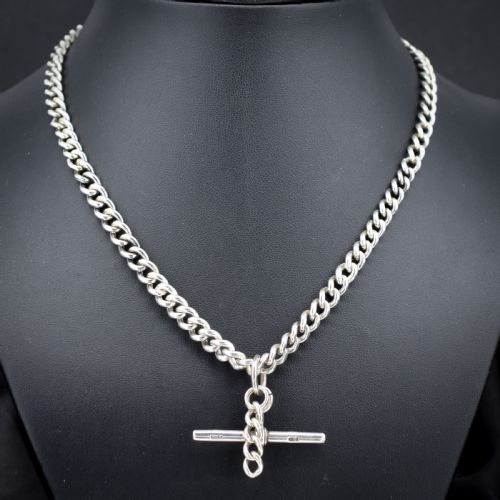
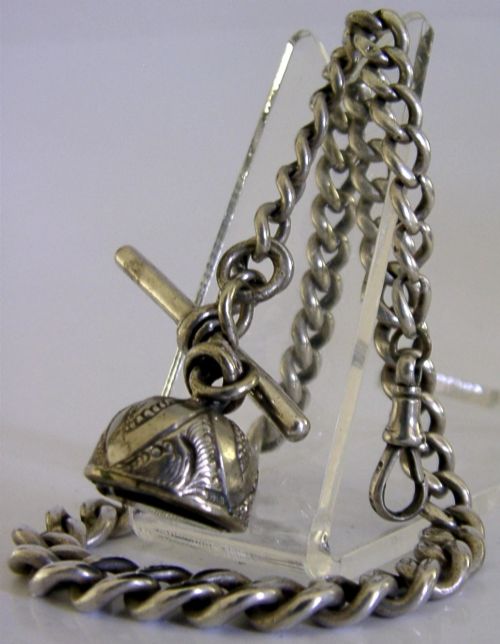
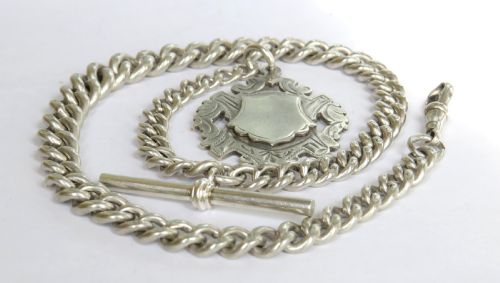
You are most likely to meet heavy curb link chains fitted with dog clips and T-bars, alongside sports medallions, enamel novelties, and sovereign cases adapted to hang from a neck chain. These items bridge the gap between utilitarian pocket watch accessories and decorative pendants.
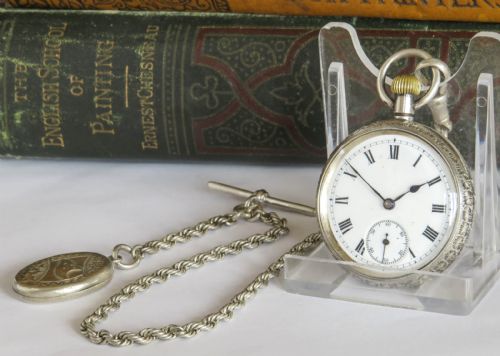
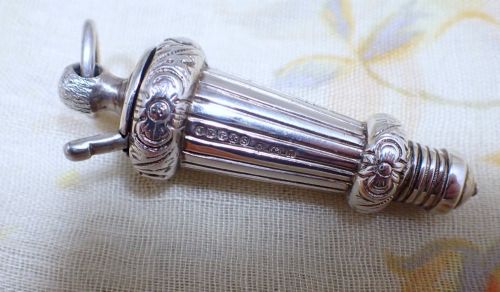
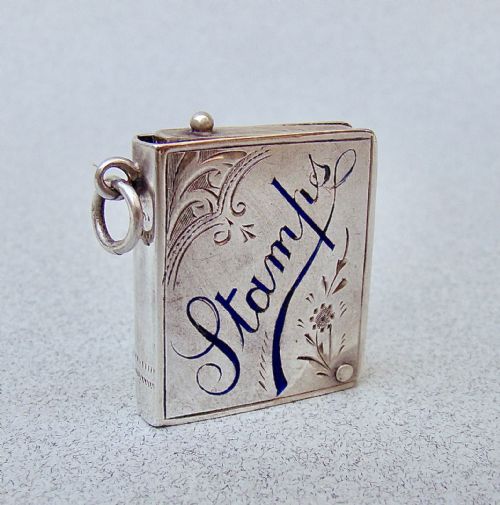
The forms range from simple silver watch chains and pocket watches to specialised items like whistle pendants, stamp cases, and sliding pencils. Each object retains the marks of its original functional purpose while finding new life as a pendant.
Markers of distinction and craftsmanship
Quality rests heavily on the crispness of the original hallmarks and the depth of the metalwork, particularly on sporting medals and novelty charms. Sharply defined engraving on a curling or football medallion elevates an item above standard mass-produced examples.
The integrity of the moving parts, such as the snap closure of a sovereign case or the spring tension in a dog clip, separates superior survivals from worn pieces. Substantial gauge silver and heavy curb link chains indicate items intended for daily, rigorous use.
The presence of specialised enamelling or unusual forms, such as darts boards or pharaoh novelty pencils, marks the upper tier of these accessories. Such pieces demonstrate higher artistic ambition from the silversmiths who shaped them.
Object types include watch chains, sovereign cases, whistle pendants, and sporting medallions.
Crisford and Norris·David McGregor·Joseph Bladon
The Silver Watch Pendant Glossary
- Albert chain
- A heavy chain attached to a pocket watch, named after Prince Albert. These chains frequently supply the links and dog clips seen on modern pendants.
- Sovereign case
- A small, round container designed to hold a gold sovereign coin safely in a pocket. They are frequently worn as pendants today.
- T-bar
- The crossbar at the end of a watch chain designed to slip through a waistcoat buttonhole. It remains a distinctive decorative feature on converted chains.
- Dog clip
- A spring-loaded swivel clasp used to secure a pocket watch or fob to a chain. It provides a secure fastening when hung as a pendant.
- Fob medal
- A medallion awarded for sports or achievements, worn on a watch chain. These form a large category of silver pendants.
Silver Watch Pendant: Frequently Asked Questions
What is a silver watch pendant?
A silver watch pendant is a repurposed antique item, such as a fob medal, sovereign case, or pocket watch chain, worn as a necklace.
These pieces originate from the nineteenth and early twentieth centuries when such hardware secured timepieces to waistcoats.
How do I wear a watch chain as a pendant?
Watch chains are typically shortened or suspended from the neck using the original dog clips and T-bars as decorative closures.
Heavier curb link chains work particularly well on their own, while shorter lengths often showcase a single fob or medal.
What periods do these pieces come from?
The inventory spans the Victorian, Edwardian, and Art Deco periods, stretching from the late nineteenth century into the nineteen-forties.
Birmingham hallmarked items and Scottish silver pieces are particularly common across these decades.
How do I identify silver hallmarks?
British silver hallmarks typically include a maker's mark, a standard mark for sterling silver, a town mark like the anchor for Birmingham, and a date letter.
These stamps help pinpoint the exact year of manufacture and the city where the silversmith worked.