



Art Deco Silver Charm
These art deco silver charm items combine period style with miniature craftsmanship, offering portable history for the discerning collector.
Art Deco Silver Charm
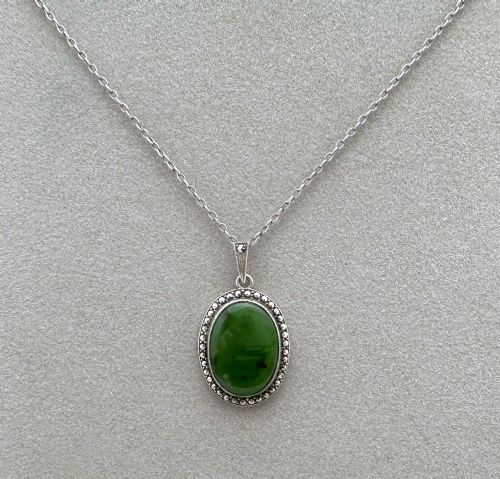
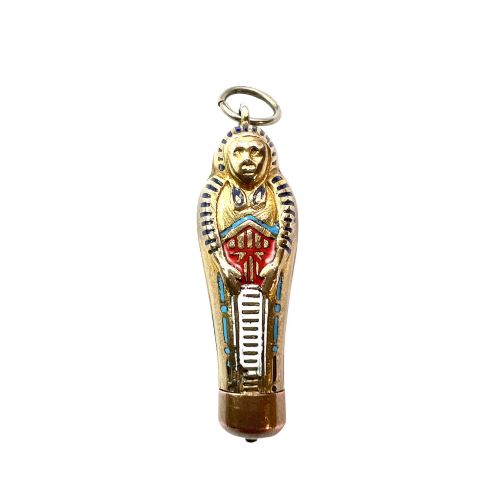
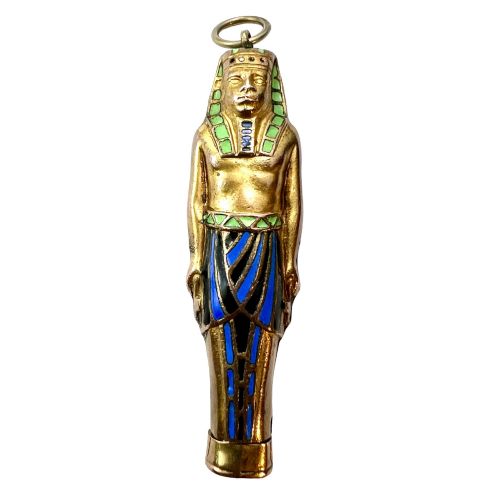
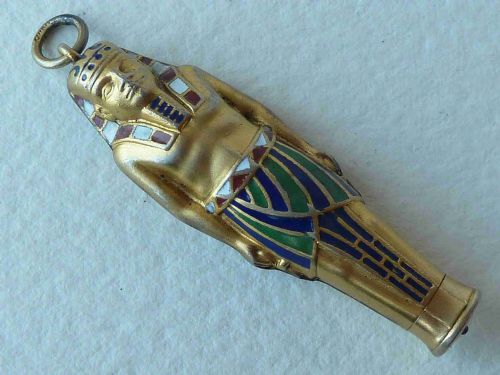
When you search for an art deco silver charm, you encounter a selection of miniature jewellery, pendants, and novelty items predominantly from the 1920 and 1930 decades. These pieces include Egyptian Revival sarcophagus propelling pencils, floral medallions, and butterfly wing designs.
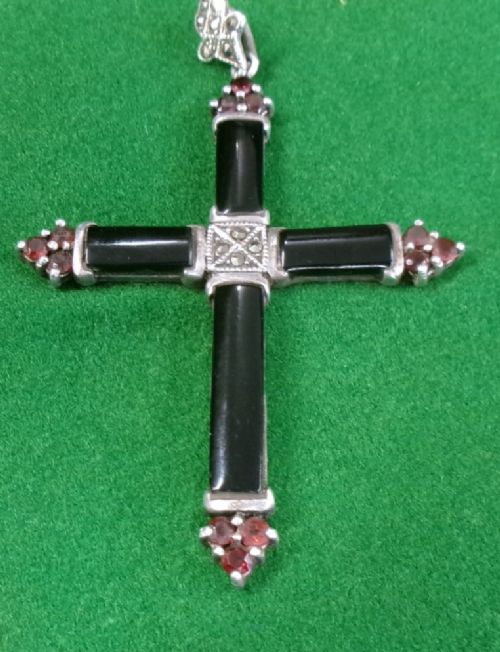
The objects most frequently met on this page span silver and sterling silver constructions, often enhanced with enamel, marcasite, or gemstones. They reflect the diverse aesthetic currents of the early twentieth century, ranging from sports medals to exotic motifs.
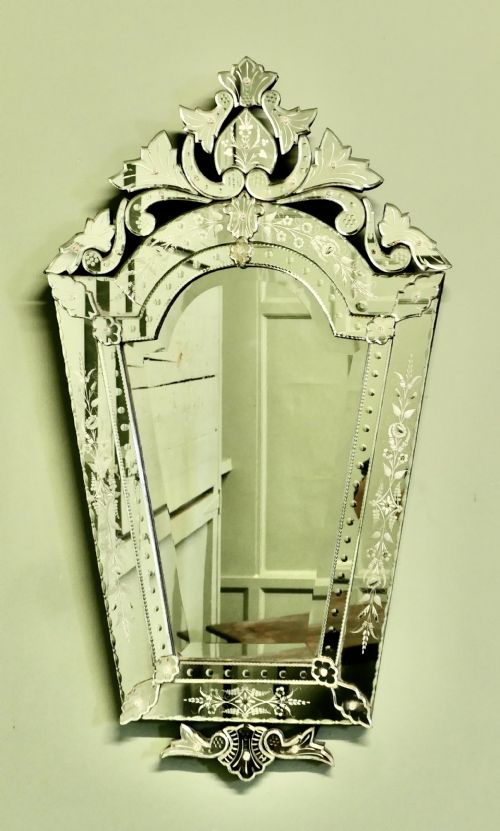
Collectors also discover related items such as necklaces, bracelets, and occasional wall mirrors originating from the mid-century period. Each piece serves as a compact example of period metalwork and design.
How they were made
Artisans constructed these items primarily from silver and sterling silver, often employing casting and stamping techniques to shape the metal bases. Metalwork was frequently combined with applied decoration such as vitreous enamel or hand-set marcasite stones.
Specialised components like propelling pencils incorporated functional mechanical parts housed within miniature silver casings. Gemstones and decorative elements, including jade, amazonite, agate, and butterfly wing panels, were meticulously bezel-set or glued into position.
Some miniature silver pharaohs hide a tiny functional pencil inside their sarcophagus cases.
What varies in quality
The distinction between standard and superior pieces rests upon the crispness of the metal stamping and the complexity of the miniature mechanism or design. Intricate enamel work and secure stone settings elevate the overall standard of an item.
Makers' marks and clear hallmarks contribute significantly to desirability, as do unusual motifs like Egyptian Revival sarcophagi or detailed novelty forms. The condition of delicate elements such as butterfly wing panels or original gilt finishes dictates the relative standing of individual pieces.
Knoll and Pregizer·Thomas L Mott
The Art Deco Silver Charm Glossary
- Marcasite
- Pyrite cut into small facets and set in silver to resemble diamonds. This material provides a sparkling border for pendants and brooches.
- Sterling silver
- An alloy consisting of silver and other metals, usually copper, meeting a specific fineness standard. It forms the durable base for many period charms and pendants.
- Egyptian Revival
- An artistic style drawing inspiration from ancient Egyptian motifs. It appears on items shaped as sarcophagi and pharaohs during the 1920 period.
- Propelling pencil
- A pencil containing a mechanism that advances the lead through a pointed tip. Miniature versions were frequently worn as novelty pendants or fobs.
- Fob
- A small ornament attached to a pocket watch chain or worn independently. These items often took the form of heavy silver floral medals or sporting medallions.
Art Deco Silver Charm: Frequently Asked Questions
How do I identify a 1920 piece?
Pieces from the 1920 decade frequently exhibit Egyptian Revival themes, marcasite decoration, or butterfly wing panels under glass.
Examining hallmarks and stylistic motifs helps narrow down the production era.
Were these items worn daily?
Many of these objects were designed to be worn on necklaces, charm bracelets, or watch chains as personal accessories.
Sports medals and fob pendants were similarly utilised to commemorate events or affiliations.
What materials are common?
Sterling silver, silvered metal, and gilt metal serve as the primary structural materials for these items.
Decorations frequently include enamel, marcasite, jade, agate, and amazonite.