





Silver Top Crystal Decanter
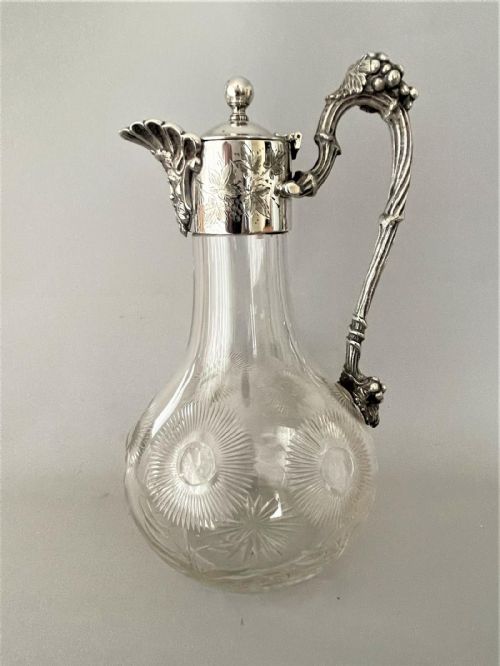
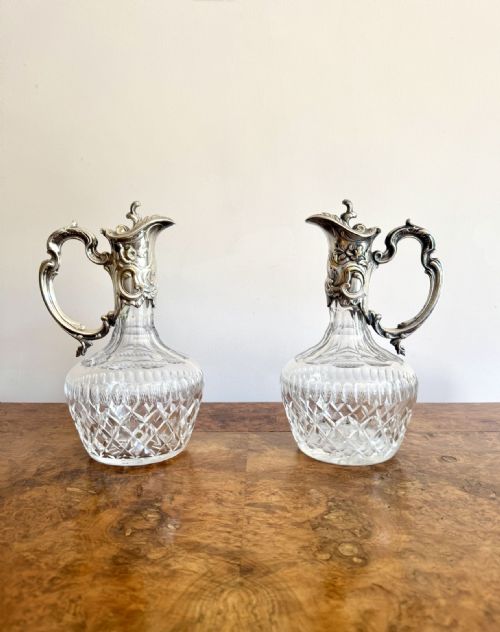
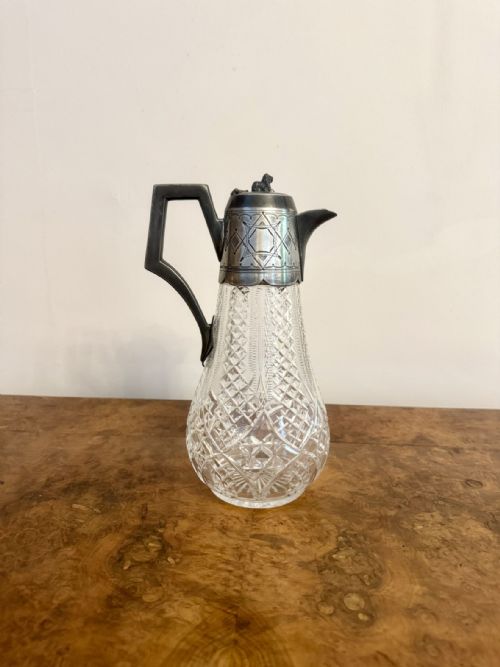
These silver top crystal decanter pieces combine cut glass vessels with precious metal mounts, offering practical serving vessels that double as decorative table objects.
Silver Top Crystal Decanter
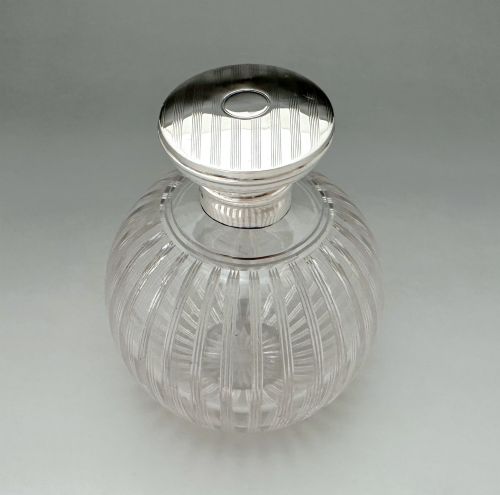
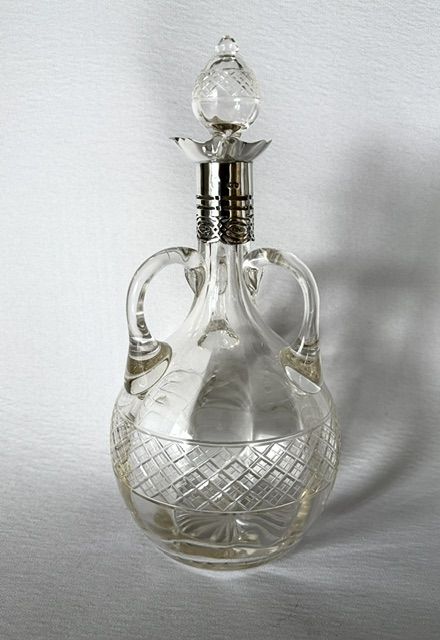
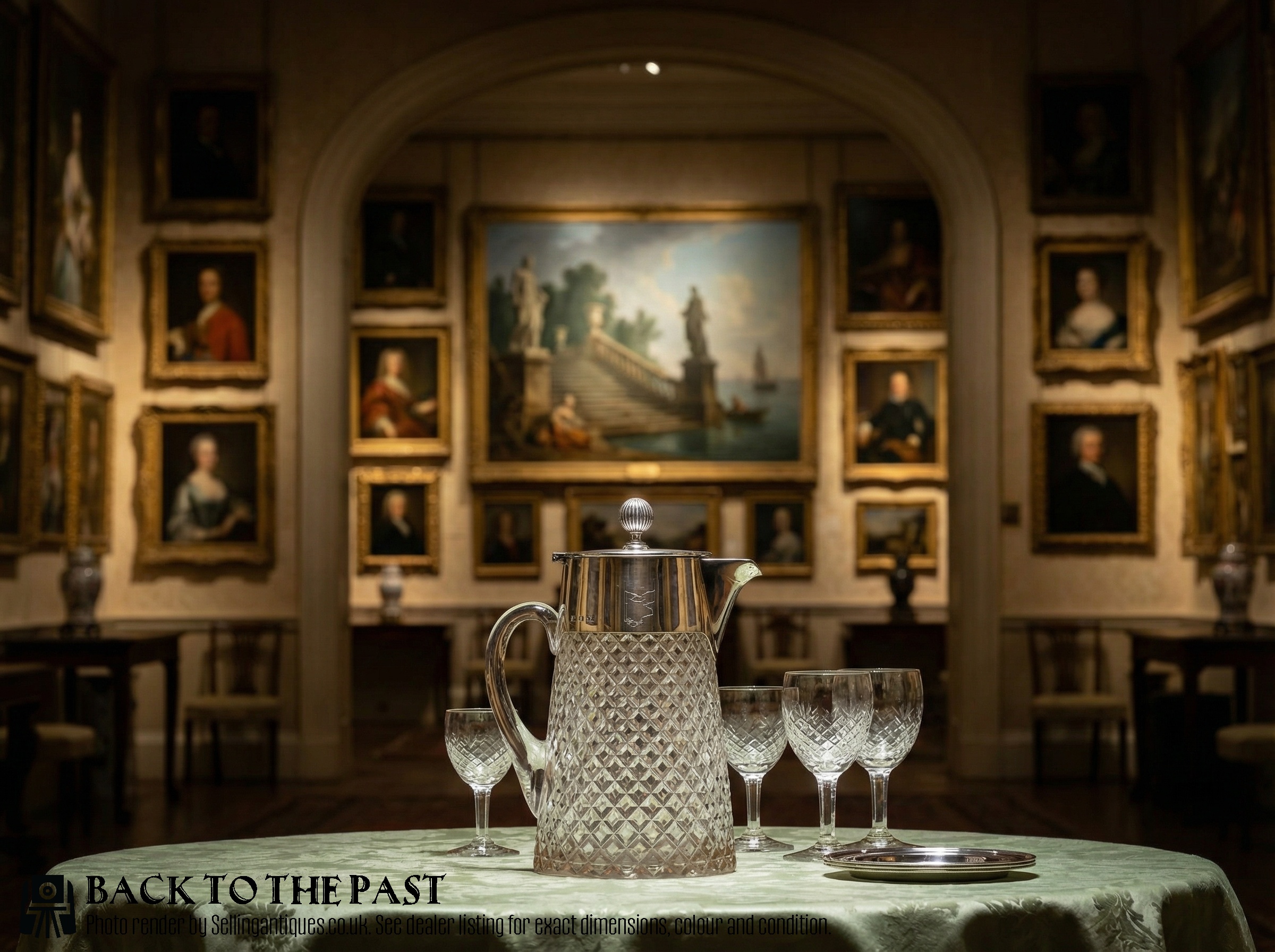
A silver top crystal decanter brings together a glass body and a metal pouring lip, collar, or stopper. You will frequently encounter forms designed for wine, claret, spirits, and scent, spanning the nineteenth and twentieth centuries.
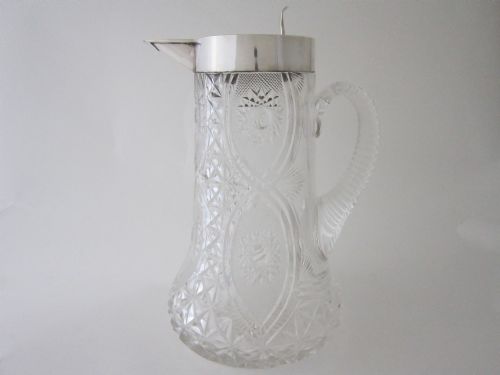
The selection here encompasses Victorian, Edwardian, and Art Deco examples, alongside pieces from the mid-twentieth century. Forms range from traditional decanters and claret jugs to scent bottles, cocktail shakers, and novelty duck decanters.
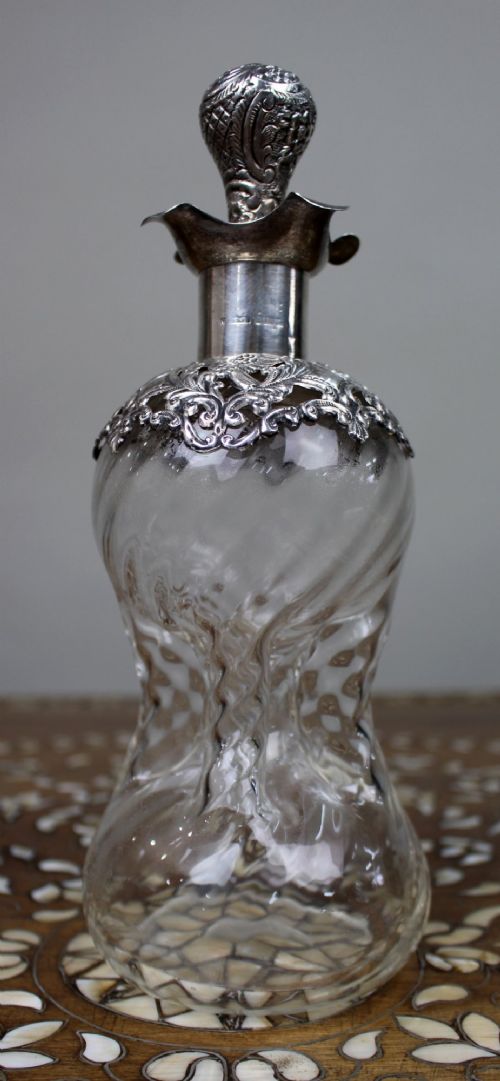
Makers and silversmiths utilised various styles, including Arts and Crafts, Victorian Rococo Revival, and Mid-Century Modern designs. Each period brought specific handle configurations, collar depths, and cutting patterns to the vessel.
Materials and construction
The body of each piece relies on cut glass, cut crystal, or etched glass, shaped by blowing and subsequent wheel-cutting or moulding. This creates deep facets, flutes, and geometric patterns designed to refract light through the contained liquid.
Mounts consist of sterling silver or silver plate, secured around the neck or forming an integral hinged lid and handle assembly. Silversmiths worked these metals into collars, collars with masks, or complete mounts featuring hallmarks that record the year and assay office.
The listings span the Victorian, Edwardian, and Art Deco periods, utilising cut crystal, sterling silver, and silver plate.
Distinguishing quality across the range
Quality rests upon the crispness of the glass cutting and the weight of the metal mount. Heavier crystal blanks and thicker sterling silver collars provide greater durability and balance in the hand.
Artisans executed mounts with varying degrees of detail, from plain collars to chased floral motifs, figural Bacchus masks, and bespoke novelty forms. The precision of the hinge mechanism and the tightness of the stopper seal also define the tier of the piece.
Asprey and Co. Ltd·Hukin & Heath Ltd·Barnsley & Co·Tiffany·William Hutton & Sons
The Silver Top Crystal Decanter Glossary
- Claret jug
- A specialised pouring vessel designed for red wine, typically featuring a handle, a hinged silver lid, and a decorative spout. They often employ rich cut glass bodies.
- Sterling silver
- An alloy consisting of ninety-two point five percent silver and seven point five percent other metals, chiefly copper. British pieces generally bear a lion passant hallmark to confirm this standard.
- Silver plate
- A base metal substrate covered with a thin layer of silver through electroplating or older fusion methods. It provides the appearance of solid silver at a different cost level.
- Hallmark
- A series of official marks stamped on precious metal items indicating the maker, purity, assay office, and year of testing. These marks help date the silver mount accurately.
- Cut crystal
- Glass containing lead oxide that increases its density, refractive index, and clarity, allowing for deep, sharp decorative cutting. This material produces a distinct resonance when struck.
Silver Top Crystal Decanter: Frequently Asked Questions
How do I clean a silver top crystal decanter?
Fill the vessel with warm water and specialised cleaning beads, avoiding harsh abrasives that scratch the crystal. Polish the metal mount gently with a soft cloth and appropriate silver cleaner, taking care not to expose the glass to sudden temperature changes.
Ensure the interior dries completely before storage by resting the vessel upside down on a drying mat. Keep moisture away from the interior of silver-plated collars to prevent tarnishing and base metal exposure.
Were these vessels used exclusively for wine?
While many forms served claret and dessert wine at the dining table, others held whisky, water, or perfume. Cocktail shakers and scent bottles served entirely different domestic functions within the Edwardian and later twentieth-century interior.
Examine the scale and spout design to determine the original contents. Narrow necks with stoppers generally held volatile liquids like perfume, whereas open spouts with hinged lids suited table beverages.
How can I tell the period of the piece?
Look to the hallmarks on the metal mount for exact date letters and assay office symbols. Stylistic indicators, such as the heavy floral ornamentation of the Victorian era or the geometric lines of Art Deco, also point toward specific decades.
Glass cutting styles evolved alongside metalwork fashions, helping confirm whether a piece belongs to the nineteenth or twentieth century. Cross-referencing the maker's mark with known working dates provides the clearest chronological anchor.
Is silver plate less desirable than sterling silver?
Silver plate represents a manufacturing choice rather than a defect, allowing makers to produce elaborate figural mounts and large claret jugs affordably. Many silver-plated items display exceptional artistry and craftsmanship from prominent firms.
Collectors value both materials according to the overall design, condition, and maker reputation. Sterling silver carries intrinsic metal value, while plated pieces often showcase ambitious sculptural forms.