


Silver Tea Leaf Caddy
A silver tea leaf caddy brings the refined rituals of the Georgian and Victorian tea table directly into your home with enduring metalwork.
Silver Tea Leaf Caddy
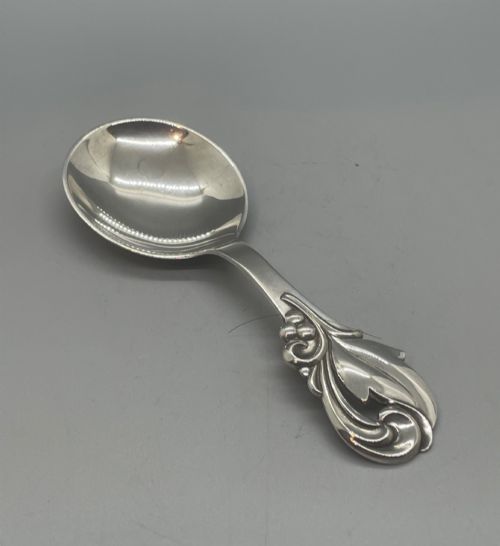
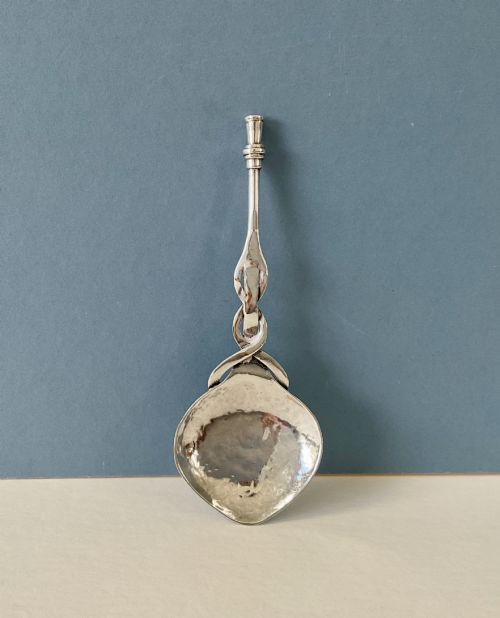
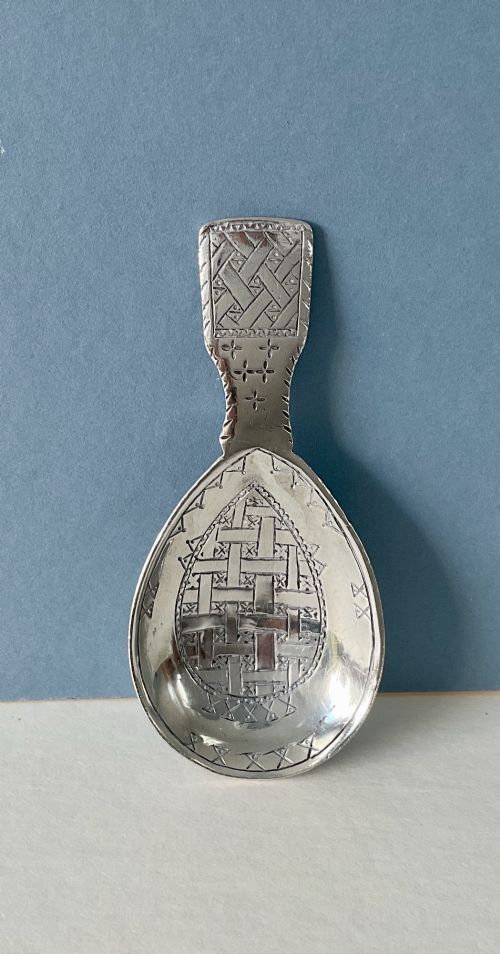
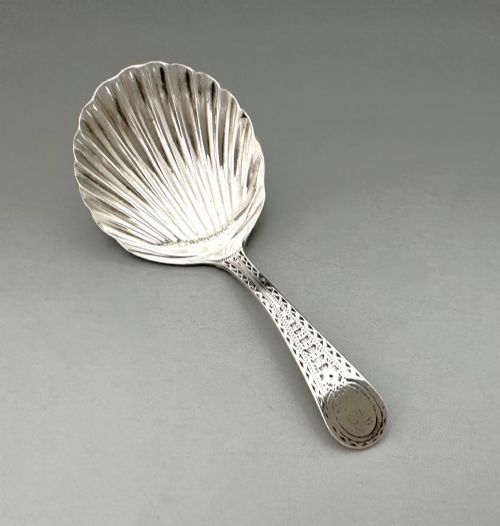
When you search for a silver tea leaf caddy, you encounter specialised vessels and small spoons designed to store and dispense loose tea leaves. The selections range from sculptural containers to intricate spoons shaped directly as leaves.
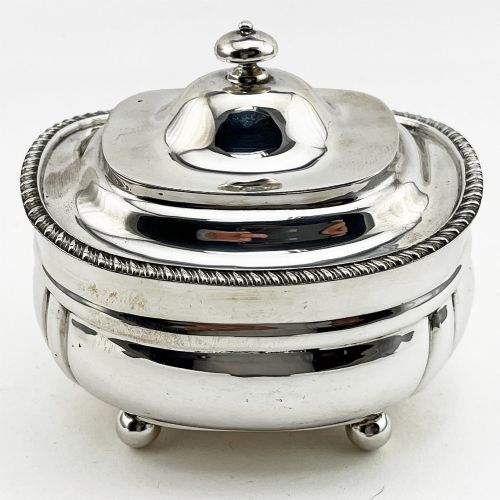
The pieces appearing here span centuries of design, covering Georgian, Victorian and Edwardian eras alongside later twentieth-century examples. You will find small boxes alongside specific utensils formed as individual leaves.
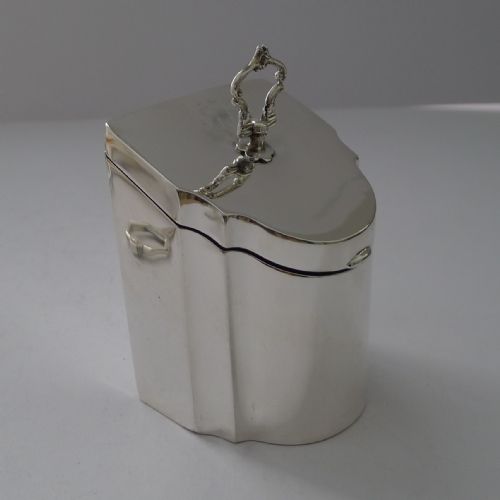
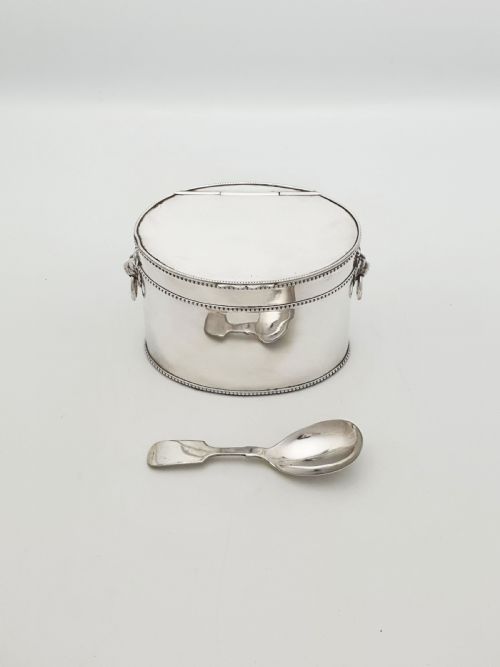
Makers utilised various forms, from knife box shapes to elegant canisters featuring lion mask handles and botanical motifs. These items reflect the changing domestic habits of British and international households.
Materials and Methods
Silversmiths primarily worked with sterling silver and standard silver, shaping metal sheets through hammering, casting and piercing. Some pieces incorporate contrasting elements like ebony handles or utilise copper and silver plate.
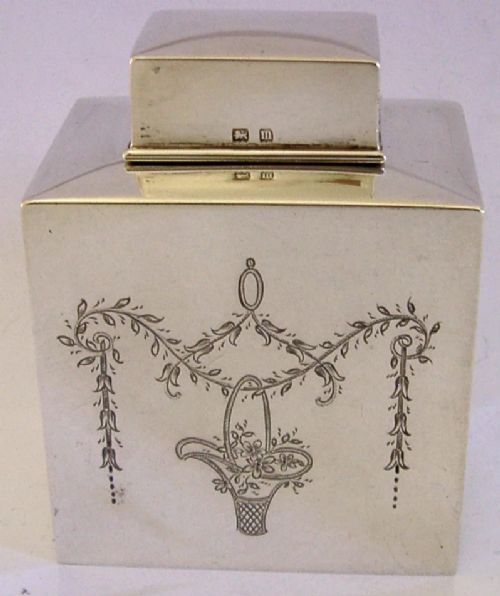
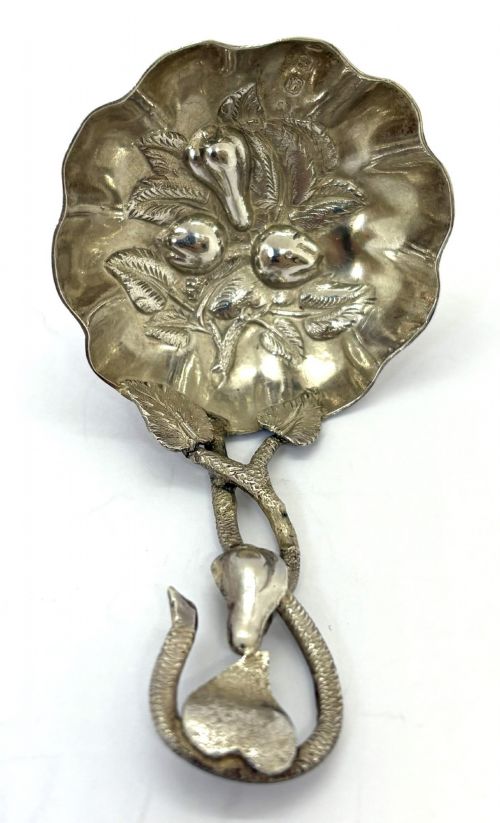
Artisans applied detailed techniques such as foliate engraving, double striking and precise embossing to render realistic leaf veins and grape clusters. Workshops in major centres like Birmingham, Sheffield and London stamped their creations with traditional hallmarks.
Listings feature sterling silver, silver plate and copper forms spanning the Georgian, Victorian and Arts and Crafts periods.
Distinctions in Quality
The fineness of the metalwork and the crispness of the botanical casting distinguish standard items from exceptional pieces. Superior examples exhibit deeply incised leaf details and balanced proportions that feel substantial in the hand.
Attribution to notable makers and specific regional assay offices elevates the standing of an item. The clarity of the hallmarks and the preservation of original hand-engraving determine the overall integrity of the piece.
Joseph Willmore·Taylor and Perry·George Unite·Ernest Druiff and Co·Goldsmiths and Silversmiths Co·Atkin Brothers·Georg Jensen
The Silver Tea Leaf Caddy Glossary
- Hallmark
- Official marks stamped onto precious metals to guarantee purity and origin. These tiny symbols reveal the assay office, maker and year of production.
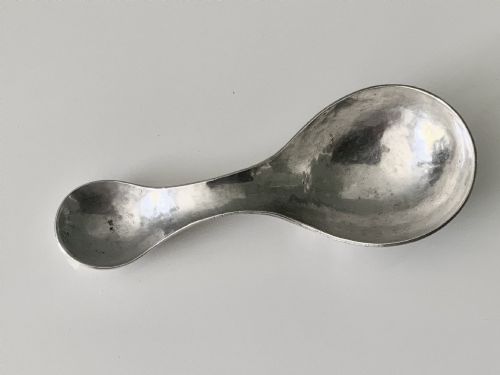
- Caddy Spoon
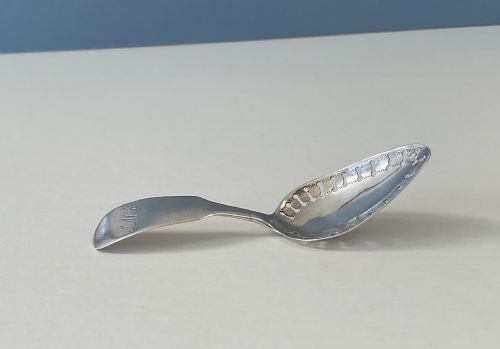
- A small specialised spoon designed to measure loose tea from a canister into a teapot. Many examples take whimsical forms such as leaves or shells.
- Sheffield Plate
- A composite material made by fusing a thin sheet of silver to a thicker copper base. This technique preceded modern electroplating.
- Double Struck
- A manufacturing process where a die strikes the metal twice to achieve deeper, sharper relief on both sides of the handle.
Silver Tea Leaf Caddy: Frequently Asked Questions
How do I date a silver caddy?
You date a silver caddy by examining the stamped hallmarks which indicate the exact assay office and year of creation. Stylistic clues such as floral engraving or minimalist modernist lines also point to specific eras like the Georgian or Art Deco periods.
Matching the maker's mark against historical records provides a reliable timeline for the piece. Design details often reflect the broader artistic movements prevailing at the time of manufacture.
What are leaf caddy spoons?
Leaf caddy spoons are small utensils fashioned explicitly in the botanical shape of vine or grape leaves. Silversmiths used natural forms to create tactile implements that complemented the botanical nature of tea.
These spoons often feature realistic veining and textured stems designed for a comfortable grip. They represent a playful departure from standard cutlery while remaining entirely functional.
How should I clean silver tea items?
Silver tea items require gentle cleaning with a soft cloth and specialised silver polish to preserve the underlying metal. Avoid harsh abrasives that can wear away delicate hand-engraving and antique hallmarks.
Regular dusting and careful handling prevent the buildup of tarnish in recessed areas like leaf veins. Storing pieces in dry environments maintains their finish over time.