
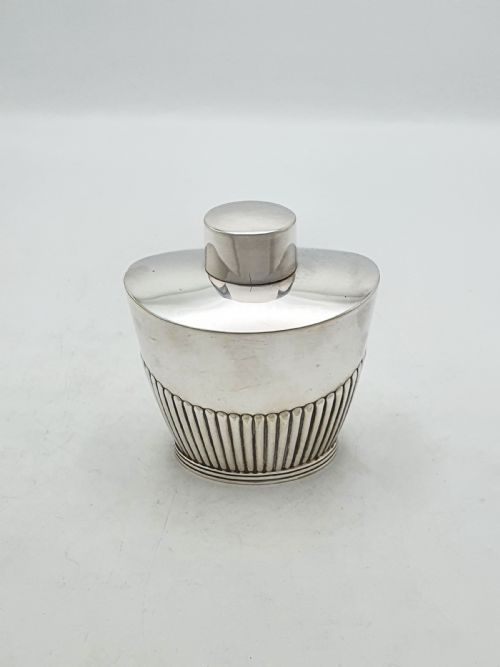


Antique Metal Caddy Box
An antique metal caddy box is a sturdy storage vessel you will want for dry goods or trinkets.
Antique Metal Caddy Box
When you search for an antique metal caddy box, you encounter a varied assortment of small storage containers originating from different periods.
The selections span Georgian tea caddies and toleware spice boxes through to Edwardian and Art Deco biscuit tins, presentation boxes, and trinket containers.
You are most likely to meet silver plated items, brass canisters, and decorated metal boxes spanning the eighteenth century to the early twentieth century.
Methods of manufacture
These items are constructed from metals such as brass, copper, bronze, and silver plate, shaped into canisters, buckets, and novelty forms.
Techniques visible in the listings include chiselling, silver inlay, and painted sheet iron work, alongside applied wooden or metal elements.
One novelty biscuit tin takes the distinct shape of a hat box.
Variations in quality
The standard of an item rests upon the crispness of its surface detail, whether through chased brass work or inlay.
Substantial weight in the metal and the integrity of the original plating or painted finish separate standard utility vessels from presentation pieces.
Mappin & Webb·Huntley & Palmers·W.M.F.·John Grinsell & Sons
The Antique Metal Caddy Box Glossary
- Toleware
- Painted or enamelled sheet metal items produced for domestic and kitchen use during the eighteenth and nineteenth centuries.
- Silver plate
- A base metal layer coated with a thin layer of silver, commonly utilised for tea canisters and biscuit barrels.
- Betal box
- A partitioned container used in Southeast Asia for holding betal nut and leaf components.
- Biscuit barrel
- A lidded container designed specifically for storing biscuits at the dining table during the Victorian and Edwardian eras.
- Old Sheffield plate
- An early form of fused silver plating where a sheet of silver is fused to a copper core.
Antique Metal Caddy Box: Frequently Asked Questions
What fits inside an antique metal caddy box?
These containers were originally built to hold tea leaves, spices, or biscuits depending on their specific form.
Today, they suit the storage of small dry goods, desk accessories, or household trinkets.
How do I date a metal caddy?
Dating relies on observing the manufacturing style, material composition, and any maker stamps present on the piece.
Georgian examples often feature understated Sheffield plate while later pieces incorporate Art Deco styling or novelty designs.
Can I use an antique tin for food?
Many older metal caddies and novelty tins have soldered joints or interior linings that may degrade over time.
It is generally wiser to utilise them for dry storage or display rather than direct contact with fresh food.
How do I clean tarnished brass or silver plate?
Careful dusting with a soft cloth removes everyday dirt without harming delicate patinas or painted sheet iron finishes.
Avoid harsh chemical dips on plated surfaces to preserve the remaining metal layer.