

Silver Table Serving Cutlery
Silver table serving cutlery brings together spoons, ladles, shears and servers spanning the Georgian, Victorian and Edwardian eras.
Silver Table Serving Cutlery
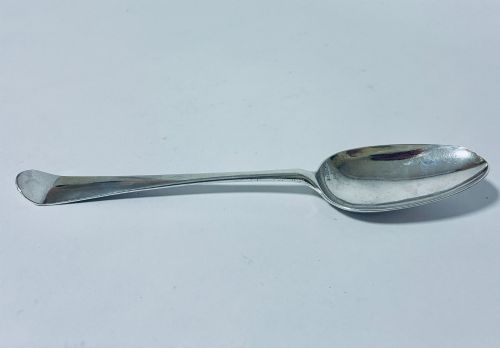
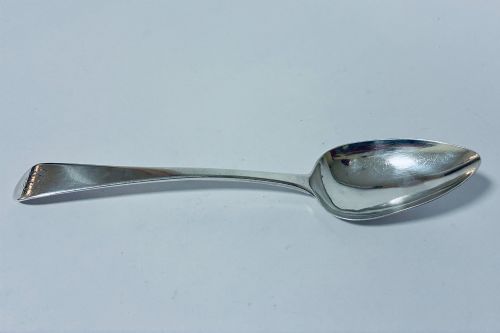
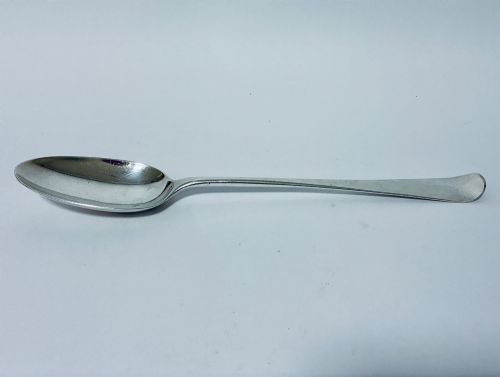
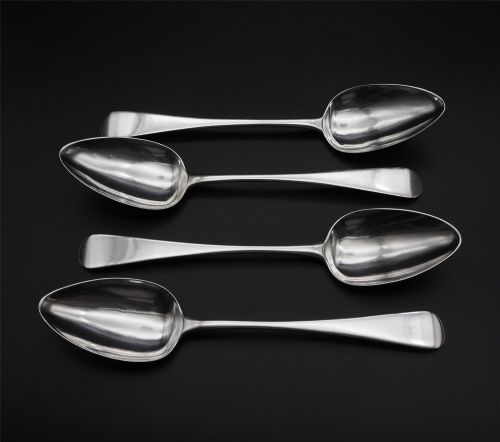
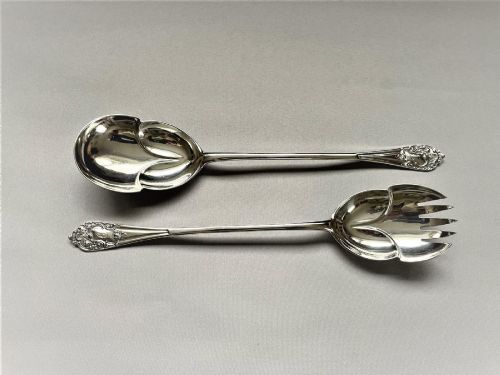
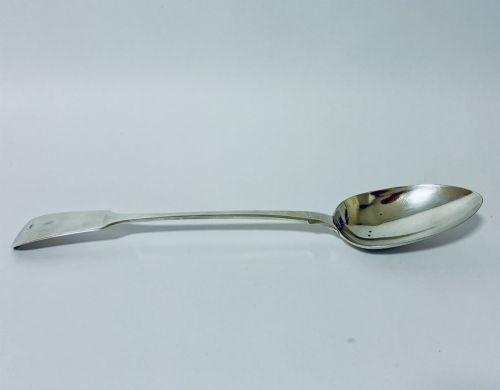
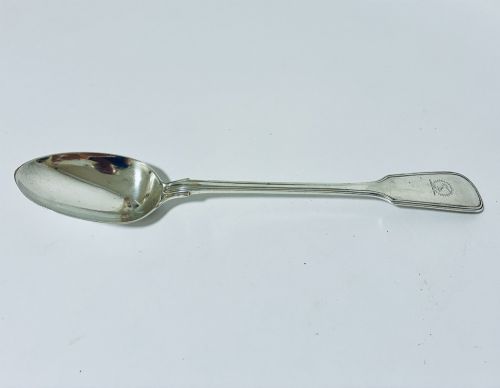
Silver table serving cutlery comprises larger utensils designed for presenting and portioning food at the dining table, including serving spoons, soup ladles, salad servers and grape shears. When searching for silver table serving cutlery, buyers encounter various forms ranging from single Georgian serving spoons to cased sets of berry spoons and fish slices. The selection spans several centuries, touching periods from George I and Queen Anne through to Edwardian and George V designs.
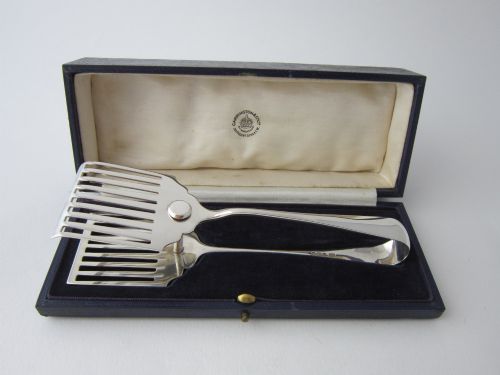
Originating predominantly from English, Scottish, Irish, Dutch and French workshops, these pieces reflect the dining customs of past centuries. Many items appear as matched pairs or assembled sets, occasionally housed in fitted cases lined with silk, velvet or satin. Provincial centres such as Newcastle, Exeter and Inverness produce distinct regional variations that appeal to specialist collectors.
Materials and construction
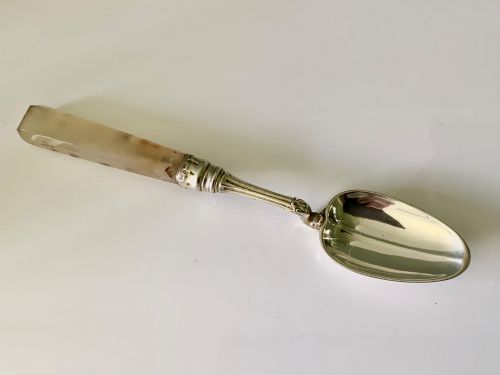
The primary material is sterling silver, accompanied by silver plate and Old Sheffield Plate over a base metal foundation. Handles occasionally incorporate organic or mineral elements such as agate, whilst fitted presentation cases utilise leather combined with silk, satin or velvet linings.
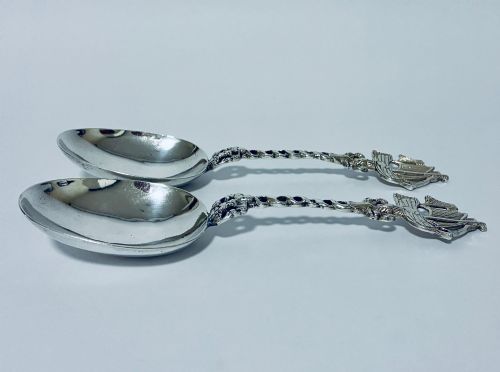
Manufacturing techniques combine traditional hand-forging, hammering, casting and piercing. Early 18th-century pieces often feature rat tail attachments on the reverse of the bowl, whilst later Victorian and Edwardian examples utilise cast ornamentation, chased fruit motifs and threaded borders.
Listings feature sterling silver, silver plate, leather, agate, velvet, silk and satin across Georgian, Victorian, Edwardian and 18th-century periods.
Distinctions in quality
Quality rests upon the crispness of the chased or engraved ornamentation, the weight of the silver, and the integrity of any family crests or monograms. Fine cast grape shears and berry spoons retain sharp relief and unrubbed surface details.
The balance and proportion of the utensil, alongside the maker's mark and assay office punch legibility, dictate desirability. Cased sets retain higher appeal when the original velvet or silk lining remains intact and undamaged.
Creswick·John Locker·James Tait·J Ladyman·Georg Jensen·Henri Soufflot
The Silver Table Serving Cutlery Glossary
- Berry spoon
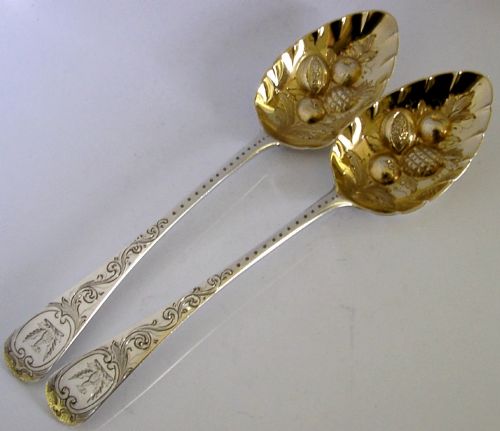
- A large serving spoon, typically Georgian, chased and engraved with fruit and foliage long after its initial manufacture.
- Rat tail
- A traditional tapering tongue of metal extending down the back of a spoon bowl to strengthen the joint with the stem.
- Bifurcate
- Divided into two branches or forks, commonly found on specialised serving utensils.
- Dognose spoon
- An early 18th-century spoon style featuring a rounded, downturned terminal handle shape.
- Old Sheffield Plate
- An early method of fusing a thin sheet of silver onto a heavier copper core before rolling.
Silver Table Serving Cutlery: Frequently Asked Questions
What is included in silver table serving cutlery?
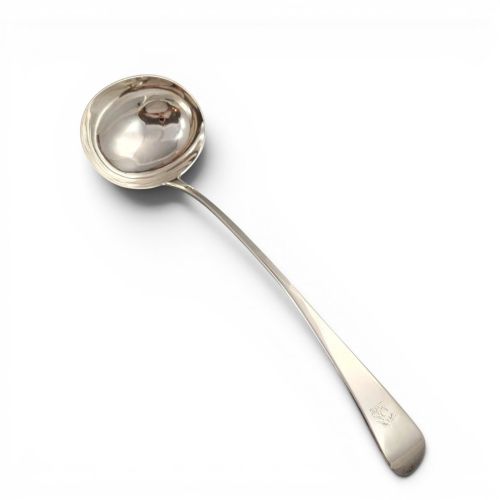
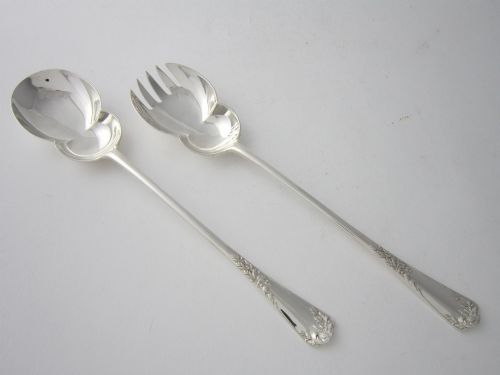
This category encompasses larger dining utensils intended for communal food service rather than individual place settings. Common forms include soup ladles, gravy spoons, salad servers, fish slices, asparagus tongs and grape shears.
Pieces originate from various historical periods, including the 18th century, Georgian, Victorian and Edwardian eras. They are fashioned in sterling silver or silver plate, sometimes accompanied by fitted presentation cases.
How do I identify a Georgian serving spoon?
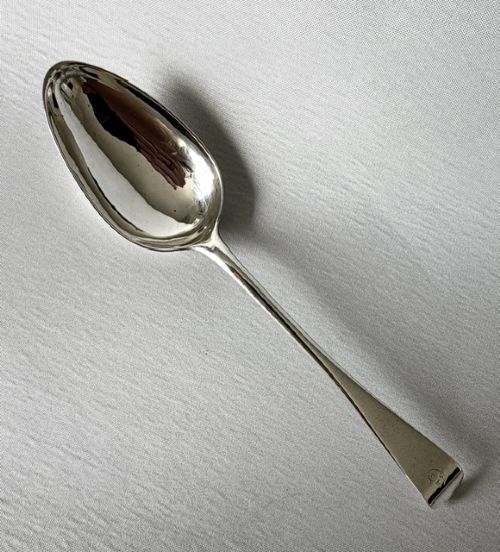
Georgian serving spoons are identified through hallmarks indicating the reigns of the Georges, typically featuring leopard head, lion passant and date letter stamps. Stylistic markers include Old English and Fiddle patterns, along with provincial town marks from locations like Newcastle or Exeter.
Many Georgian pieces display later Victorian modifications, such as fruit chasing added to plain serving spoons to create berry spoons. Examining the bowl for wear and the clarity of the hallmarks helps establish the original date of manufacture.
What are grape shears?
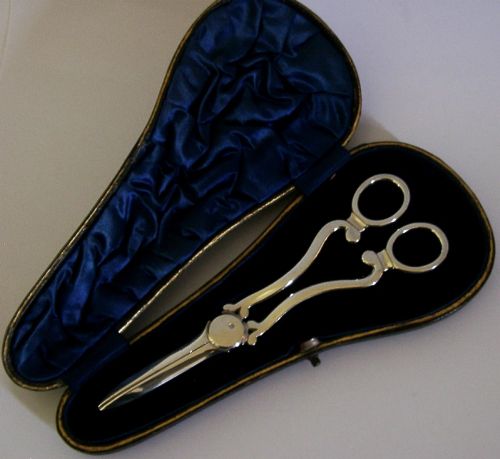
Grape shears are specialised scissors designed specifically for snipping individual clusters of grapes from the vine at the table. Victorian and Edwardian examples often feature ornate cast silver handles with floral or grapevine motifs.
They form part of broader dessert and fruit serving sets alongside knives, forks and nutcrackers. The blades are engineered to cut stems cleanly without bruising the fruit.