



Silver Salt Pepper Set
A silver salt pepper set brings functional elegance to the dining table through matched containers for seasoning.
Silver Salt Pepper Set
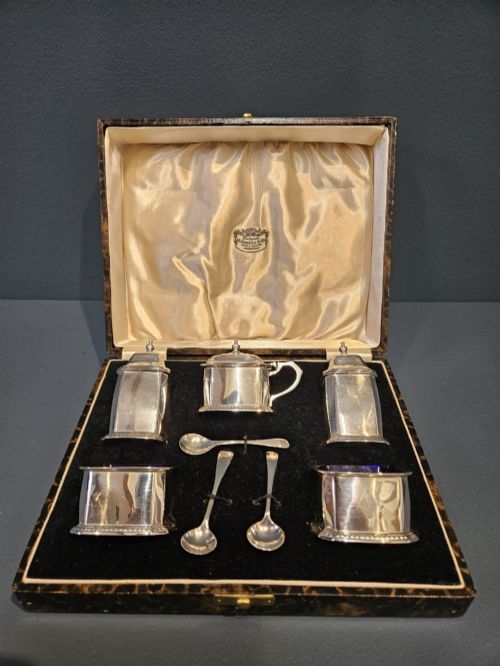
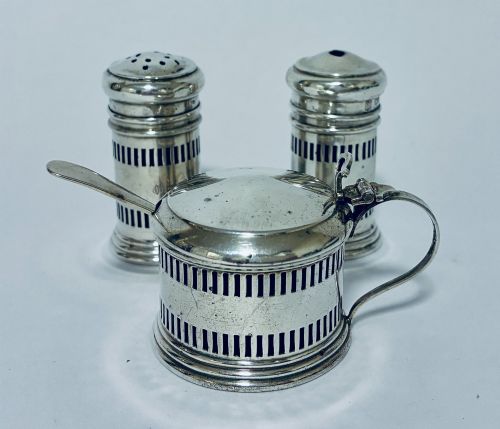
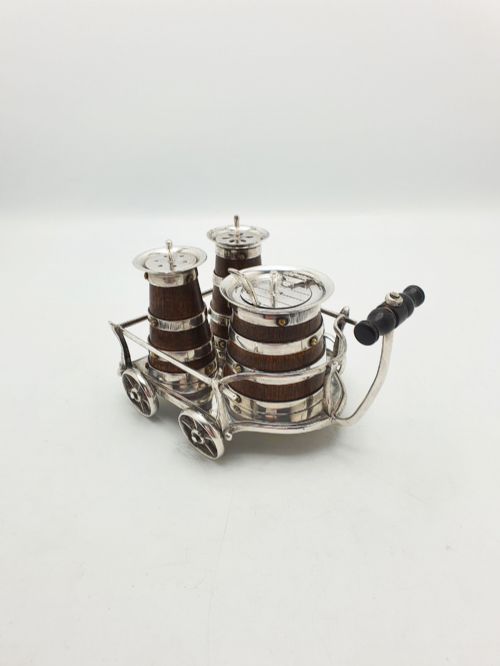
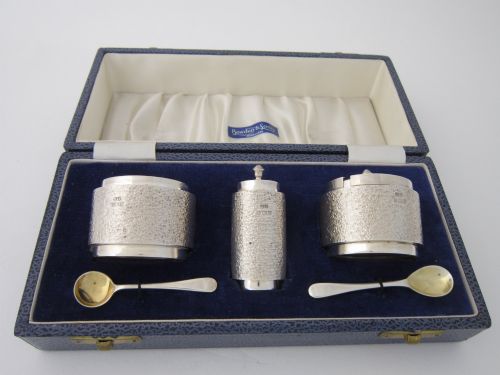
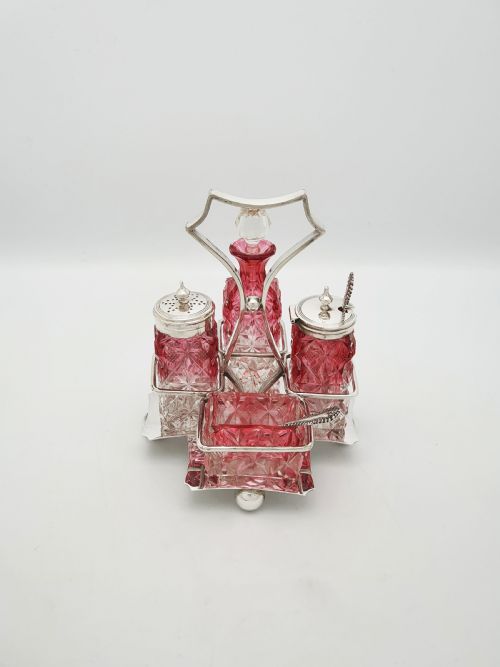
A silver salt pepper set encompasses matched groupings of tableware designed for seasoning food at the table, frequently appearing as cruet sets, condiment sets, or paired shakers. Buyers exploring this category encounter items ranging from simple Victorian sterling silver pepperettes and Edwardian salt tubs to larger multi-bottle frames dating from the eighteenth century onwards.
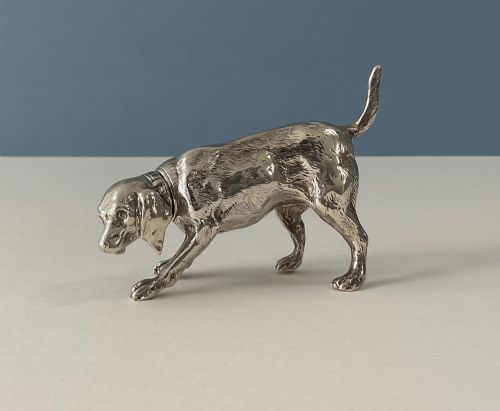
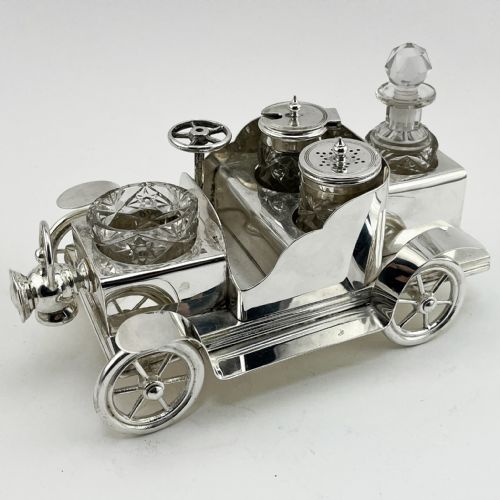
The selection on this page leans heavily towards Edwardian and Victorian examples, alongside Art Deco and mid-century modern iterations in sterling silver and silver plate. Common configurations include three-piece condiment sets, novelty animal shakers modelled as owls or chicks, and glass bottles fitted with silver mounts.
Origins span British workshops in Birmingham and London alongside Chinese export pieces, utilising materials such as cut glass, oak, and velvet alongside solid silver. Whether presented in original fitted cases or as standalone matched pairs, these sets serve both a utilitarian purpose and a decorative function in domestic table settings.
How they were made
Silversmiths employed techniques such as casting, piercing, and hammering to shape sterling silver and silver plate into shakers, pots, and cruet frames. Many components required delicate soldering to attach feet, handles, and bezels securely to the main body.
Cut glass and cranberry flashed glass vessels were shaped by glassblowers before being fitted with bespoke silver collars, lids, or mounts. Interiors often incorporated glass liners or were lined with satin and velvet within presentation cases.
Materials utilised across these condiment sets include sterling silver, silver plate, cut glass, oak, and fitted velvet or satin linings.
What varies in quality
Quality in these sets rests upon the crispness of the chasing, the weight and gauge of the silver, and the intactness of original components like glass liners and spoons. Pieces featuring detailed modelling, such as naturalistic bird pepperettes or figural cruet frames, demand a higher degree of craftsmanship than standard domestic shakers.
The presence of crisp, unrubbed hallmarks and original fitted presentation cases elevates the standing of a set. Conversely, replacement glass bottles, heavy plate wear exposing the base metal, or dents to thin silver walls diminish the overall integrity of the piece.
William Neale·Walker & Hall·Bricks & Sons·Wilmot Manufacturing Co·Viners·Levi & Salaman·Garrard & Co·Sampson Mordan
The Silver Salt Pepper Set Glossary
- Cruet set
- A matched stand or frame holding multiple bottles, casters, or pots for condiments and sauces at the dining table. These frames often incorporate a central carrying handle.
- Pepperette
- A small shaker or pot specifically designed for dispensing ground pepper, frequently featuring a pierced domed top. Victorian and Edwardian examples often take novelty animal forms.
- Sterling silver
- An alloy containing 92.5 percent pure silver and 7.5 percent other metals, usually copper, to provide durability. British items usually bear a lion passant hallmark denoting this standard.
- Silver plate
- A base metal, such as copper or Britannia metal, coated with a thin layer of silver through electroplating or old Sheffield plating techniques. This method offered a lower-cost alternative to solid silver.
- Caster
- A small jar or pot with a pierced lid used for sprinkling sugar or dry seasonings over food. Georgian sets frequently include matching pairs of these tall vessels alongside mustard pots.
Silver Salt Pepper Set: Frequently Asked Questions
How do I clean tarnished silver condiments?
Clean silver components using a specialist silver polish and a soft cloth, moving in gentle, linear strokes rather than circles. Avoid abrasive materials that can scratch the surface or wear down thin silver plating.
Keep glass inserts and wooden bases separate during cleaning to prevent moisture damage. Ensure all pieces are thoroughly dried before storing them away.
Can I use antique silver salts for dining?
Antique silver salts are suitable for everyday dining provided you take care with certain contents. Salt is corrosive and can pit silver if left in contact for extended periods, so empty the pots after use.
Many older open salts feature glass liners that protect the metal from direct contact with acidic condiments. Hand wash these items gently rather than placing them in a modern dishwasher.
What is the difference between a cruet and a condiment set?
A cruet set traditionally refers to bottles and shakers held within a fitted metal or wooden frame with a handle. This allows multiple oils, vinegars, and sauces to be carried to the table together.
A condiment set generally describes matching groups of open salt cellars, pepper pots, and mustard pots that sit directly on the table without a central carrying frame.
How do I identify the date of a silver set?
British silver sets usually feature a series of hallmarks that indicate the assay office, the maker's mark, and a date letter corresponding to a specific year. Examining these small stamped symbols provides the most accurate age determination.
Stylistic indicators also help narrow down the period, such as the clean geometric lines of Art Deco pieces or the elaborate cast motifs typical of Victorian design.