




Silver Salt Mustard Pot
A silver salt mustard pot brings functional elegance to the dining table through enduring metalwork.
Silver Salt Mustard Pot
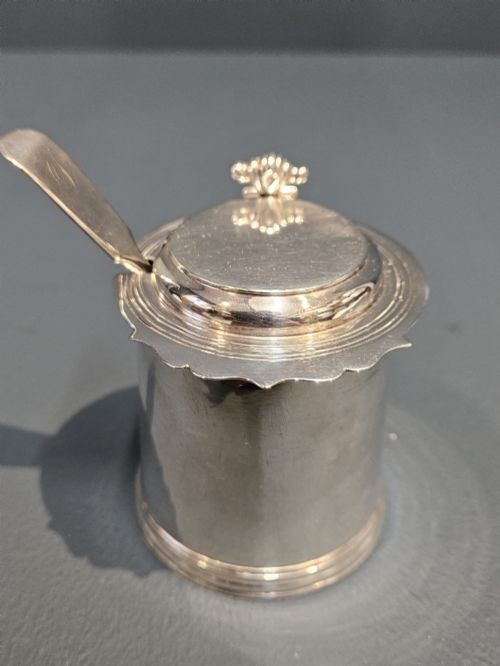
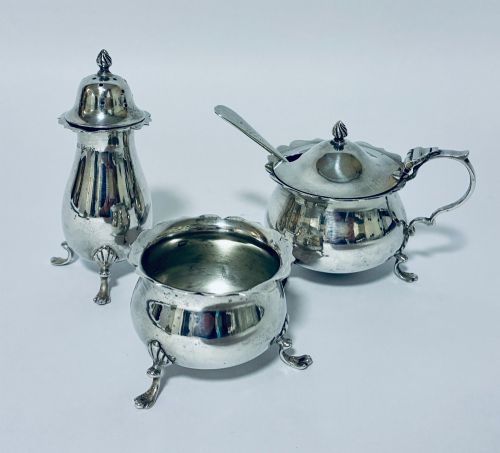
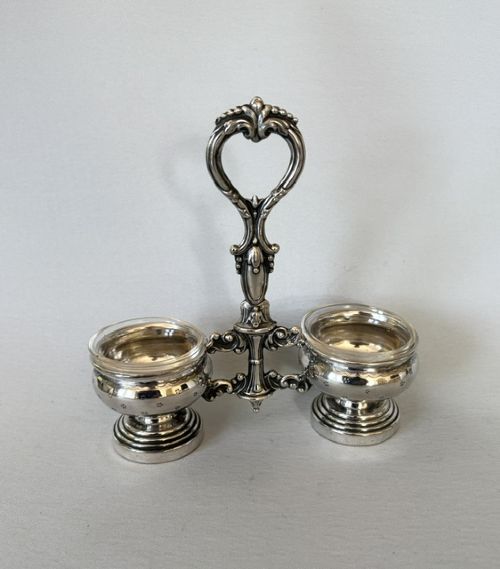
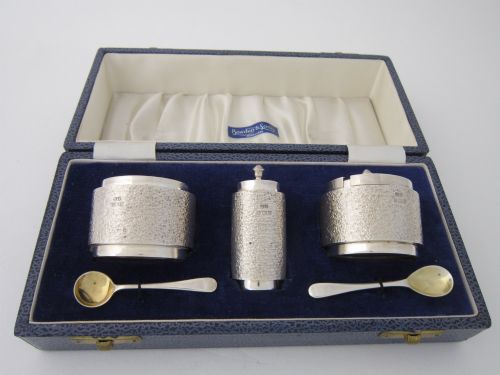
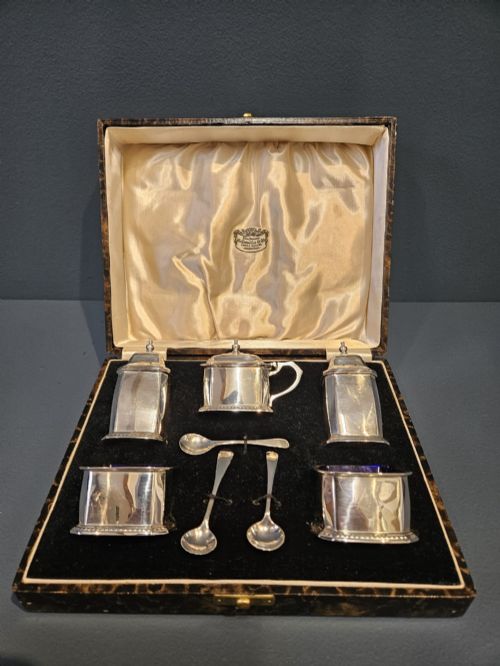
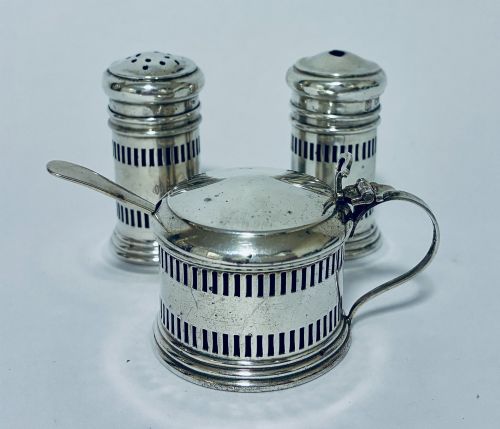
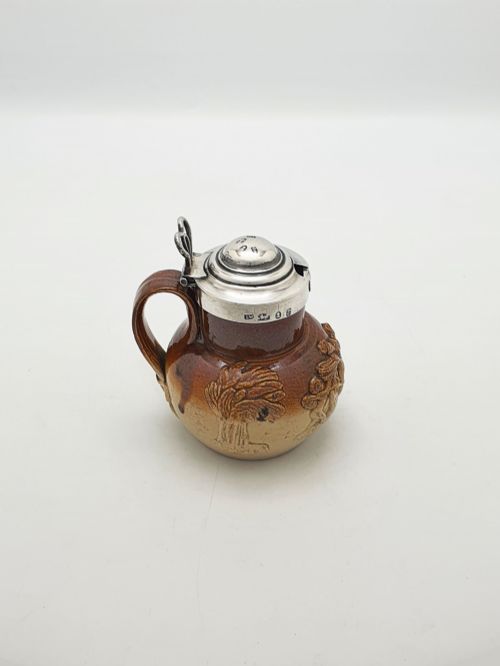
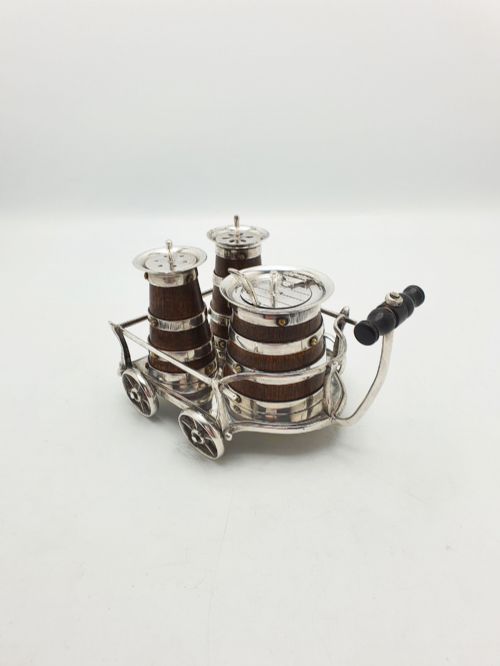
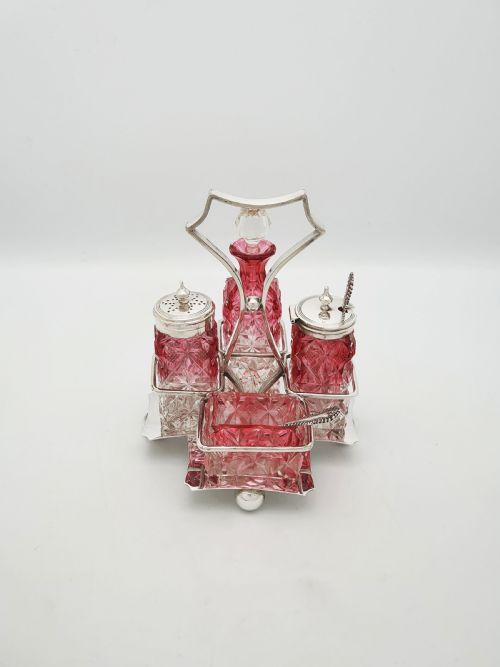
A silver salt mustard pot represents an essential component of historical dining table settings, designed to hold condiments alongside salt and pepper. These pieces appear as individual vessels or as part of larger condiment sets and cruet stands.
The selections available span multiple eras, encompassing Victorian, Edwardian, and Art Deco styles, alongside Georgian revival designs and mid-century modern pieces. Buyers frequently encounter standalone mustard pots alongside matched sets featuring glass liners and hinged lids.
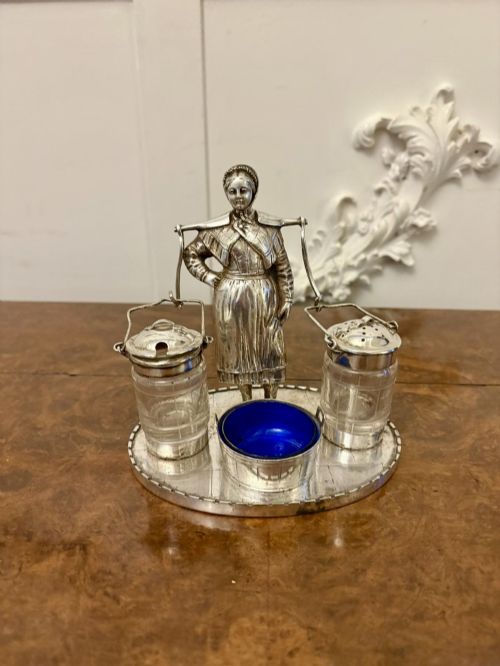
Origins range from British workshops in Birmingham and Sheffield to French ateliers and Ottoman makers. Forms vary from simple geometric shapes to elaborate novelty designs shaped as animals or objects.
Materials and construction
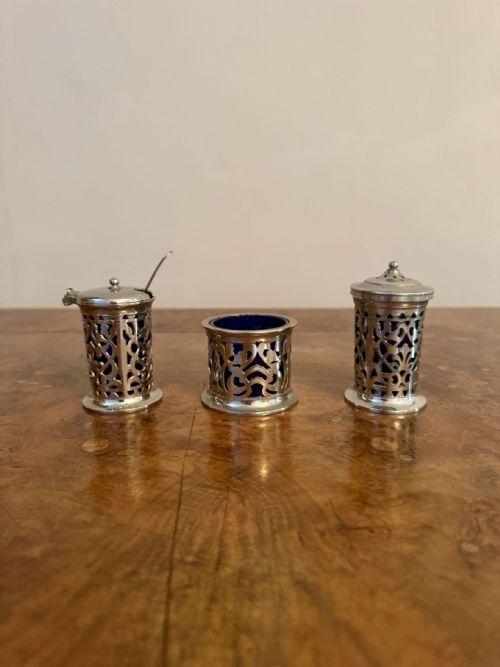
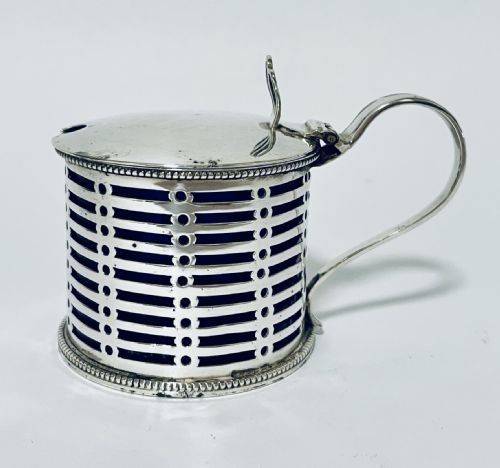
Silversmiths utilised sterling silver and silver plate over base metals, shaping bodies through casting, hammering, and piercing techniques. Many vessels incorporate fitted cut glass inserts to protect the metal from corrosive mustard contents.
Interiors often feature delicate gilt washes known as vermeil, while handles and lids rely on precision hinges and thumbpieces. Supplementary materials like oak, satin, and velvet appear in fitted presentation boxes and barrel frames.
Silver Salt Mustard Pot Retail Price Guide 2026
Typical asking prices for silver salt mustard pot among the pieces listed under this phrase on Sellingantiques today, from the lower quarter to the upper quarter. They describe what is for sale here now, not the wider market.
Victorian dining tables once featured novelty mustard pots shaped like farmyard animals, owls, and even violins.
Distinguishing quality in silver condiments
Quality rests upon the weight of the metal, the crispness of chased or pierced decoration, and the integrity of the maker's marks. Heavier gauge silver provides structural rigidity and prevents denting during daily use.
Fine examples feature well-fitted glass liners that sit flush within pierced frames, alongside smoothly operating hinged lids that close securely. The presence of crisp hallmarks and recognised maker signatures elevates the standing of an individual piece.
William Neale·Wilmot Manufacturing Co·Viners·Mappin & Webb·William Hutton & Sons
The Silver Salt Mustard Pot Glossary
- Cruet set
- A collection of condiment containers, typically holding oil, vinegar, salt, pepper, and mustard, housed together on a stand.
- Hallmark
- An official stamp applied to precious metals indicating purity, origin assay office, and date of manufacture.
- Piercing
- A decorative technique involving the cutting of intricate openwork patterns through the silver wall of a vessel.
- Vermeil
- A layer of gold applied over sterling silver, frequently used on the interior bowls of mustard pots to prevent tarnishing.
- Liner
- A removable glass or ceramic insert placed inside an openwork silver pot to hold wet condiments safely.
Silver Salt Mustard Pot: Frequently Asked Questions
How do I clean antique silver mustard pots?
Use a soft cloth and a specialised silver polish to remove tarnish gently, avoiding abrasive cloths that scratch the surface. Wash glass liners separately in warm soapy water.
Ensure liners are completely dry before placing them back inside the silver housing to prevent moisture retention.
Were these pots always sold in sets?
Makers produced these vessels both individually and as part of matched condiment sets or larger dining cruet stands. Many Victorian and Edwardian examples arrived in fitted presentation boxes.
Individual pots often entered the market as replacements or additions to existing dining services over time.
Why do some pots have glass inserts?
Mustard is acidic and can corrode sterling silver or silver plate if left in direct contact for extended periods. Cut glass liners protected the metal body while offering easy removal for cleaning.
Many surviving pieces retain their original hand-cut glass liners, which adds considerably to their completeness.
How can I date an unmarked silver pot?
Stylistic indicators such as Art Deco geometric lines, Edwardian elegance, or Victorian pierced ornamentation help narrow down the period. Comparing the silhouette against known design registers provides further clues.
Official hallmarks remain the most reliable dating method when present on the base or interior rim.