

Silver Portrait Photo Frame
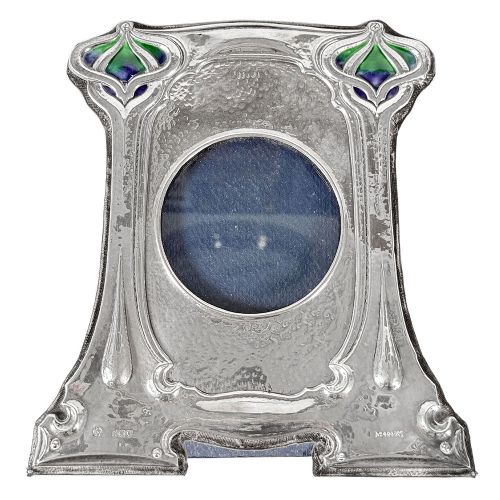
A silver portrait photo frame preserves cherished likenesses within gleaming metal borders forged during the Victorian, Edwardian, and George V eras.
Silver Portrait Photo Frame
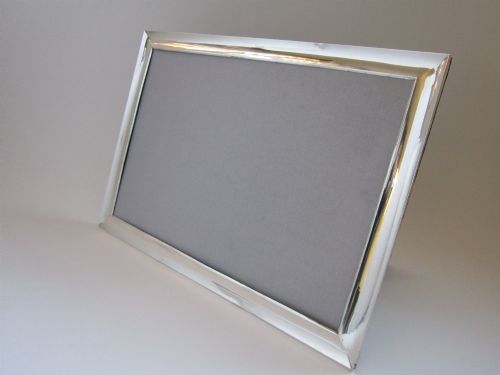
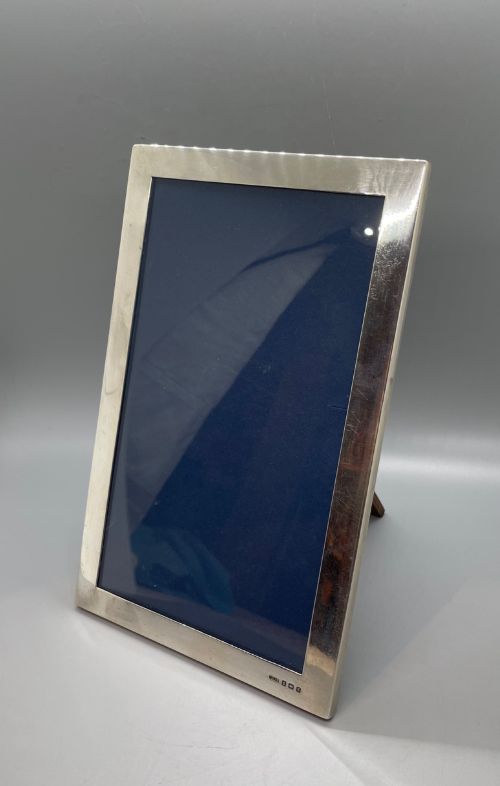
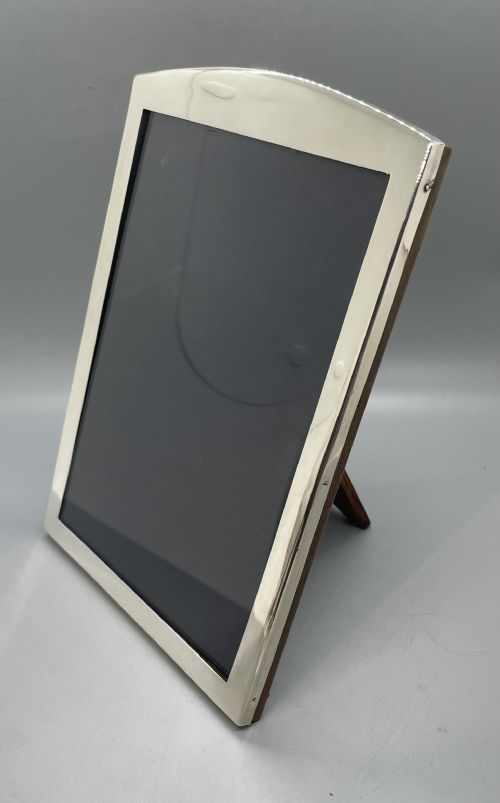
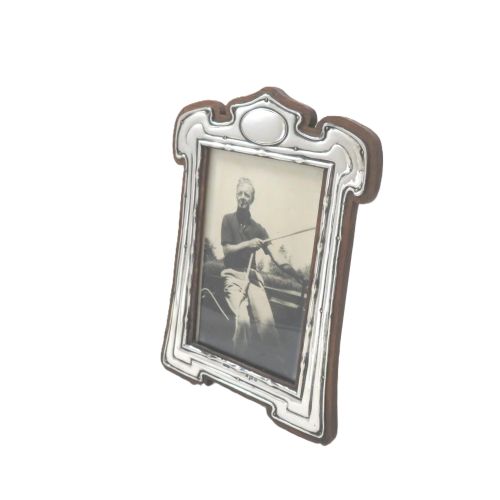
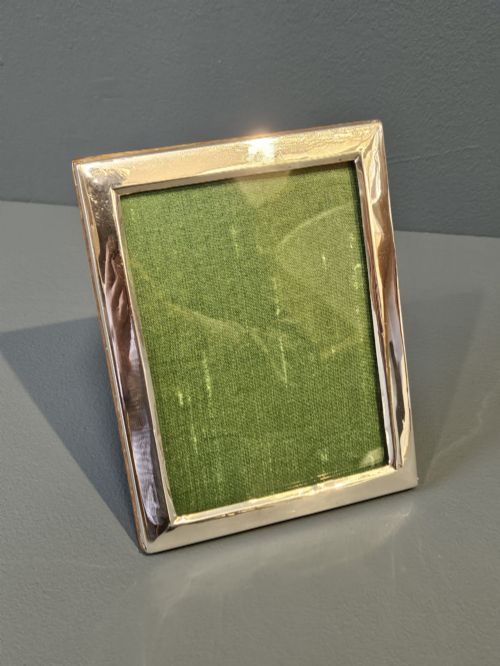
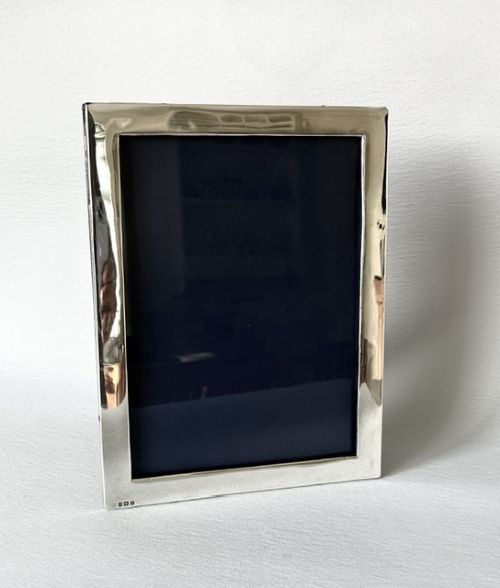
A silver portrait photo frame is designed to display vertical photographic images, frequently appearing in forms that span from the late nineteenth century through to the mid-twentieth century.
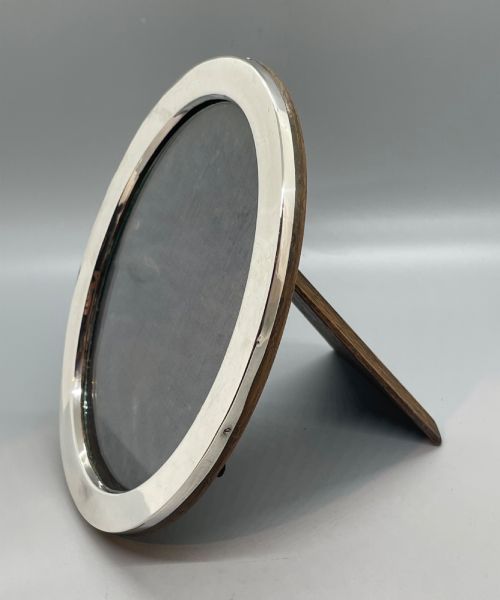
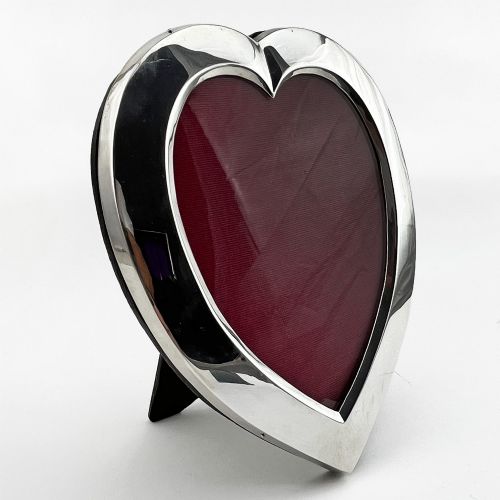
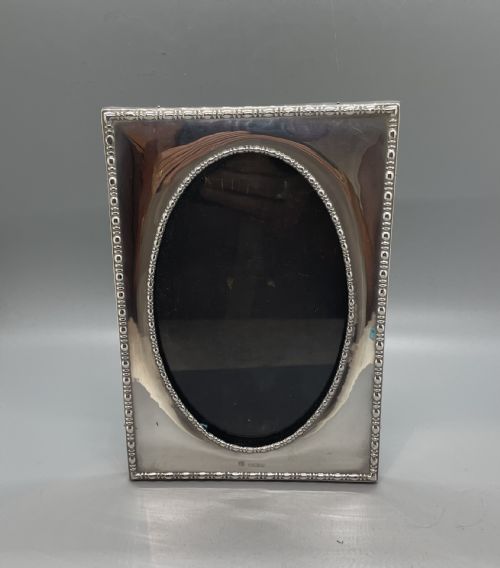
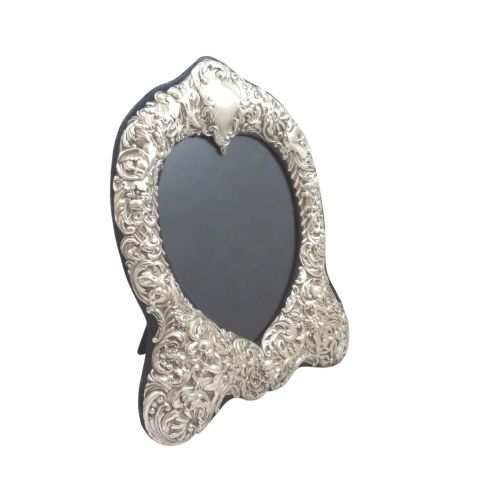
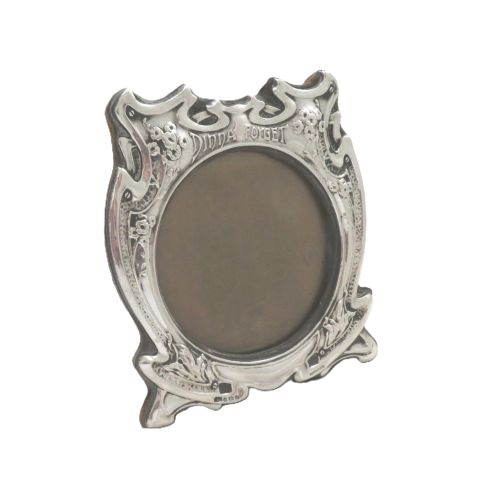
Buyers will frequently encounter Edwardian and George V pieces alongside Victorian examples, often featuring apertures shaped in traditional rectangles, ovals, or romantic hearts.
Many of these domestic accessories are equipped with wooden or hardwood backs lined with fabric or velvet, allowing the picture to stand securely on a desk or table.
Materials and Craftsmanship
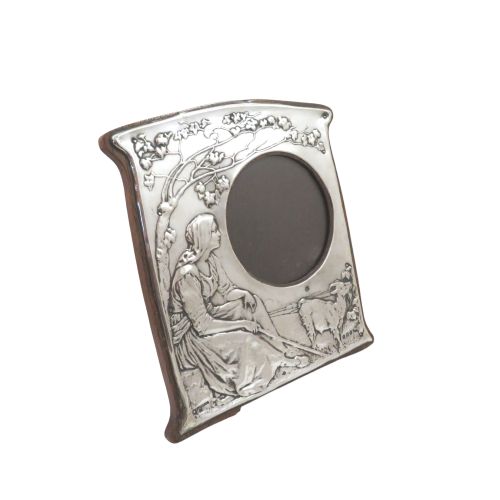
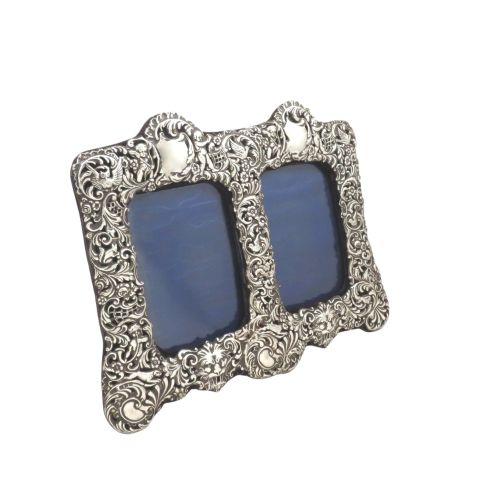
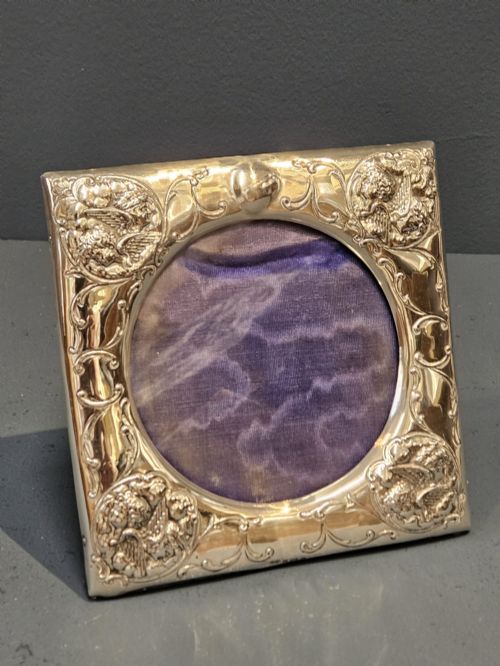
Makers shaped sterling silver and standard silver sheets over wooden formers, utilising embossing, chasing, and engine-turning techniques to decorate the metal borders with floral motifs or geometric patterns.
Internal structures rely on hardwood or timber frames to provide rigidity, whilst plush velvet or fabric covers the reverse side to protect surfaces where the frame rests.
Silver Portrait Photo Frame Retail Price Guide 2026
Typical asking prices for silver portrait photo frame among the pieces listed under this phrase on Sellingantiques today, from the lower quarter to the upper quarter. They describe what is for sale here now, not the wider market.
Listings feature sterling silver and 800 silver materials spanning the Victorian, Edwardian, and George V periods.
Assessing Quality and Execution
The distinction between tiers rests upon the thickness of the silver sheet employed and the crispness of the hand-chased or embossed decoration.
Superior examples retain their original wooden struts and intact velvet backings, whereas lesser specimens show significant wear to the structural core or replacement components.
William Comyns·William Hutton and Sons·W.I. Broadway and Co·Pinci Roma
The Silver Portrait Photo Frame Glossary
- Sterling silver
- A silver alloy containing 92.5 percent pure silver by mass, representing the standard predominantly used across British assay offices.
- Engine-turning
- A mechanical method of precision engraving geometric patterns into metal surfaces using a lathe.
- Assay office
- A regulatory body that tests precious metals and stamps items with hallmarks verifying their metal purity and origin.
- Chasing
- A metalsmithing technique where designs are hammered into the front surface of the metal without removing material.
- Locket pendant
- A small hinged metal case worn on a chain, housing a miniature portrait.
Silver Portrait Photo Frame: Frequently Asked Questions
How do I date a silver photo frame?
Dating relies upon the hallmarks stamped into the silver border, which typically indicate the assay office, date letter, and standard of purity.
Stylistic clues such as Art Nouveau curves or Edwardian floral embossing also help narrow down the decade of manufacture.
Can these frames be used horizontally?
Many surviving examples are constructed as two-way frames, featuring hinged struts or dual mounts that accommodate both landscape and portrait orientations.
Checking the aperture orientation and the placement of the rear stand reveals whether the piece was intended for versatile display.
What is the best way to clean antique silver frames?
Cleaning requires a soft microfiber cloth and a mild silver polish formulated specifically for delicate antiques, taking care to avoid abrasive rubbing on embossed areas.
One must keep polish away from the wooden backs and velvet linings to prevent staining or moisture damage.
Are replacement wooden backs common?
Wooden and velvet backings endure heavy handling over the decades, leading many surviving pieces to feature replacement timber panels or updated fabric.
Original backs complete with functioning easel struts add considerably to the historical integrity of the piece.