

Hallmarked Sterling Silver Frame
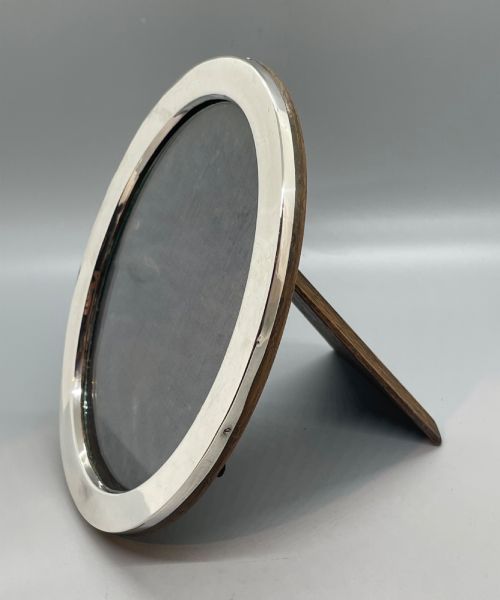
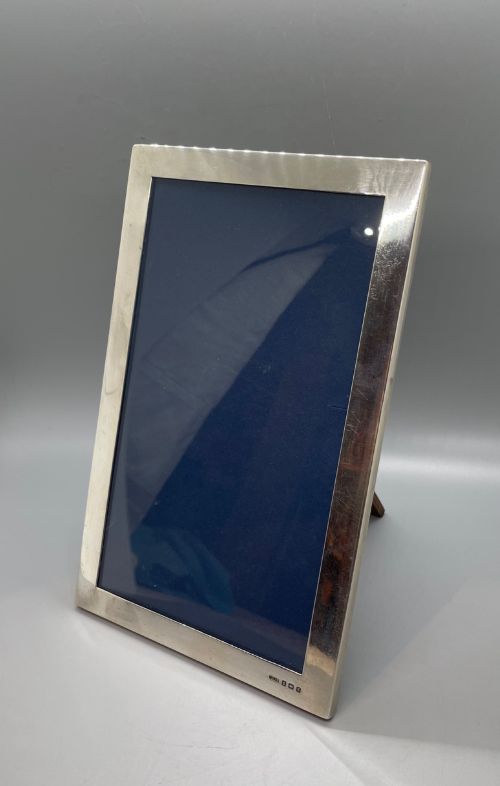
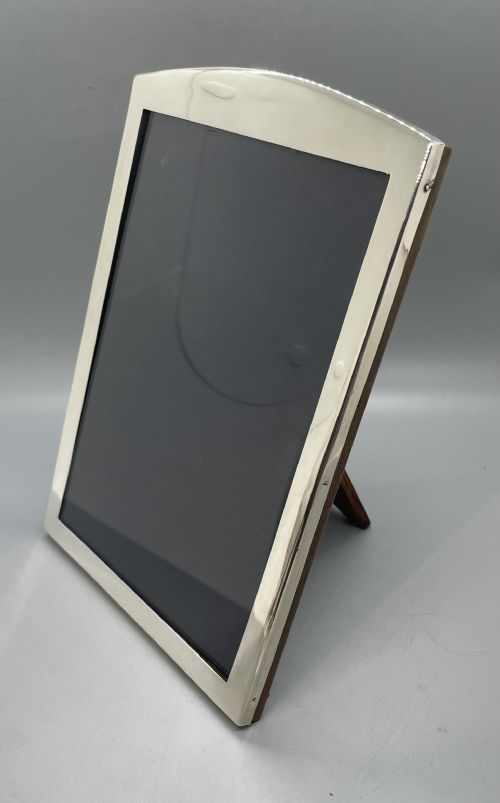
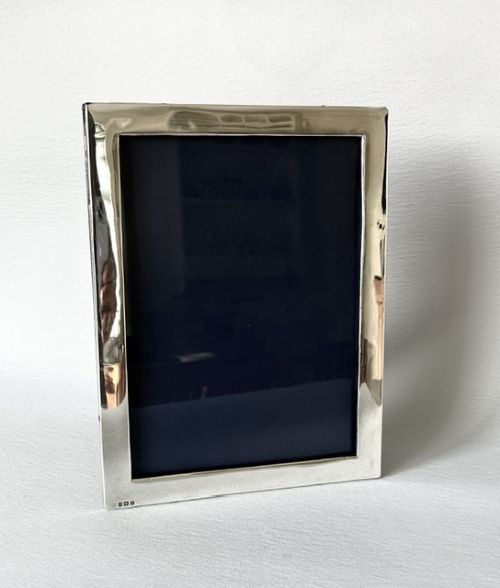
A hallmarked sterling silver frame protects a family portrait while showing the crisp punch of an assay office stamp.
Hallmarked Sterling Silver Frame
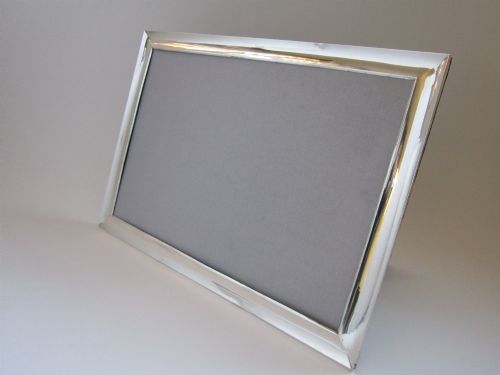
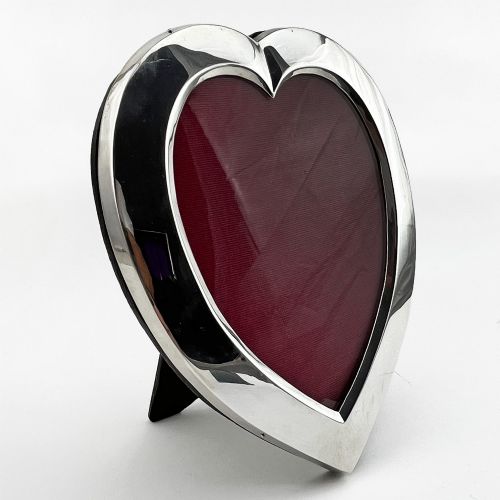
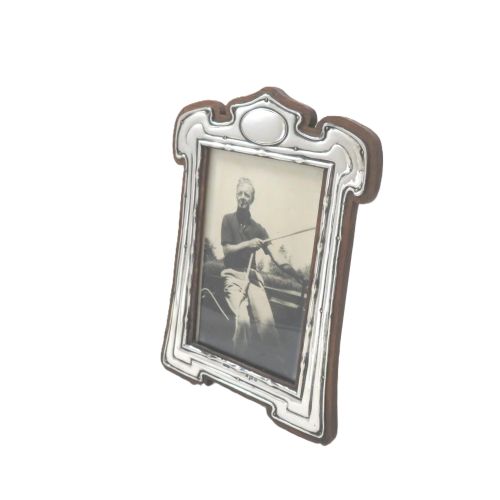
A hallmarked sterling silver frame brings domestic history into focus through surviving portrait and landscape apertures designed for family keepsakes. The selection centres on items originating from the Victorian, Edwardian and George V periods, manifesting styles from ornate Art Nouveau to clean classical revival.
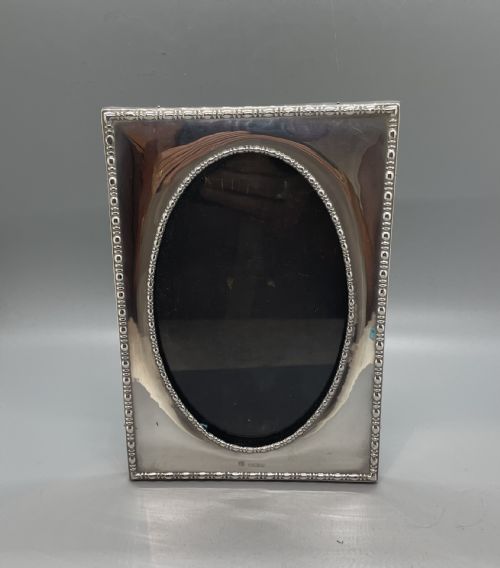
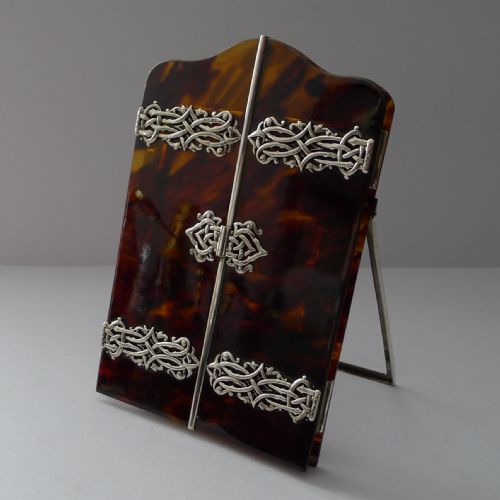
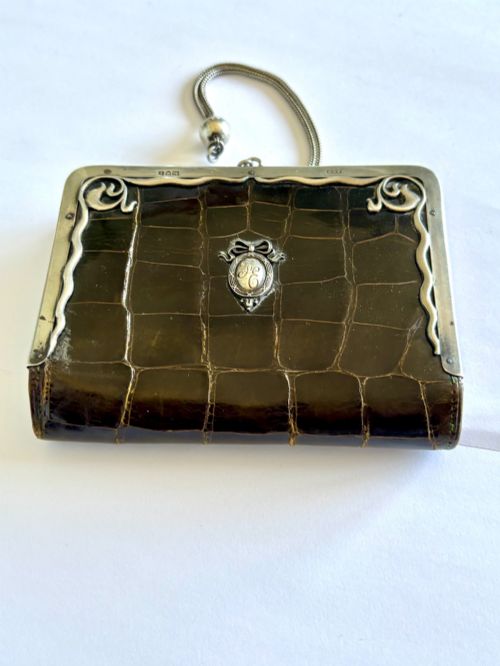
Most examples function as picture, photo or photograph frames in rectangular, oval, heart or landscape formats. Makers also applied precious metal mounts to functional objects such as tortoiseshell panels, leather backs or crocodile skin purses.
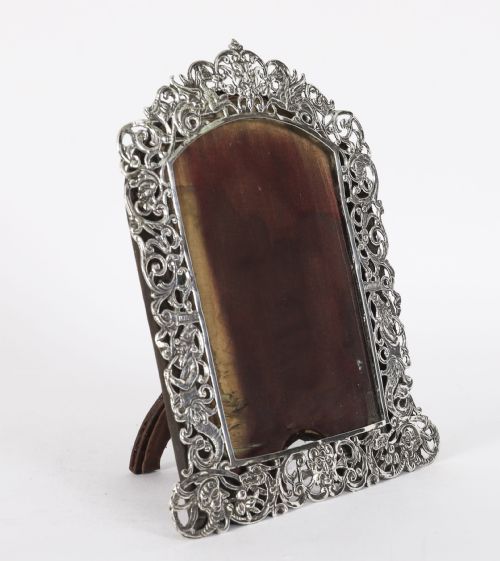
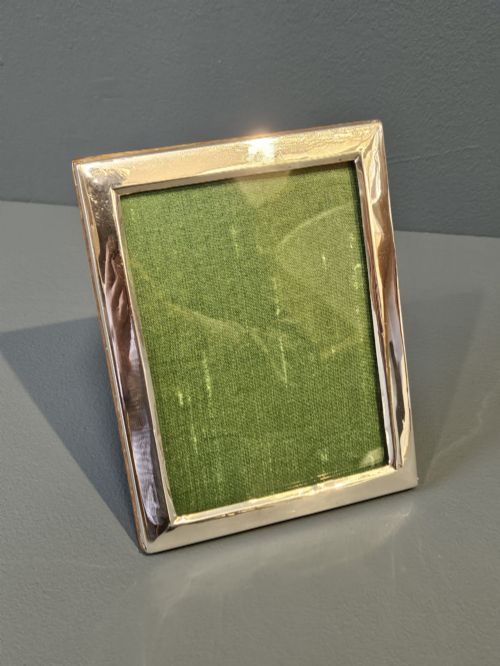
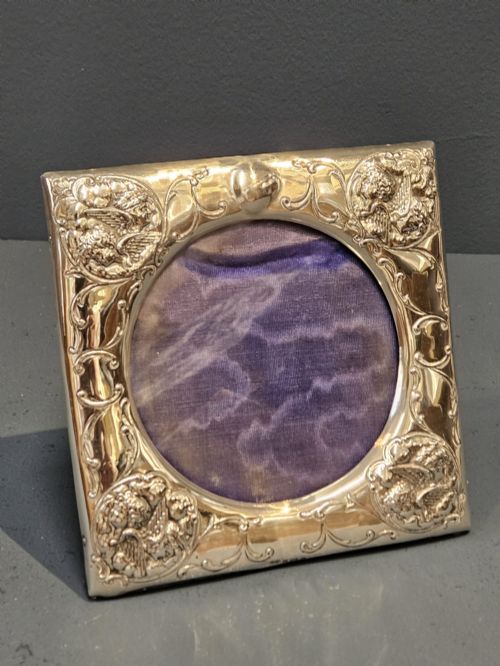
The objects combine protective glass fronts with wooden or fabric easel backs. Structural variations include plain borders, embossed floral motifs and engine-turned geometric patterns executed across British provincial and capital assay offices.
Materials and construction methods
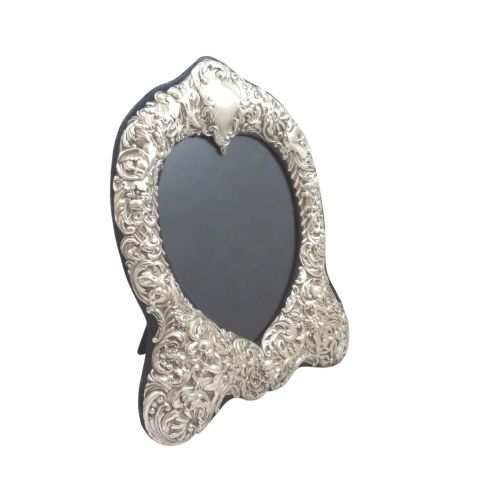
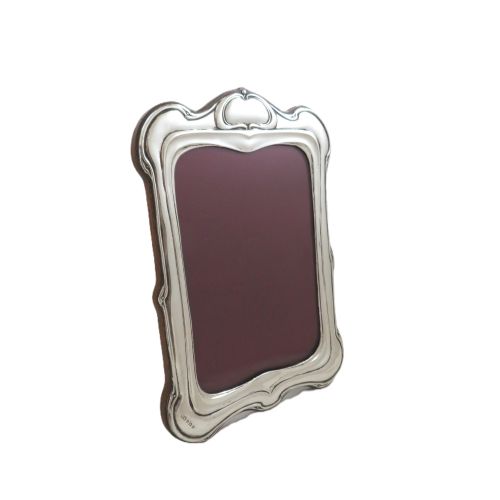
Silversmiths constructed these pieces using sterling silver sheet metal shaped by hand or pressed with dies to form embossed floral borders, heart shapes and Art Nouveau whiplash curves. The metal plate was then mounted onto a wooden core, often backed with velvet, fabric or leather to support the weight.
Makers integrated glass viewing panels held behind bezels or clips, securing the whole assembly with hinged wooden struts or easel stands. Assay office hallmarks were subsequently stamped into the silver border to verify metal purity and production year.
Listings feature items stamped by provincial and capital assay offices including Birmingham, Sheffield, London and Chester.
Factors determining quality
Quality rests upon the crispness of the silver embossing, the weight of the metal sheet and the retention of original structural components like wooden backs and easel supports. Pieces bearing distinct punches from notable makers and clear assay office marks command greater attention.
The integrity of secondary materials such as tortoiseshell panels, crocodile skin or fitted glass panes influences the overall standard of preservation. Well-proportioned borders and balanced decorative schemes separate standard workshop output from exceptional examples.
Rosenthal, Jacob and Co·William Comyns·John Collard Vickery·Mappin Bros·W I Broadway and Co·William Burwash
The Hallmarked Sterling Silver Frame Glossary
- Hallmark
- Official marks stamped into precious metal items to guarantee purity, origin and year of manufacture. These symbols include the maker's mark, standard mark, assay office town mark and date letter.
- Sterling silver
- An alloy composed of pure silver and other metals, typically copper, standardising at a millesimal fineness of ninety-two point five. This alloy provides the necessary durability for domestic items while retaining a bright metallic lustre.
- Assay office
- An official body charged with testing the purity of precious metal items before stamping them with hallmarks. Cities such as London, Birmingham, Sheffield and Chester operated distinct offices.
- Engine-turned
- A mechanical decoration technique producing intricate geometric patterns engraved into metal surfaces. This method creates precise lines and textures across the silver border.
- Tortoiseshell
- The mottled brown and yellow shell of certain turtle species used historically as an overlay for decorative objects. Artisans mounted silver mounts directly onto these polished panels.
Hallmarked Sterling Silver Frame: Frequently Asked Questions
How do I clean a hallmarked sterling silver frame?
Use a soft cloth and a dedicated silver polish, working gently around the embossed details to avoid wearing down the high points of the metal.
Keep moisture away from the wooden backs, velvet linings and glass edges to prevent warping or staining the internal materials.
What do the stamps on the silver mean?
The stamped symbols indicate the assay office, the standard of silver purity and the specific year the item was tested and certified.
Additional maker's marks identify the silversmith or manufacturing firm responsible for producing the object.
Are the easel backs usually original?
Many surviving pieces retain their original wooden struts and fabric or leather coverings, which show age-appropriate wear.
Replacement backs do occur due to centuries of domestic use, so inspecting the hinge fixings helps confirm originality.
How were these frames used originally?
Victorian and Edwardian households displayed portrait and landscape photographs of family members on mantelpieces, desks and drawing-room tables.
Specialised variations also served to hold pocket watches or present decorative miniatures during the early twentieth century.