



Silver Plated Tea Box
A silver plated tea box provides a handsome home for dry leaf, pairing metal mounts with timber, glass or ceramic.
Silver Plated Tea Box
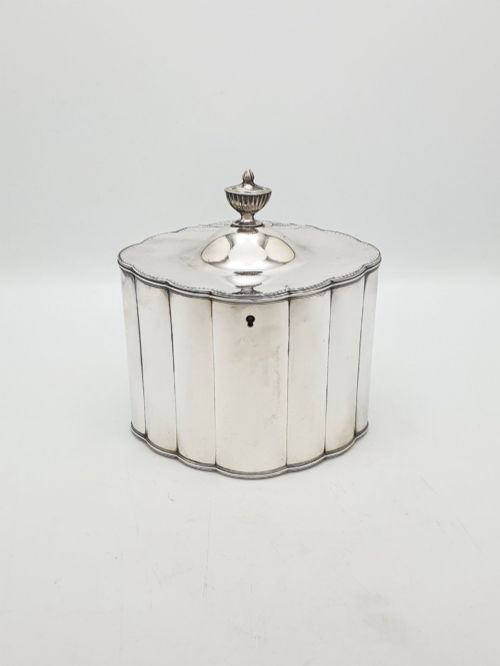
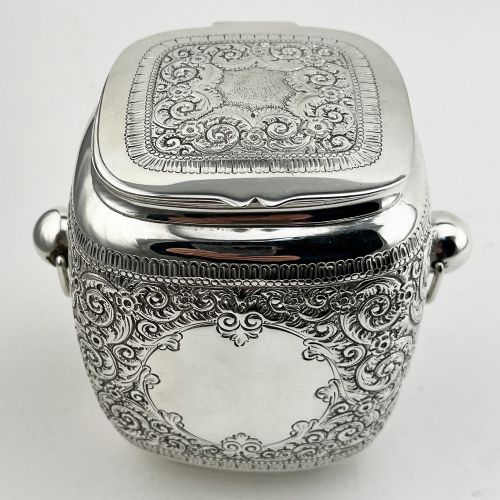
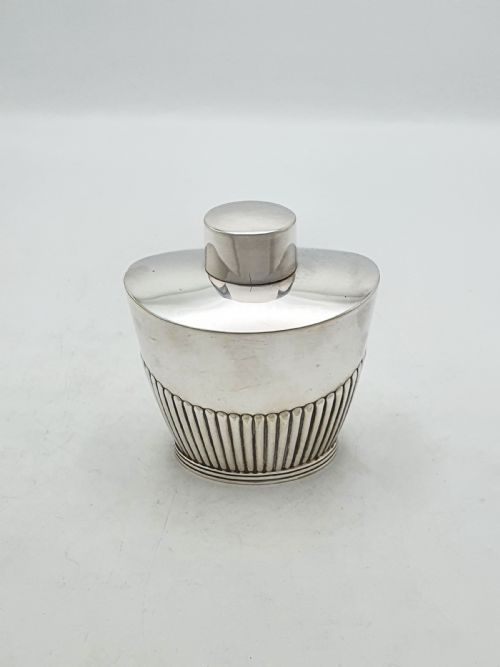
A silver plated tea box represents a functional table accessory designed to keep dried leaves fresh and aromatic. The selection available here includes traditional tea caddies, canisters and tea boxes originating from the Georgian, Victorian and Edwardian periods.
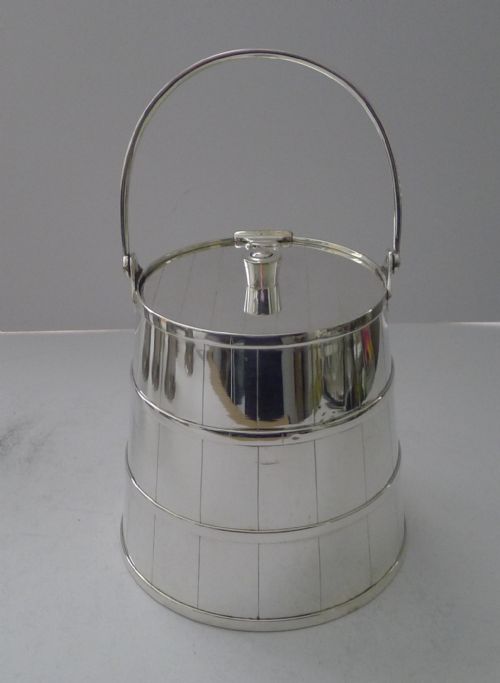
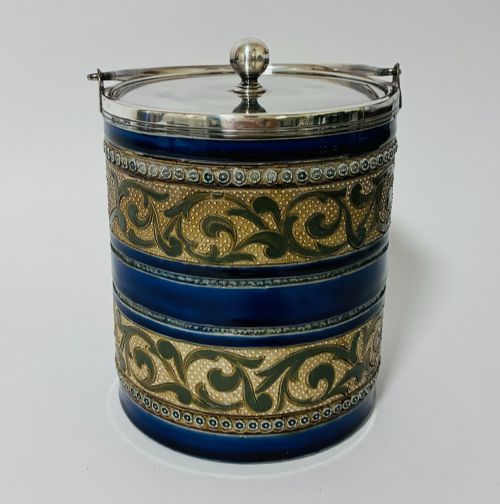
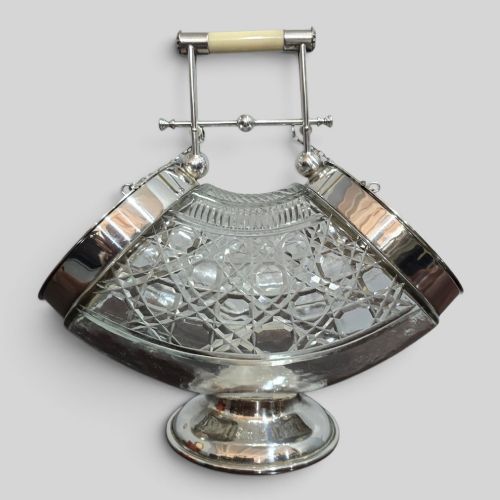
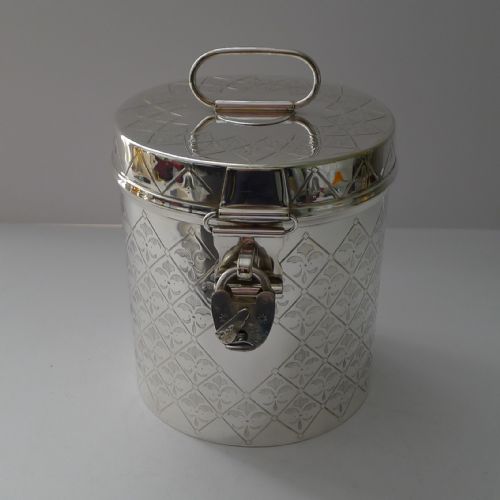
Buyers will encounter various forms, ranging from cylindrical drums and knife box shapes to oak barrels and ceramic bodies fitted with metal mounts. Many pieces double as biscuit barrels or trinket boxes, reflecting the flexible domestic storage habits of the nineteenth and early twentieth centuries.
Materials and construction methods
Makers utilised silver plate, electroplated nickel silver and Old Sheffield plate over copper or base metals to achieve the gleam of solid silver at a lower cost. These metallic elements were often combined with cut glass, ceramic inserts, or solid oak bodies.
Lids and mountings frequently relied on hinged mechanisms, locking devices, and detailed piercing or engraving. Interior compartments sometimes retained wooden partitions or fabric linings designed to protect the stored leaf.
Listings feature pieces from the Georgian, Victorian, and Edwardian eras, constructed from silver plate, oak, cut glass, and copper.
Distinguishing quality across examples
The standard of a silver plated tea box depends heavily on the crispness of its surface ornamentation, whether through hand-chased motifs or precise piercing. Pieces produced by established manufacturing houses demonstrate superior weight in the metal and tighter joinery between wood and plate.
Preservation of the underlying copper or nickel base metal dictates visual appeal. Examples that retain an even, warm plate without excessive wear to high-friction points demonstrate careful handling over generations.
Martin Hall & Co·Mappin and Webb·Robert & Belk·Walker & Hall·William Hutton·Elkington & Co·John Grinsell & Sons·Hukin & Heath
The Silver Plated Tea Box Glossary
- Silver Plate
- A thin layer of silver bonded or electroplated onto a base metal such as copper, nickel silver, or brass. This technique allowed nineteenth-century manufacturers to produce domestic wares with the appearance of solid silver.
- Old Sheffield Plate
- An early method of fusing a sheet of silver to a thick copper core by heat and pressure before rolling. This process creates a distinct edge where the base metal is subtly visible.
- Tea Caddy
- A container designed specifically to store loose tea leaves securely and keep them dry. The name derives from catty, a traditional unit of weight used in the tea trade.
- Biscuit Barrel
- A covered jar or container intended for storing dry baked goods on the dining table. These vessels frequently doubled as containers for tea or other dry stores.
- Electroplated Nickel Silver
- An alloy of copper, nickel, and zinc coated with a layer of pure silver using an electrical current. It replaced older fusion methods during the nineteenth century.
Silver Plated Tea Box: Frequently Asked Questions
What is a silver plated tea box?
A silver plated tea box is a covered container designed to keep loose tea leaves dry and aromatic.
These vessels combine metal plating with materials like oak, glass, and ceramic to serve both decorative and practical roles in the home.
How were these boxes used historically?
Households used them in the parlour or dining room to store expensive tea leaves securely away from moisture.
Because tea was a valuable commodity, many of these containers featured locking mechanisms to restrict access.
How do I date a silver plated box?
Stylistic clues such as Victorian ornamentation, Edwardian proportions, or Georgian revival lines help narrow down the production period.
Maker marks and the specific type of metal plating also provide reliable chronological markers.
Can I use an antique tea box daily?
Many collectors use these boxes for their original purpose or as desktop trinket containers.
Gentle cleaning with a soft cloth helps preserve the delicate silver plating during everyday use.