
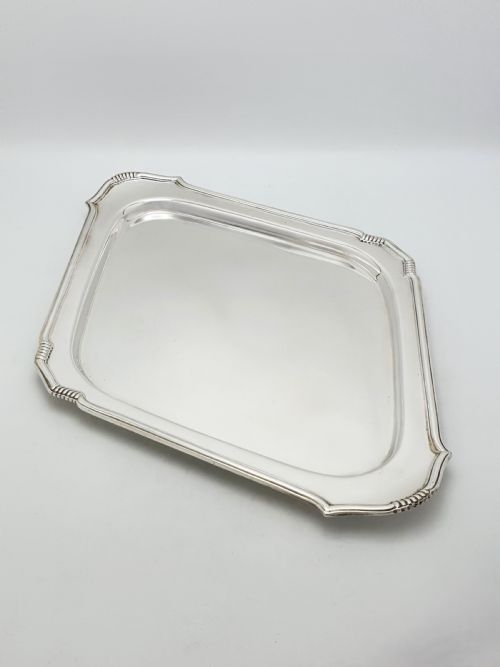


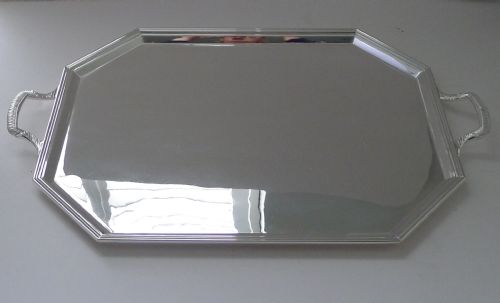


Silver Plated Cocktail Tray
A silver plated cocktail tray brings together the crisp geometry of the interwar period and the practical shine needed for serving drinks at home.
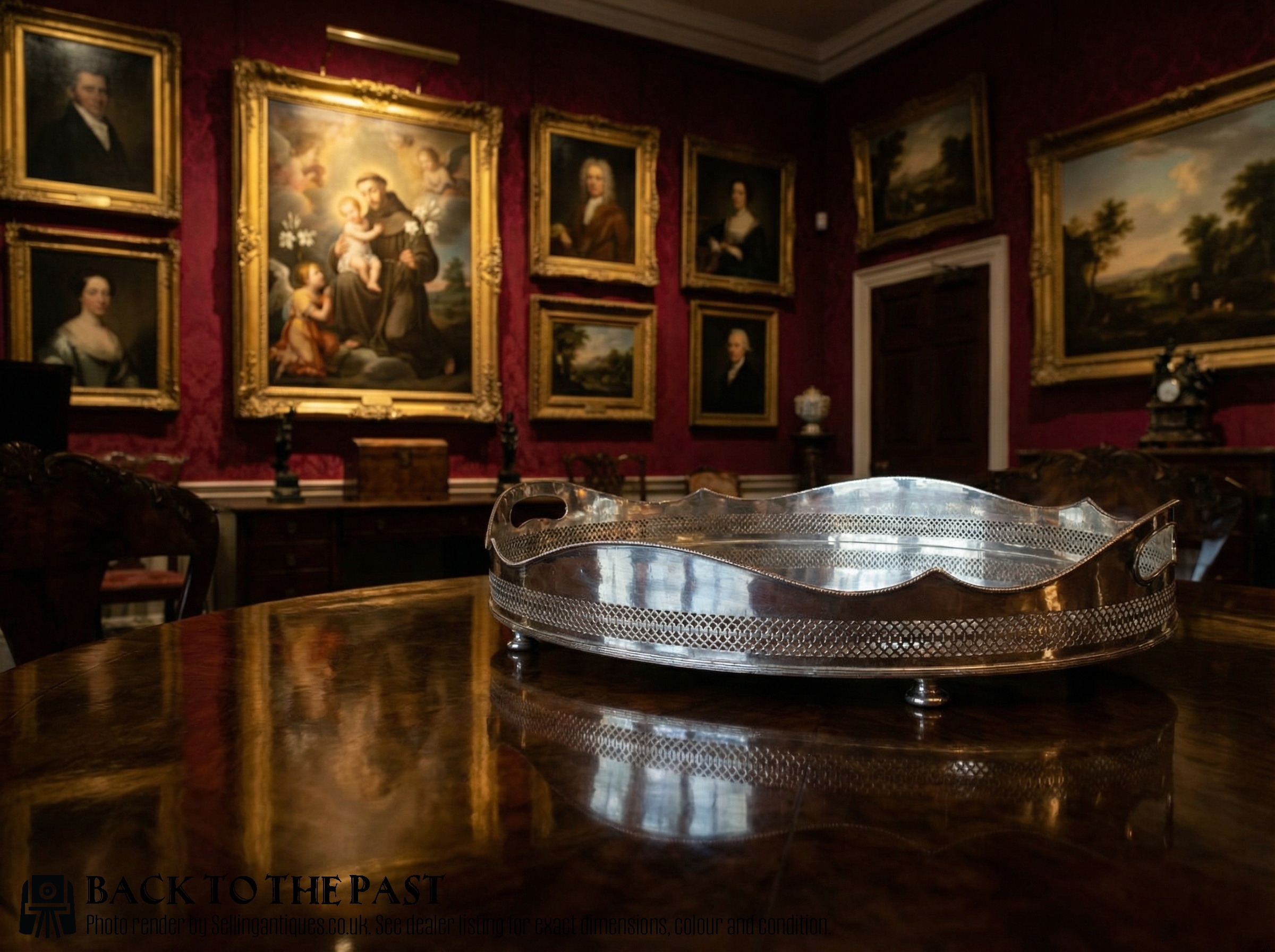
Silver Plated Cocktail Tray
A silver plated cocktail tray functions as a dedicated surface for serving spirits, mixers and glassware during entertaining. These domestic pieces appear primarily in rectangular, square and circular formats designed to hold decanters and glasses securely.
The selections available range from weighty Edwardian gallery designs with raised rims to clean-lined interwar examples embodying the Art Deco movement. Pieces from the mid-century modern period also emerge alongside French classic variants.
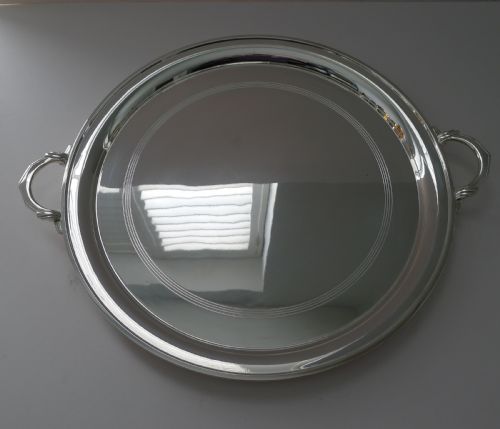
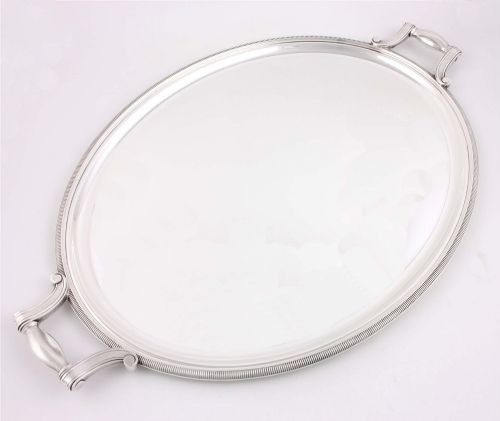
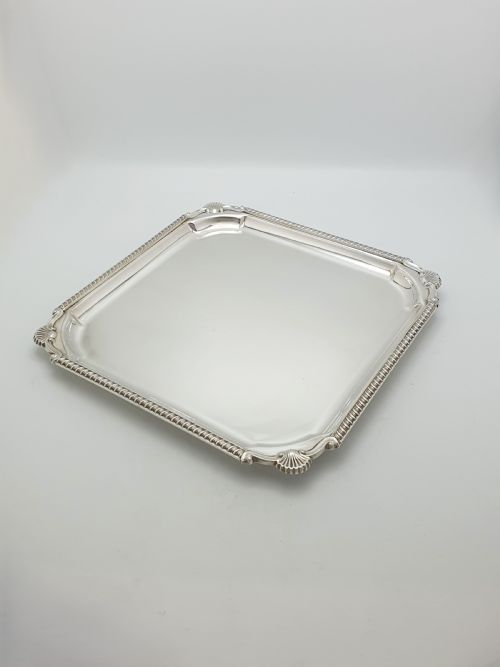
Makers utilised various geometric contours, shell borders and pierced handles to distinguish everyday serving items from formal presentation pieces. The core forms remain steadfastly functional, intended to protect furniture while displaying barware.
How they were made
Silversmiths built these items upon a core of nickel silver or base metal before applying a layer of silver via electroplating, creating a durable surface known as EPNS. Workshops utilised stamping and rolling techniques to form sheet metal into rigid trays with structural integrity.
Makers applied decorative borders, handles and feet through soldering, while surface patterns frequently relied on engine turning or chased engraving. Some variants incorporated contrasting materials such as cobalt glass or mirror glass inserts into the metal framework.
Silver Plated Cocktail Tray Retail Price Guide 2026
Typical asking prices for silver plated cocktail tray among the pieces listed under this phrase on Sellingantiques today, from the lower quarter to the upper quarter. They describe what is for sale here now, not the wider market.
Materials recorded across the inventory include nickel silver, mirror glass, cobalt glass and standard electroplate.
What varies in quality
Quality depends heavily on the thickness of the silver plate applied to the base metal and the robustness of the underlying construction. Substantial gauge metal prevents flexing when carrying heavy decanters, marking the distinction between standard production and superior manufacture.
The precision of the detailing separates standard items from exceptional pieces, visible in crisp shell motifs, secure handle attachments and cleanly executed engine turning. Maker attribution also influences distinction, with signed works by established firms demonstrating finer finishing.
Keith Murray For Mappin & Webb·Hukin & Heath·J B Chatterley & Sons·Walker & Hall·James Dixon & Sons·John Collyer & Co·Roberts & Dore·Frank Cobb & Co·Asprey·Elkington·Roberts & Belk·Victor Saglier·Christofle·Cooper Brothers·Goldsmiths & Silversmiths Co·Orfèvrerie Claude Perrin·Albert Frionnet·Barker Brothers·Francis Howard
The Silver Plated Cocktail Tray Glossary
- EPNS
- Electroplated nickel silver, a common base material beneath the silver layer. This composition provided strength and durability for domestic metalware.
- Gallery tray
- A serving tray featuring an openwork or solid raised rim designed to keep bottles and glasses from sliding off. These often included integrated carrying handles.
- Engine turning
- A mechanical engraving technique producing intricate geometric patterns across the metal surface. This decoration added texture and caught the light during use.
- Salver
- A flat serving vessel, traditionally used for handing round glasses or calling cards. In this context, it refers to smaller, highly decorative circular or square trays.
- Base metal
- The underlying alloy, typically non-precious, that received the silver coating during the plating process. Its weight determined the overall heft of the piece.
Silver Plated Cocktail Tray: Frequently Asked Questions
What is a silver plated cocktail tray used for?
These trays served as portable stations for organising and presenting bottles, shakers and glassware during social gatherings. They protected polished wooden tabletops from condensation and spills while facilitating easy service.
Over decades of domestic life, they transitioned from functional bar accessories to decorative display pieces in living spaces and dining rooms.
How do I date a silver plated cocktail tray?
Dating relies on stylistic markers such as the stepped geometric lines of Art Deco pieces from the nineteen-thirties or the heavier pierced galleries characteristic of Edwardian manufacture. Maker marks stamped into the underside also provide chronological reference points.
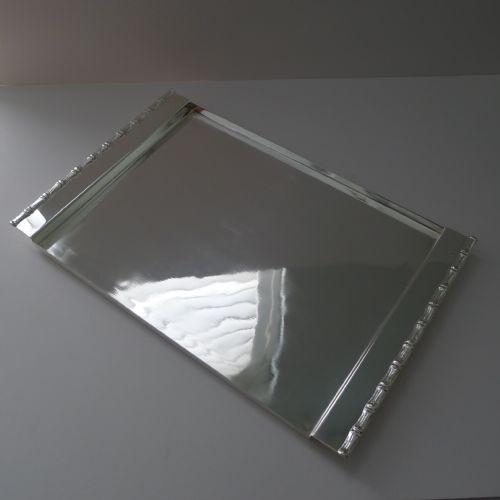
Materials offer further clues, with mirror glass inserts and modernist bamboo handles pointing toward the nineteen-sixties.
What is the difference between EPNS and solid silver?
Electroplated nickel silver consists of a sturdy base metal coated with a thin layer of pure silver, offering the appearance and lustre of solid precious metal at a lower weight and cost. This technique became the standard for domestic serving ware.
Solid silver items bear distinct assay office hallmarks indicating sterling standard, whereas plated items carry manufacturer marks denoting the plating process.
How do I care for a silver plated tray?
Maintenance involves gentle cleaning with specialised silver polish and a soft cloth to remove tarnish without wearing away the plated layer. Avoiding abrasive pads preserves the integrity of the metal finish.
Storing the tray in a dry environment prevents rapid oxidation and keeps the surface bright for regular display or serving.