


Silver Plated Centrepiece Dish
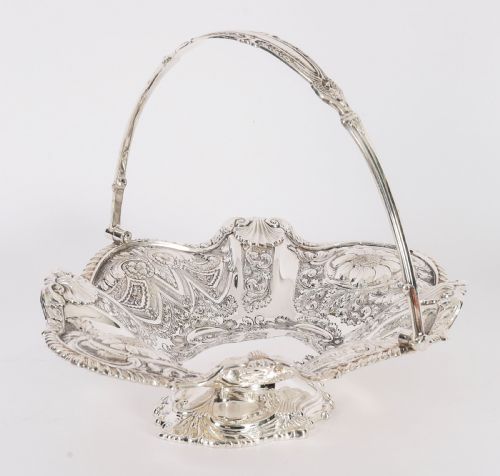
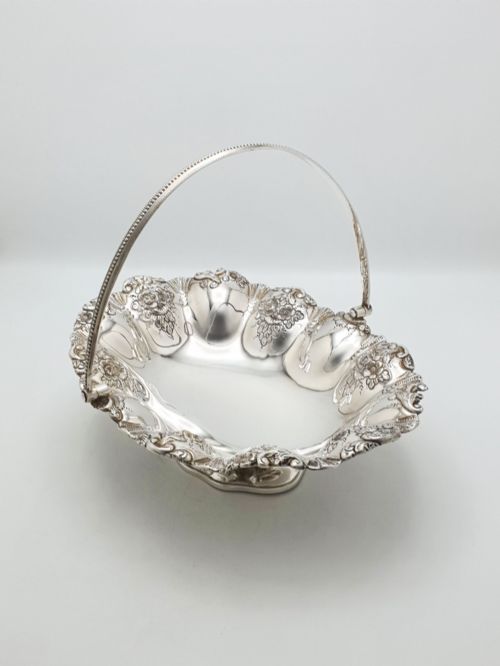
These silver plated centrepiece dish options bring dining tables to life with period form, crafted to hold fruit, sweets, and flowers.
Silver Plated Centrepiece Dish
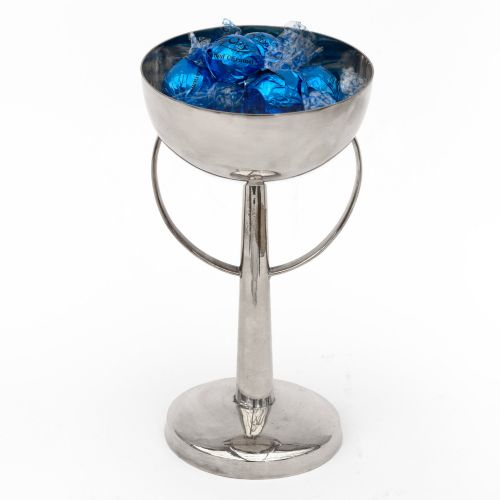
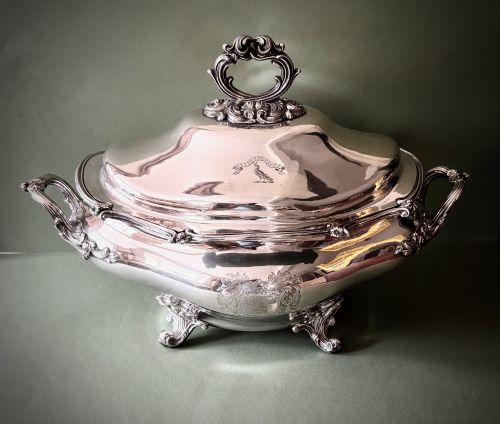
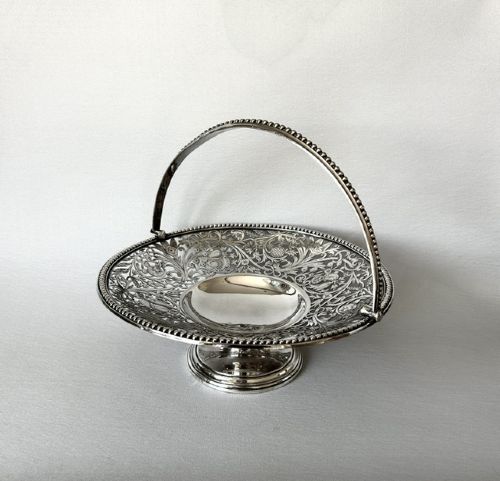
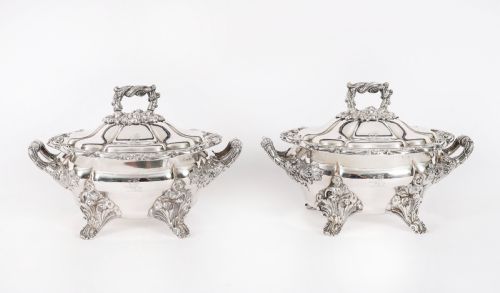
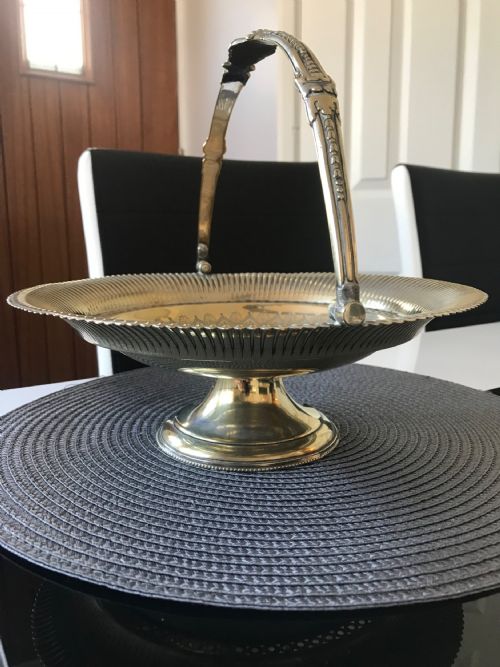
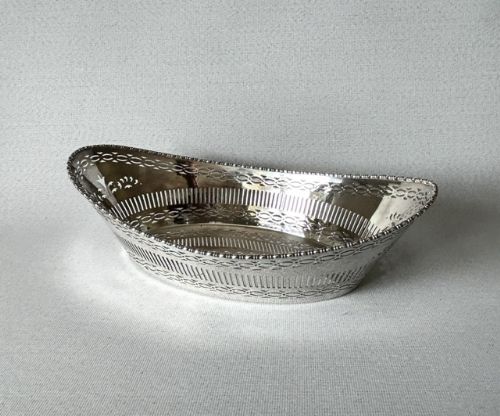
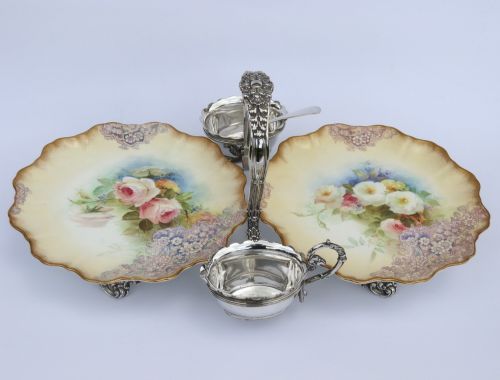
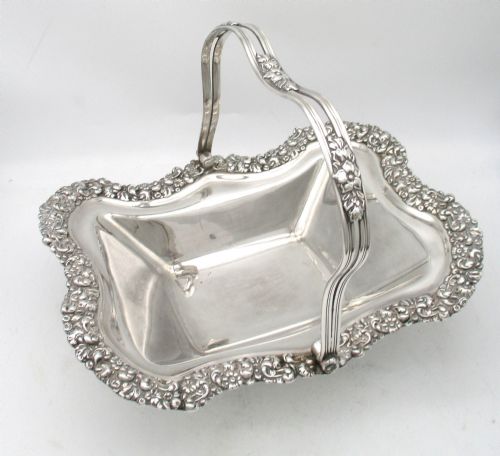
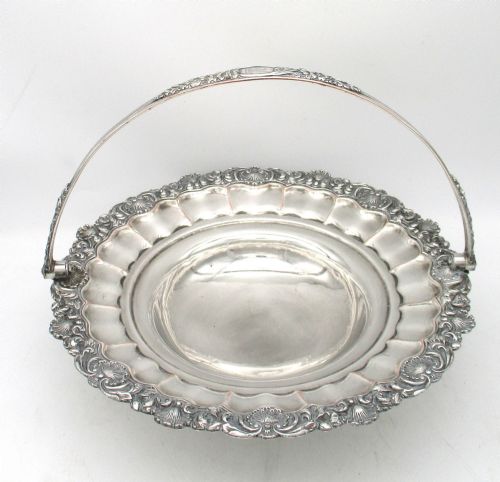
A silver plated centrepiece dish anchors the dining table, serving as a focal point for displays of fruit, sweetmeats, bread, or flowers. When searching for a silver plated centrepiece dish, you encounter forms ranging from low bowls and tazzas to pierced baskets with swing handles.
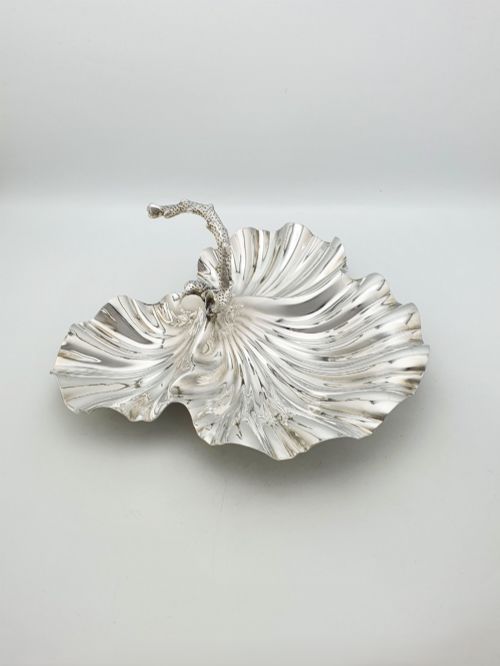
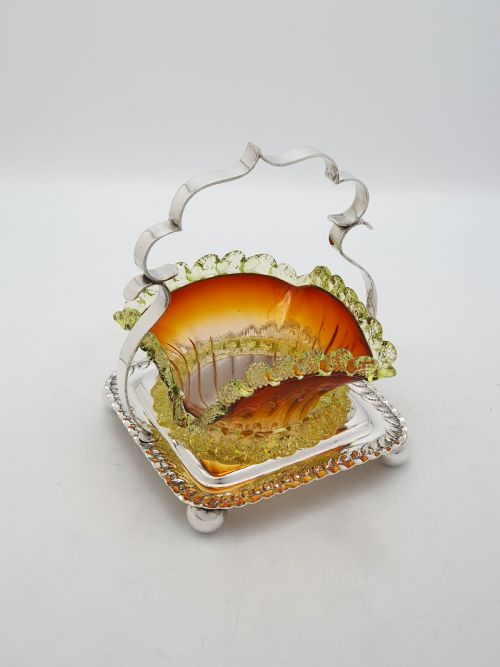
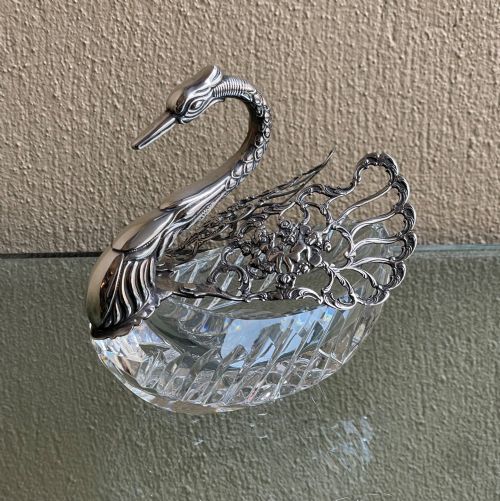
The pieces on this page span several decades, heavily featuring Edwardian and Victorian creations alongside earlier Old Sheffield Plate examples. You meet baskets fitted with amber, ruby, or green vaseline glass liners, as well as figural pieces involving coral handles and palm trees.
Originating primarily from British workshops and European manufacturers such as WMF, these items bridge utility and decoration. They appear in styles stretching from Georgian and Regency neoclassical symmetry to flowing Art Nouveau organics and geometric Art Deco.
Materials and construction methods
Makers built these vessels using copper, nickel silver, or electroplated nickel silver as a base metal, applying a layer of silver over the top through early fusion techniques or later electroplating. Old Sheffield Plate examples utilise a thin sheet of real silver fused to a copper core, visible where wear reveals the warm base metal beneath.
Artisans shaped the bodies through casting, hammering, and spinning, then added intricate detail via piercing, repoussé work, and floral engraving. Many designs incorporate blown and cut glass liners, contrasting the cool gleam of silver plate with rich amber, green, or ruby hues.
Several pieces feature unexpected companions, including stylised coral handles and palm tree columns supporting miniature dishes.
The markers of finer execution
Quality reveals itself in the crispness of the chasing and the depth of the repoussé work, where superior examples show sharp botanicals and well-defined animal or human motifs rather than soft, mass-produced stamping. The weight of the metal and the balance of swing handles or pedestal feet also indicate a higher grade of manufacture.
The integrity of the plating layer matters greatly, as thicker applications withstand decades of polishing without exposing the base copper or nickel. Furthermore, the inclusion of undamaged, original coloured glass liners or matched ladles elevates a piece significantly above standard tableware.
George W. Scott And Sons Ltd·Mappin And Webb·Walker And Hall·Thomas Bradbury·Daniel And Arter·WMF
The Silver Plated Centrepiece Dish Glossary
- Old Sheffield Plate
- An early method of fusing a sheet of silver to a copper base before rolling them together into sheets for smithing. This technique preceded electroplating and creates a soft, warm lustre.
- EPNS
- Electroplated Nickel Silver, a common base material introduced in the nineteenth century for silver plated wares. It provides a sturdy white metal core beneath the silver coating.
- Repoussé
- A metalworking technique where the artisan hammers the design from the reverse side to form raised ornamentation on the front. It creates tactile floral and scroll motifs.
- Tazza
- An ornate pedestal cup or shallow bowl raised on a foot, commonly used for serving fruit or sweetmeats. These pieces dominate formal dining tables.
- Vaseline glass
- A type of glass containing uranium dioxide that glows under ultraviolet light, frequently produced in vibrant yellow, green, and amber tones. It appears frequently in Edwardian baskets and centrepieces.
Silver Plated Centrepiece Dish: Frequently Asked Questions
What were silver plated baskets used for?
These vessels held fresh fruit, bread, cakes, or sweetmeats during formal dining and tea services. They sat in the middle of the table to provide both refreshment and visual decoration.
Over time, their uses expanded to include holding floral arrangements with the help of wirework inserts or glass liners. Victorians and Edwardians utilised them across various courses of a meal.
How do I clean a silver plated dish?
Use a mild, non-abrasive silver cream applied with a soft cloth to remove tarnish without harming the underlying plating. Gently rub in the direction of the metal's grain.
Avoid harsh dips or scrubbing brushes, particularly on Old Sheffield Plate where excessive friction can expose the base copper. Rinse with lukewarm water and dry immediately with a clean cotton cloth.
What is Old Sheffield Plate?
Old Sheffield Plate is an early composite material made by fusing a sheet of silver to a copper core through heat and pressure. Smiths then hammered and shaped the resulting slab into tableware.
This technique predates electroplating and is identified by thin lines of copper showing at the cut edges or high points of wear. Collectors prize these pieces for their soft, glowing appearance.
How do I date a silver plated dish?
Dating relies on stylistic clues such as neoclassical swags from the Georgian era, naturalistic floral motifs from the Victorian period, or flowing lines typical of Art Nouveau. Maker marks stamped on the base also help narrow down the production decade.
Additionally, construction methods like fused copper edges point to the late eighteenth or early nineteenth century, while electroplated stamps indicate post-1840 manufacture.