
Silver Plate Stand
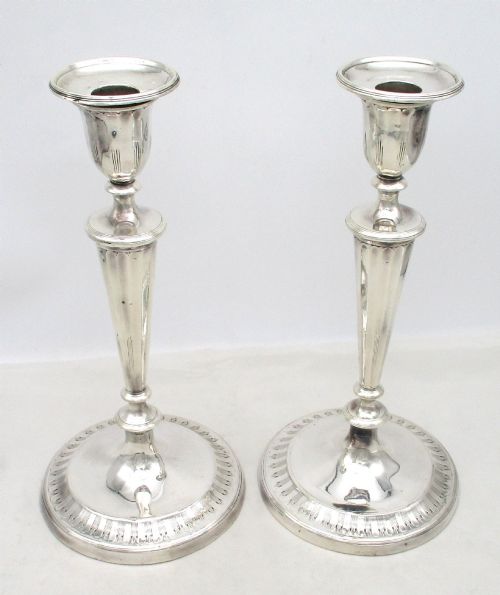
When hunting for a silver plate stand, you encounter practical table holders, grand floor lamps, and dining furniture spanning the Victorian and Edwardian eras.
Silver Plate Stand
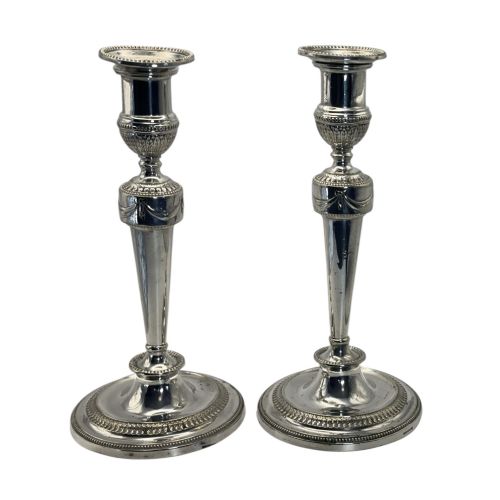
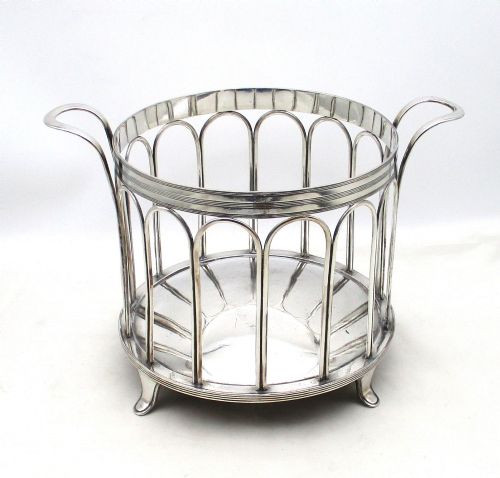
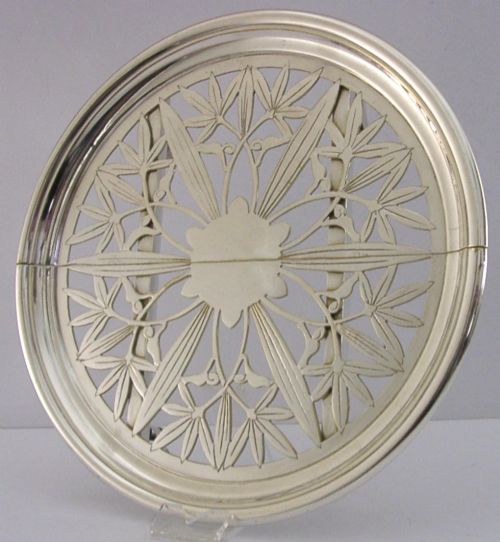
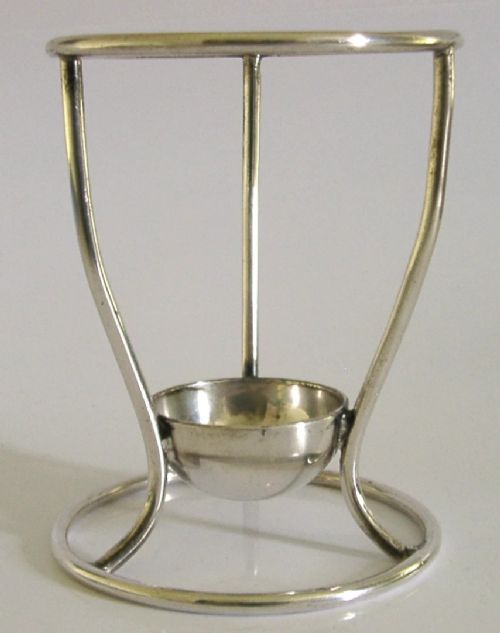
A silver plate stand covers a wide array of functional domestic objects designed to elevate, organise, or display items around the home. These pieces encompass everything from small desk inkstands and wine bottle coasters to large floor lamps, kettle stands, and tiered cruet sets.
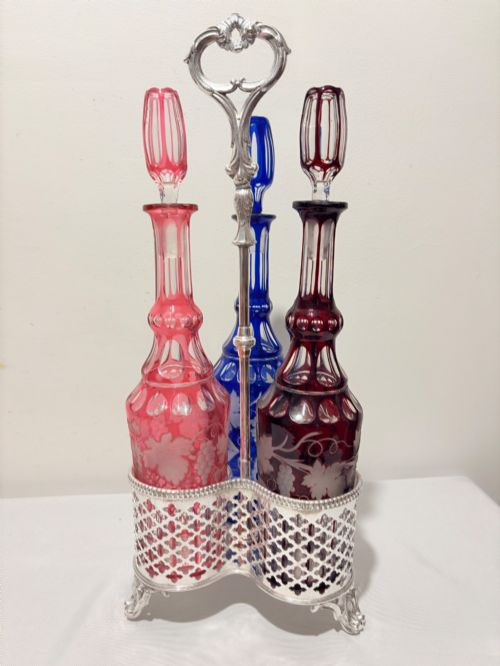
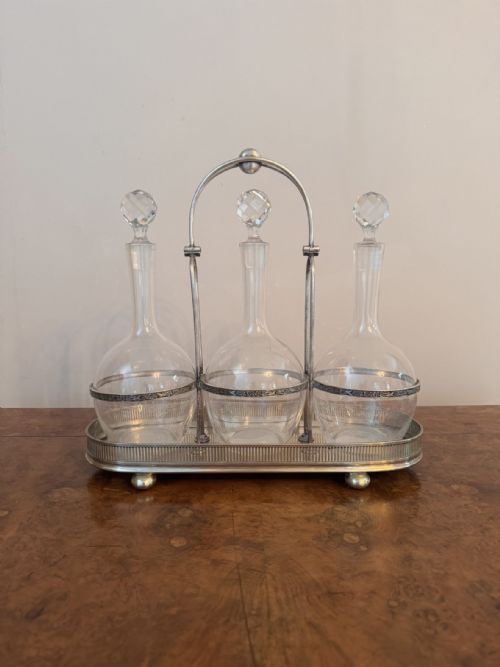
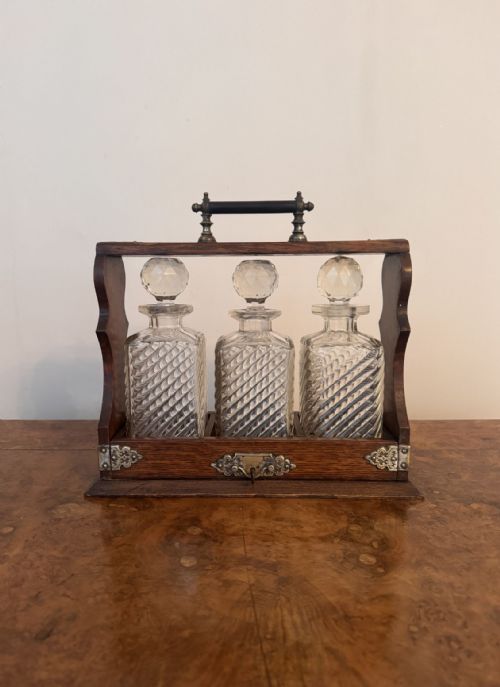
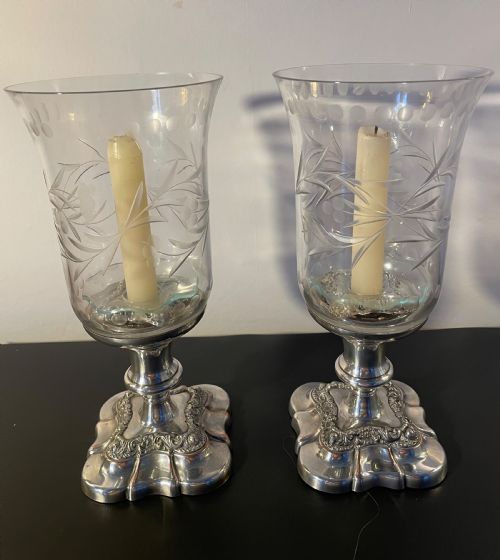
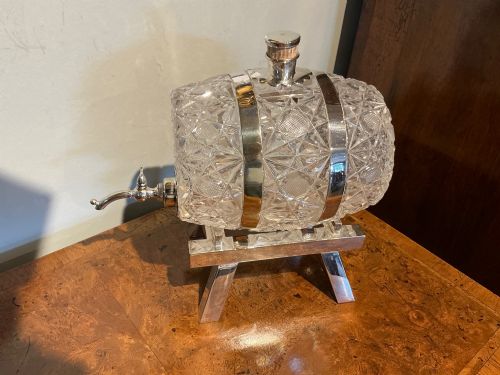
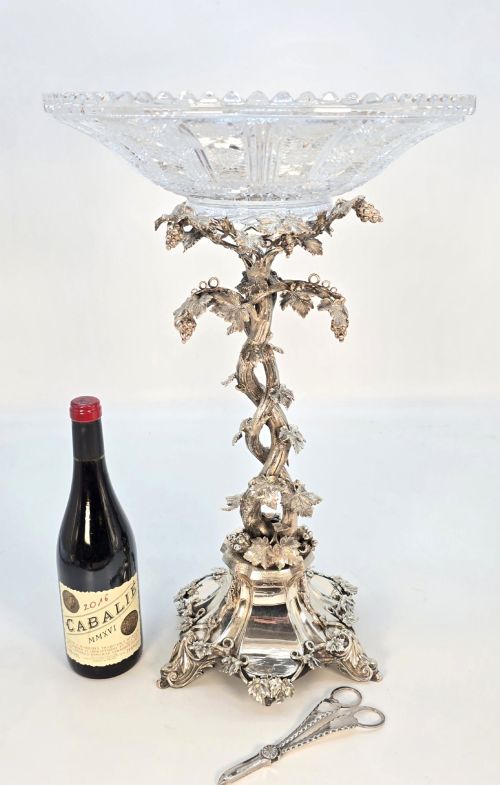
Buyers searching this phrase most frequently encounter Edwardian and Victorian dining accessories, such as cut glass decanter frames, condiment holders, and biscuit barrels. These domestic items combine plated metal mounts with fitted glass vessels, ceramics, or wood to serve specific functions at the dining table or desk.
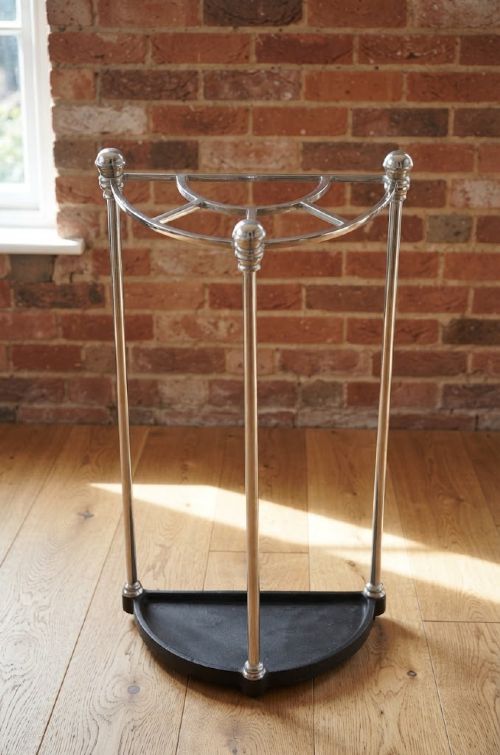
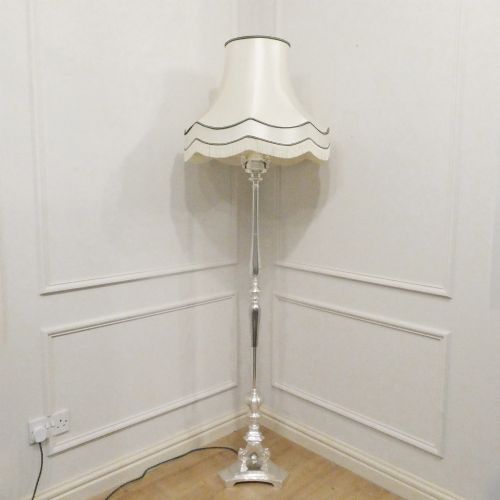
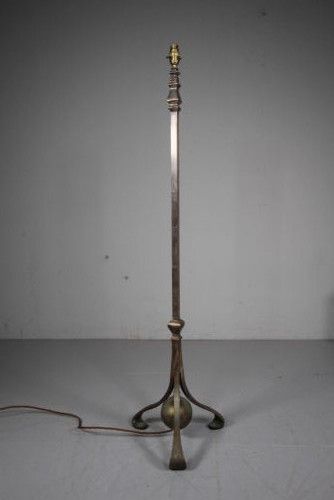
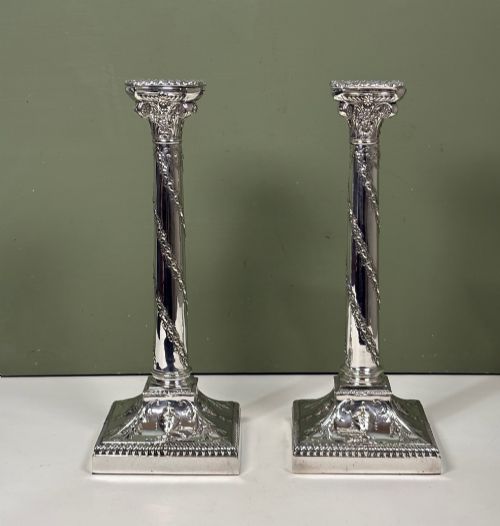
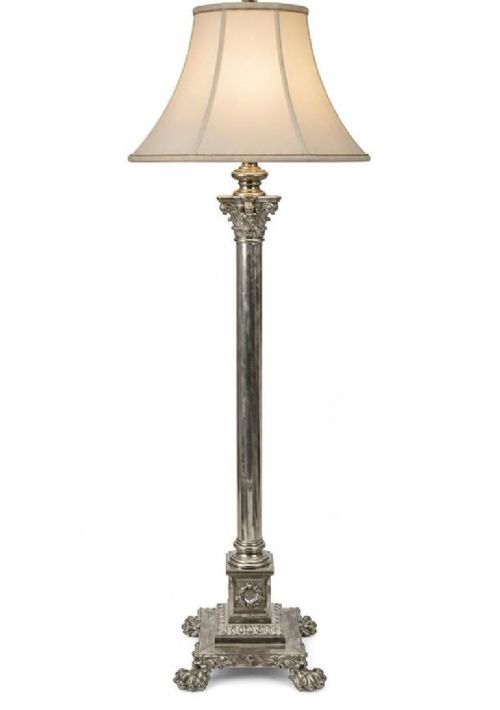
The category also extends to larger furnishings, including standard lamps, torchieres, and umbrella stands produced from the late nineteenth century through the Art Deco period. These taller pieces utilise metal frames, sometimes combined with copper, brass, or figural statues, to hold lights or umbrellas in hallways and reception rooms.
How They Were Made
Manufacturers produced these stands by applying layers of silver onto a base metal, frequently utilising electroplated nickel silver or old Sheffield plate methods. Early nineteenth-century examples often relied on fusing silver sheets to copper, whilst later Victorian and Edwardian pieces adopted electroplating techniques to coat base metals uniformly.
Makers integrated mixed media into the framework, combining the plated metal with cut glass, cut crystal, amber or cranberry flashed glass, oak, and ceramics. Fitted glass decanters, inkwells, and condiment bowls were custom-ground to sit securely within the metal frames and wirework galleries.
Decorative elements relied on manual and mechanical forming methods, incorporating embossed patterns, chased details, repoussé work, and cast figural components. Handles, feet, and borders were cast separately and soldered or riveted to the main stands to create sturdy, ornate table and floor furnishings.
Listings feature items spanning the 1860s to the 1960s, encompassing Victorian, Edwardian, and Art Deco styles in silver plate, cut glass, copper, and wood.
What Varies in Quality
The standard of a silver plate stand depends heavily upon the integrity of the plating and the thickness of the underlying metal. Thicker application of silver and durable base metals like nickel silver resist wear and rubbing better than thin coatings applied over base brass or inferior alloys.
Design complexity and the presence of original fitted components separate standard domestic wares from exceptional productions. Retaining matching cut glass decanters, original ceramic liners, or intact glass inserts significantly elevates the integrity of cruet sets, inkstands, and tantalus frames.
The reputation of the original manufacturer and the crispness of the chased or embossed detailing also dictate worth. Well-defined castings, robust structural joints, and marked maker stamps indicate superior workshop output compared to mass-produced, unmarked variants.
Mappin & Webb·Elkington & Co·Walker & Hall·Hukin & Heath·James Dixon & Sons·WMF
The Silver Plate Stand Glossary
- Old Sheffield Plate
- An early method of fusing a thin sheet of silver to a thicker copper ingot before rolling them into sheets for fabrication. This technique creates a distinctive edge where the copper base metal becomes visible through wear.
- Electroplated Nickel Silver
- A process utilising an electrical current to deposit a coating of silver onto a nickel silver alloy base. This material became standard for British manufacturing from the mid-nineteenth century onward.
- Cruet Set
- A matched collection of glass bottles or jars held within a dedicated metal stand for vinegar, oil, mustard, and condiments. These assemblies frequently sit on dining tables for easy access during meals.
- Tantalus
- A locking drink stand featuring a frame that secures decanter stoppers in place to prevent access to the contents without a key. Victorian households utilised these to restrict servants or guests from unmonitored consumption.
- Torchere
- A tall ornamental stand or floor pedestal designed to support a light fixture, lamp, or decorative figure. These pieces were produced in metal and wood during the late nineteenth and early twentieth centuries.
Silver Plate Stand: Frequently Asked Questions
What is a silver plate stand used for?
These stands serve as functional holders for dining accessories, desk equipment, and lighting fixtures around the home. Common configurations securely house glass decanters, condiment bottles, inkwells, or elevate serving dishes and kettles above the table surface.
Larger variations function as umbrella holders, floor lamps, or cake stands designed for display and practical daily organisation. Each form matches specific domestic tasks popular across the Victorian and Edwardian periods.
How do I clean an antique silver plate stand?
Maintenance requires gentle cleaning with a soft cloth and a specialised silver polish formulated to protect thin plated layers. Avoid abrasive cloths or harsh chemical dips that strip away the remaining silver coating from the base metal.
Glass and ceramic components separate from the metal frame for washing in warm soapy water to prevent moisture damage to joints. Regular dusting and careful handling preserve the finish and structural integrity of the piece.
How can I date an antique silver plate stand?
Dating relies on identifying maker marks, patent stamps, and stylistic cues characteristic of specific design periods. Victorian examples often feature heavy ornamentation and complex casting, whereas Edwardian pieces display lighter frames and Art Nouveau influences.
Construction methods also provide clues, as early nineteenth-century pieces utilise old Sheffield plate techniques whilst later items employ electroplating. Comparing the fitted glass and wood elements to known period production styles helps narrow the manufacturing timeframe.
Are original glass inserts important?
Original glass inserts significantly impact the completeness and utility of cruet sets, decanter frames, and inkstands. Matching decanters or condiment bottles designed specifically for the frame ensure proper fit and historical accuracy.
Finding replacement glass that matches the exact period style and dimensions proves challenging due to custom manufacturing. Complete sets with their original fitted glass components remain highly sought after by collectors.