





Silver Plate Preserve Dish
A silver plate preserve dish brings table service from the Victorian, Edwardian, and Art Deco periods directly into modern homes.
Silver Plate Preserve Dish
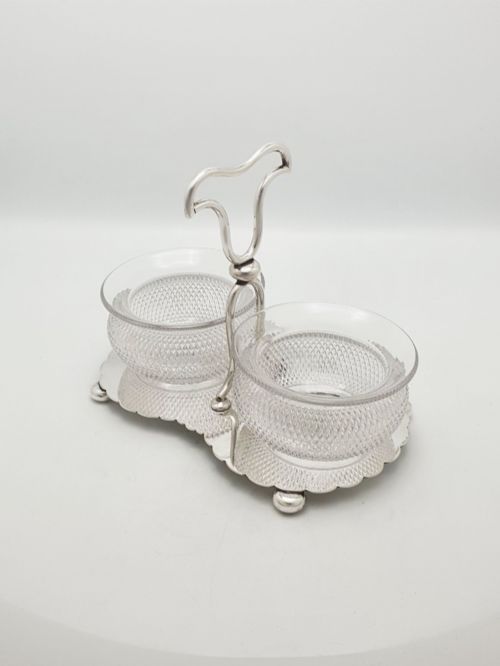
When you search for a silver plate preserve dish, you find serving vessels designed for table service during the Victorian, Edwardian, and Art Deco periods. These pieces combine metal stands with glass liners to hold jams, preserves, butter, or condiments.
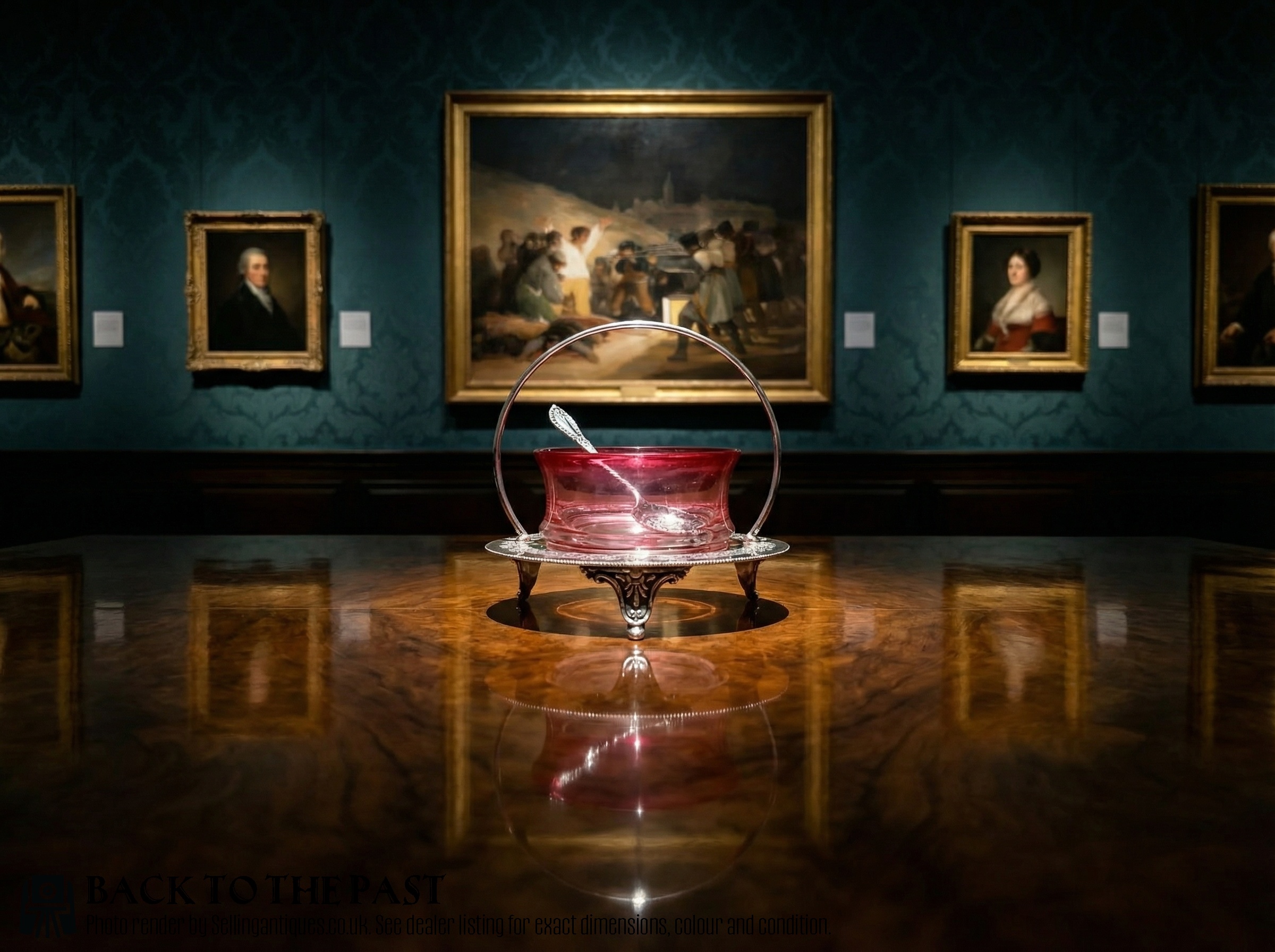
The version you are most likely to meet on this page pairs a silver plated framework with a coloured glass bowl. Cranberry glass, vaseline glass, and cut glass frequently appear alongside twin or single bowl configurations.
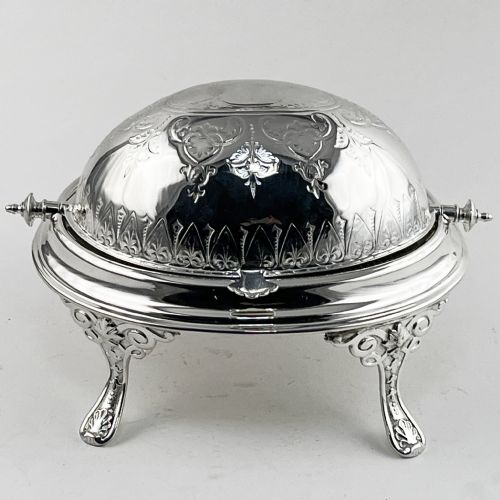
Makers produced these serveware pieces in various forms, including revolving lidded designs, condiment stands, and swing handle dishes. They function as both practical tableware and decorative bowls for contemporary dining tables.
How they were made
Silversmiths utilised electroplated nickel silver as the base material for the metal stands and mountings. This technique deposited a layer of silver over a durable white metal alloy substrate.
Glassmakers formed the liners using free-blowing, mould-pressing, or heavy cutting techniques. Cranberry and vaseline glass achieved their distinct colours through mineral additions during the glassmaking process.
Craftspeople finished the stands with pierced decoration, engraved patterns, or hinged lids. Swing handles and novelty military cap designs required specialist metalworking skills.
Silver Plate Preserve Dish Retail Price Guide 2026
Typical asking prices for silver plate preserve dish among the pieces listed under this phrase on Sellingantiques today, from the lower quarter to the upper quarter. They describe what is for sale here now, not the wider market.
Materials recorded on this page include cranberry glass, vaseline glass, cut glass, and electroplated nickel silver.
What varies in quality
The thickness of the silver plating and the preservation of the underlying metal define the grade of the stand. Heavy plating withstands decades of polishing while thin plating reveals the base nickel silver over time.
Glass quality depends on the clarity of the crystal, the depth of the cut glass facets, and the richness of the cranberry or vaseline colour. Intact liners without chips or cracks command greater interest from collectors.
The integration between the glass insert and the metal frame indicates the standard of manufacture. Well-made stands hold the glass securely without excessive clearance or movement.
The Silver Plate Preserve Dish Glossary
- Silver Plate
- A base metal, often electroplated nickel silver, coated with a thin layer of silver. This method provided an accessible alternative to solid sterling silver tableware.
- Cranberry Glass
- A transparent red-pink glass coloured with gold chloride during production. It became a popular choice for Victorian and Edwardian preserve bowls.
- Vaseline Glass
- A yellowish-green glass containing uranium dioxide that glows under ultraviolet light. It appears frequently in pieces from the late nineteenth and early twentieth centuries.
- Electroplated Nickel Silver
- An alloy of copper, nickel, and zinc coated with silver through an electrolytic process. It served as the primary foundation for metalwork on these stands.
- Cut Glass
- Glass decorated by grinding facets and patterns into the surface with a wheel. This technique produced brilliant light refraction on serving dishes and bowls.
Silver Plate Preserve Dish: Frequently Asked Questions
What is a silver plate preserve dish?
A silver plate preserve dish is a table accessory consisting of a plated metal stand holding a glass bowl for jams or condiments. These vessels date from the Victorian, Edwardian, and Art Deco periods.
They combine functional diningware with decorative glasswork, often accompanied by a matching spoon. The glass inserts lift out for cleaning and serving.
How were these dishes used originally?
Dining rooms during the late nineteenth and early twentieth centuries used these pieces to serve preserves, jams, butter, and condiments at breakfast or afternoon tea. Lidded versions kept the contents protected between helpings.
Servants placed them on the dining table or sideboard alongside other serveware. Guests spooned portions from the glass liner onto their individual plates.
How do I care for silver plate and glass?
Wash the glass liners by hand in warm soapy water to protect the finish. Avoid harsh abrasive scourers that might scratch cut or coloured glass.
Clean the metal stands with a specialist silver polish applied with a soft cloth. Take care around engraved details to prevent polish accumulation in the recesses.
How can I tell the period of a piece?
Victorian examples often feature ornate pierced silver plating paired with rich cranberry glass liners. Edwardian pieces tend toward lighter frameworks and simpler botanical motifs.
Art Deco items display geometric lines, streamlined stands, and heavy cut glass bowls dating toward nineteen thirty. Examining the overall aesthetic helps assign pieces to their correct era.